


-
Africa
-
Arabia
-
Asia
-
Australasia & Pacific
-
Caribbean
-
Central America
-
Europe
-
Indian Ocean
-
South East Asia
-
North America
- View all destinations


- Holiday type
- Brochures
- Collections
- Articles
- Where to go when


Surrounded by untouched wilderness and offering beautiful handicrafts, big cat conservation and crocodiles.
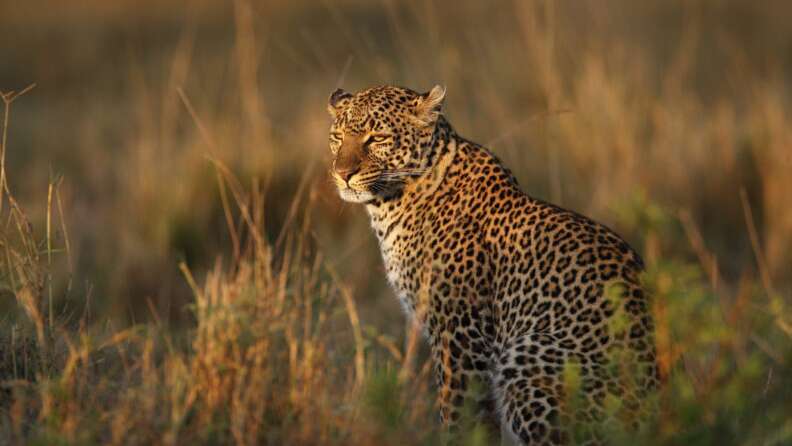
Celebrate Namibia’s big cat conservation work in Otjiwarongo and Okonjima. Set in the central north near the Waterberg Mountains, Otjiwarongo is home to the Cheetah Conservation Fund, which rescues and rehabilitates these elegant endangered cats. Just 50 miles away, you'll find a healthy population of leopards and brown hyenas in the 22,000-hectare Okonjima Nature Reserve. If you’re lucky, you may even spot the scaly-tailed, endangered pangolin on a safari through the plains and lush riverine forests of the Okonjima Valley.
Come to Otjiwarongo for ranger-led jeep tours to observe the shy, speedy cheetahs and visit the education centre and model farm, where you can learn about the foundation’s livestock guard dog programme, which aims to reduce conflict between farmers and cheetahs in the wild. Meanwhile, Okonjima is home to the AfriCat Foundation, a non-profit whose mission is to ensure the survival of African predators in their natural habitat through research and education. Take a guided safari to track radio-collared leopards and visit the carnivore information centre to learn about their vital work.
To contribute to big cat conservation in Namibia, talk to our Africa specialists about arranging visits to the AfriCat Foundation.

Holidays in Otjiwarongo & Okonjima
- Otjiwarongo & Okonjima
- 3 Star
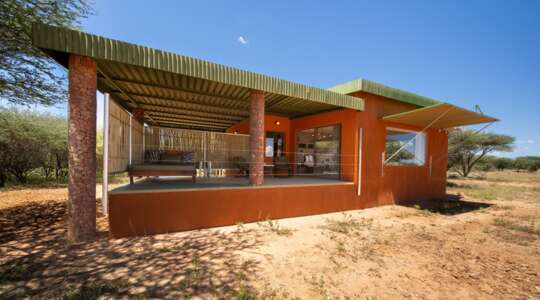
Okonjima Plains Camp combines spacious accommodation, sweeping views and a fascinating connection to the history of Okonjima Nature Reserve.

- Otjiwarongo & Okonjima
Okonjima Bushcamp lies on the Okonjima Nature Reserve, a former cattle ranch that’s now a conservation success story and home to the AfriCat Foundation.
You may also like
-
-
Destination {{ destinationFilters.length }}
- Damaraland{{destinationCountWith('Damaraland')}}
- Windhoek{{destinationCountWith('Windhoek')}}
-
Holiday type {{ holidayTypeFilters.length }}
- Honeymoons{{holidayTypeCountWith('Honeymoons')}}
- Self drive{{holidayTypeCountWith('Self drive')}}
-
-
- Kuoni recommended
- Name (A-Z)
- Rating (High to Low)
- Rating (Low to High)
- Price (High to Low)
- Price (Low to High)
- {{ filter.text }}
- Clear all

Track endangered rhinos and pangolins at Okonjima
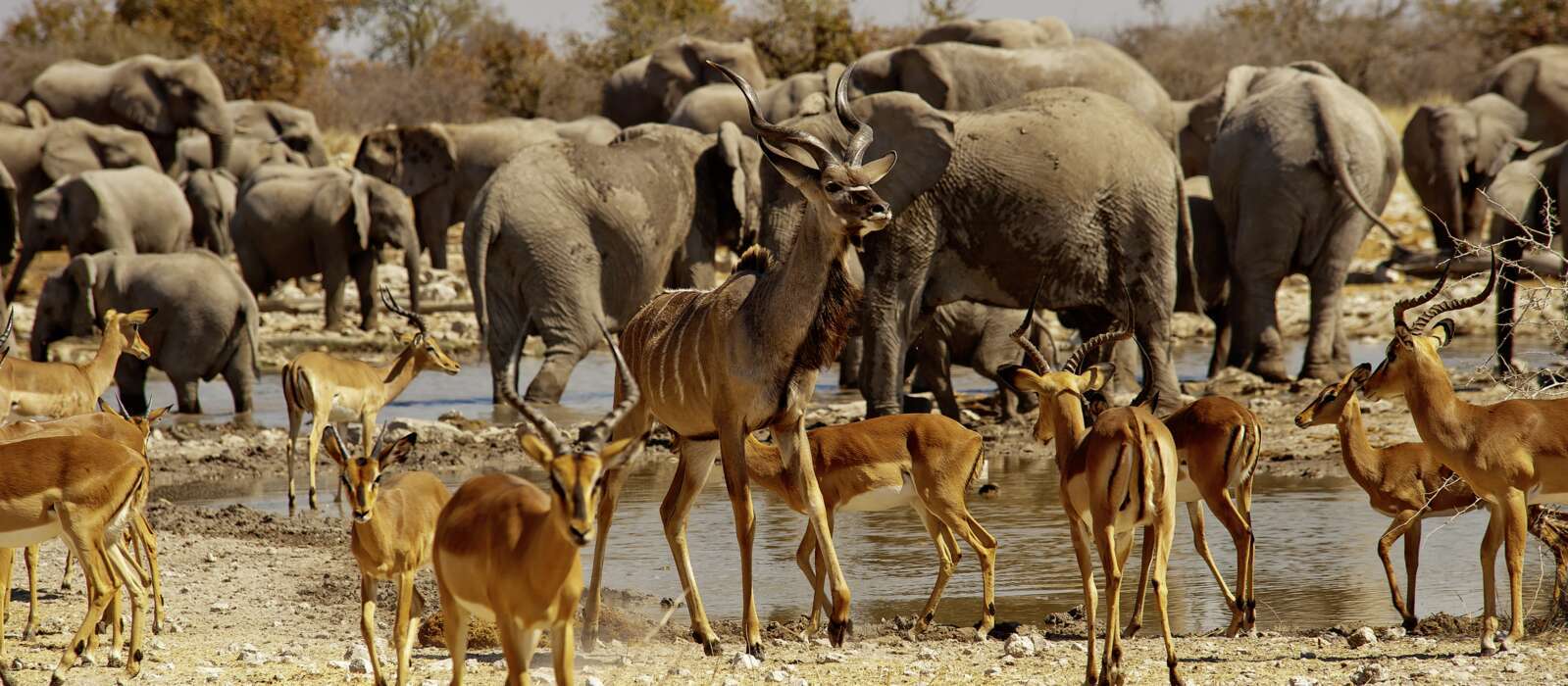
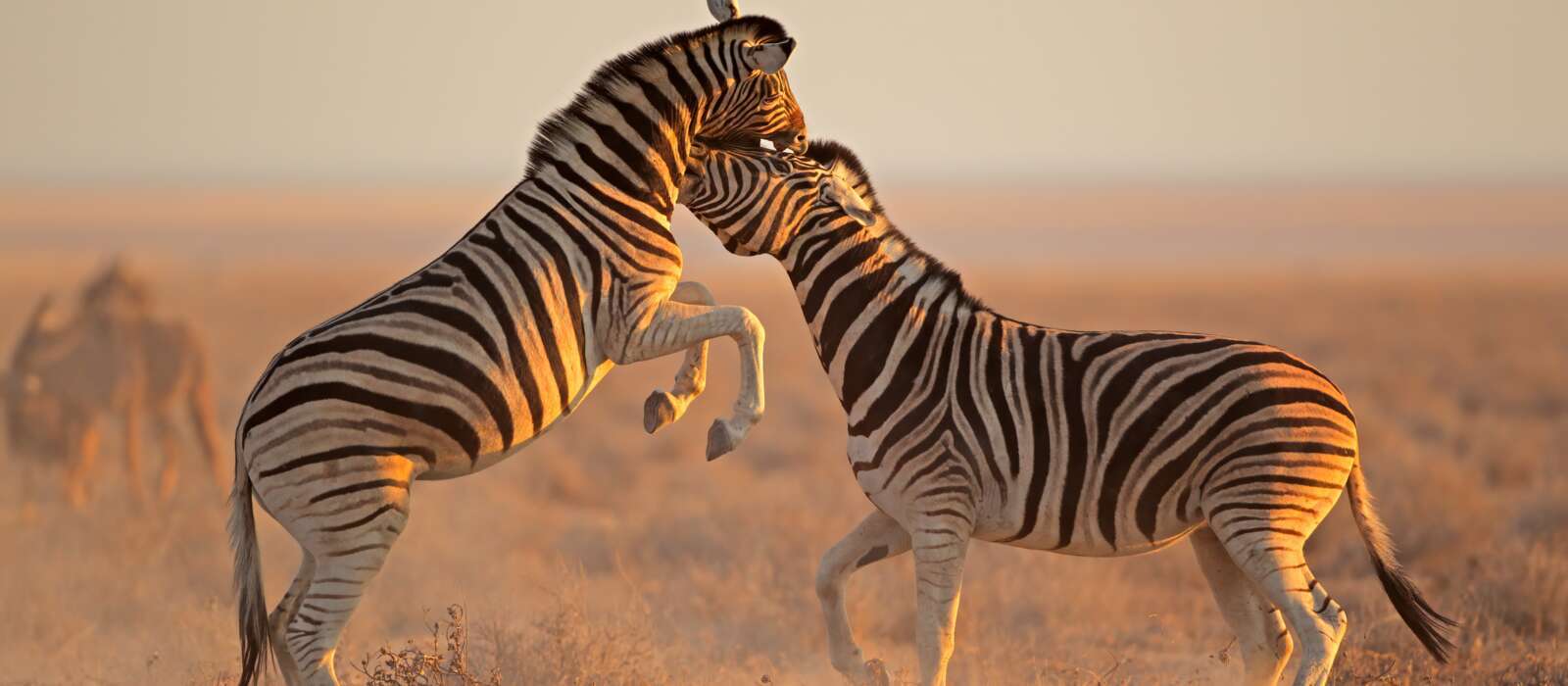
Track endangered rhinos and pangolins with the help of the AfriCat team and anti-poaching units at Okonjima. You’ll move quietly on foot, getting up close to rhinos as they graze or lie in the shade. At Okonjima, they are also lucky to have a population of ground pangolins, one of the four pangolin species living on the African continent.
It’s an incredible feeling being out in the bush near these magnificent rhinos, immersed in nature. You’ll get to ask the experts about the species and how they’re protected in this 22,000-hectare reserve.
Pangolins have become a hot topic over the last 15 years as the most highly-trafficked animal in the world. Along with the AfriCat Foundation, they conduct research for conservation purposes and share it with other pangolin projects worldwide.
Pangolin Tracking is a unique after-dark experience, taking you into the bush during the hours when these secretive animals are most active. Depending on the season, weather and operational conditions, you will head out with an AfriCat researcher or experienced guide to search for Ground Pangolins.
From September to May, tracking generally takes place between 22:00 and 06:00, while from June to August it usually takes place between 17:00 and 23:00. It is an amazing experience to walk through the bush after dark with a headlamp, searching for these fascinating, prehistoric-looking animals. If you are fortunate enough to locate a pangolin, you will observe it quietly and respectfully from a distance to avoid disturbing its natural behaviour.
Okonjima game drive
Take game drives in Okonjima Nature Reserve to spot leopards and endangered species. Okonjima is also home to the AfriCat Foundation, which has been researching leopards here since the 1990s. Some of the leopards are fitted with tracking collars that allow them to protect and monitor the population while they roam freely within the reserve.
The reserve sprawls over 22,000 hectares of mountains, plains and riverine thickets where a strong population of leopards thrives. They’re such elusive, stealthy animals that are difficult to find in places like Etosha, so it's always a highlight when you catch a glimpse of one at Okonjima.
Sightings aren’t guaranteed – the leopards might be sleeping in a thicket or guarding their kill up in a tree – but the tracking collars mean it’s a lot easier to spot them than on a traditional safari.
If you do find a leopard, about fifty per cent of the time you’ll see a brown hyena nearby hunting for food scraps. They’re another key species your guide will look out for, along with rhinos. Expert guides will tell you all about the species you encounter and the challenges they face. There are plenty of nature trails to enjoy in the reserve too, as well as night drives where you can spot everything from bat-eared foxes to owls and aardwolves.
Into AfriCat – Behind the Science
Go behind the scenes of wildlife conservation and discover the research shaping the future of the Okonjima Nature Reserve. This interactive 2.5–3-hour experience combines time at the AfriCat Information Centre with hands-on insights in the Reserve. Learn how AfriCat researchers monitor leopards and brown hyenas, explore tracking technologies such as VHF telemetry and GPS collars, discover how camera traps and EarthRanger reveal animal movements and behaviour, and even practise identifying individual leopards. A fascinating experience that brings conservation science to life and gives guests a deeper understanding of the research, technology and fieldwork behind wildlife protection at Okonjima.


Talk to an expert today
Your dream holiday is just a phone call away
Call us on 0800 092 4444

All Destinations
Monday: 9am - 8pm
Tuesday: 9am - 8pm
Wednesday: 9am - 8pm
Thursday: 9am - 8pm
Friday: 9am - 8pm
Saturday: 9am - 6pm
Sunday: 11am - 4pm
Australasia & North America
Mon to Fri: 10am - 5pm
Saturday: 10am - 5pm
Sunday: Closed
Africa, India & Japan
Mon to Fri: 10am - 5pm
Saturday: 10am - 5pm
Sunday: Closed
Cruise & Stay Holidays
Mon to Fri: 10am - 5pm
Saturday: 10am - 5pm
Sunday: Closed