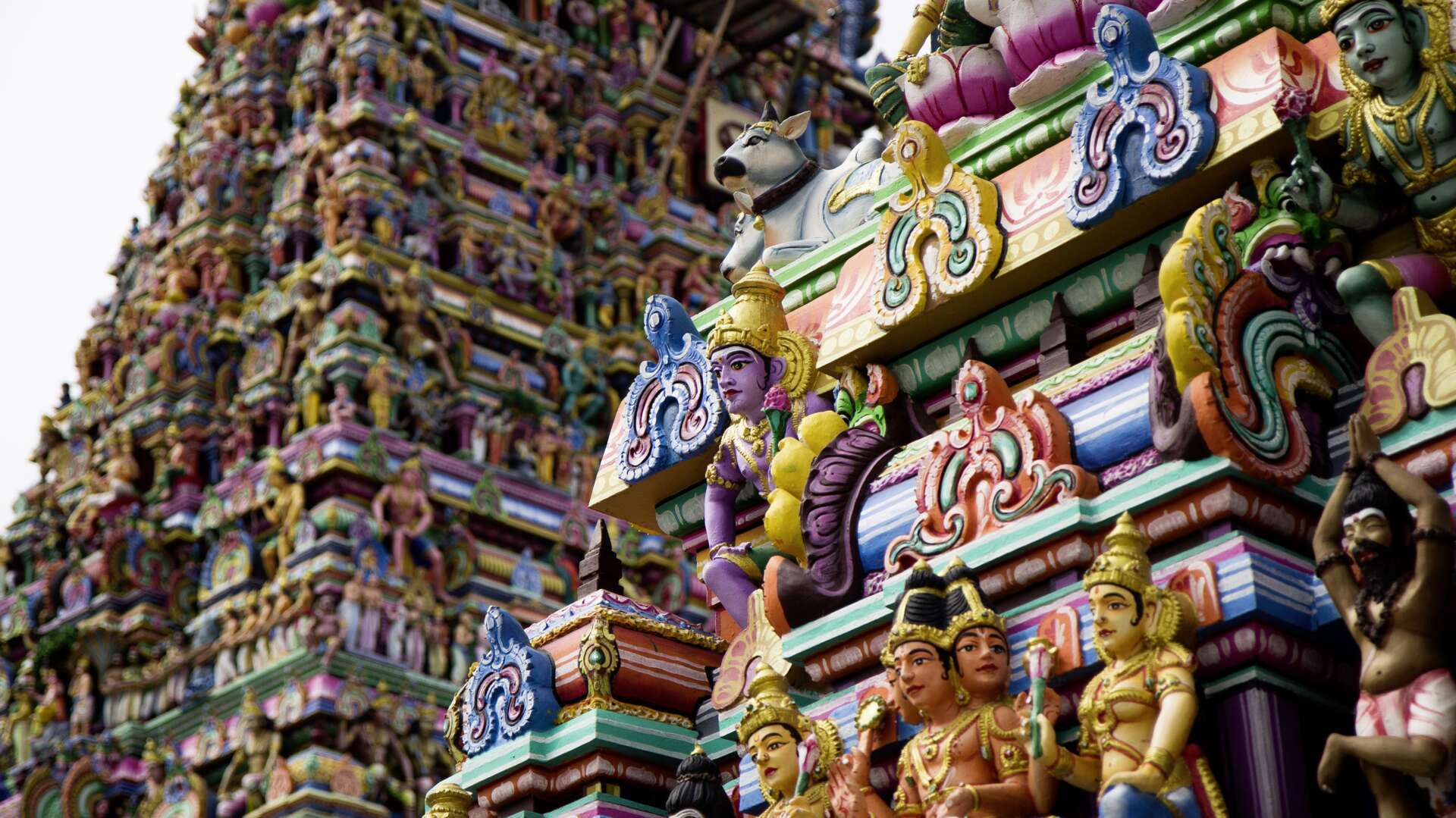
A 16-day adventure through two of India's most fascinating states visiting cities and hill stations.
Ancient kingdom capitals, hidden mountain retreats and laid-back coastal stays come together in this all-encompassing trip through India’s scenic south. Embark on a classic toy train through the Western Ghats and hear about the colonial influences that have shaped this part of the world.
Suggested itinerary
15 nights
Bangalore, Mysore, Ooty, Pollachi, Madurai, Rameshwaram, Chettinad, Kumbakonam, Pondicherry, Mahabalipuram and Chennai
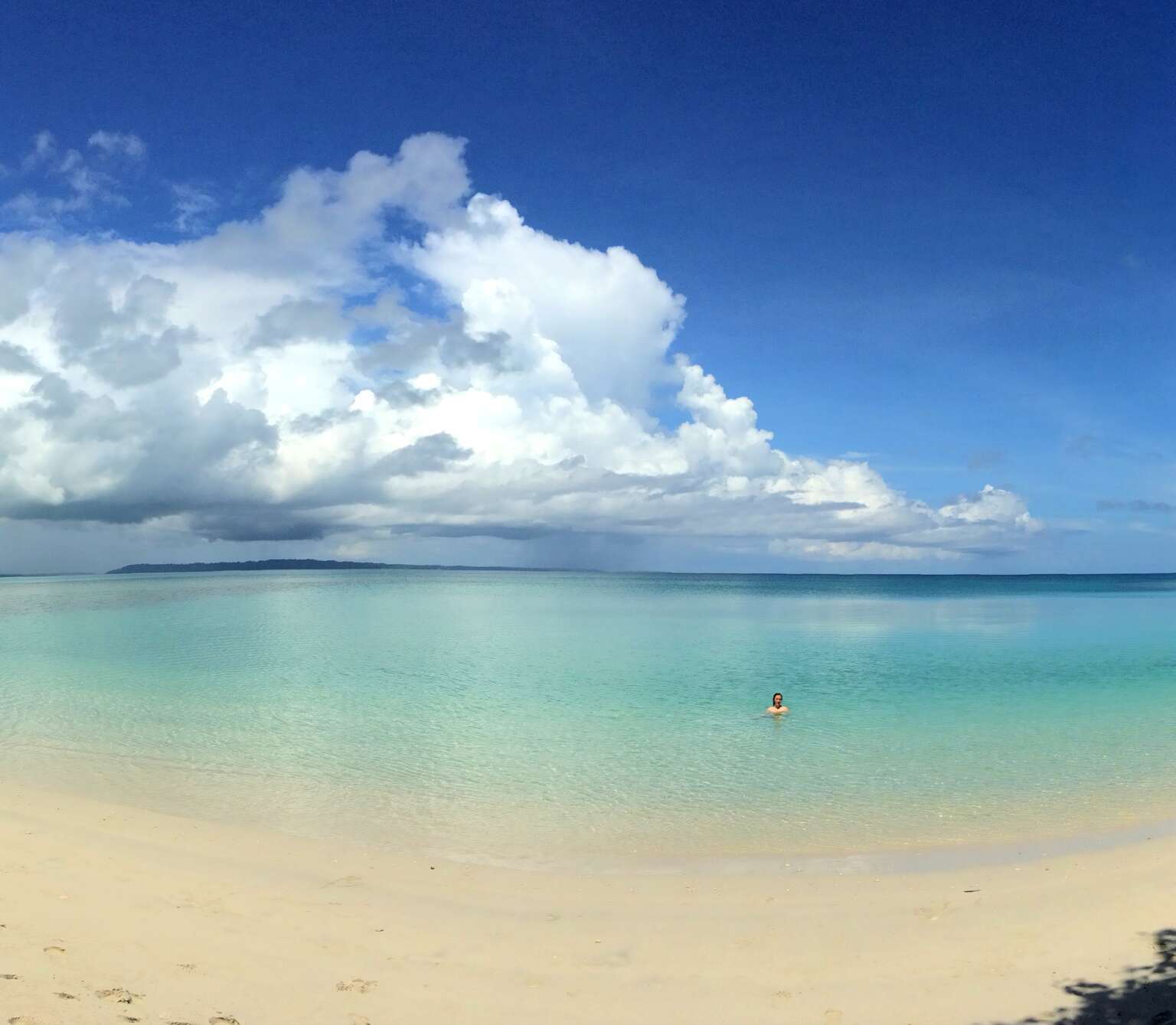
Head to the remote Andaman Islands for underwater and jungle adventures.
Highlights of trip
SoBa Walk
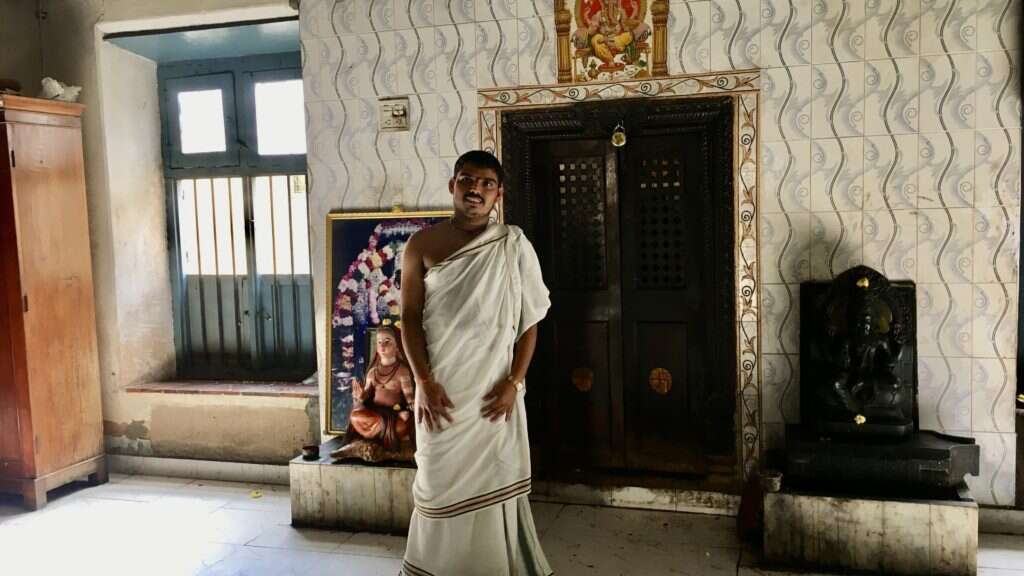
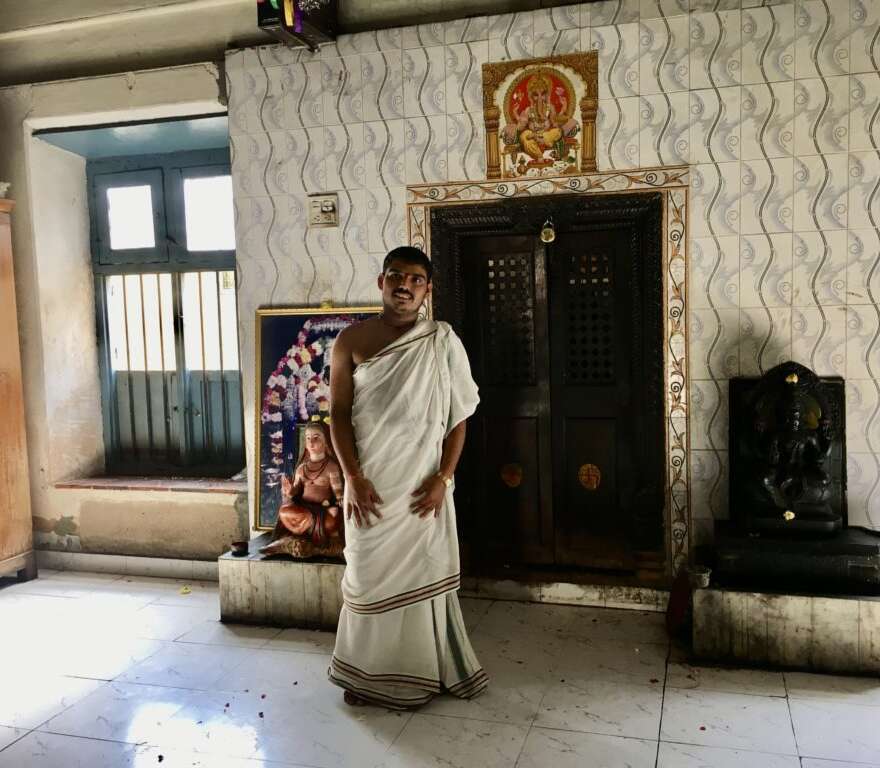
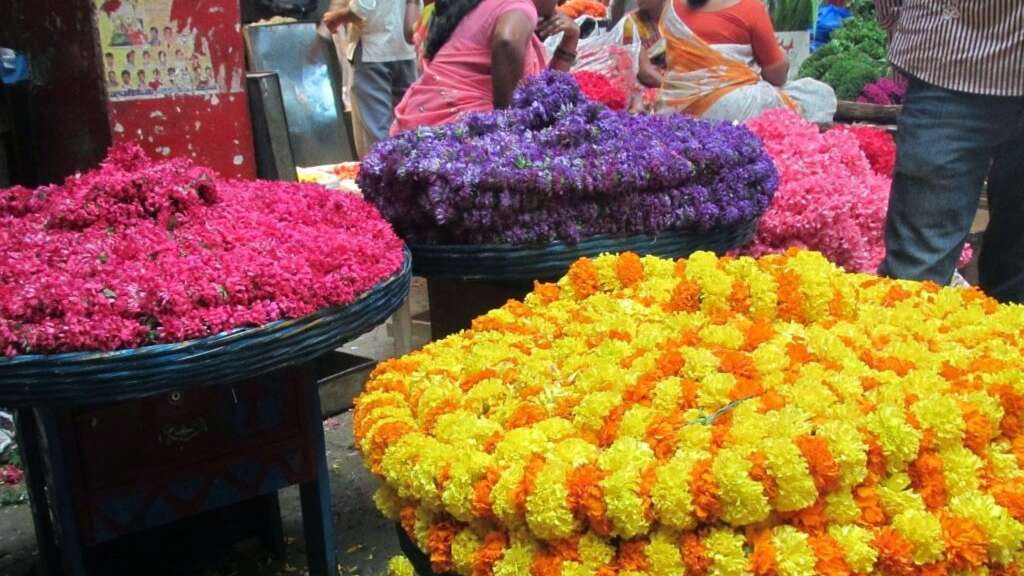
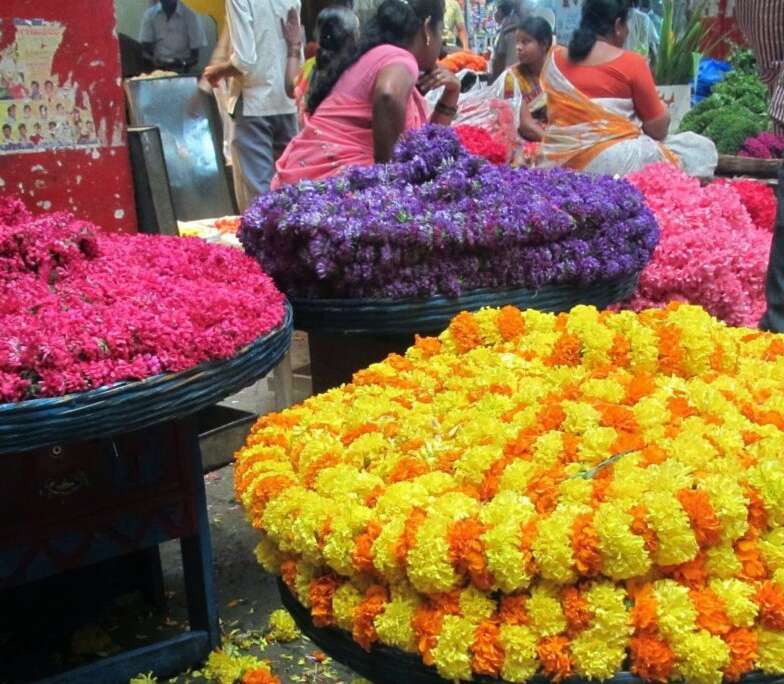
You’ll see a side of Bangalore that many people don’t even know exists on the SoBa walk. South Bangalore (SoBa) still holds on to its old-school way of life and this guided walk will take you to the temple where you can soak up the sounds and sights as people pay their respects. Wander through the market to enjoy the fresh smell of the flowers and vegetables as you watch the locals busy buying. Along the way, your guide may introduce you to some of the residents.
When people think of Bangalore, they often think of the modern city it is now, however a walking tour will reveal its fascinating history. In the Footsteps of Rajas and Sultans covers the evolution of Bangalore from when it was founded in medieval times to its capture by the British, a fascinating period of time. Explore the crowded bazaars, stopping at interesting sites including the market and an ancient temple. Along the way, your guide will share some intriguing stories about Bangalore.
Vineyard Visit & Lunch with Local Wine Aficionados
People are often surprised to discover that wine is made in India so a visit to a vineyard on the outskirts of Bangalore is well-worth it. The winery is in a peaceful and beautiful setting at the foot of the Nandi Hills, where Tipu Sultan once had his summer retreat.
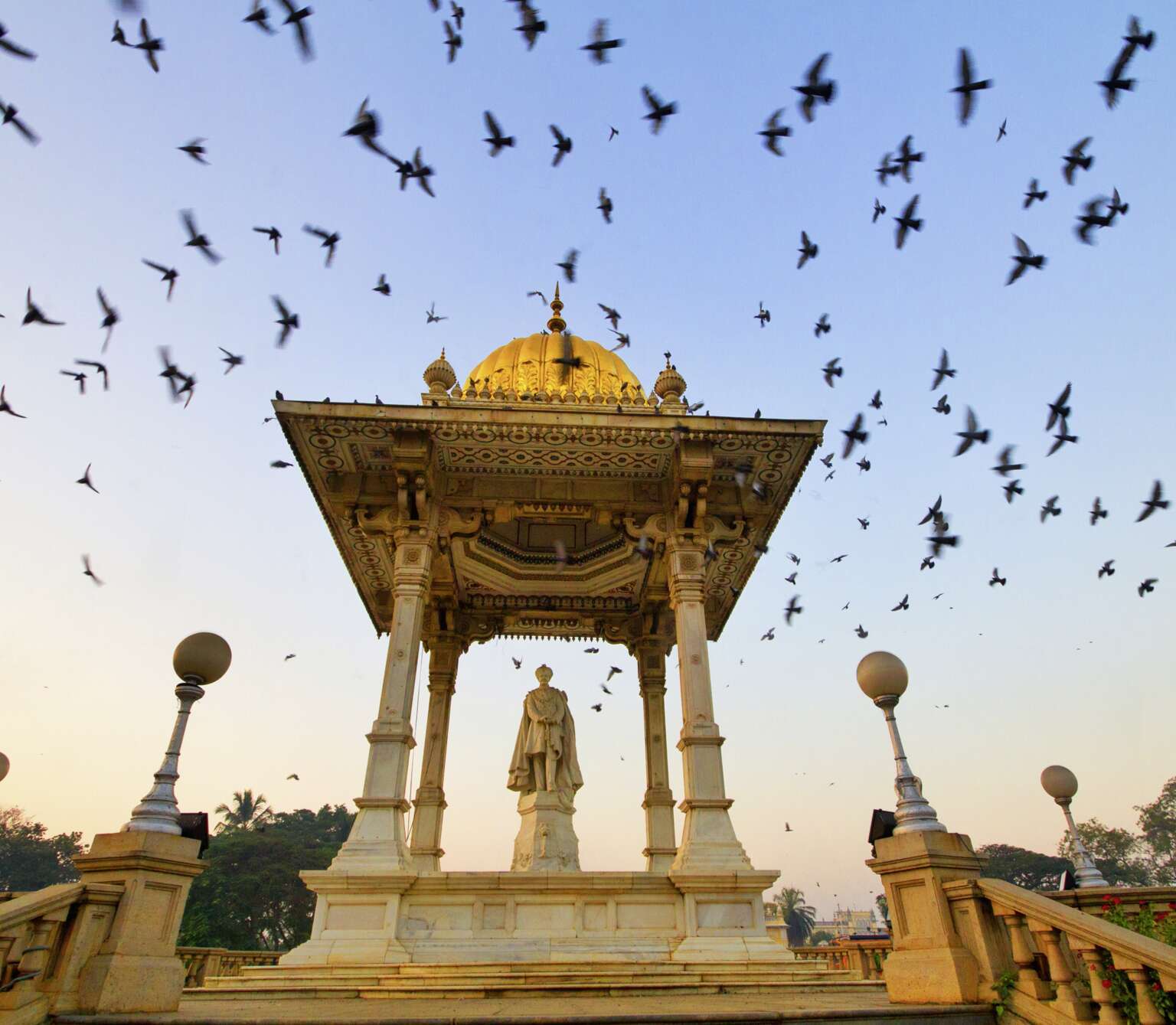
There are 230 heritage buildings and structures that were created by the maharajas of Mysore, from vast palaces to the clock tower where the tour begins. During this two-hour walk, you will get to see some of the most prominent and decorated buildings.
The origins of yoga go back almost 5,000 years, and on this tour, you’ll learn about its history and how the different forms came about, particularly the ashtanga vinyasa style that started in Mysore. But there’s no better way to truly understand yoga than by doing it, which is why an important part of the experience is a one-hour private session with an experienced instructor.
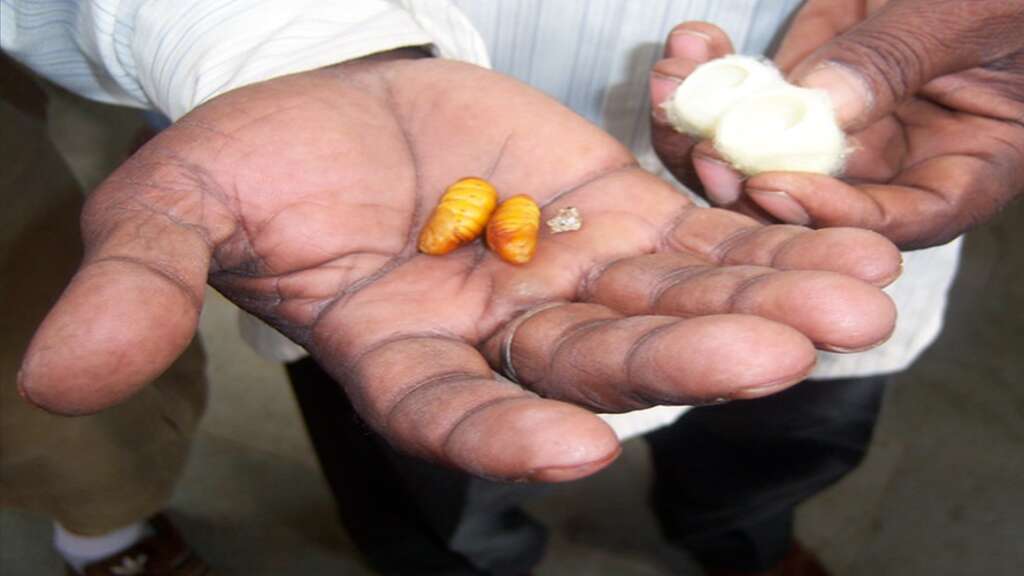
On this tour, you’ll see how Mysore silk is created. Mysore silk is something special, which makes you feel warm in winter and cool in summer, and it’s instantly recognisable. If you go to any Indian wedding, many of the women will be wearing saris made with Mysore silk. It’s exceptionally soft and high quality, with a beautiful drape and sheen that makes every colour look amazingly rich.
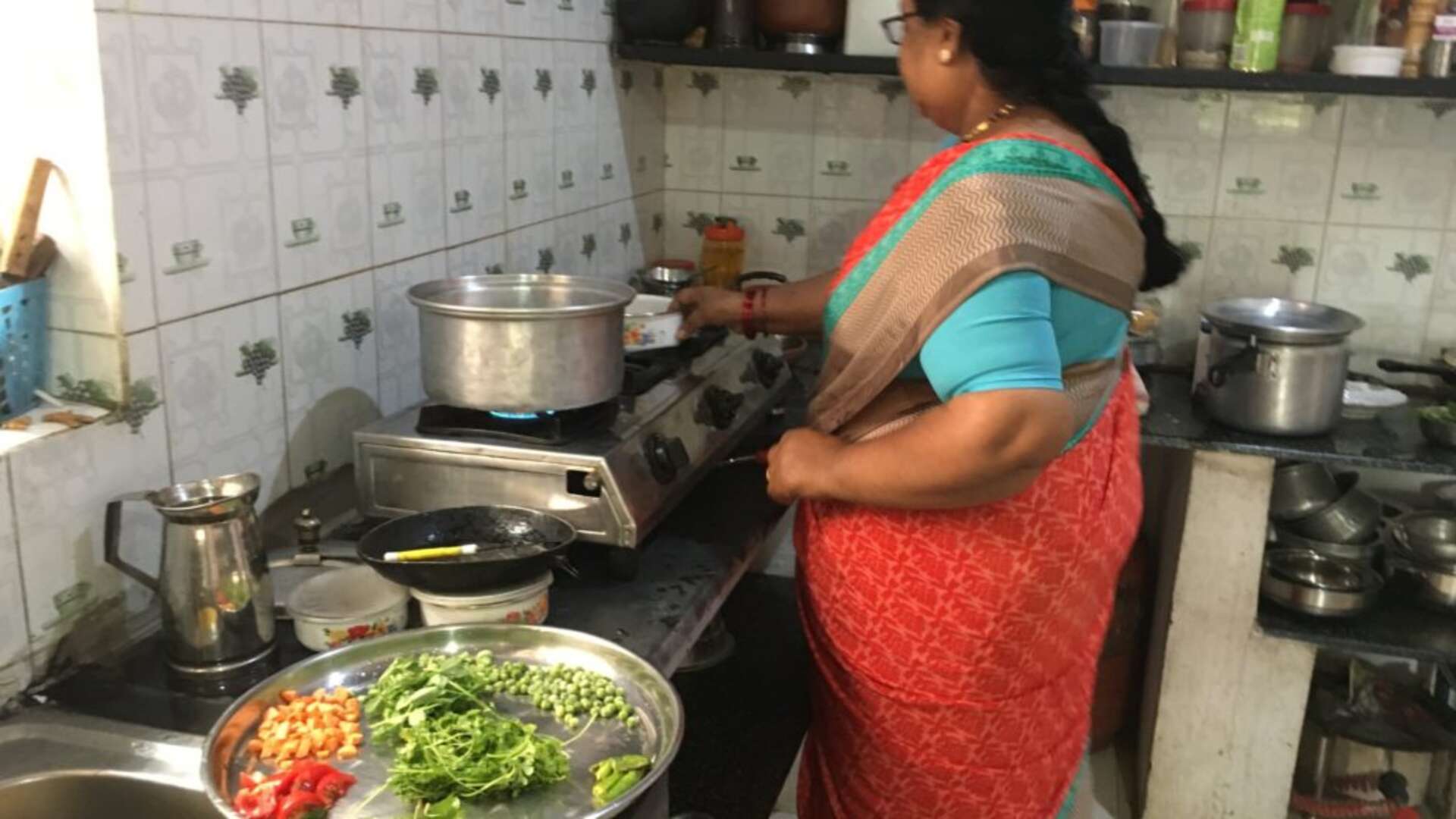
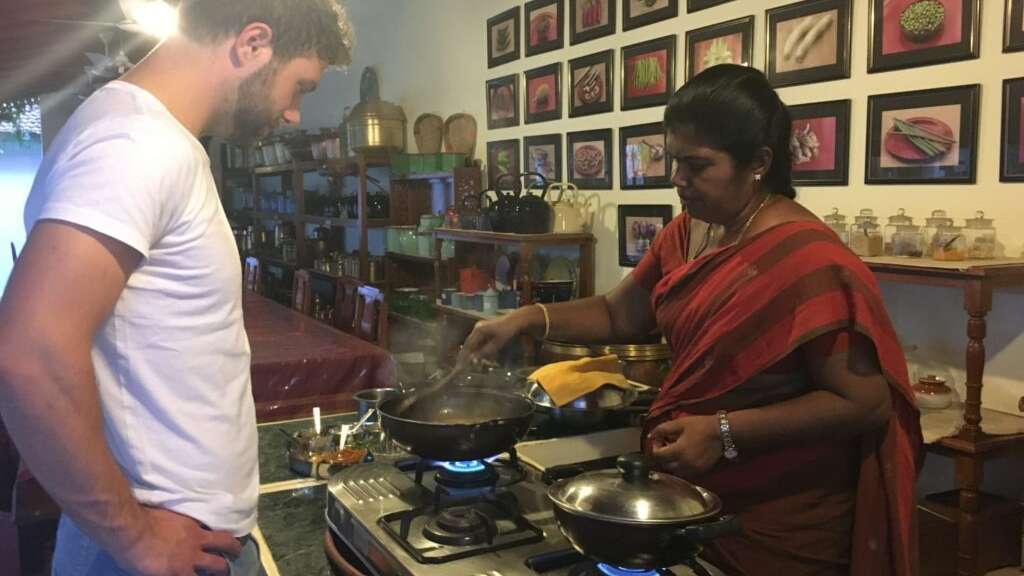
You learn so much about people when you share a meal, and you learn even more if you’ve cooked it together first. On this fascinating tour you will meet your host and start with a trip to the market to buy the ingredients.
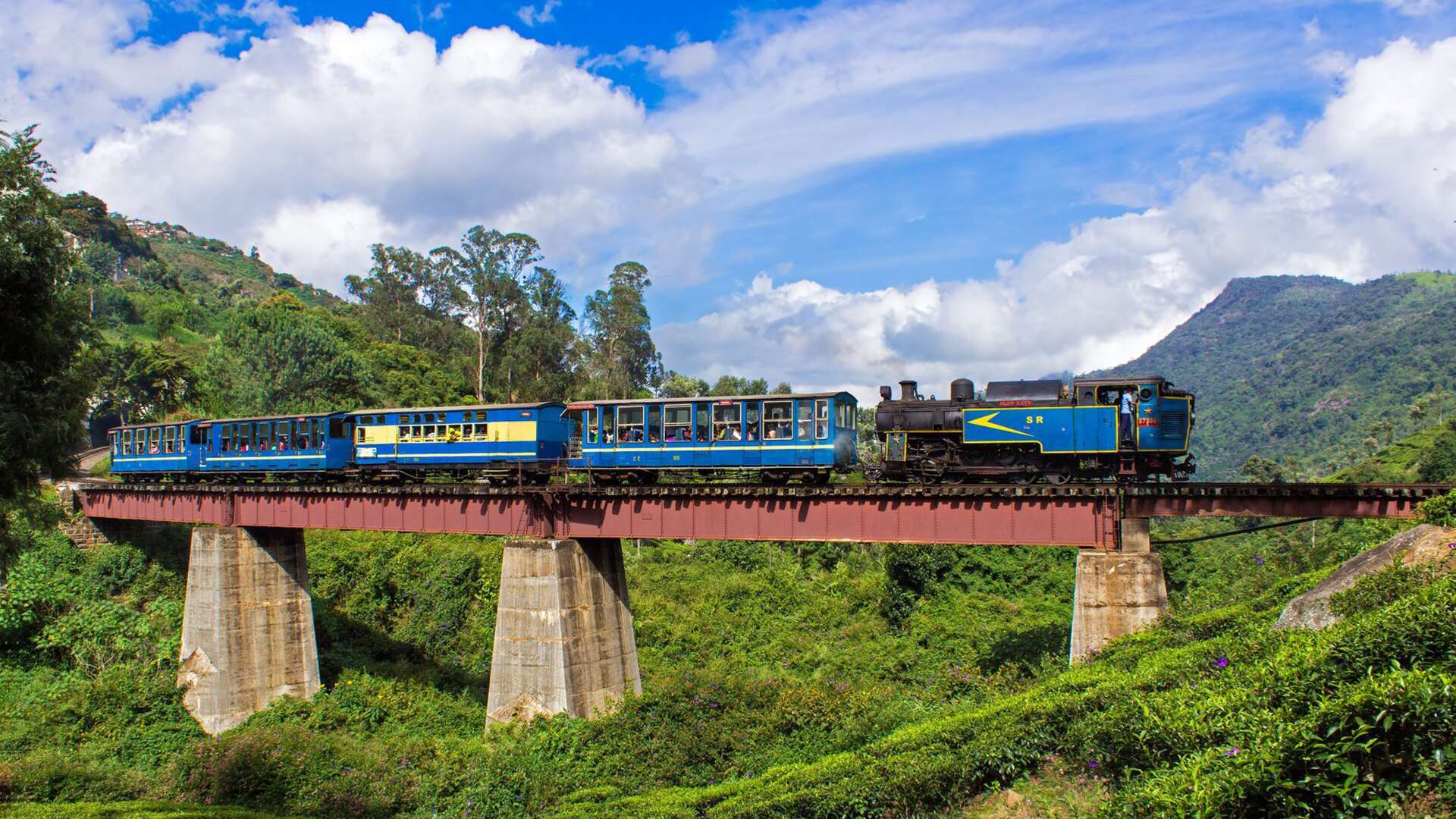
A trip on the Nilgiri Mountain Railway offers incredible scenery, impressive engineering and a real sense of nostalgia. Enjoy the different landscapes as the train travels along the winding narrow-gauge track. There’s always something to see on both sides of the line, and you’ve plenty of time to look at it as the train goes so slowly, especially on the steepest section, which is the only rack and pinion track in India.
Madurai has been inhabited continuously for two or three thousand years, so has a very strong food culture. There are influences from the time of the Pandyas, the Nayaks and the Mughals, which has produced a fascinating mixture of cuisines that you don’t get anywhere else in Tamil Nadu.
Once Upon a Madurai takes guests through the by-lanes of old Madurai on foot as the storyteller shares tales about history, mythology and customs. It takes you back 2,000 years to when the gods are said to have walked on Earth, and to the kings who built some of the monuments that you still see today and to Gandhi and his experiences in the city.
Although lesser explored by foreign visitors, Rameshwaram, also known as Pamban Island, is one of India’s most beautiful religious sites and one of the four holiest places in the country that a Hindu must visit in his or her lifetime. Until 1918, people could only visit this island via boat but now you can take a train ride on a narrow, hundred-year-old bridge.
The Bangala is in Chettinad region and is known for its rich heritage: mansions, temples and, of course, the food. The Bangala was a homestay before it became a small heritage hotel. Here homely typical Chettinad food is served. During this cookery course four dishes are created using traditional recipes passed down from generation to generation.
The food in Pondicherry is unique, a fusion of French and Tamil traditions that’s very much part of its cultural identity. During this cooking class you will get to learn what Creole food is, what makes it different and how to prepare it. It’s a really hands-on experience.
The countryside beyond Pondicherry has so many stories and this tour was created to show guests something of the way of life, the history and the natural beauty. Kizhur is not only authentic, but it’s actually an important place in the story of how Pondicherry got its freedom.
Bicycle is a perfect way to explore the heart of Pondicherry as you can go along the smallest and quietest of lanes, see the small details you’d miss from a car or bus and really experience the sights, sounds and smells of the town in the cool of the morning.
Pondicherry holds so many fascinating secrets that you’d miss if you walked around by yourself. The British conquered a massive part of India, however Pondicherry was ruled by the French, so the whole ambience and culture is completely different. There is the Tamil Quarter as well as the French Quarter, and they’re equally important, so you have to visit both to get a clear picture of this town.
The Peacock Trail takes place in Mylapore in the heart of Chennai, a neighbourhood that’s much older than the city itself. When the British arrived, it was a village with pretty houses and ancient temples dating from the time when it was an important port for the Pallava empire, and today it’s a perfect place to show people something of the way of life in the city.
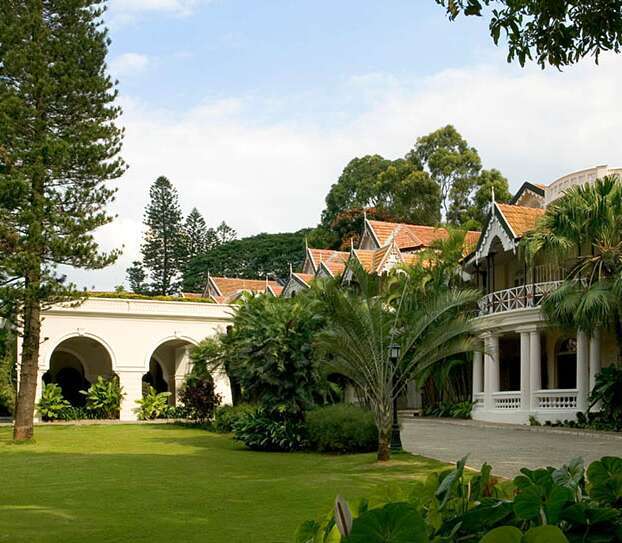
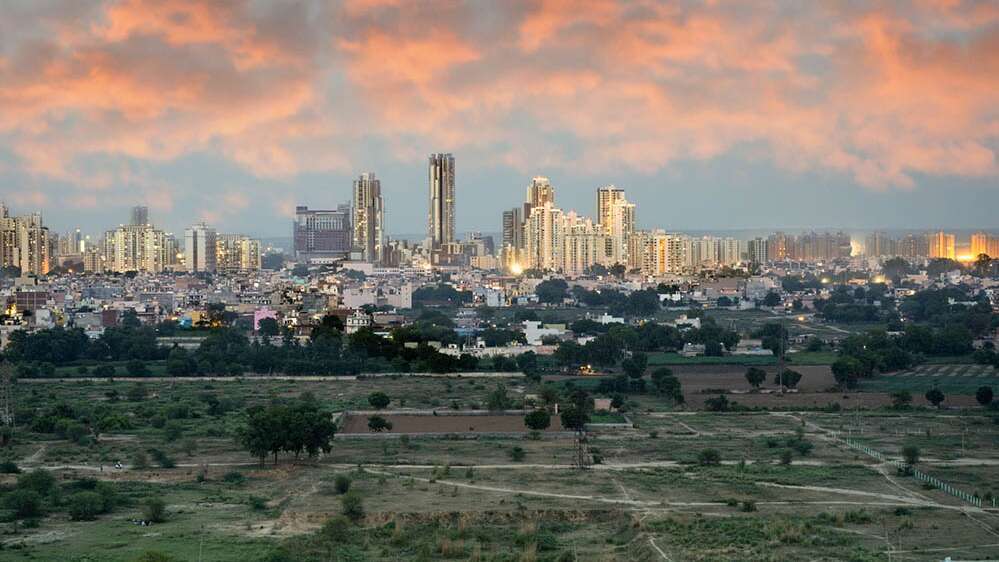
On arrival in Bangalore, you’ll be met at the airport and transferred to your hotel. The rest of the day is free to enjoy in this culture-filled, tech-forward city, known as India’s Silicon Valley. Wander its gardens and royal residences on your own terms – don’t miss the 19th-century Bangalore Palace, modelled on Windsor Castle – or opt for an afternoon SoBa Walk to explore the city’s south side. This elegant neighbourhood was once the city’s intellectual centre and a renowned haunt for the city’s rich and famous. Overnight at Taj West End.
Things to do
SoBa Walk
Bangalore & Karnataka
You’ll see a side of Bangalore that many people don’t even know exists on the SoBa walk. South Bangalore (SoBa) still holds on to its old-school way of life and this guided walk will take you to the temple where you can soak up the sounds and sigh...
Explore SoBa Walk
SoBa Walk
Bangalore & Karnataka
You’ll see a side of Bangalore that many people don’t even know exists on the SoBa walk. South Bangalore (SoBa) still holds on to its old-school way of life and this guided walk will take you to the temple where you can soak up the sounds and sights as people pay their respects. Wander through the market to enjoy the fresh smell of the flowers and vegetables as you watch the locals busy buying. Along the way, your guide may introduce you to some of the residents.
When you look at the city, it has four cities within it that tell you its whole story. The oldest part is right in the centre, then there is the colonial part that the British built. Modern high-tech Bangalore is another part of the city, but this tour focusses on South Bangalore – or SoBa as it is known.
Admire the beautiful traditional houses built in the 1940s and 1950s, little grocery shops where the customers still bargain for what they want and men and women dressed in traditional attire. Beyond the sights, your guide will also explain about the local culture and the history of the local language, Kannada. This tour provides guests with an authentic sense of what it means to be a Bangalorean, of the relaxed rhythm of every day and of a way of life that’s fast vanishing. SoBa is not modern Bangalore it’s a little time capsule.
Colonial charm in a sprawling city garden at Taj West End.
Day 2
Bangalore & Mysore
Dig a little deeper into Bangalore this morning with an optional excursion tracing the history of the city’s rulers, or venture into the Nandi Hills for lunch at a local vineyard. Later, you’ll be driven to the city of Mysore in the southwest of Karnataka. This heritage-rich city was the capital of the Kingdom of Mysore from 1399 to 1947 and is home to several historic sites. Especially unmissable is the Devaraja Market – a vibrant bazaar where spices, silk and sandalwood have been traded for centuries. Settle in at your hotel for the evening, choose to learn the ins and outs of South Indian cuisine with a local family. Overnight at Royal Orchid Metropole.
Things to do
In the Footsteps of Rajas & Sultans
Bangalore & Karnataka
When people think of Bangalore, they often think of the modern city it is now, however a walking tour will reveal its fascinating history. In the Footsteps of Rajas and Sultans covers the evolution of Bangalore from when it was founded in medieval...
Explore In the Footsteps of Rajas & Sultans
Vineyard Visit & Lunch with Local Wine Aficionados
Bangalore & Karnataka
People are often surprised to discover that wine is made in India so a visit to a vineyard on the outskirts of Bangalore is well-worth it. The winery is in a peaceful and beautiful setting at the foot of the Nandi Hills, where Tipu Sultan once had...
Explore Vineyard Visit & Lunch with Local Wine Aficionados
In the Footsteps of Rajas & Sultans
Bangalore & Karnataka
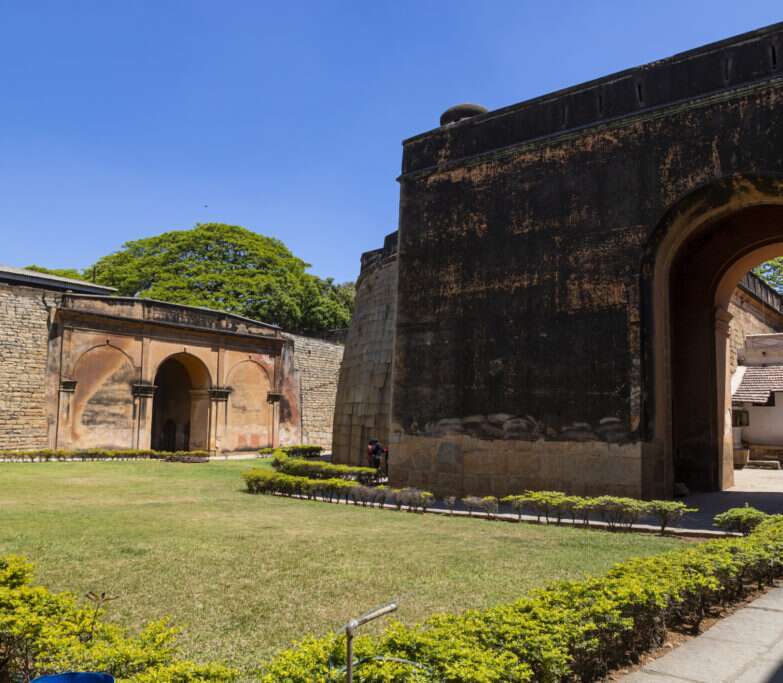
When people think of Bangalore, they often think of the modern city it is now, however a walking tour will reveal its fascinating history. In the Footsteps of Rajas and Sultans covers the evolution of Bangalore from when it was founded in medieval times to its capture by the British, a fascinating period of time. Explore the crowded bazaars, stopping at interesting sites including the market and an ancient temple. Along the way, your guide will share some intriguing stories about Bangalore.
The original city started off in 1537 as a mud fort, with a moat around it and a fortified settlement, or pettah, to the north which had different areas for people of a particular location, so there’d be districts of goldsmiths, traders and rice millers. You will weave south along labyrinthine streets that were formed in the 1500s.
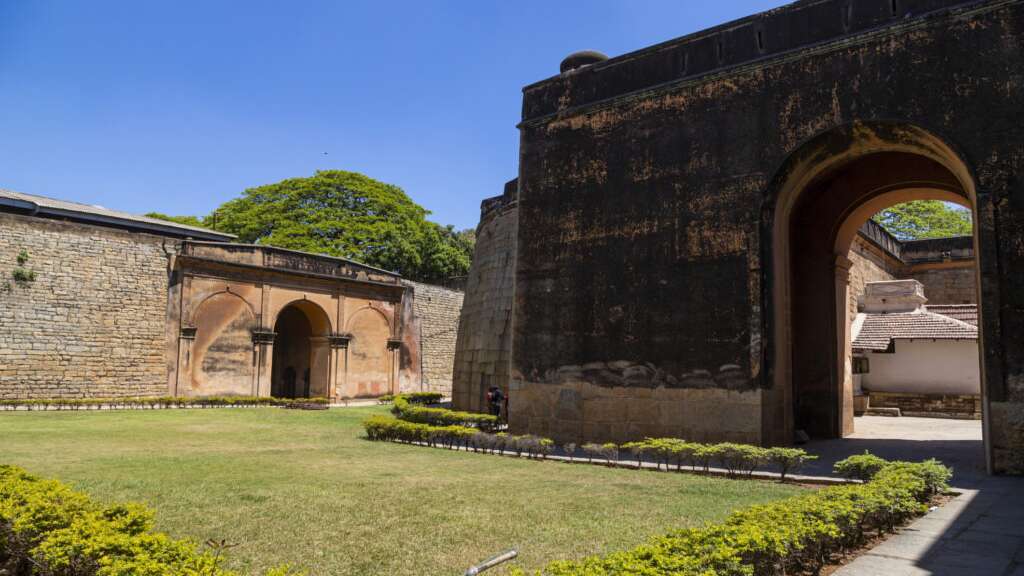
The two-and-a-half-kilometre walk ends at what’s left of the stone fort built in the 18th century, which was damaged during the British siege of 1791 and later almost completely demolished. All that’s left is one massive gateway, which is a fitting spot to end because it marks the beginning of a new period in Bangalore’s history: the days of the Raj.
Vineyard Visit & Lunch with Local Wine Aficionados
Bangalore & Karnataka
People are often surprised to discover that wine is made in India so a visit to a vineyard on the outskirts of Bangalore is well-worth it. The winery is in a peaceful and beautiful setting at the foot of the Nandi Hills, where Tipu Sultan once had his summer retreat.
Kanwal Grover ‘the father of Indian viticulture’ and Georges Vesselle planted the first French varieties of grapes here in 1988, experimenting to see which of 33 different types would work best in the climate and soil.
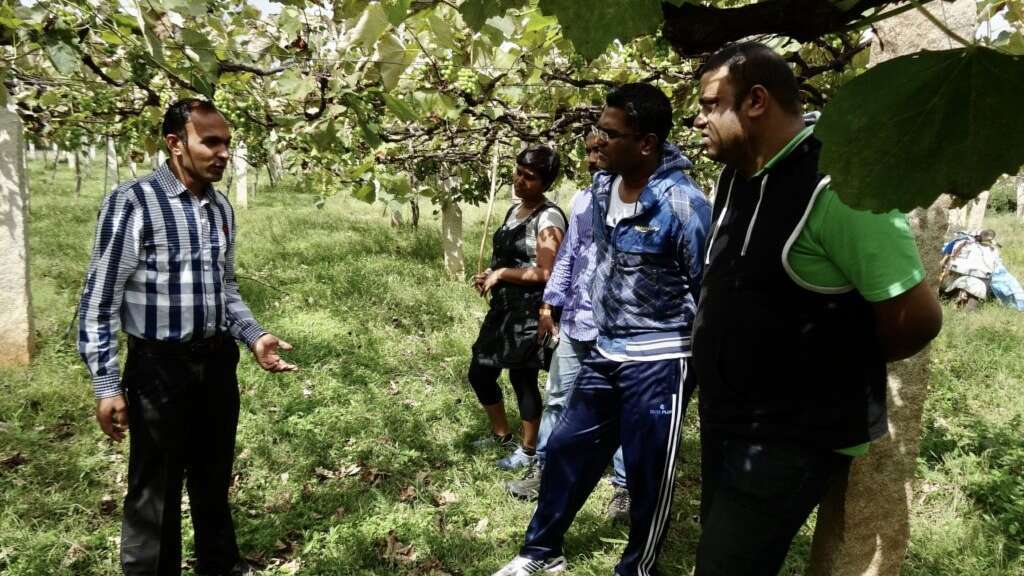
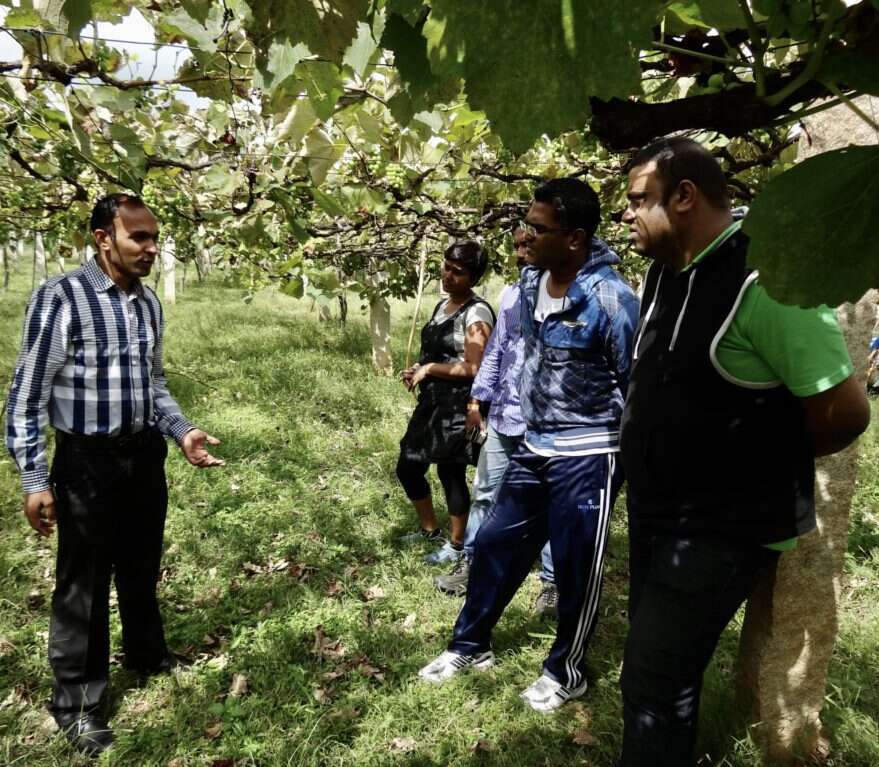
The sight of rows of vines stretching away into the distance is magical. Some visitors appreciate the scenery as much as the New World wines. As you walk around the different parts of the winery, your guide will explain the processes involved in creating a finished bottle of red, white, rosé and sparkling wine. You will go on a journey from sorting and crushing the grapes to labelling and packaging. In the barrel room you can see where some of the more expensive wines are aged in oak barrels. Finally, under the guidance of a professional sommelier, you will get to taste some of the wines you’ve learned about.
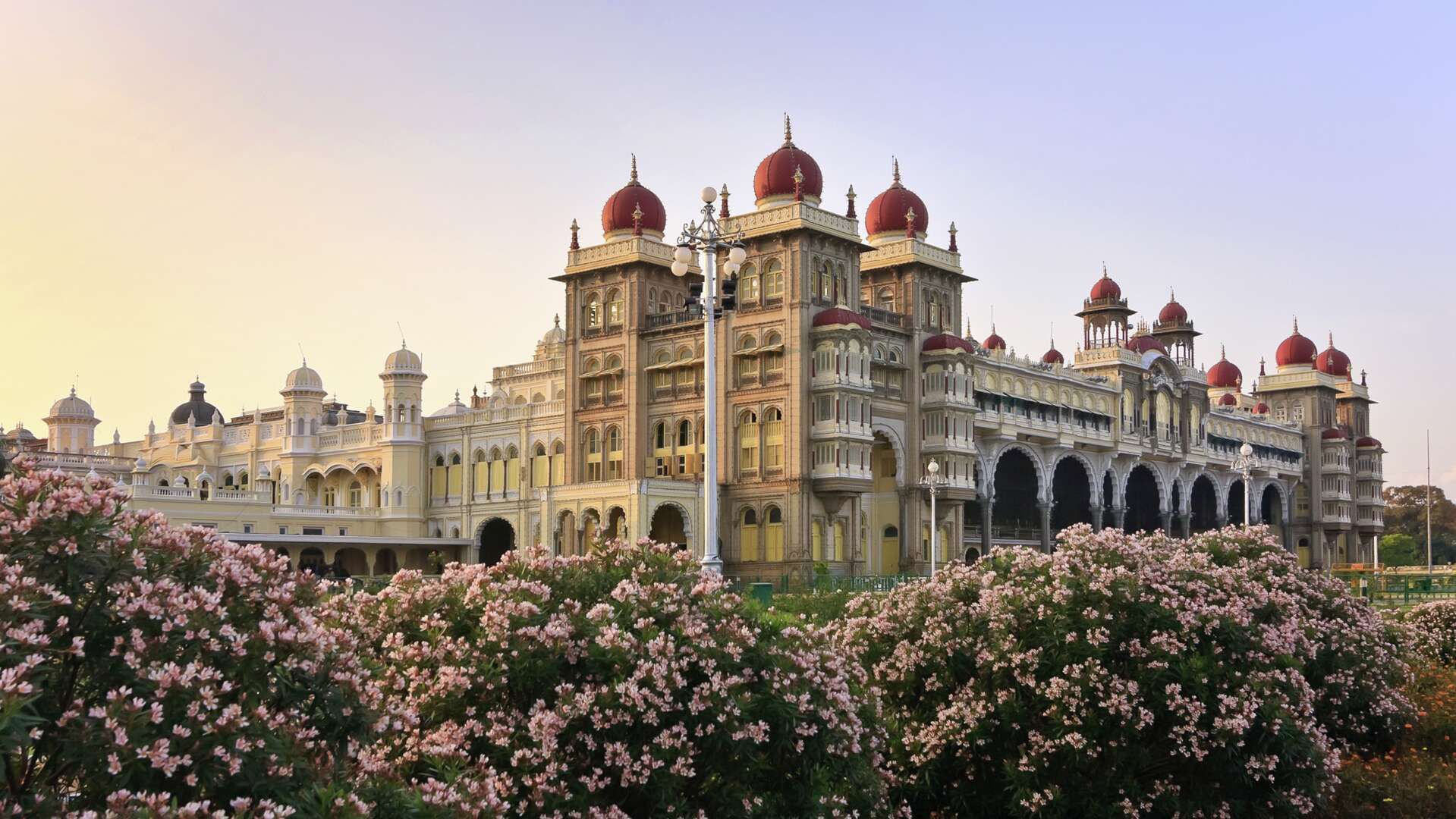
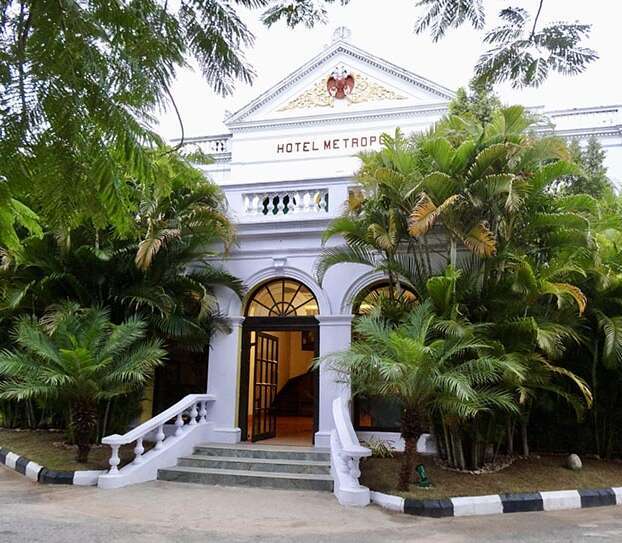
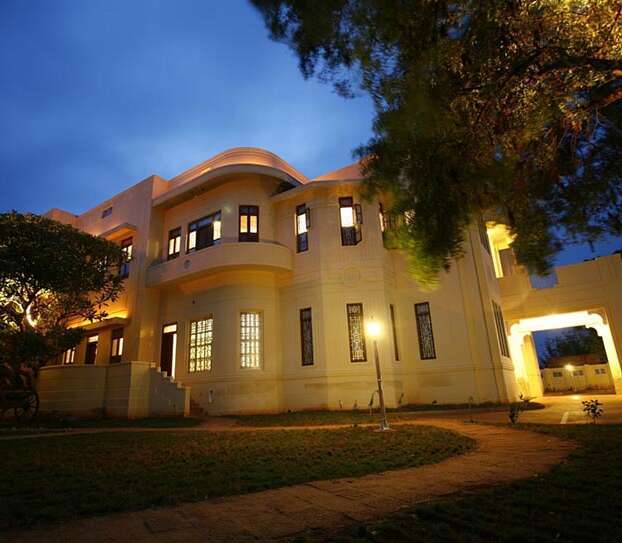
Mysore is known as a heritage city, and this hotel is very much a part of that heritage.
Day 3
Mysore
You’ll have a full day in Mysore today, beginning with an included tour of the city. You’ll visit the market to sample local delicacies such as Mysore Pak – a sweet treat made with chickpea flour and ghee – and learn more about the lives of the maharajas. This afternoon, take in the city at your own pace or choose from several optional experiences including a private yoga session, a workshop with a classical musician and a visit to a local silk factory to learn more about Mysore sarees. Overnight at Royal Orchid Metropole.
Things to do
Royal Mysore Walk
Mysore
There are 230 heritage buildings and structures that were created by the maharajas of Mysore, from vast palaces to the clock tower where the tour begins. During this two-hour walk, you will get to see some of the most prominent and decorated build...
Explore Royal Mysore Walk
Yoga Tour
Mysore
The origins of yoga go back almost 5,000 years, and on this tour, you’ll learn about its history and how the different forms came about, particularly the ashtanga vinyasa style that started in Mysore. But there’s no better way to truly understand ...
Explore Yoga Tour
Mysore Silk Tour
Mysore
On this tour, you’ll see how Mysore silk is created. Mysore silk is something special, which makes you feel warm in winter and cool in summer, and it’s instantly recognisable. If you go to any Indian wedding, many of the women will be wearing sari...
Explore Mysore Silk Tour
Cook & Dine with a Local Family
Mysore
You learn so much about people when you share a meal, and you learn even more if you’ve cooked it together first. On this fascinating tour you will meet your host and start with a trip to the market to buy the ingredients.
Royal Mysore Walk
Mysore
There are 230 heritage buildings and structures that were created by the maharajas of Mysore, from vast palaces to the clock tower where the tour begins. During this two-hour walk, you will get to see some of the most prominent and decorated buildings.
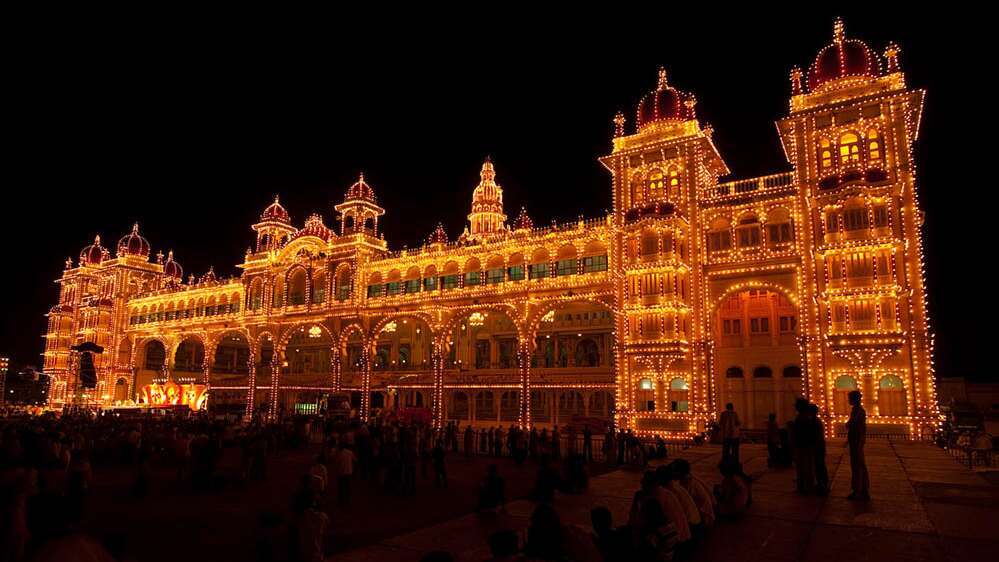
You will spend time in Devaraja market which is full of life. You will get to see people haggling with the stall holders as cows walk through and the smell of jasmine wafts from the flower stalls. At the corner of the market, you’ll find the family shop of the royal cook who invented the city’s most famous sweet, Mysore pak, which is still run by his descendants. It’s made with gram flour, ghee, sugar and mouth-watering so it’s worth a taste. Another highlight is the Palace with Chamundi Hill in the background. Your guide will explain how it was created and how the different architectural styles including gothic, Georgian, Hindu and Saracenic have been combined.
Yoga Tour
Mysore
The origins of yoga go back almost 5,000 years, and on this tour, you’ll learn about its history and how the different forms came about, particularly the ashtanga vinyasa style that started in Mysore. But there’s no better way to truly understand yoga than by doing it, which is why an important part of the experience is a one-hour private session with an experienced instructor.
During that time, you will be taught various yoga poses – asanas – and exercises with breathing, at a pace that suits you. You’ll twist and bend and balance in different postures and, even if you’ve never done yoga before, you’ll feel the benefit. Modern life is so full of tension, but if you practice yoga every day for 45 minutes, it will keep you fit mentally as well as physically.
Mysore Silk Tour
Mysore
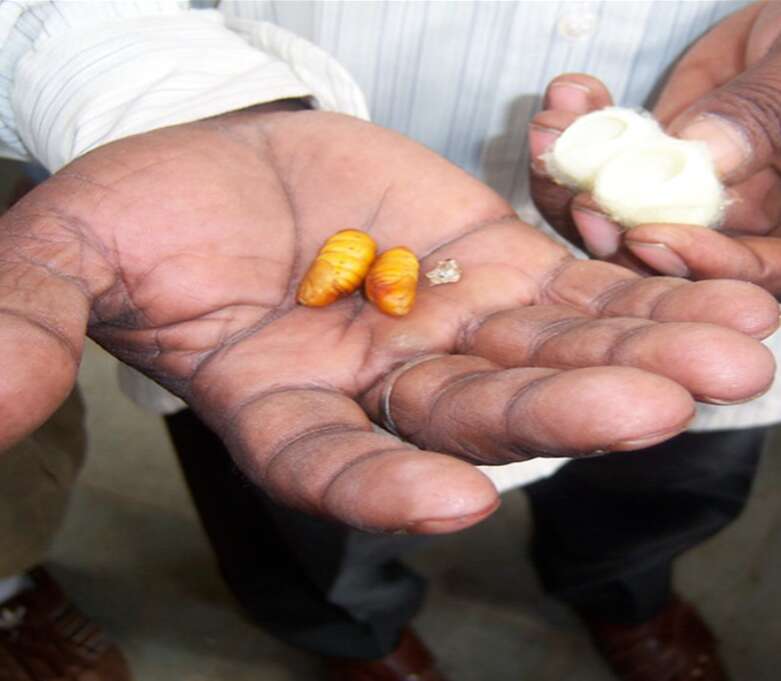
On this tour, you’ll see how Mysore silk is created. Mysore silk is something special, which makes you feel warm in winter and cool in summer, and it’s instantly recognisable. If you go to any Indian wedding, many of the women will be wearing saris made with Mysore silk. It’s exceptionally soft and high quality, with a beautiful drape and sheen that makes every colour look amazingly rich.
The story of how silk came to the city starts with Tipu Sultan in the 18th century, who was so delighted with a gift of silk cloth from China that he set up mulberry farms where silkworms could be raised. This particular factory was established in 1912 by the Maharaja of Mysore, who brought in power looms from Switzerland to revive an industry that was in decline. To show how silk is made from start to finish, you will begin in a village outside the city where the silkworms are raised and the cocoons are collected. It’s a fascinating experience of rural life, where you can see inside the houses, talk to the farmers over coffee, walk through the place where the mulberry trees are grown and learn about something that’s still done in a natural, traditional way.
From here the cocoons are taken to the factory, the next part of the tour. Here they are turned into thread and then cloth, it’s very colourful. The finished fabrics mostly come in plain colours, though patterns are becoming more popular, with a golden border in an intricate design made with zari thread.
Cook & Dine with a Local Family
Mysore
You learn so much about people when you share a meal, and you learn even more if you’ve cooked it together first. On this fascinating tour you will meet your host and start with a trip to the market to buy the ingredients.
You will visit the city’s most famous market, Devaraja, which is very old and full of stalls selling produce from local farms. People enjoy seeing all the goods and learning how to choose what to buy and bargain for it.
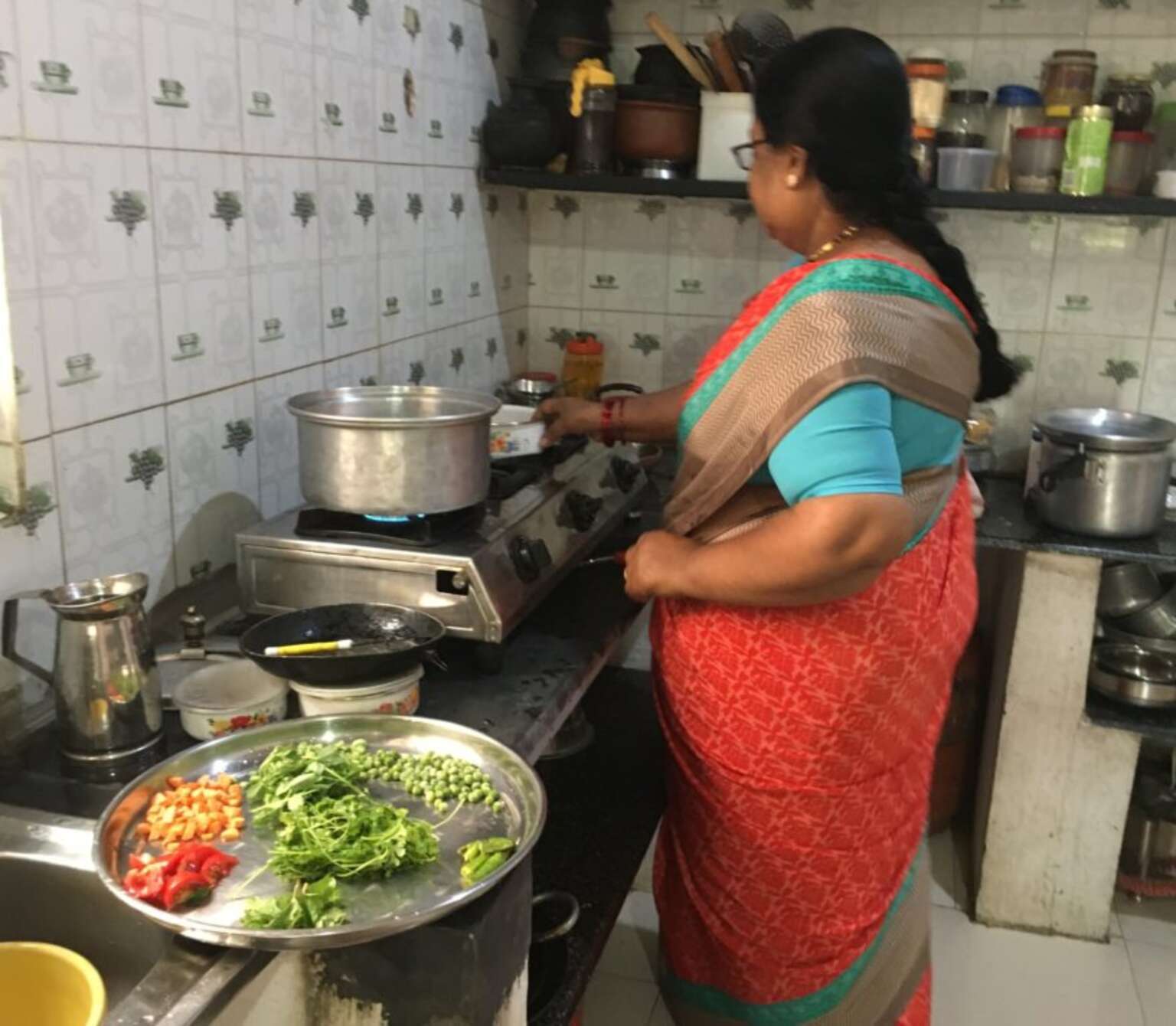
You will return to your host’s house to prepare a typical three-course Indian meal, which will probably include local favourites such as tamarind rice, ven pongal – a lentil dish – and some vegetable curries based on what’s in season and a Mysore dosa. It’s not a demonstration; the client is very much involved in the cooking and over four hours you will also get to learn more about city life. Once the food is ready, it is served on banana-leaf plates in the traditional way and you will sit down as a family to eat and talk together. It’s a relaxed, friendly experience leaving you with a true flavour of Mysore.
Mysore is known as a heritage city, and this hotel is very much a part of that heritage.
Day 4
Mysore & Ooty
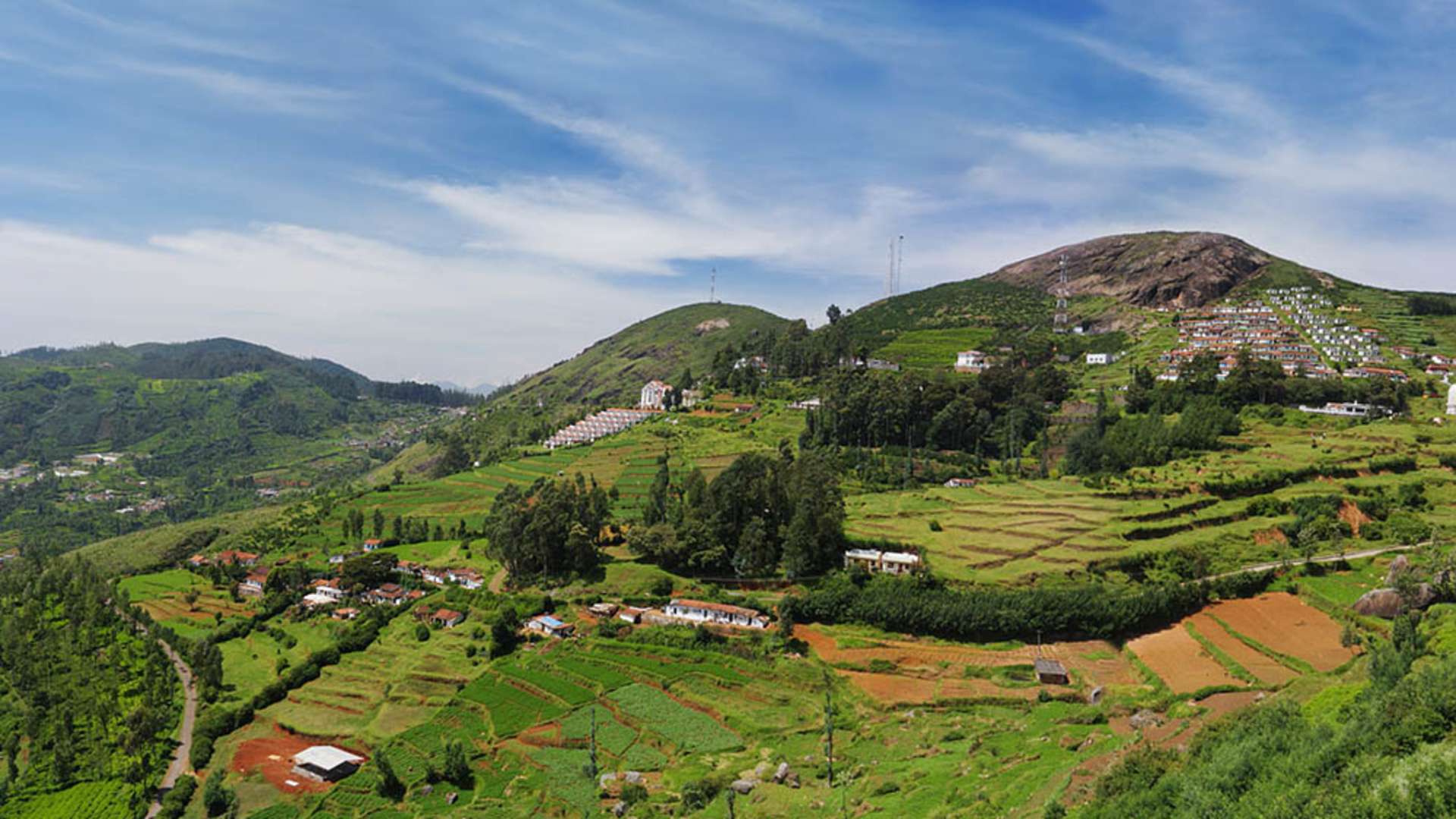
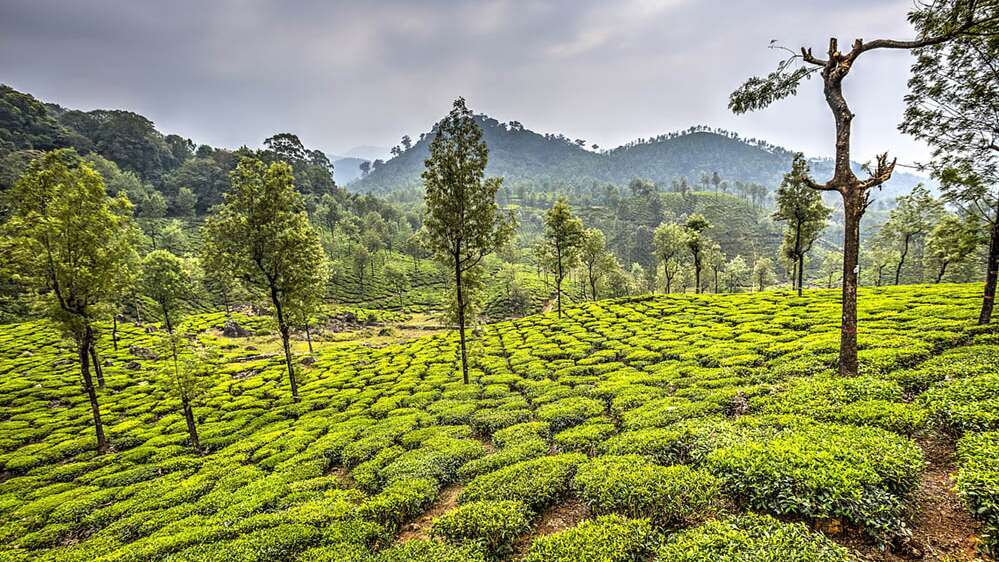
Bid farewell to Mysore as you head into the heart of the mountains. Your first stop is Ooty, ‘Queen of the Hill Stations’, perched 2,240m above sea level in the Nilgiris (or Blue Mountains, named for their hazy bluish tint). This was another summer retreat for the British thanks to its year-round pleasant climate and postcard-pretty scenery, with woodlands, tea plantations and eucalyptus trees covering the slopes. Spend the day relaxing in these peaceful surroundings from your hotel. Overnight at CGH Marli Hill Bungalow.
Day 5
Ooty & Pollachi
After breakfast, you’ll be driven to Ooty station for a true bucket-list experience – a ride on a classic toy train. Ride this heritage railway past forested hills, deep gorges and tea plantations to reach Coonoor, where you’ll be met by your driver and transferred to Pollachi. This tucked-away town in the state of Tamil Nadu is known for its agriculture. Cane sugar, coconuts and livestock are all traded here, with palm forests, rivers and waterfalls peppering the landscapes. Overnight at Coco Lagoon.
Things to do
Toy Train Ride
Chennai & Tamil Nadu
A trip on the Nilgiri Mountain Railway offers incredible scenery, impressive engineering and a real sense of nostalgia. Enjoy the different landscapes as the train travels along the winding narrow-gauge track. There’s always something to see on bo...
Explore Toy Train Ride
Toy Train Ride
Chennai & Tamil Nadu
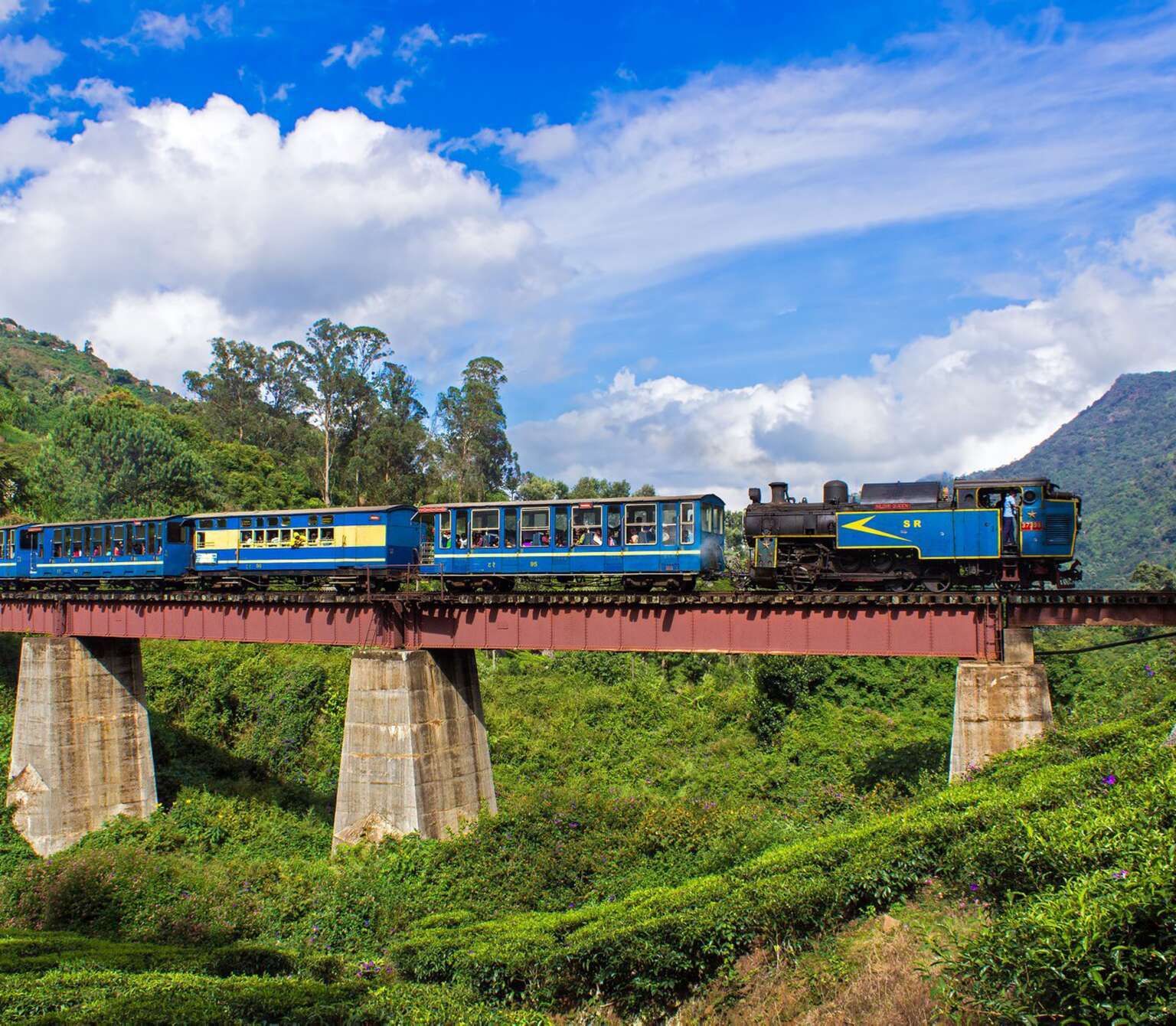
A trip on the Nilgiri Mountain Railway offers incredible scenery, impressive engineering and a real sense of nostalgia. Enjoy the different landscapes as the train travels along the winding narrow-gauge track. There’s always something to see on both sides of the line, and you’ve plenty of time to look at it as the train goes so slowly, especially on the steepest section, which is the only rack and pinion track in India.
The railway operates between Mettupalayam and Ooty, climbing from around 330m to 2200m on the way, and you can feel the temperature change as you go along. At the bottom, there are coconut groves, banana plantations and paddy fields where you can see people working. Soon you’re in the forested hills, with steep rock faces, tunnels, deep gorges and lots of bridges – more than 250 on the 46km journey – and if you’re lucky, you might even catch a glimpse of a monkey or peacock. Towards the top, you will start seeing distant tea plantations and vegetable gardens in the valleys below.
There are some lovely old stations on the route that date from when the British built the railway in 1908. The train stops at a few where passengers can get off, have a chai and take pictures of everything from the views to the blue-and-cream-painted carriages and the vintage steam engine.
Day 6
Pollachi & Madurai
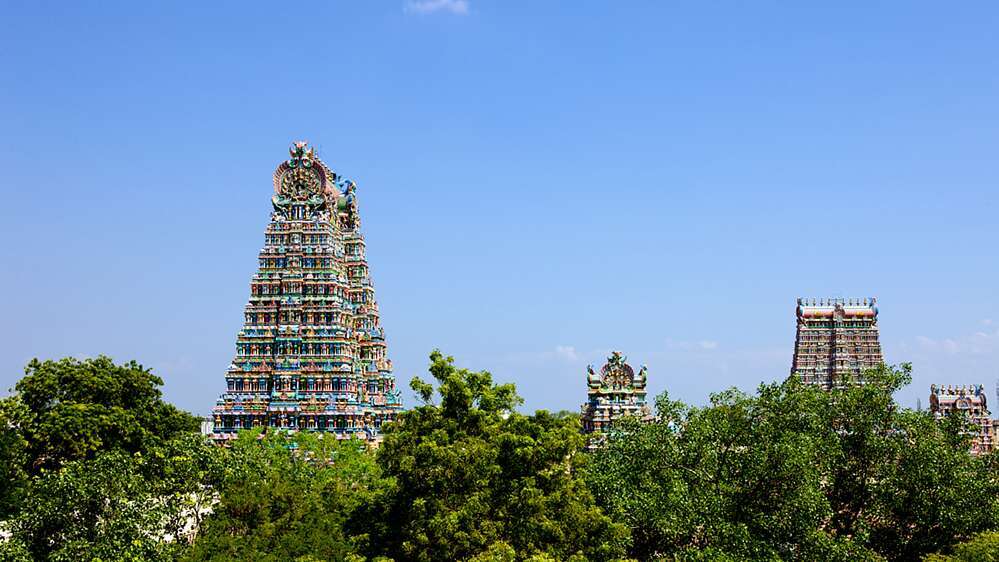
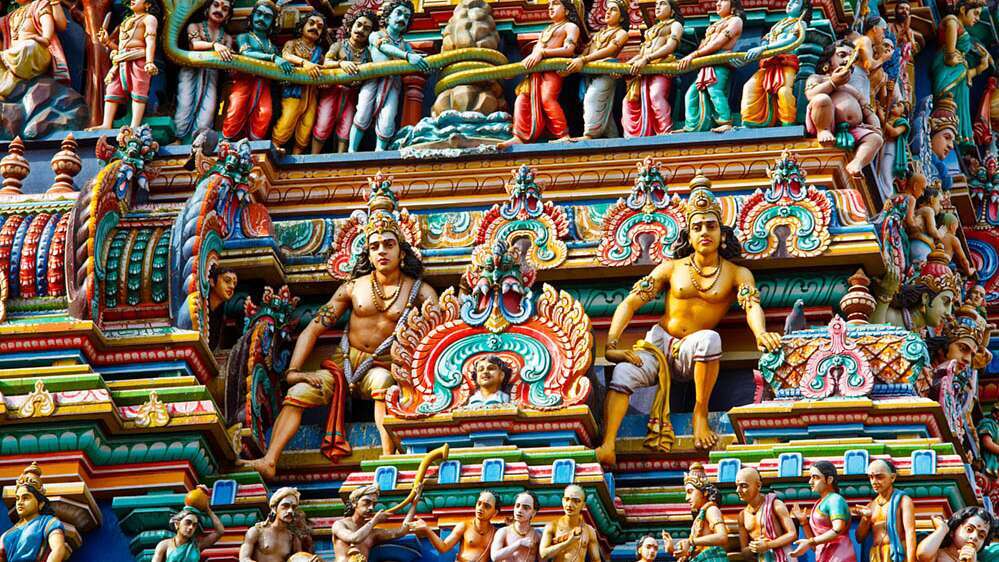
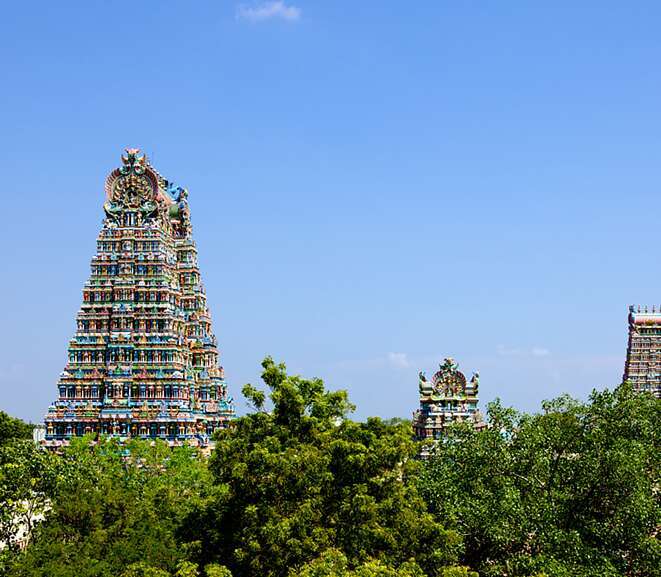
Head further south today to reach the city of Madurai. Set on the banks of the Vaigai River, this picturesque spot has been a bustling market town since at least the second century BC and was the centre of power for several dynasties. It’s also long been considered a seat of divinity, with temples scattered across its streets. Among them is the Meenakshi Temple, known for its brightly coloured sculptures and multi-tiered towers. On arrival you’ll have time to take in the city or relax at the hotel. Overnight at Heritage Madurai.
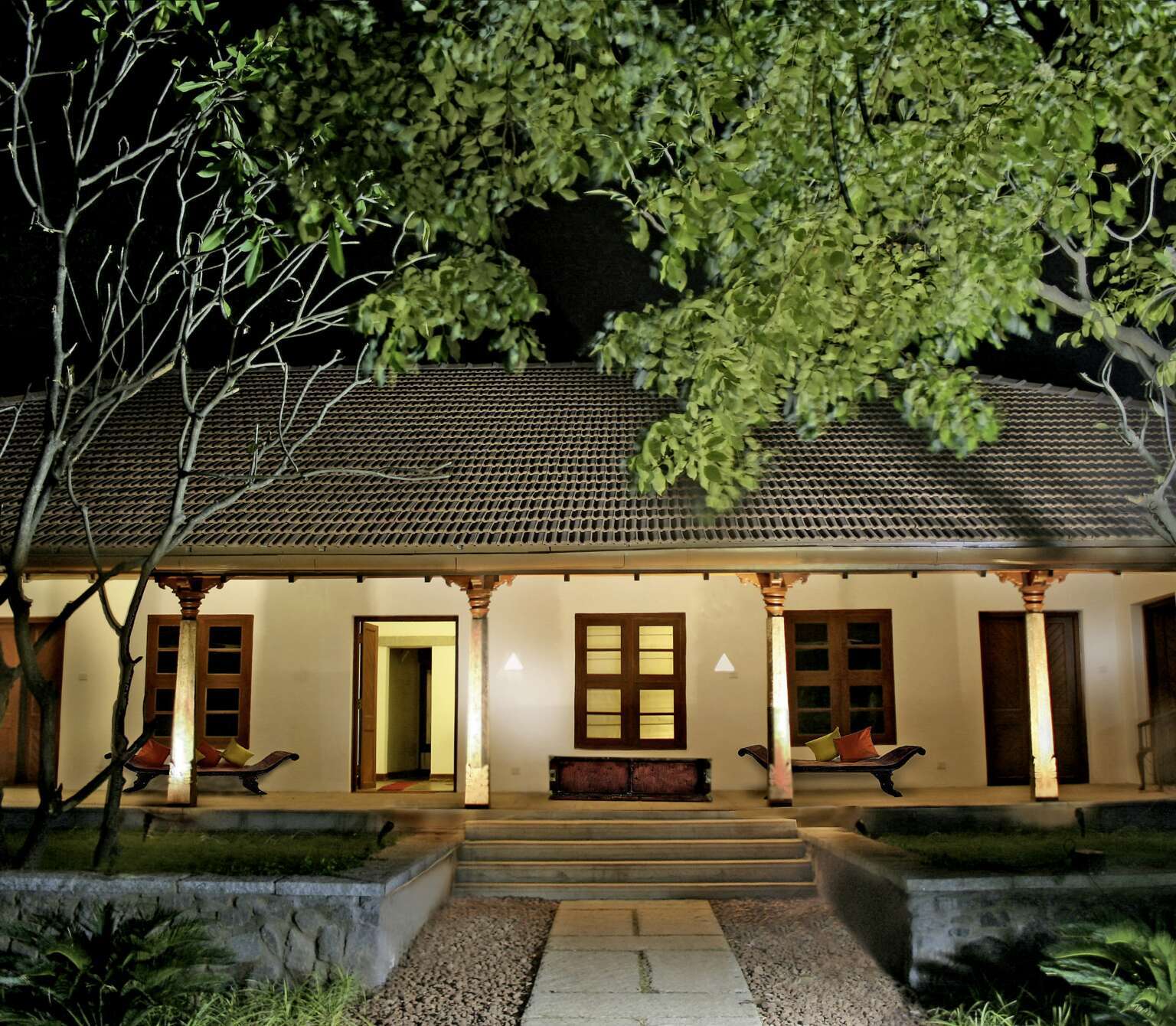
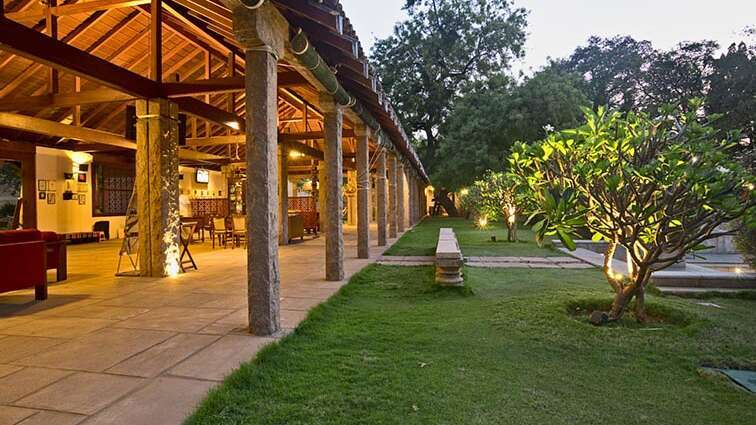
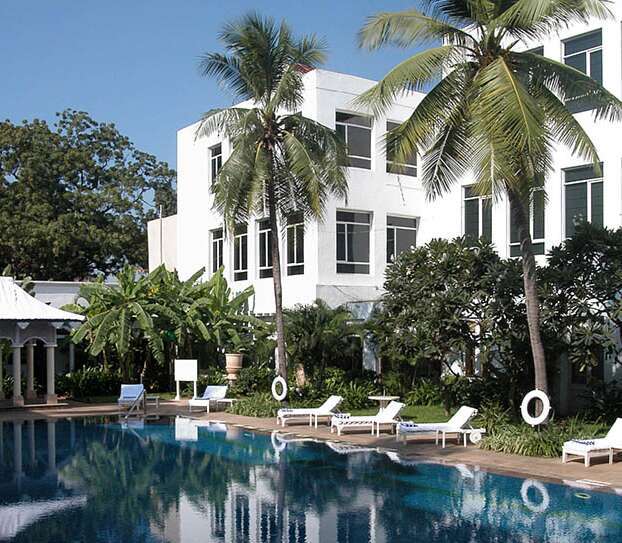
Heritage Madurai is spread over 17 acres of grounds filled with trees which provide shade on the hottest days.
Day 7
Madurai
Delve into the history of Madurai today with an optional tour taking in its ancient myths and stories or uncover another side to the city with a culinary tour. Alternatively venture out to see its temples and markets on your own terms. Unmissable is Meenakshi Temple, known for its brightly coloured sculptures and multi-tiered towers, and the pillared Thirumalai Nayak Palace, built by a 17th-century king. Overnight at Heritage Madurai.
Things to do
Foodie Tour
Chennai & Tamil Nadu
Madurai has been inhabited continuously for two or three thousand years, so has a very strong food culture. There are influences from the time of the Pandyas, the Nayaks and the Mughals, which has produced a fascinating mixture of cuisines that yo...
Explore Foodie Tour
Once Upon a Madurai
Chennai & Tamil Nadu
Once Upon a Madurai takes guests through the by-lanes of old Madurai on foot as the storyteller shares tales about history, mythology and customs. It takes you back 2,000 years to when the gods are said to have walked on Earth, and to the kings wh...
Explore Once Upon a Madurai
Foodie Tour
Chennai & Tamil Nadu
Madurai has been inhabited continuously for two or three thousand years, so has a very strong food culture. There are influences from the time of the Pandyas, the Nayaks and the Mughals, which has produced a fascinating mixture of cuisines that you don’t get anywhere else in Tamil Nadu.
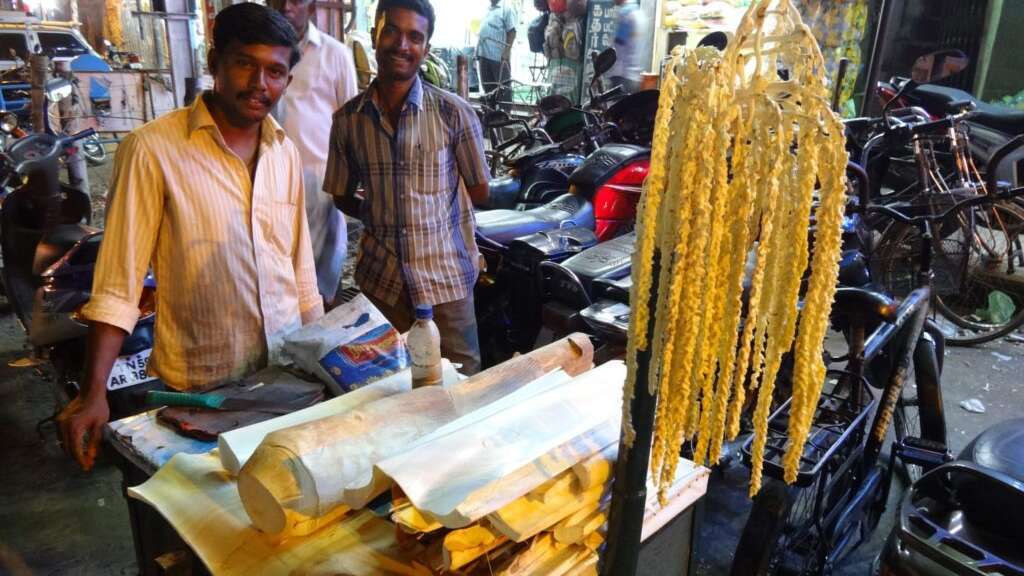
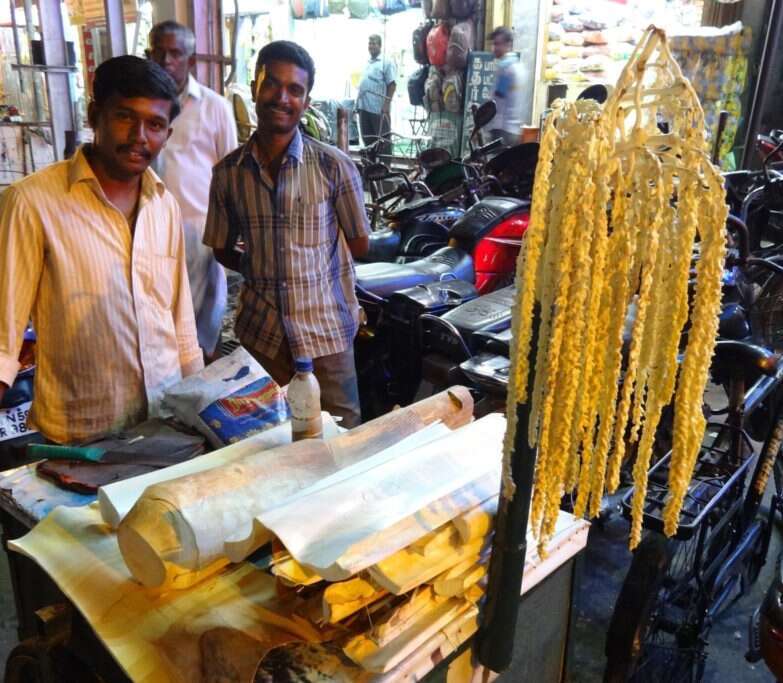
Walking through the heart of the city you will get to areas such as Vilakuthoon where there’s a small cart selling paruthi paal – cottonseed milk – which is a sweet, spicy hot drink, a bit like porridge, that you get only in Madurai. Wander through the bazaar to see all the spices that are being sold there and check out some of the local food shops, many of which have been owned by the same family for decades. There’s a particularly quaint one that sells adhirasam, a traditional Tamil sweet that is made for all of our festivals, such as Diwali and Pongal. They serve it hot and crispy right from the stove, so it couldn’t be fresher. One speciality of Madurai is the kari dosa, which is topped with meat and eggs and is super-flavourful. Exploring the city through its food is an enjoyable way to get to know some of its history and some of its places – every street and every corner has a story to tell and there’s often a foodie connection.
Once Upon a Madurai
Chennai & Tamil Nadu
Once Upon a Madurai takes guests through the by-lanes of old Madurai on foot as the storyteller shares tales about history, mythology and customs. It takes you back 2,000 years to when the gods are said to have walked on Earth, and to the kings who built some of the monuments that you still see today and to Gandhi and his experiences in the city.
The city has a lot of character and life, and your guide will share many stories that will give you an insight into Madurai. You will pass by a shop that sells the different coloured powders that people put on their foreheads and explain why they wear the pottu. You will pass a Jain temple where you will see people going in and out in their traditional clothes. This tour showcases the charm and spirit of Madurai and its people.
Heritage Madurai is spread over 17 acres of grounds filled with trees which provide shade on the hottest days.
Day 8
Madurai & Rameshwaram
Leave the myths of Madurai behind this morning as you head to Rameshwaram, set on Pamban Island just off the mainland and one of India’s holiest sites. Discover the myriad cultural sites that stud the town independently or opt for a full-day city tour to uncover its history. Tonight, you’ll be staying at a local guest house owned by a kitesurfer who fell in love with the region. Overnight at Residency Tower.
Things to do
Rameshwaram - full day city tour
Rameshwaram
Although lesser explored by foreign visitors, Rameshwaram, also known as Pamban Island, is one of India’s most beautiful religious sites and one of the four holiest places in the country that a Hindu must visit in his or her lifetime. Until 1918, ...
Explore Rameshwaram - full day city tour
Rameshwaram - full day city tour
Rameshwaram
Although lesser explored by foreign visitors, Rameshwaram, also known as Pamban Island, is one of India’s most beautiful religious sites and one of the four holiest places in the country that a Hindu must visit in his or her lifetime. Until 1918, people could only visit this island via boat but now you can take a train ride on a narrow, hundred-year-old bridge.
On the other side of Rameshwaram, around 40km away, lies Mannar Island in Sri Lanka. The legend goes that Lord Rama, a Hindu deity, built a passage between the two with the help of his army of monkeys in order to rescue his abducted wife, Sita. So around 500 years ago you could walk from India to Sri Lanka. However, a cyclone hit washing away most of the strait leaving behind only a string of coral islands.
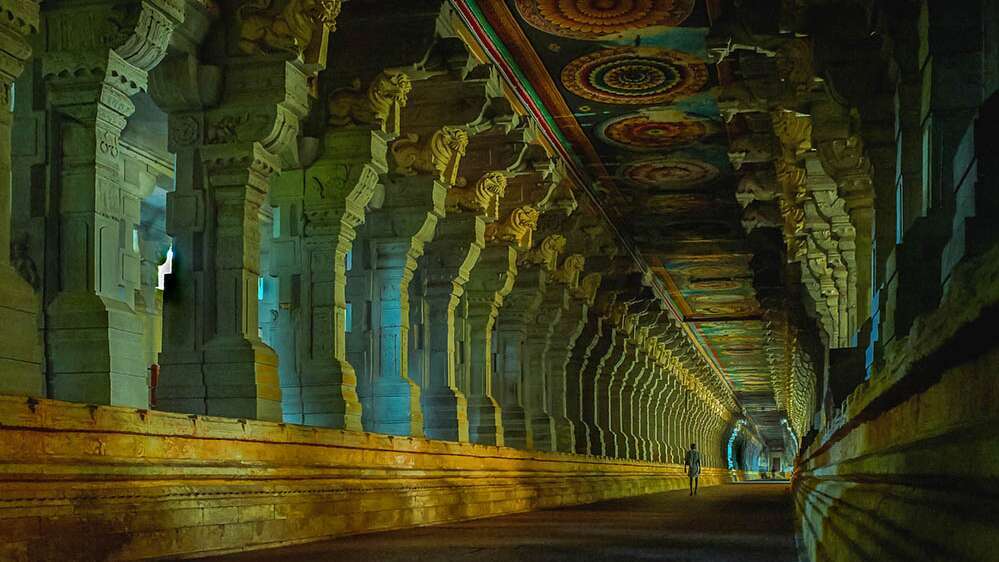
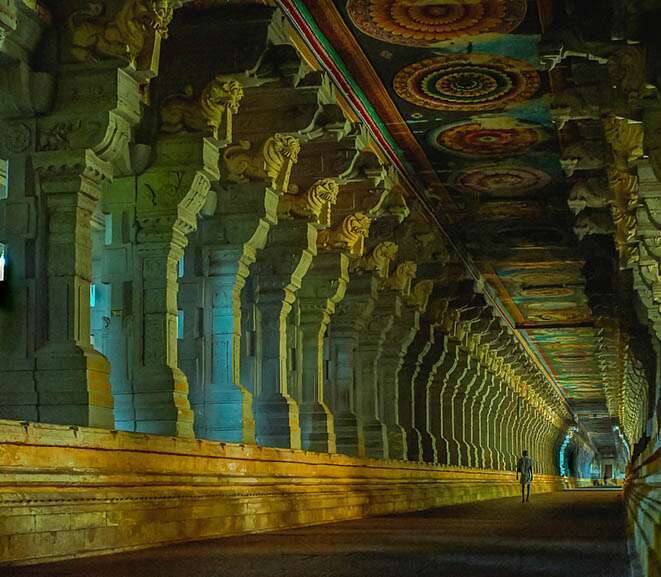
Rameshwaram’s principal temple, Ramanathaswamy, was built in dedication to Lord Shiva by the 12th-century Jaffna rulers. Later in the 16th and 17th centuries, the Sethupathi Kings who came from Hampi, made many additions such has the colourful corridors, the longest in all of India’s Hindu temples.
After lunch (own expense) visit Dhanushkodi, on the tip of the island and a real ghost town as no one lives there. Its inhabitants were tragically washed away by the same cyclone that demolished the passage to Sri Lanka with seven-metre-high waves. Today you can see a railway station, a post office and a few shops.
Day 9
Rameshwaram & Chettinad
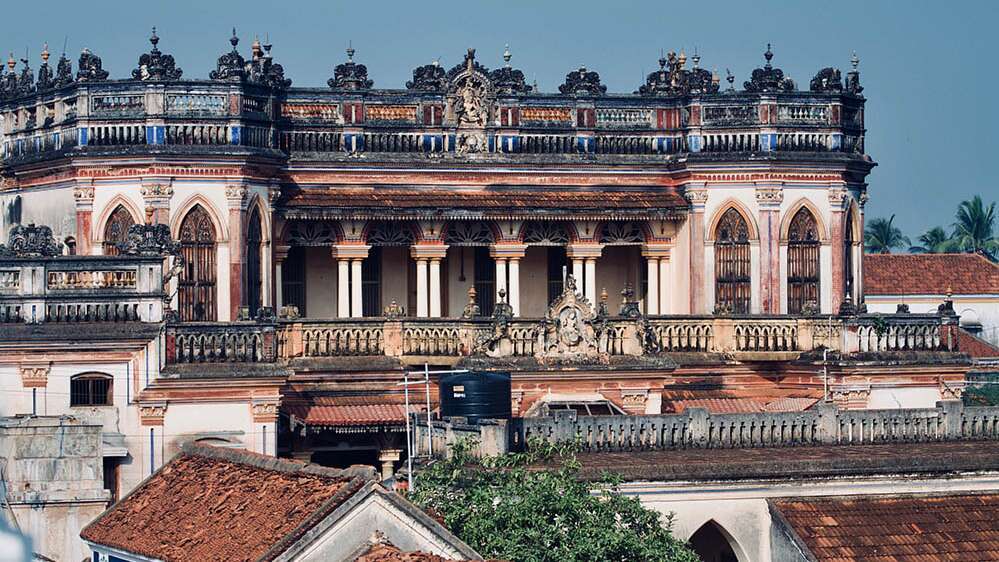
The cultural explorations continue this morning with a visit to the region of Chettinad, spread across 75 villages dating back several centuries. This is one of South India’s best-known spots thanks to its opulent architecture and exceptional food, with marble-built relics in blue, green, and violet scattering the region. Sample local cuisine with an optional Chettinadu cooking lesson or take it easy at your hotel, an Art Deco mansion built by a Chettiar merchant. Overnight at Visalam.
Things to do
Cooking Lesson at the Bangala
The Bangala is in Chettinad region and is known for its rich heritage: mansions, temples and, of course, the food. The Bangala was a homestay before it became a small heritage hotel. Here homely typical Chettinad food is served. During this cooker...
Explore Cooking Lesson at the Bangala
Cooking Lesson at the Bangala
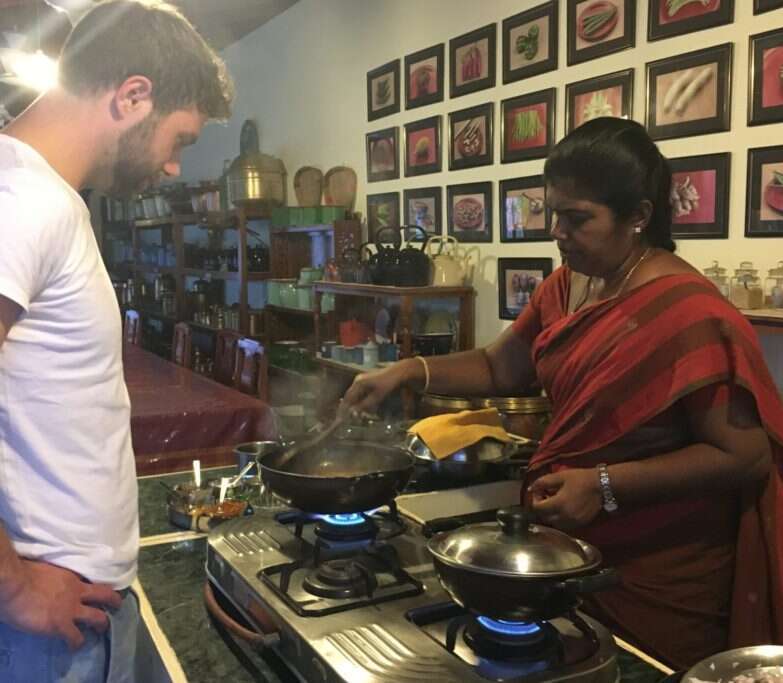
The Bangala is in Chettinad region and is known for its rich heritage: mansions, temples and, of course, the food. The Bangala was a homestay before it became a small heritage hotel. Here homely typical Chettinad food is served. During this cookery course four dishes are created using traditional recipes passed down from generation to generation.
Everything, even the basic sauces, is cooked from scratch using whatever ingredients are the best at the market that day. The spices are ground on stone in the traditional way.
Because of the time constraints, most of the preparation is done beforehand, but guests are shown various ingredients and briefed on how to prepare them. Recipes are provided to follow along. After the introduction, guests assist cooking the various dishes, and at the end, there’s that all important tasting session. There’s a vegetarian dish and a meat one, a rice dish and a dry dish to make a complete meal and one that people can easily recreate later for their friends and family. The food is full of flavour, not too spicy and simple to cook.
Built in 1939 in Art Deco style by a Chettiar merchant as a wedding present for his daughter, Visalam still has the charm of a family home.
Day 10
Chettinad & Kumbakonam
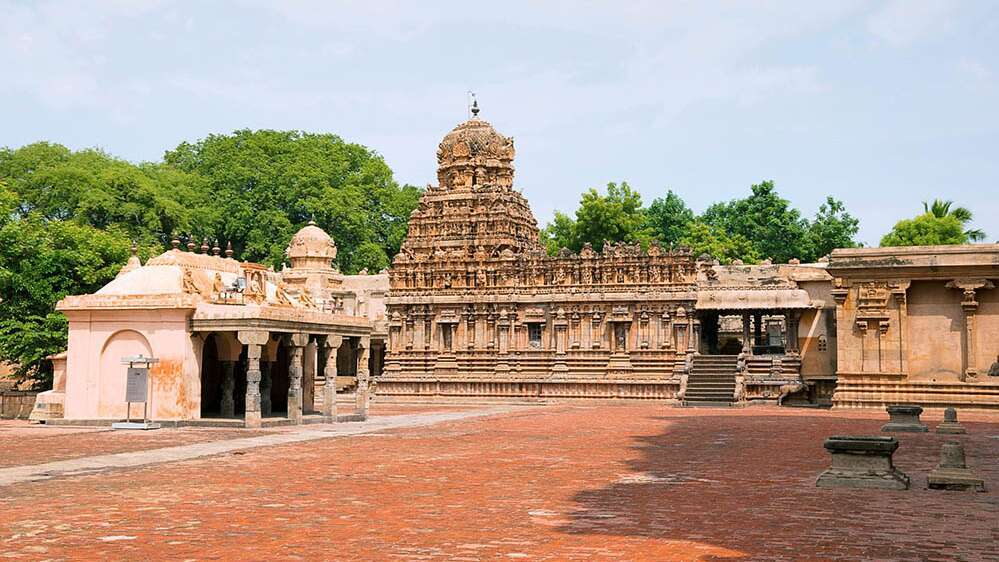
Today you will travel to Kumbakonam stopping enrute at Tanjore (or Thanjavur) this morning to discover another part of Tamil Nadu, considered the ‘city of temples’. Here you’ll find the Brihadishvara Temple, a UNESCO-listed structure dating to the 11th century, as well as an elaborate royal palace. Arrive at Kumbakonam. Overnight at Mantra Koodam.
Day 11
Kumbakonam & Pondicherry
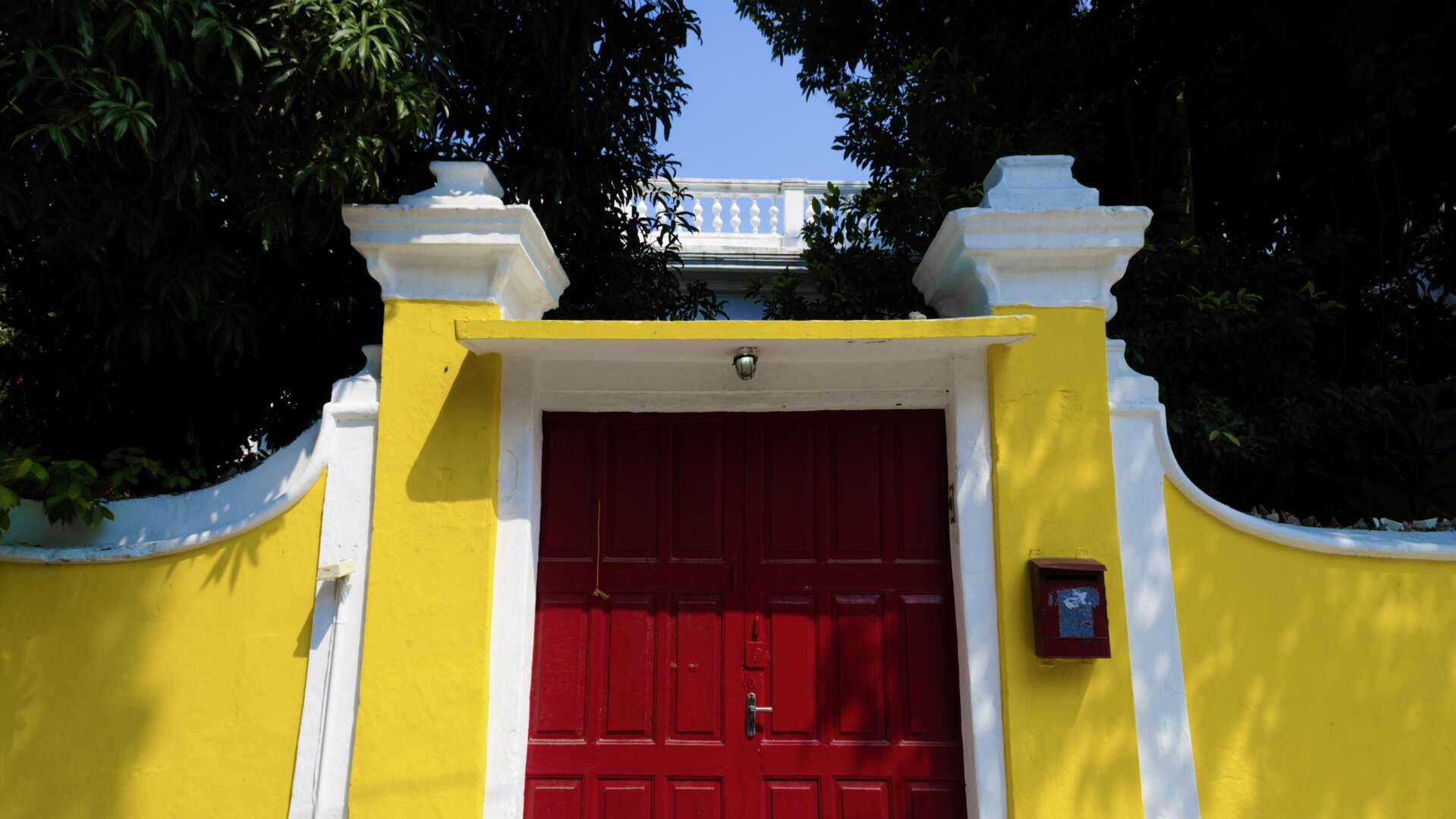
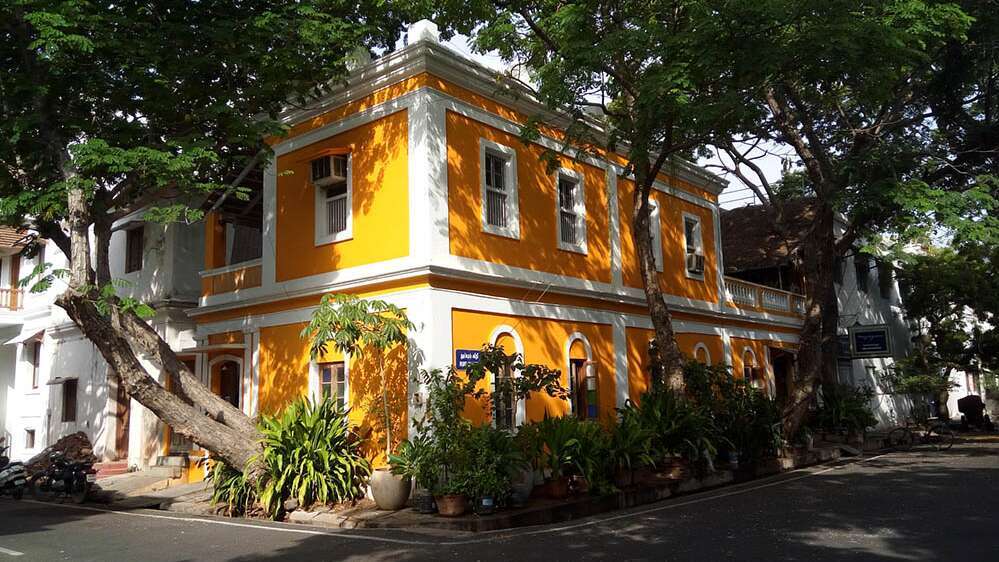
You’ll be driven to the Bay of Bengal today to reach Pondicherry, a laid-back seaside town that was once the capital of French colonies in India. Today the influence is felt in everything from the cuisine to the architecture – best-seen in the historic French quarter, where bougainvillea-clad villas line leafy streets. The day is free to enjoy; you might choose to try your hand at Creole cuisine with an optional cooking workshop, or head to the beach for some well-earned downtime. Overnight at Palais De Mahé.
Things to do
Creole Cooking Class
Chennai & Tamil Nadu
The food in Pondicherry is unique, a fusion of French and Tamil traditions that’s very much part of its cultural identity. During this cooking class you will get to learn what Creole food is, what makes it different and how to prepare it. It’s a r...
Explore Creole Cooking Class
Creole Cooking Class
Chennai & Tamil Nadu
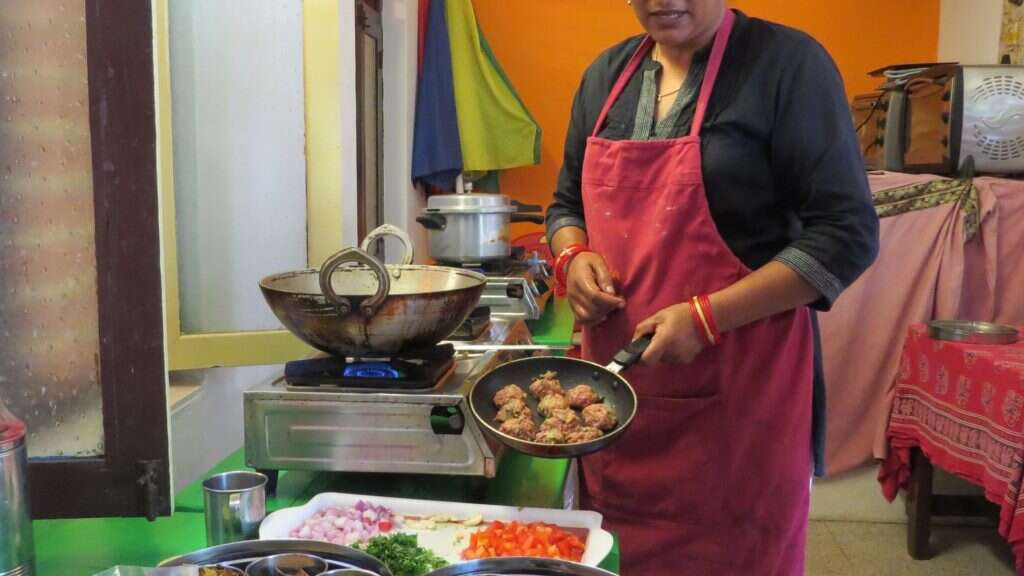
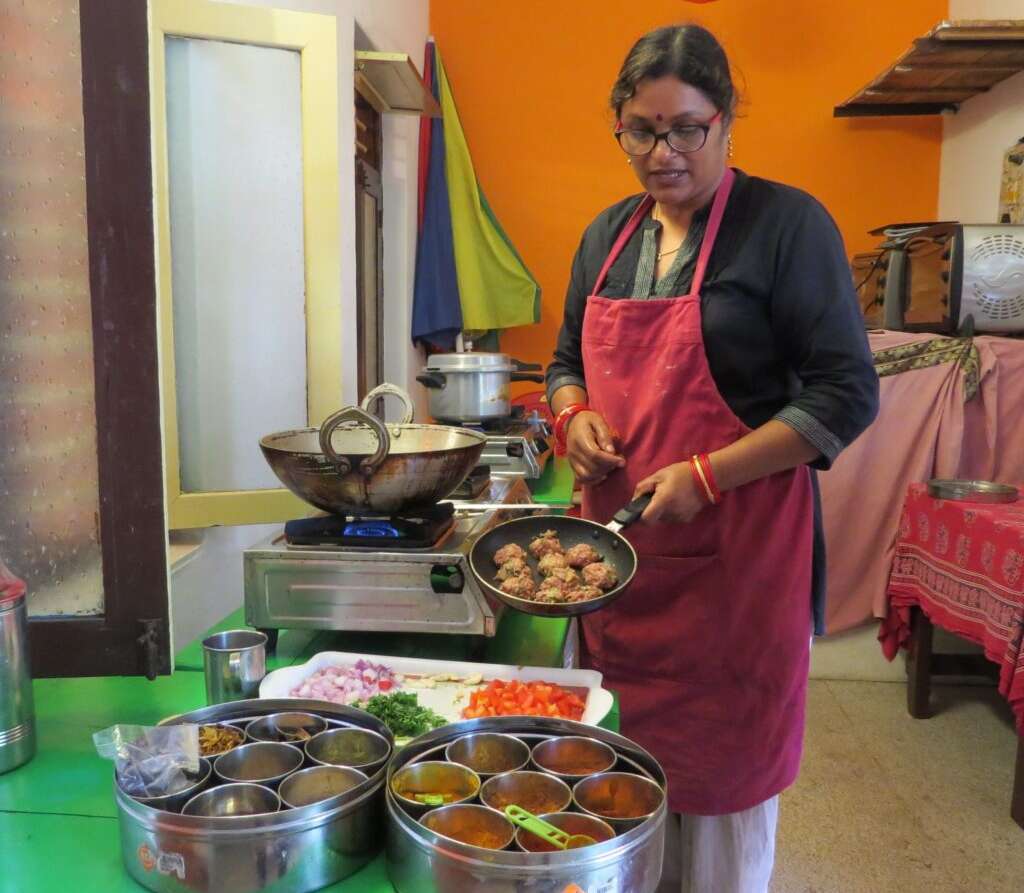
The food in Pondicherry is unique, a fusion of French and Tamil traditions that’s very much part of its cultural identity. During this cooking class you will get to learn what Creole food is, what makes it different and how to prepare it. It’s a really hands-on experience.
After an introduction to the story of how Creole cuisine came about, you will talk about the dishes that you’re going to prepare together. A lot of them are based around mutton, such as meatballs cooked with coconut milk, curry leaves or deep-fried chops in chickpea batter flavoured with fennel seeds. If people prefer, vegetarian or chicken options can be prepared.
Start by washing and chopping the vegetables – typically beetroot, potatoes, carrots, onions and tomatoes, plus ginger and garlic – and soaking them in vinegar or turmeric water as a disinfectant. Then start to make the sauces and cook the meat, spices and vegetables and prepare something like a beetroot and egg salad. The last thing that is made is the Rava cake, which is made with semolina. Finally, as you sit and eat all the delicious things you’ve made, there is a chance to ask any final questions to your host.
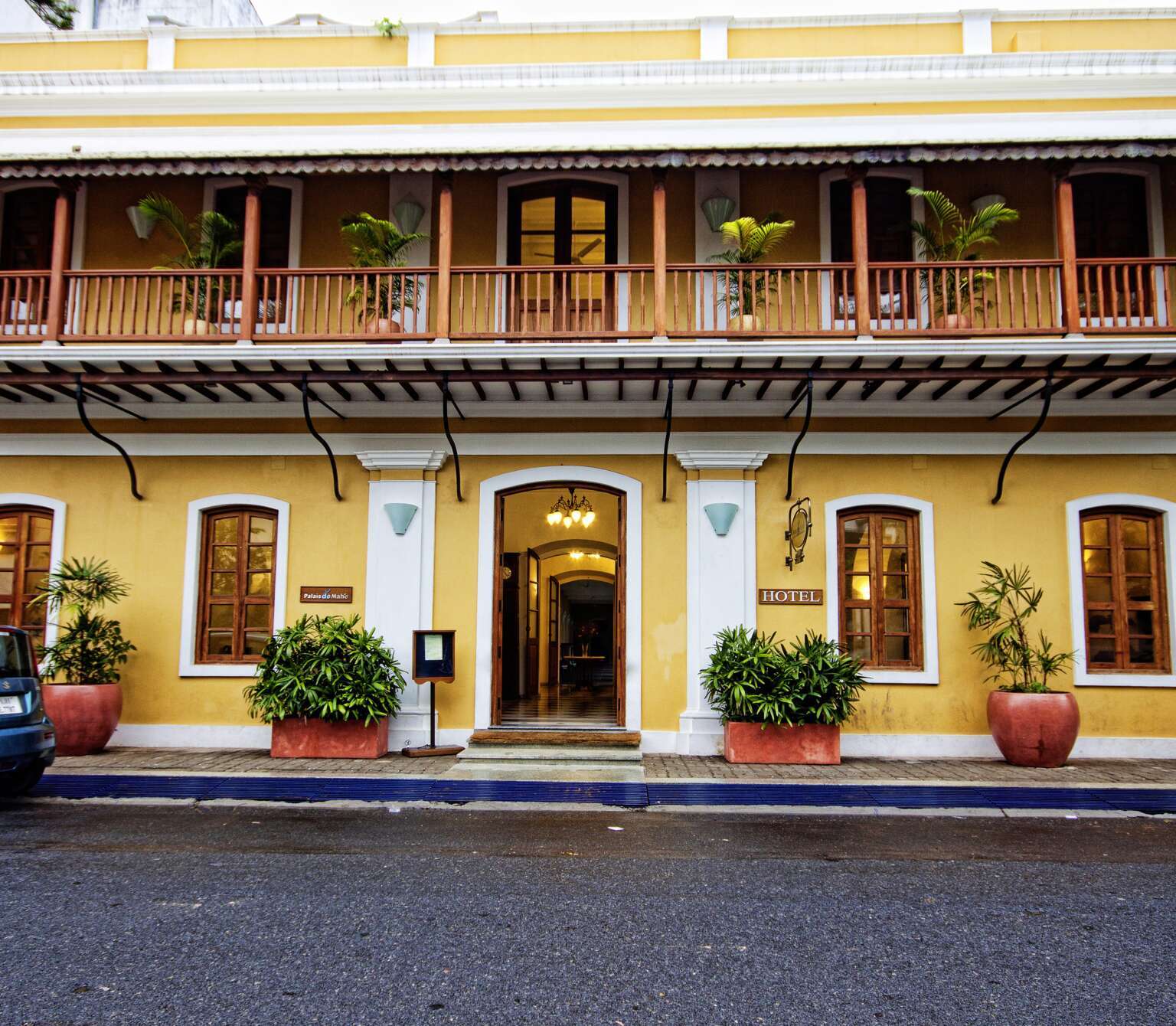
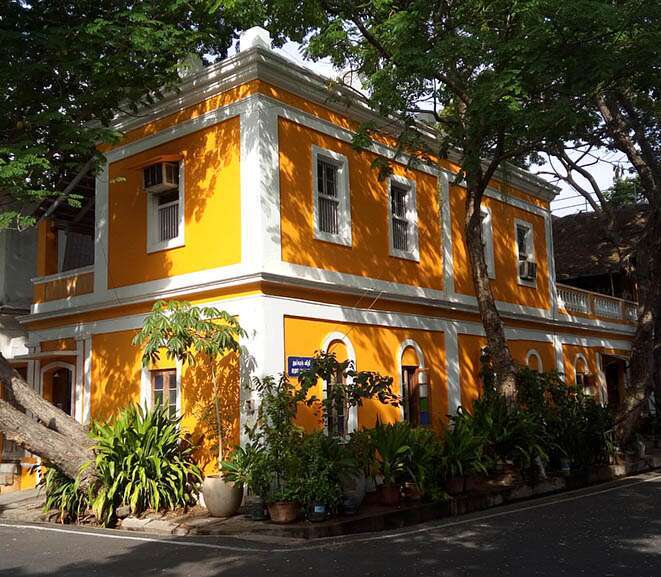
Enjoy a wonderful homestay experience in the heart of Pondicherry’s French enclave, where the owners provide a warm welcome to guests.
Day 12
Pondicherry
You’ll have a full day in Pondicherry today with several fascinating experiences to choose from. Explore the French Quarter on a guided heritage walk or see the town on two wheels, passing the Tamil Quarter, Muslim Quarter and various historic sites by bike. If you fancy venturing further afield, an optional tour will take you to the village of Kizhur to see farmers, brick-makers, and a local potter at work, with the chance to have a go at clay sculpting yourself. Overnight at Palais De Mahé.
Things to do
Kizhur Village Visit
Chennai & Tamil Nadu
The countryside beyond Pondicherry has so many stories and this tour was created to show guests something of the way of life, the history and the natural beauty. Kizhur is not only authentic, but it’s actually an important place in the story of ho...
Explore Kizhur Village Visit
Wake-up Pondi Cycling Tour
Chennai & Tamil Nadu
Bicycle is a perfect way to explore the heart of Pondicherry as you can go along the smallest and quietest of lanes, see the small details you’d miss from a car or bus and really experience the sights, sounds and smells of the town in the cool of ...
Explore Wake-up Pondi Cycling Tour
Pondicherry's French Quarter Walking Tour
Chennai & Tamil Nadu
Pondicherry holds so many fascinating secrets that you’d miss if you walked around by yourself. The British conquered a massive part of India, however Pondicherry was ruled by the French, so the whole ambience and culture is completely different. ...
Explore Pondicherry's French Quarter Walking Tour
Kizhur Village Visit
Chennai & Tamil Nadu
The countryside beyond Pondicherry has so many stories and this tour was created to show guests something of the way of life, the history and the natural beauty. Kizhur is not only authentic, but it’s actually an important place in the story of how Pondicherry got its freedom.
You will start at the Kizhur Monument, which commemorates the signing of an agreement in 1954 to make the territory a part of India instead of a colony of France.
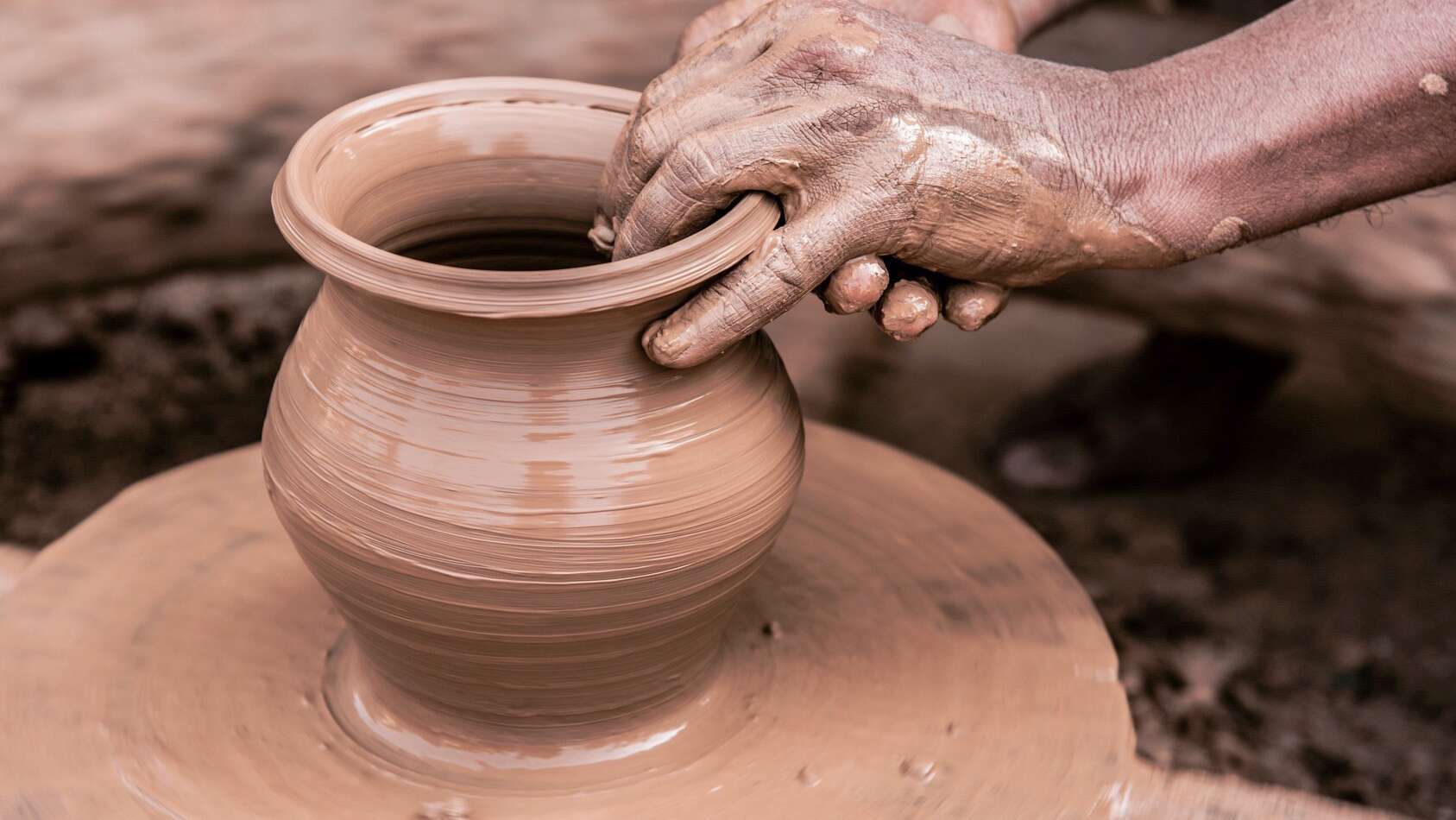
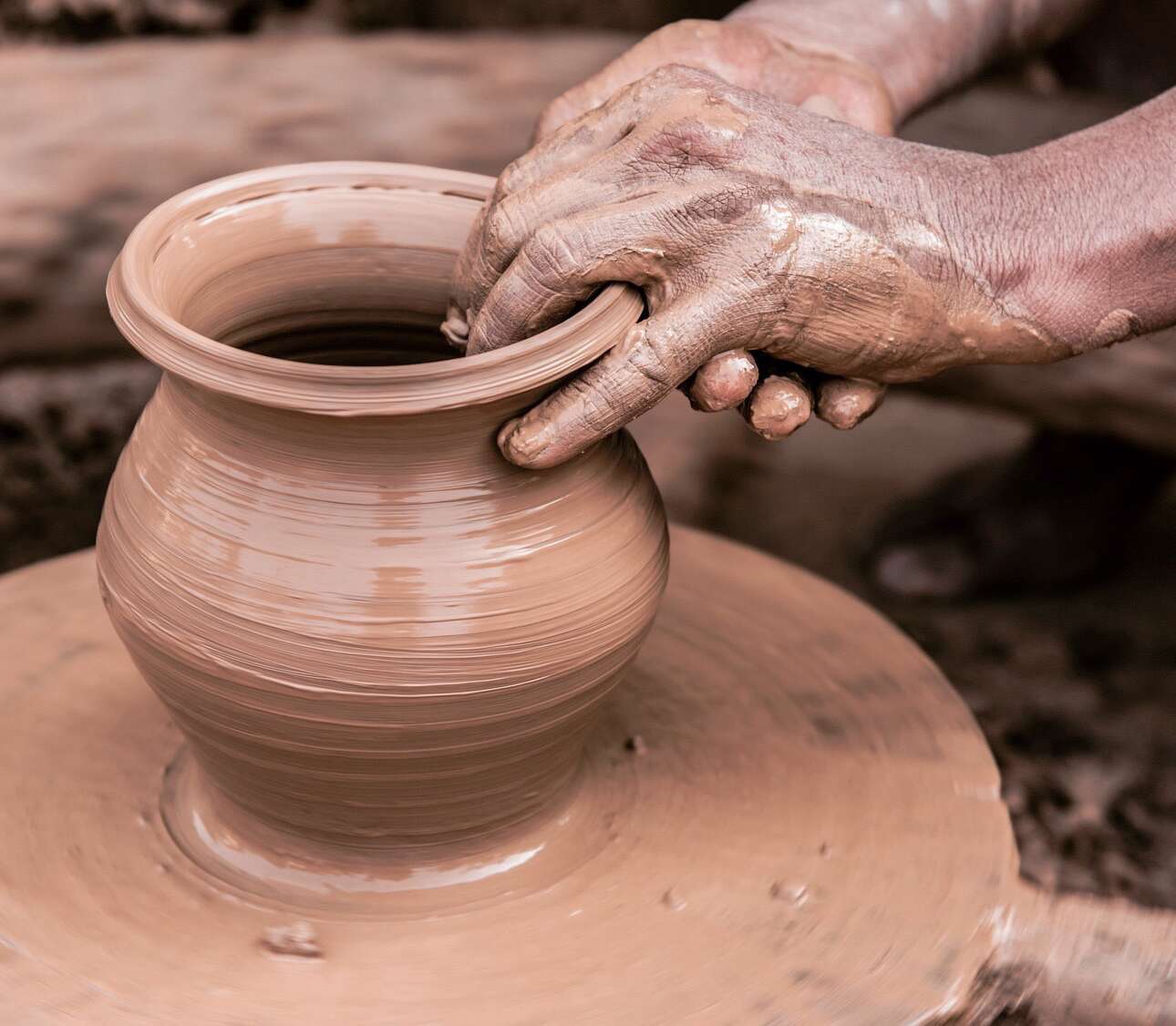
Not far from Kizhur, there’s a huge 60-year-old banyan tree that’s been looked after by the same woman for more than 50 years. Its main claim to fame is that it was one of the locations for The Life of Pi film. You will then head into the village to discover how people go about their daily routines. You will visit the house of someone who still makes pottery in the traditional way and you can try creating something for yourself. Walk through the village and see farmers working in the fields growing tapioca or guavas. Visit a coconut grove to watch how the locals pick the fruit. You can also ride in a bullock cart and watch the cows being milked.
Perhaps the most unusual sight for visitors is the nearby temple, which is called ‘a temple of dolls’. It’s surrounded by brightly coloured statues that people have been putting there for around 100 years when their prayers to Ayyanar, the village deity, come true. It’s quite a unique feeling walking among them as there are around 10,000, some of which are as much as 10 feet tall.
Wake-up Pondi Cycling Tour
Chennai & Tamil Nadu
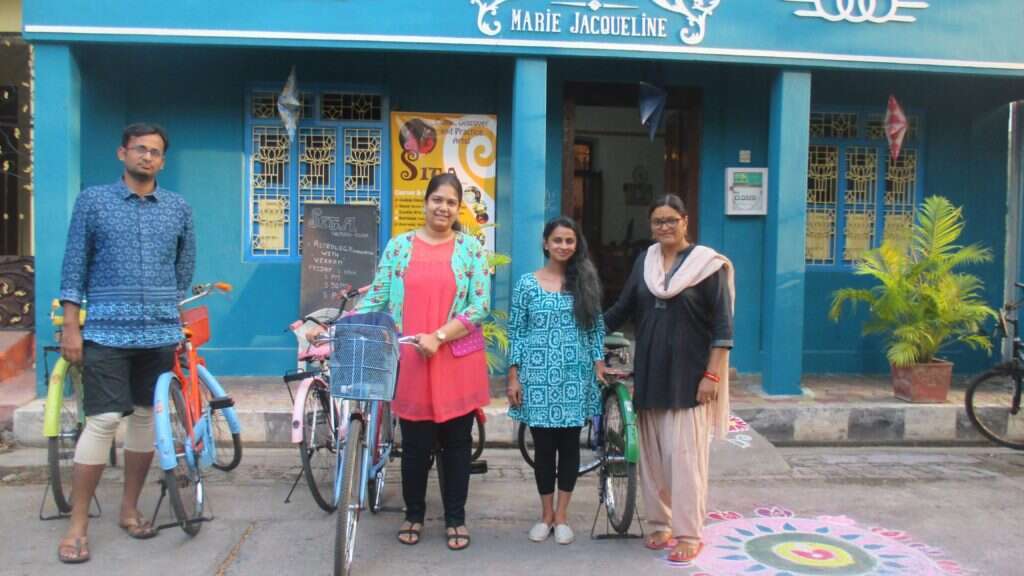
Bicycle is a perfect way to explore the heart of Pondicherry as you can go along the smallest and quietest of lanes, see the small details you’d miss from a car or bus and really experience the sights, sounds and smells of the town in the cool of the morning.
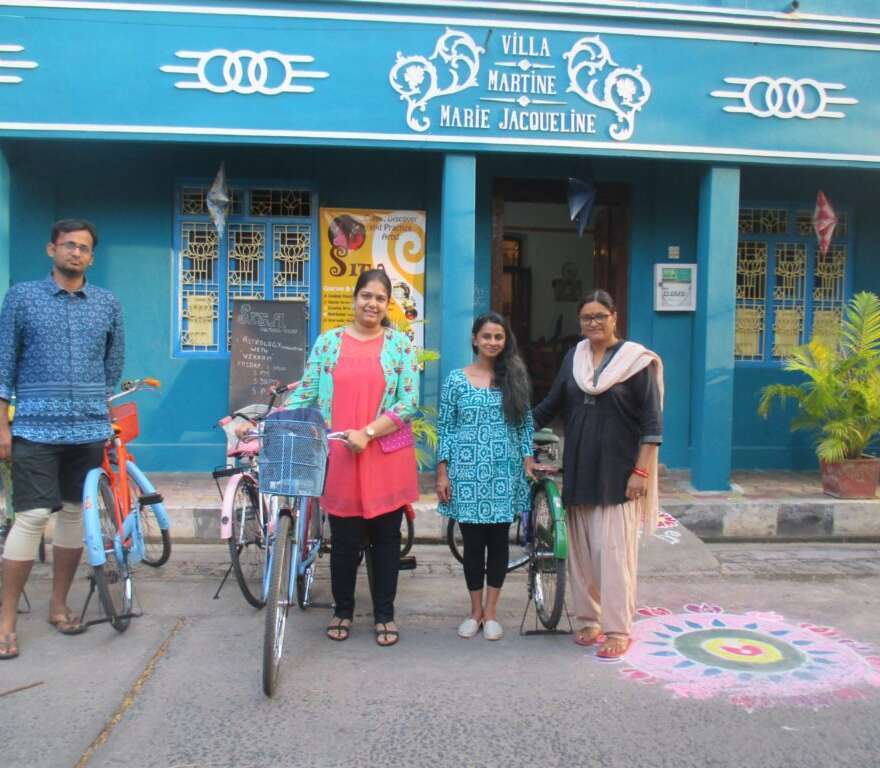
During this relaxed guided two-hour ride, you will visit all four heritage districts – the Muslim, Indian, Sri Aurobindo ashram and French quarters. There will be lots of photo stops. Visit Goubert Market, where there are vendors selling everything from fruit and vegetables to flowers and fish. You will also explore Kuruchikuppam village, where the fishermen live. Visit the basilica church and also see the mosque where The Life of Pi was filmed and a Hindu temple dedicated to Ganesh. The main sight in the ashram area is a modernist building created by a Tokyo-based Czech architect.
You will be cycling on vintage cycles as they’re very strong and comfortable that have been beautifully decorated in bright colours so don’t be surprised if the locals stop and take your photo.
Pondicherry's French Quarter Walking Tour
Chennai & Tamil Nadu
Pondicherry holds so many fascinating secrets that you’d miss if you walked around by yourself. The British conquered a massive part of India, however Pondicherry was ruled by the French, so the whole ambience and culture is completely different. There is the Tamil Quarter as well as the French Quarter, and they’re equally important, so you have to visit both to get a clear picture of this town.
There’s the beautiful French colonial architecture, which has nothing to do with the French architecture in France. On this three-hour walking tour you will be taken along the promenade and shown some of the French houses and explain their unique design. Then you will be taken to the Indian side where it will be explained how they’re built and why, which involves a combination of science, superstition and religion.
The town’s spiritual side is just as eclectic. You will visit its most famous temple, dedicated to Ganesha; visit the renowned ashram; and to a couple of churches. Along with the sights, there’s a lot of storytelling to help people understand something of the ethos of Pondicherry. A stop will be made for a coffee, a South Indian filter coffee made with chicory and coffee and served in a bowl with a small glass. It’s just coffee, so simple, but it brings together the French and Indian influences and is a classic South Indian experience.
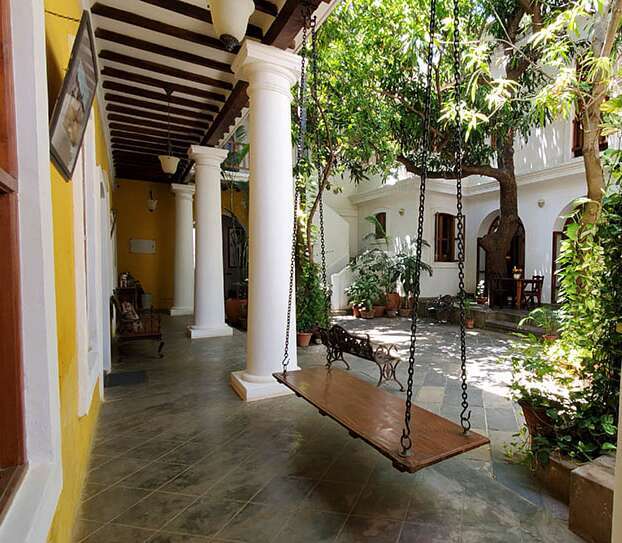
Palais de Mahe is located in the heart of Pondicherry’s French Quarter and just a short stroll to the sea front.
Day 13
Pondicherry & Mahabalipuram
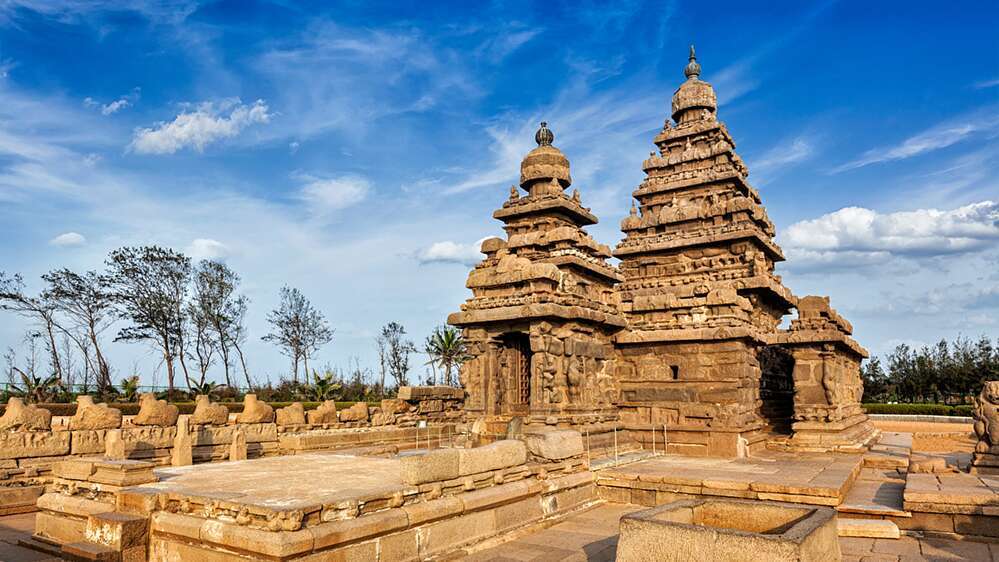
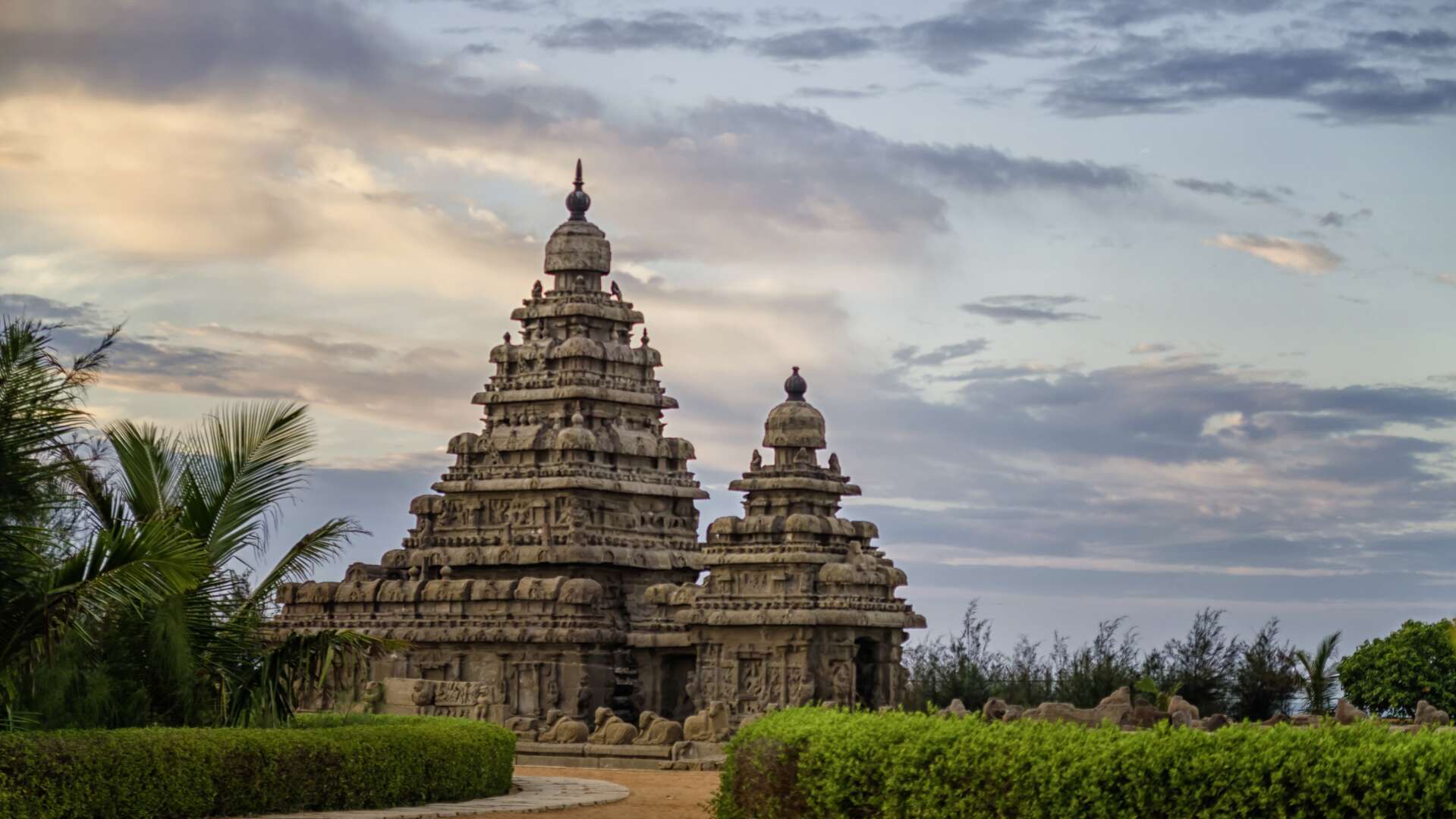
Travel to Mahabalipuram this morning. Sandwiched between the bay and the Great Salt Lake, this beachside town has been a centre of stone carving for at least 1,400 years. Head out to admire its rock-cut temples, monolithic shrines and other historic monuments or check out the beach, now a hotspot for surfers. Overnight at Taj Fisherman's Cove.
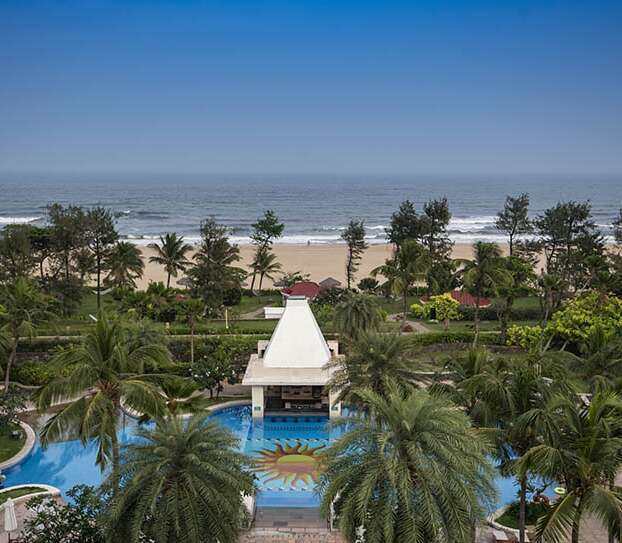
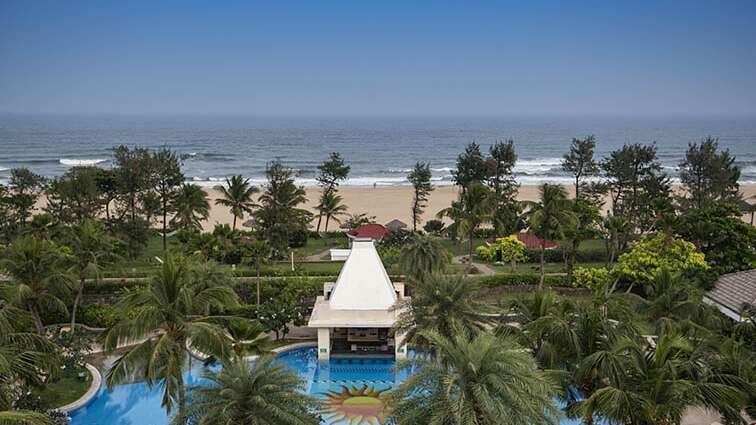
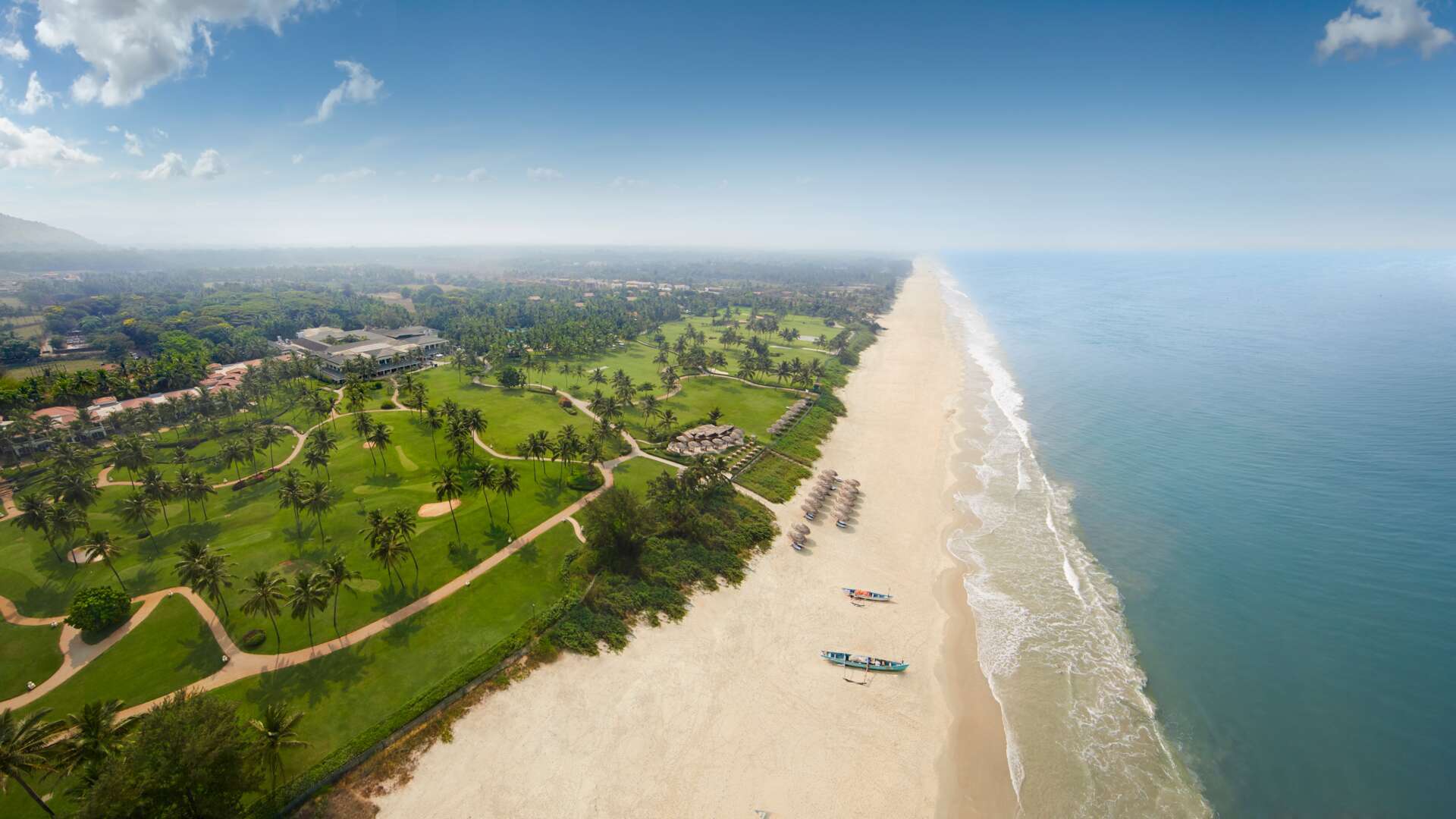
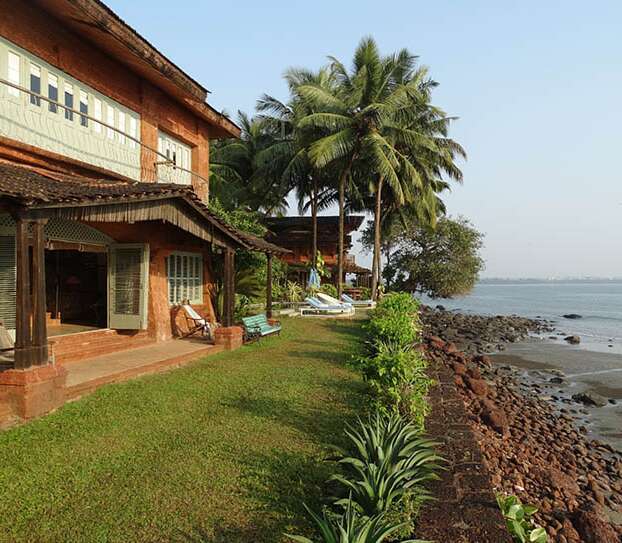
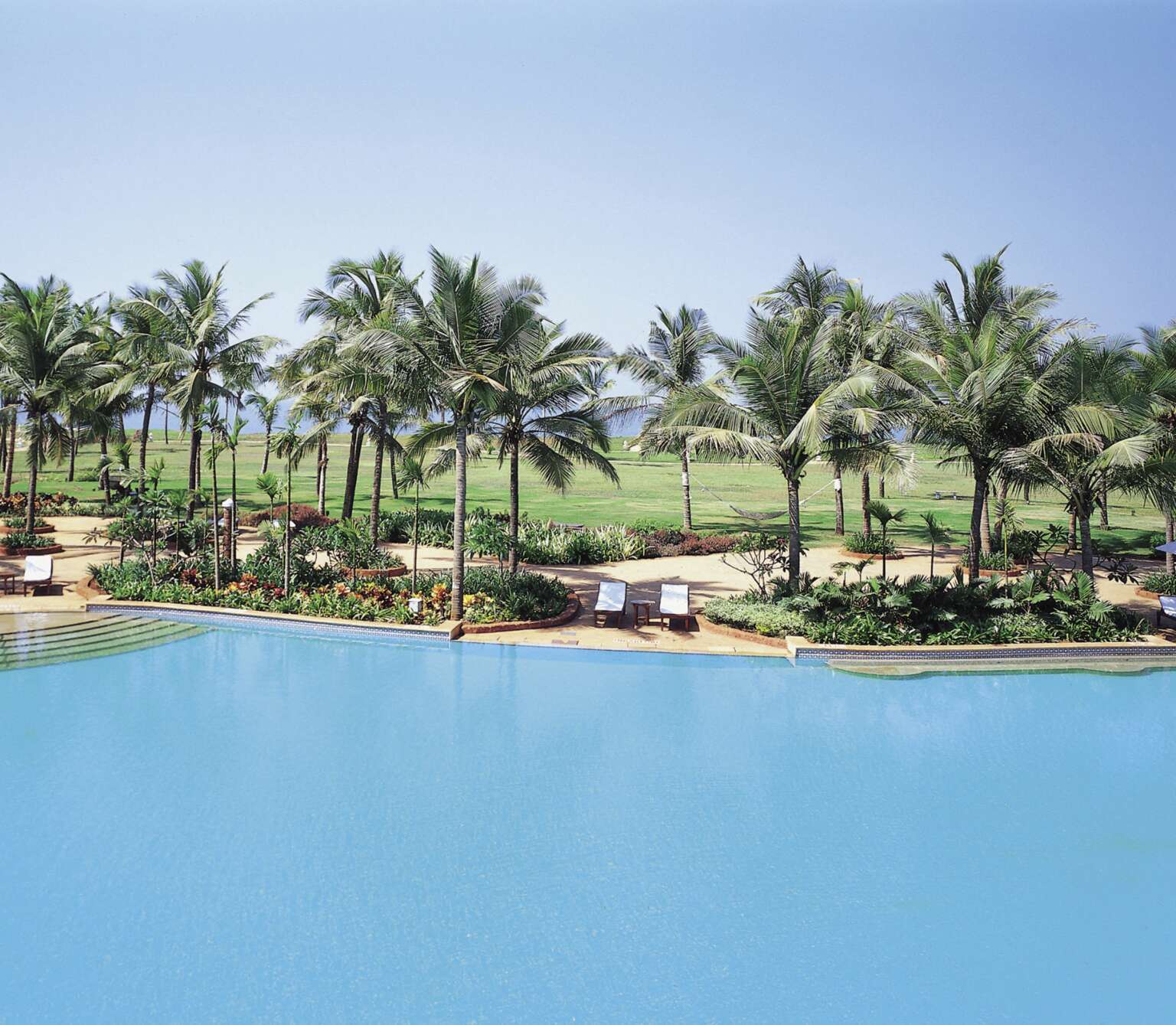
Set within 40 acres of tree-shaded gardens right on a pristine kilometre-long beach.
Day 14
Mahabalipuram
Rural villages surround Mahabalipuram and today you’ll get the chance to visit some of them on an included half-day cycling tour with local expert Bani. You’ll pass lush paddy fields and colourful village temples, thatched farmer’s huts, and rural cattle herders as you get a glimpse into rural life. Along the way you’ll visit a coconut grove and stop at artisanal workshops to learn more about wood and stone carving. The rest of the day is free to enjoy as you wish. Overnight at Taj Fisherman's Cove.
Set within 40 acres of tree-shaded gardens right on a pristine kilometre-long beach.
Day 15
Mahabalipuram & Chennai
Your final stop is Chennai, the capital of Tamil Nadu, formerly known as Madras. Once a seaport for the East India Trading Company, the city blends Portuguese, Dutch, French and British influences with Tamil culture and is considered the gateway to South India. At its heart is the Mylapore district, the city’s cultural hub with a history dating back 2,000 years, where tuk-tuks meander past temples, churches, and other 17th-century relics. See it with a local on an optional Peacock Trail tour or try your hand at the ancient Bharatnatyam dance form with a local teacher. Alternatively wander the streets at your own pace as you make the most of your final day in this captivating region. Overnight at Taj Connemara.
Things to do
Peacock Trail
Chennai & Tamil Nadu
The Peacock Trail takes place in Mylapore in the heart of Chennai, a neighbourhood that’s much older than the city itself. When the British arrived, it was a village with pretty houses and ancient temples dating from the time when it was an import...
Explore Peacock Trail
Peacock Trail
Chennai & Tamil Nadu
The Peacock Trail takes place in Mylapore in the heart of Chennai, a neighbourhood that’s much older than the city itself. When the British arrived, it was a village with pretty houses and ancient temples dating from the time when it was an important port for the Pallava empire, and today it’s a perfect place to show people something of the way of life in the city.
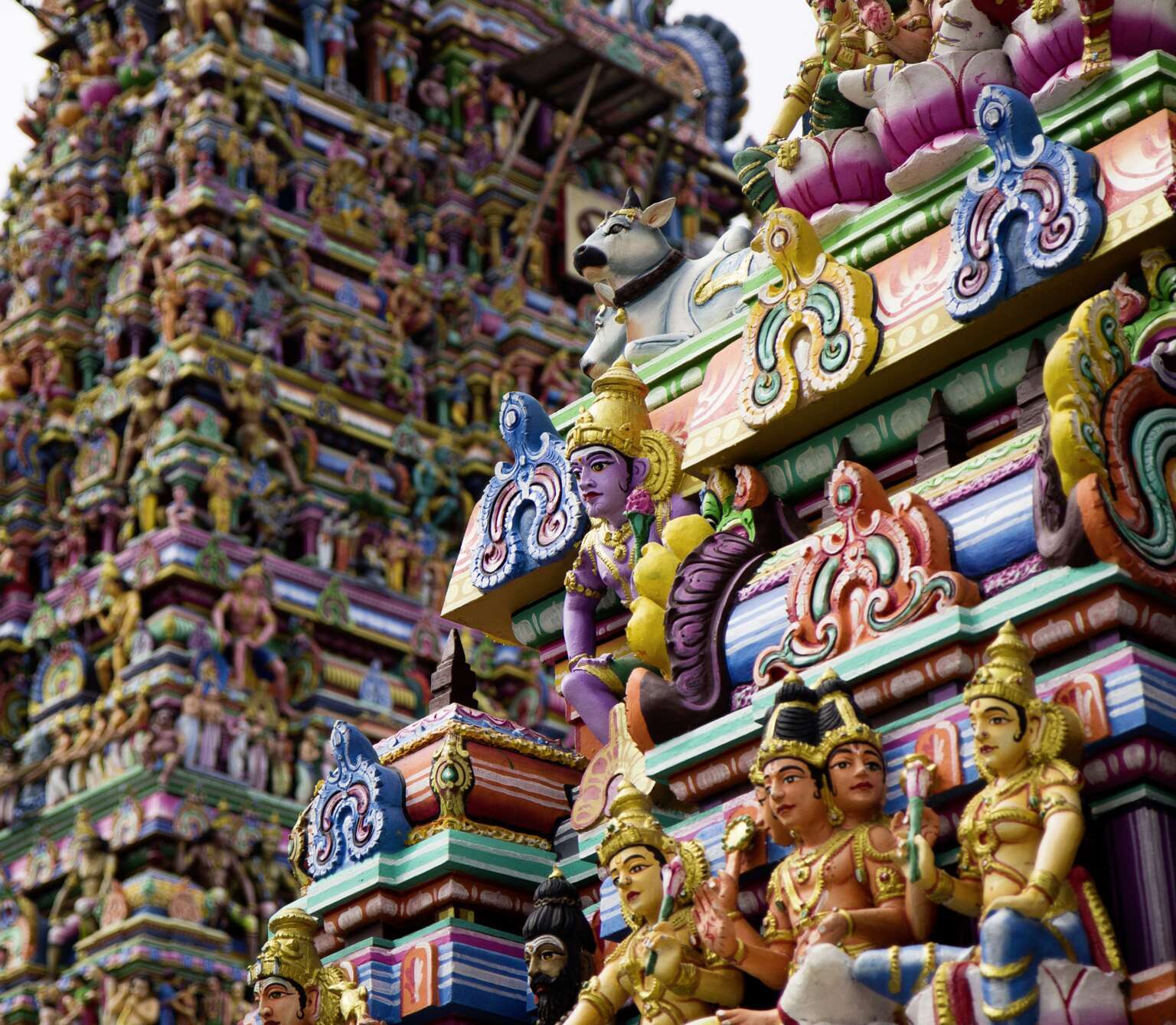
The tour is led by people from different walks of life: writers, artists, musicians, corporate people, bankers, historians, all with a deep interest in the city and a passion to tell its stories, of which there are so many. A lot of them are connected to the Kapaleeswarar Temple, where the trail starts. It’s a very famous temple of Shiva, the Hindu god, and the guides focus on the architecture and tell stories about what happens in the temple.
Afterwards, wander through Mylapore’s tiny lanes, which are lined with small houses that were built almost 500 years ago. Learn about the history of those houses and the patterns drawn on the ground outside them and the evil eye that the owners hang outside. There’s a bazaar, a huge temple tank built on land donated by the Muslim ruler at the time and a house belonging to the family of a Brahmin priest, which has some fascinating features. The tour finishes in the old Portuguese settlement of Sao Tome where there is a beautiful church with some unusual decorations.
Guide price information is based on the included flights from London, accommodation, transport and experiences detailed in the itinerary above. Guide prices do not include optional things to do. Call us for up to date prices – the cost of your holiday depends upon the time of year you travel, how long you go for, preferred departure airport, airlines, hotels and things to do. Based on 2 people sharing.