Middle East situation: we’re calling all customers with holidays booked up to 24th April in order of departure date. Latest update



-
Africa
-
Arabia
-
Asia
-
Australasia & Pacific
-
Caribbean
-
Central America
-
Europe
-
Indian Ocean
-
South East Asia
-
North America
- View all destinations

_w=200_h=165_pjpg.jpg?v=eed9279541dd7b52404fb4a7f716eaca487cc2a2)
_w=200_h=158_pjpg.jpg?v=eed9279541dd7b52404fb4a7f716eaca487cc2a2)
- Holiday type
- Brochures
- Collections
- Articles
- Where to go when


Speak to one of our experts now about this offer

Shaped by the Mississippi River and centuries of cultural overlap, Louisiana feels different from the rest of the Deep South, and nowhere is that more evident than in New Orleans.
French, Spanish, African, Caribbean, and Acadian influences sit side by side in Louisiana, and you feel them in the food, the music, and the rhythm of daily life. Much of the state is low-lying and shaped by water, with the Mississippi River forming much of Louisiana’s eastern border with Mississippi before winding south to the Gulf, influencing how towns took root and how people still move around today.
Its musical legacy runs deep: Louisiana is the home of Louis Armstrong, whose gravel-voiced records helped carry jazz from neighbourhood streets to the wider world, and it’s closely tied to Ella Fitzgerald’s legacy and her songbook recordings that helped define American popular music. Beyond the famous names, it’s a place where music spills into the street, meals stretch on, and everyday life tends to happen at its own, easy pace.
How to get to Louisiana
Most Louisiana holidays from the UK begin with a flight into New Orleans, usually connecting via major US hubs such as Atlanta or New York. Louisiana sits on the western edge of the Deep South, with Mississippi to the east and Texas to the west, and pairs naturally with destinations such as Memphis, Natchez, or the Gulf Coast. Once you’re in Louisiana, a car makes it easier to explore beyond New Orleans, particularly the bayou country and smaller towns. A city-only stay, though, is best done without one, thanks to walkable neighbourhoods and the streetcar system.
How to holiday in Louisiana
Louisiana holidays suit a slower, more settled style of travel. New Orleans works well as a standalone city break, with enough depth to fill several days without moving on. Longer Louisiana holiday itineraries often combine the city with Cajun Country around Lafayette, Baton Rouge, or plantation country along the Mississippi River. Driving is the most flexible way to travel outside the city, but trips can also be planned around guided excursions if you’d rather not self-drive.
Things to do in Louisiana
In New Orleans, days often organise themselves around neighbourhoods, meals, and live music rather than formal attractions. There are, however, standout experiences worth planning, including music history tours, food-focused walks, bayou excursions, and plantation visits. Outside the city, historic sites, short stops along the river, and small museums add interest to travel days without demanding complete itineraries.
Best time to go to Louisiana
Weather-wise, the most comfortable times to travel in Louisiana are spring and autumn. March to May and September to November offer warm temperatures with lower humidity, making it easier to explore cities and travel between regions. Summer, particularly July and August, can be hot and humid in New Orleans and is best suited to slower-paced trips. Winter months are cooler and can be wet, but tend to be quieter with fewer visitors. Hurricane season typically runs from June to September, which is something to think about if you’re considering summer travel.
Events and festivals in Louisiana
Mardi Gras season begins each year on Epiphany in early January and builds towards Mardi Gras Day in mid to late February, depending on the calendar. The biggest parades and busiest celebrations usually take place in the final days leading up to Mardi Gras itself. It is one of the most exciting times to be in Louisiana, but accommodation fills quickly, so booking well in advance is strongly recommended.
Hotels and places to stay in Louisiana
In New Orleans, neighbourhood matters. We focus on location first, choosing areas that match how you plan to spend your time rather than chasing star ratings. Outside the city, accommodation is more limited and tends toward simple, comfortable hotels that work well as practical bases. In Cajun Country and along the river road, character and location count for more than facilities. The right hotel depends on whether you plan to stay put or move on early the next day, and we’ll help you find the ideal choice.

Louisiana - Perfect for
-

Culture at the heart of life
Food, music, and history are part of the rhythm of the day, especially in New Orleans, where neighbourhoods reveal themselves best at a relaxed pace. -
Eating well, informally
Long lunches, late dinners, and neighbourhood spots shape the experience, and the quality is consistent whether you’re somewhere classic or completely unassuming. -
City breaks with substance
Walking, listening and settling into one area works better than trying to see everything, and it’s easy to fill several days without feeling busy. -
Contrast without complexity
New Orleans works as a strong base, with Cajun Country or plantation country close enough to add depth without long drives or complicated planning.
Holidays in Louisiana
- Louisiana
- 4 Star
Watermark is a spacious, comfortable choice in Baton Rouge and will help you feel settled, even if you’re here just for a night or two.
- Louisiana
- 3 Star
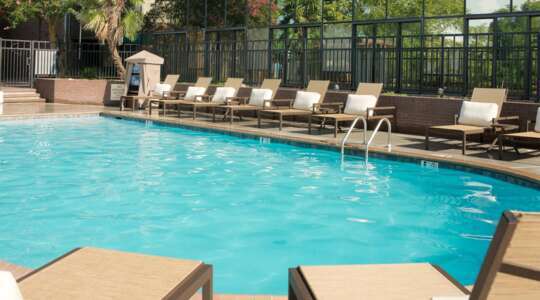
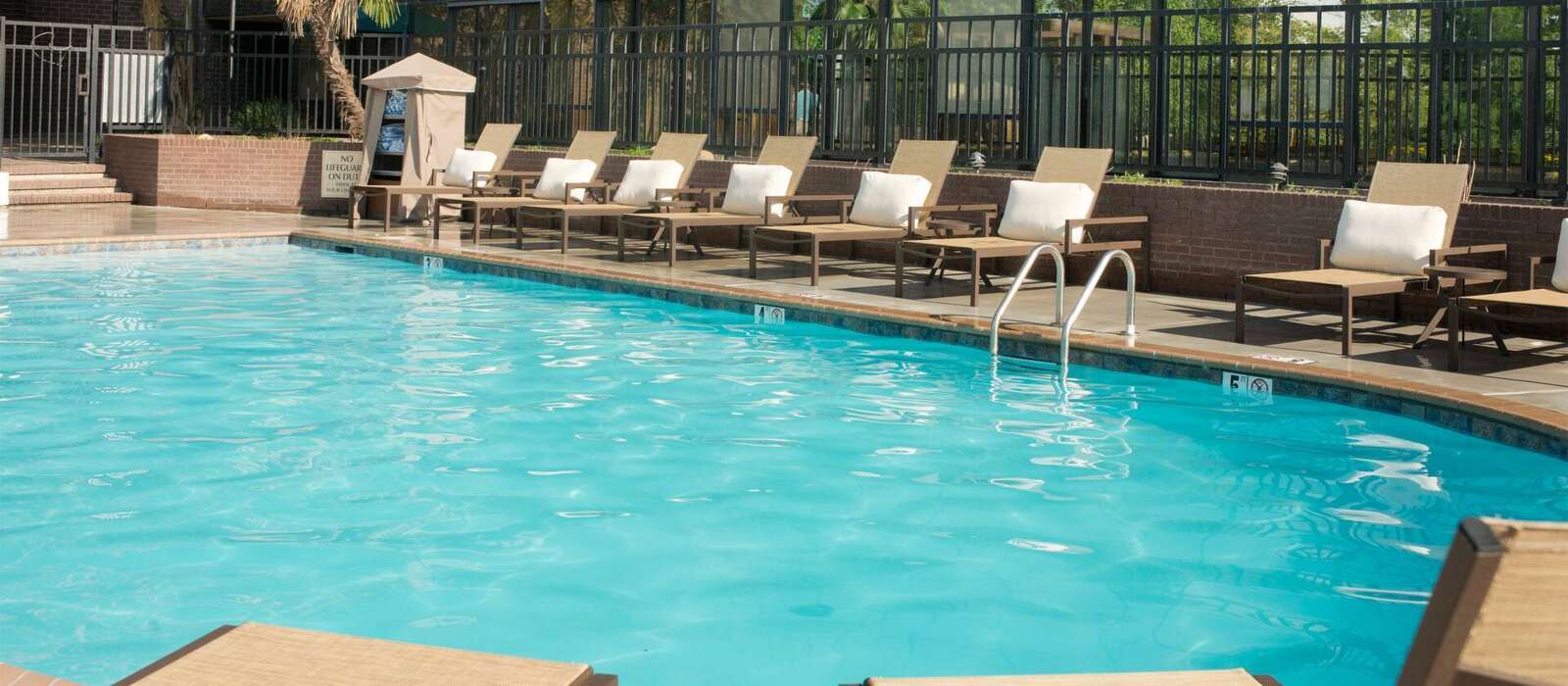
A modern riverfront hotel with an outdoor pool and easy access to the city’s major highways.

- Louisiana
- 3 Star
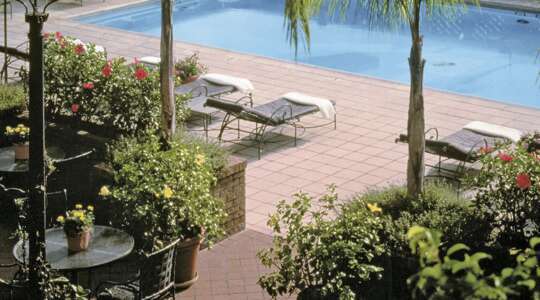
Most visits to Oak Alley Plantation end by mid-afternoon. Staying the night means you actually see how this place feels when the crowds go home, and the light changes over the river road.
- New Orleans
- 4 Star
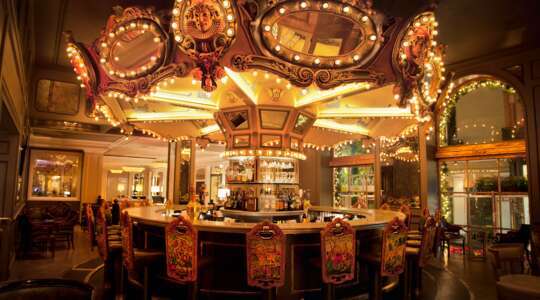
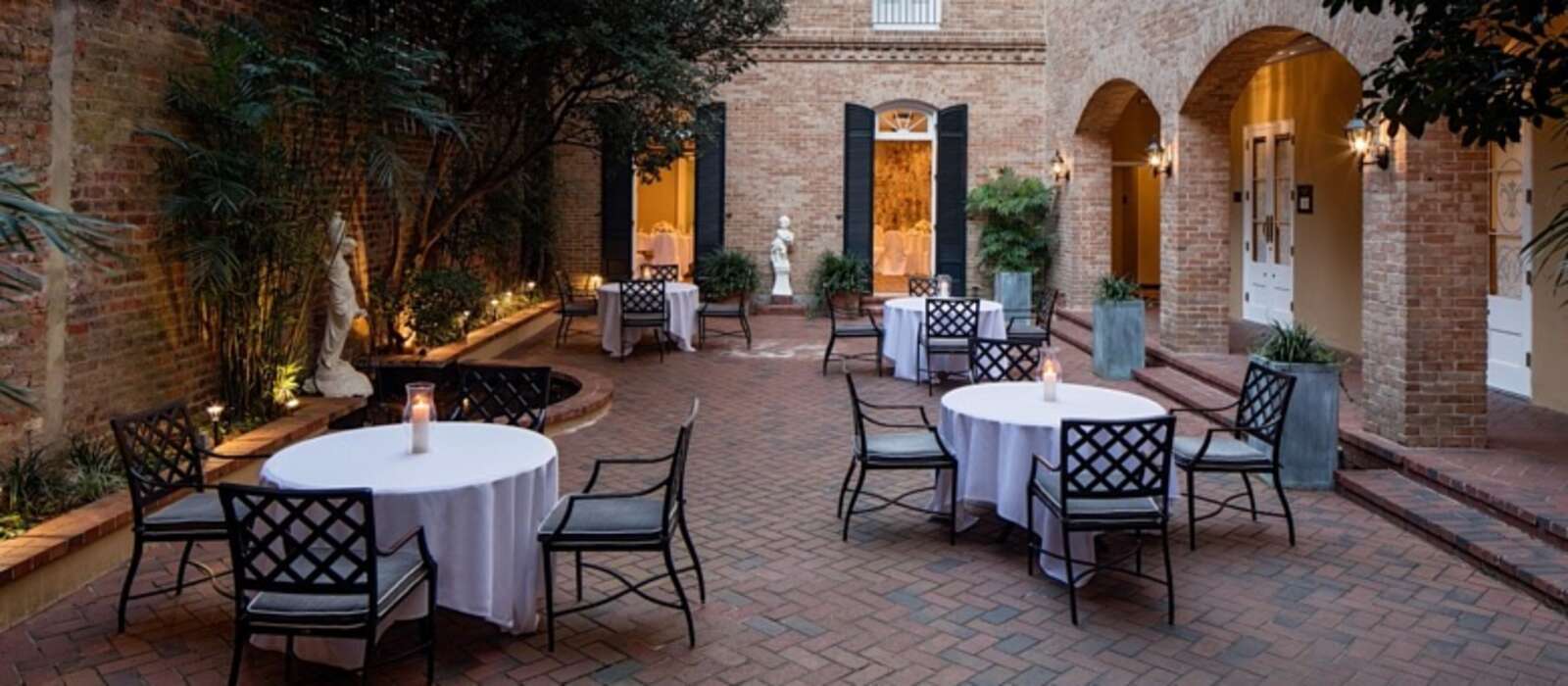
Grandeur and elegance in the heart of New Orleans, Omni Royal Orleans is the perfect retreat for a classic luxury city break.
- New Orleans
- 4 Star
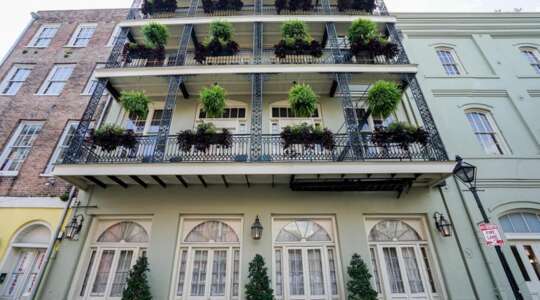
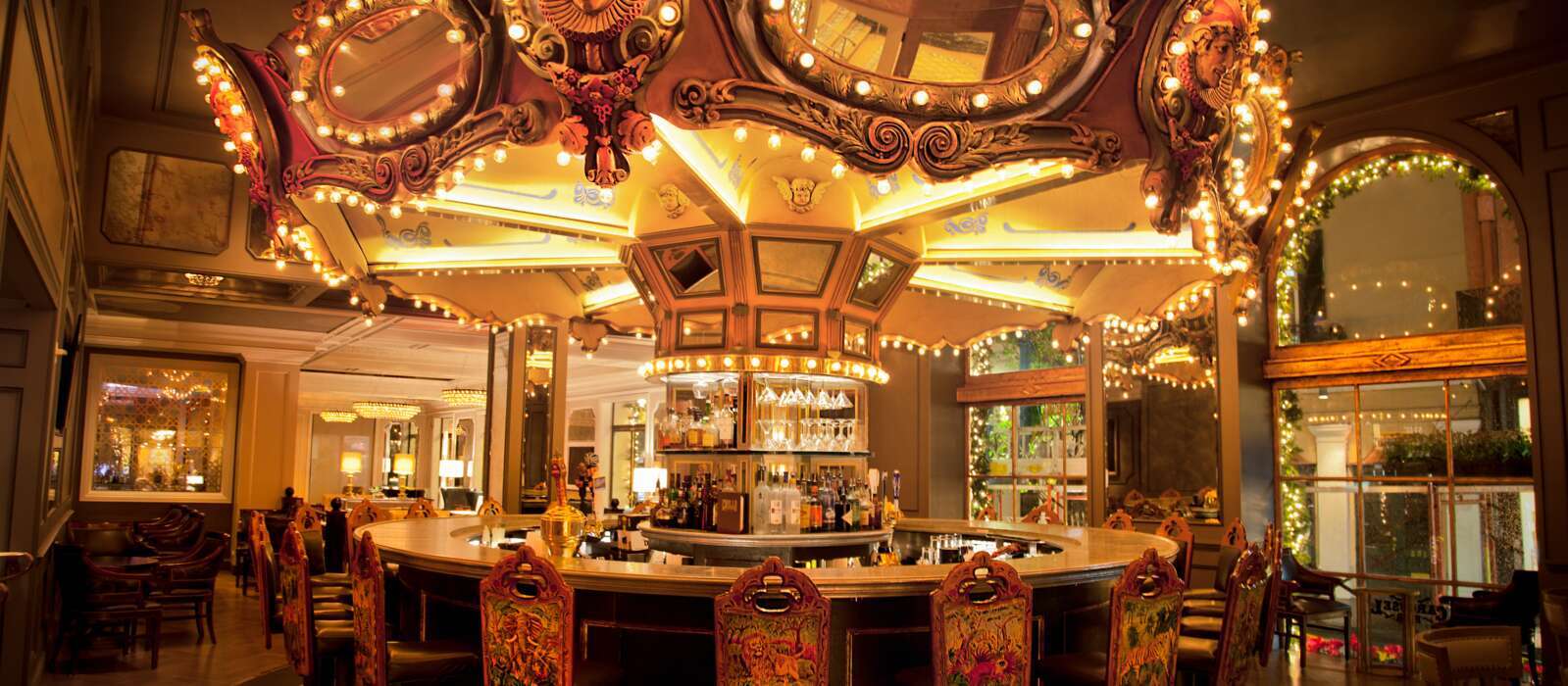
A storied hotel whose lobby is said to mark the beginning of the New Orleans’ famous French Quarter, few American hotels can claim such a rich history as the Hotel Monteleone.
- New Orleans
- 3 Star
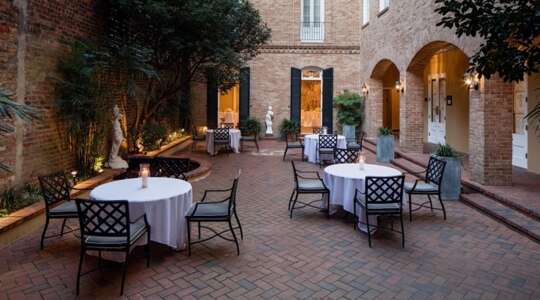
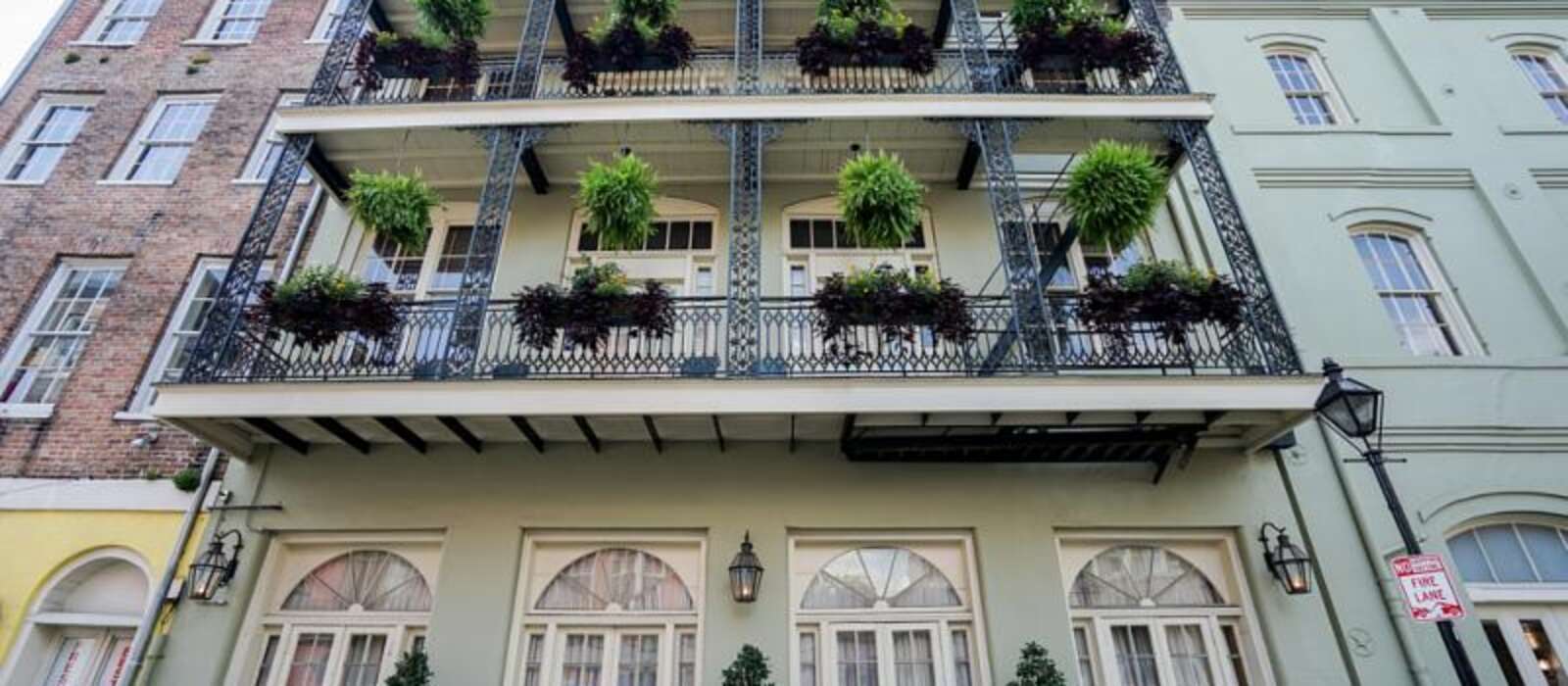
The Bienville House Hotel is a quintessential New Orleans hotel nestled in the French Quarter and mere moments from the Mississippi River. It promises that Southern hospitality you’ve heard so much about.
- New Orleans
- 3.5 Star
A three-minute walk from the famous Bourbon Street, the Holiday Inn French Quarter Chateau LeMoyne is a surprisingly atypical Holiday Inn and also an excellent springboard for city explorations.

- New Orleans
- 3.5 Star
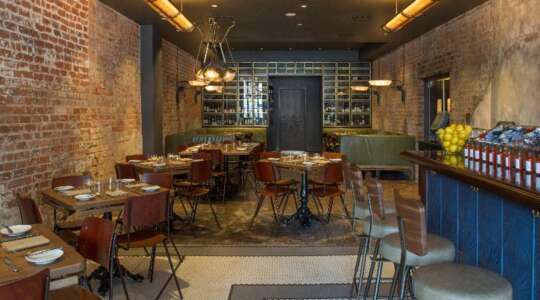
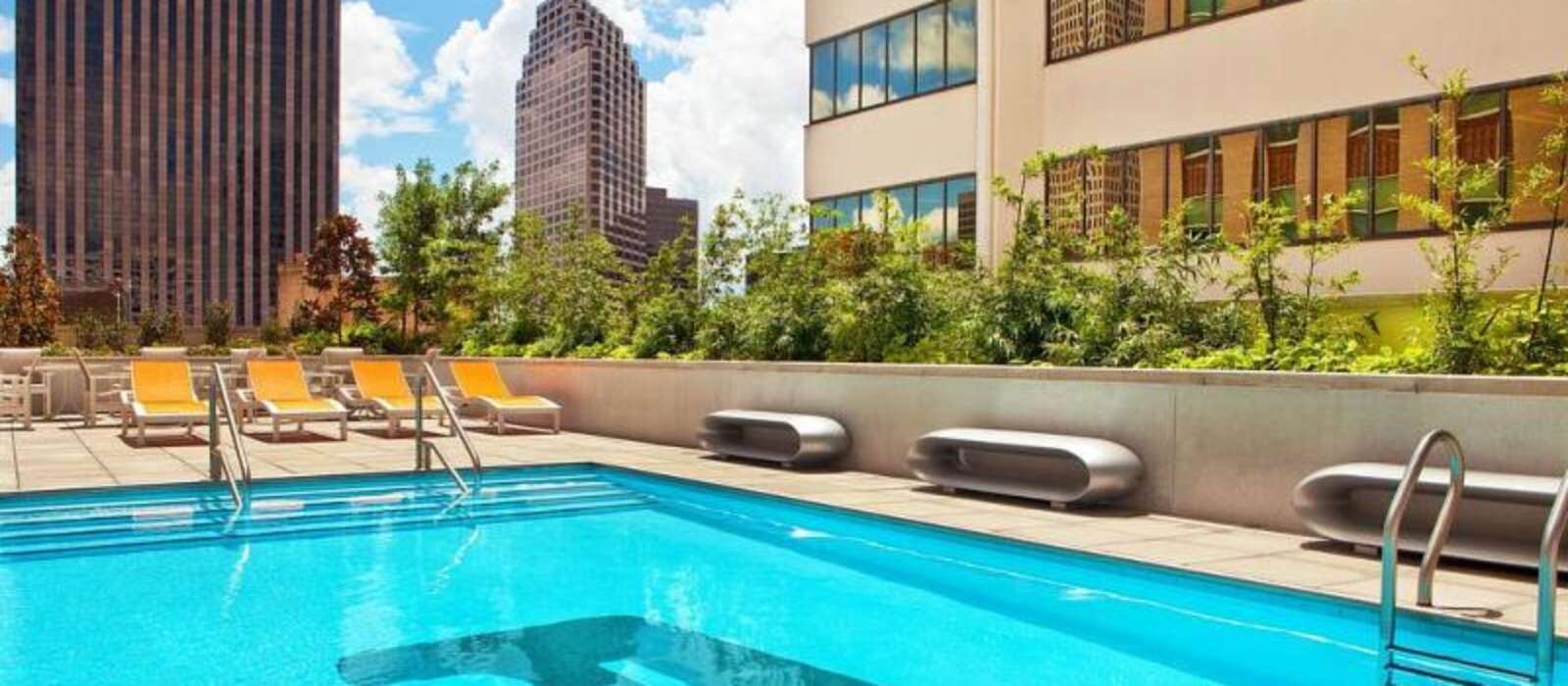
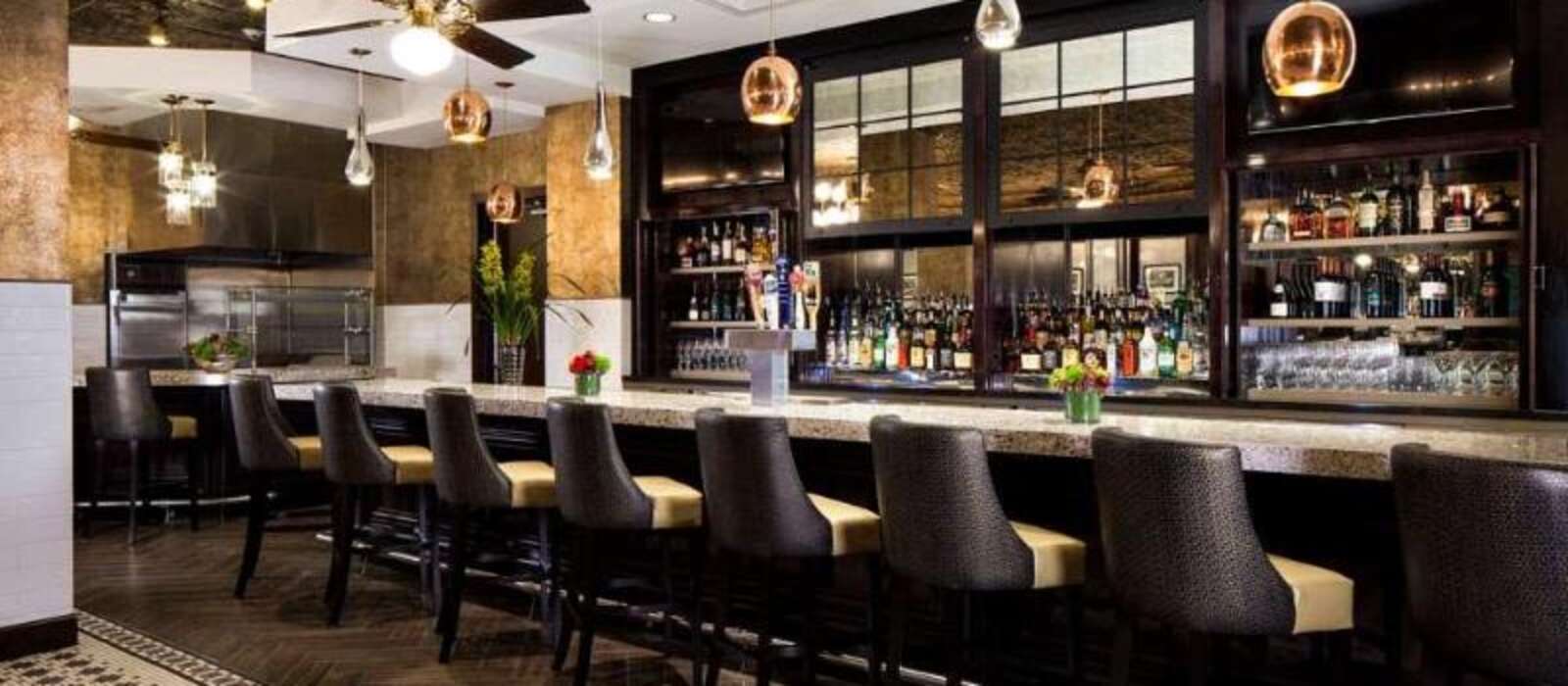
The ideal crash pad for a whirlwind break in the Big Easy, Aloft New Orleans Downtown promises comfort, convenience, and a celebratory atmosphere without superfluous frills.
- New Orleans
- 4 Star
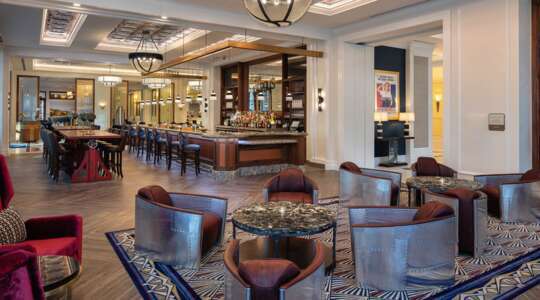
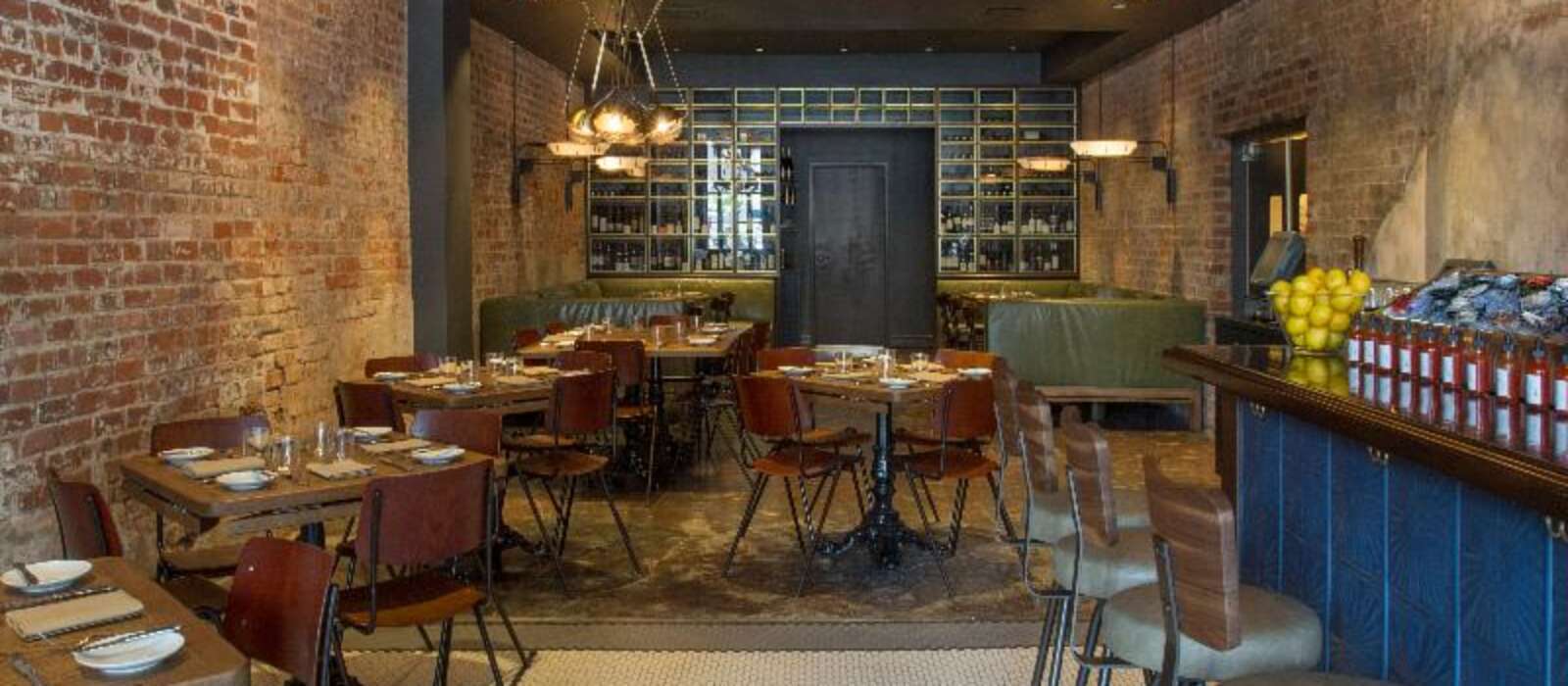
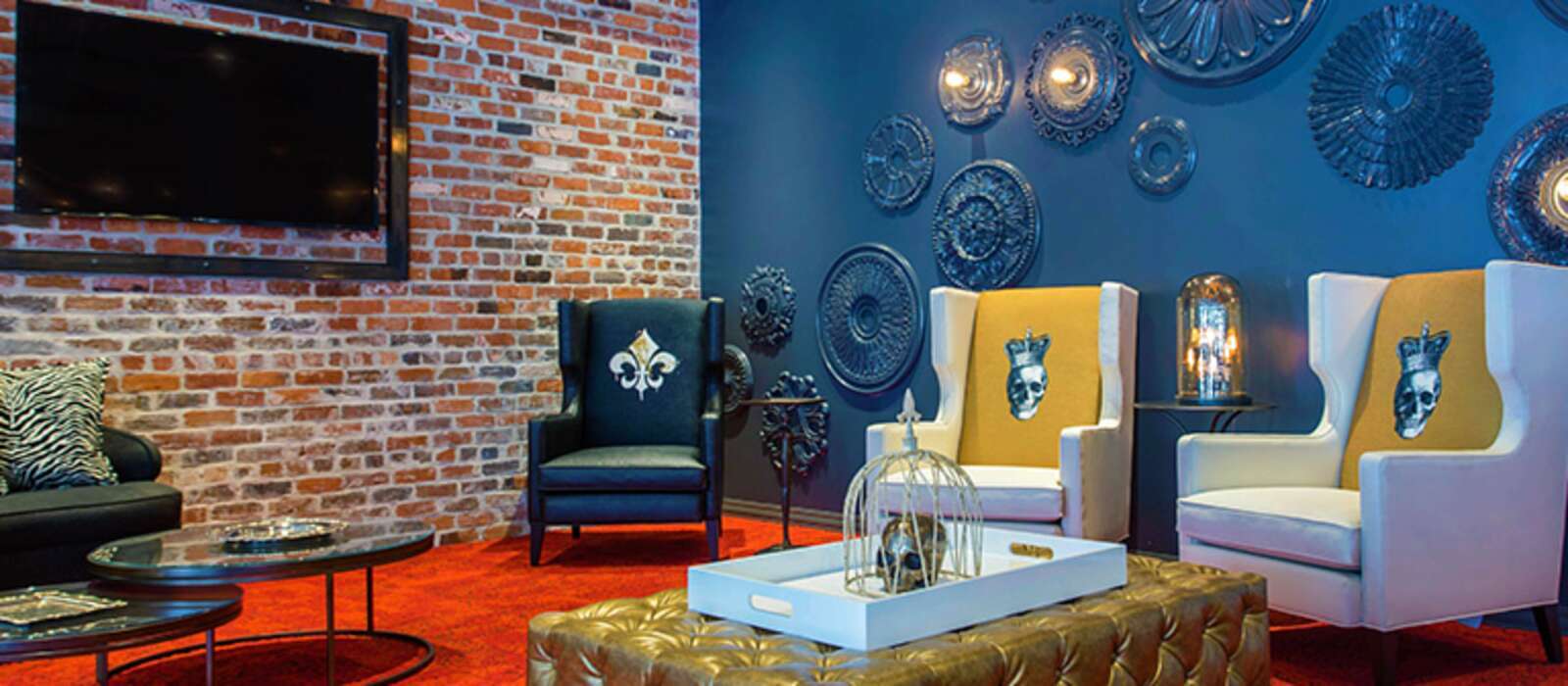
Artsy-yet-unpretentious, The Old No.77 is close enough to the French Quarter action to get involved but is a pleasingly quieter spot to retreat to once you’ve had your fill.
- New Orleans
- 4 Star
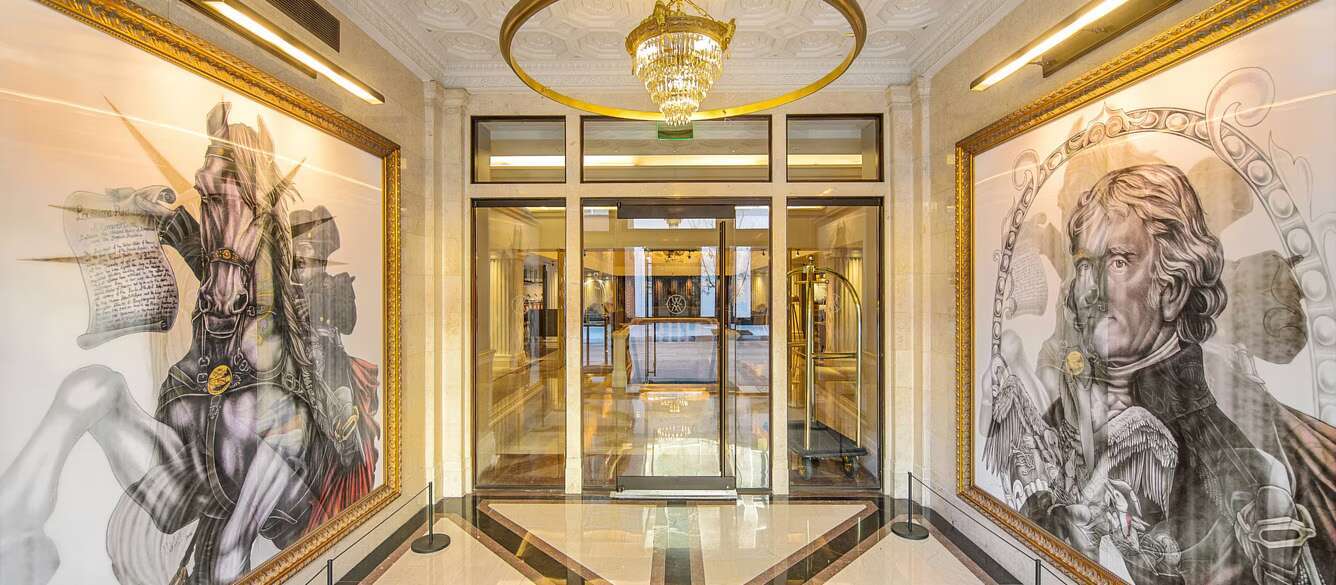
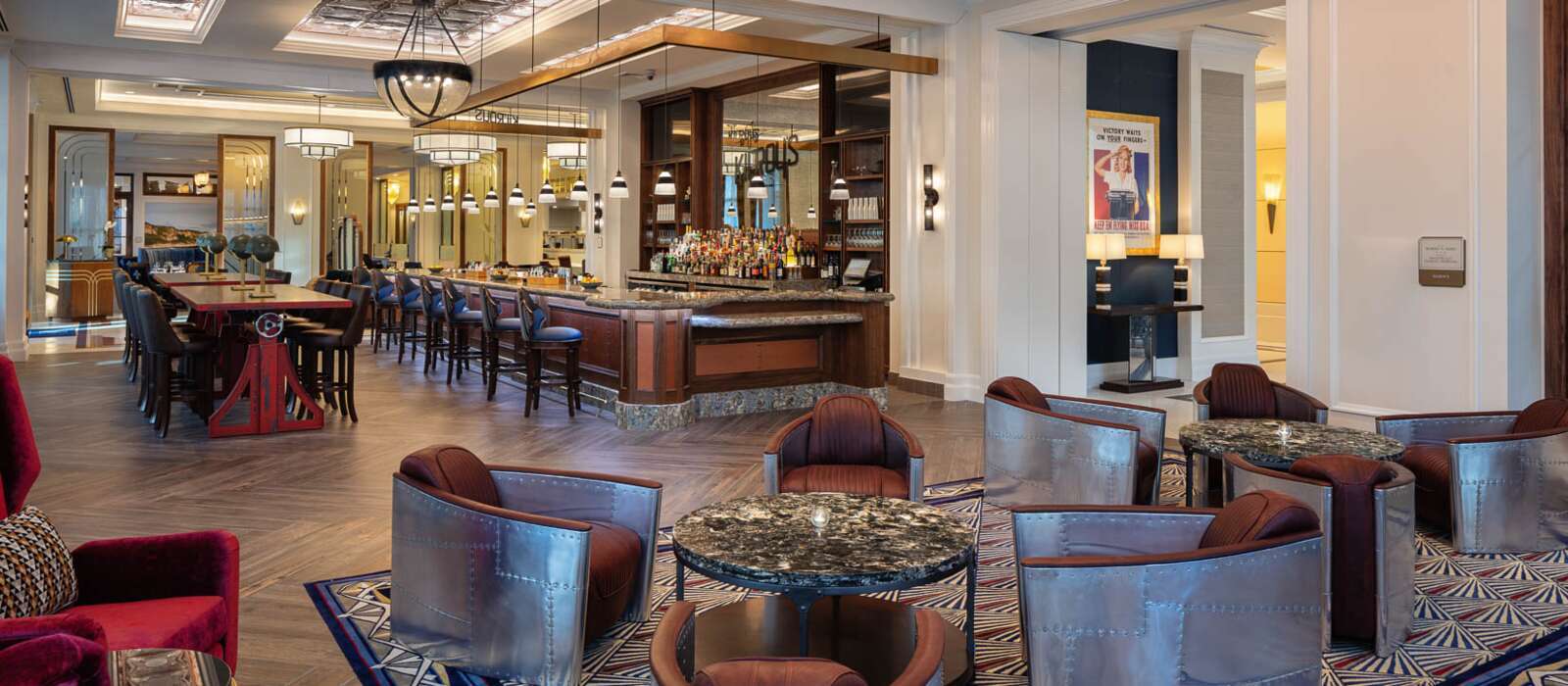
If you’re in NOLA to visit the excellent National WWII Museum, keep things super convenient and stay right next door at the stylish, WWII-themed Higgins Hotel.
You may also like


-
-
Destination {{ destinationFilters.length }}
- Louisiana{{destinationCountWith('Louisiana')}}
- New Orleans{{destinationCountWith('New Orleans')}}
-
Rating {{ ratingFilters.length }}
- 3 Stars{{ratingsCountWith('3 Stars')}}
- 3.5 Stars{{ratingsCountWith('3.5 Stars')}}
- 4 Stars{{ratingsCountWith('4 Stars')}}
- 4.5 Stars{{ratingsCountWith('4.5 Stars')}}
-
-
- Kuoni recommended
- Name (A-Z)
- Rating (High to Low)
- Rating (Low to High)
- Price (High to Low)
- Price (Low to High)
- {{ filter.text }}
- Clear all
-
-
Destination {{ destinationFilters.length }}
- Atlanta{{destinationCountWith('Atlanta')}}
- Nashville & Memphis{{destinationCountWith('Nashville & Memphis')}}
-
-
- Kuoni recommended
- Name (A-Z)
- Rating (High to Low)
- Rating (Low to High)
- Price (High to Low)
- Price (Low to High)
- {{ filter.text }}
- Clear all
-
-
Destination {{ destinationFilters.length }}
- Nashville & Memphis{{destinationCountWith('Nashville & Memphis')}}
- New Orleans{{destinationCountWith('New Orleans')}}
-
-
- Kuoni recommended
- Name (A-Z)
- Rating (High to Low)
- Rating (Low to High)
- Price (High to Low)
- Price (Low to High)
- {{ filter.text }}
- Clear all
Evening Jazz Cruise
There's no better place or time to contemplate the New Orleans' skyline than from aboard a good old-fashioned steamboat. And if the breathtaking views of the city's skyline aren't enough to satisfy your senses, you have the option to book the cruise with a casual buffet-style dinner.
Don't think the highlights of this trip are limited to the awe-inspiring vantage point or the delicious meal. Aboard the Natchez Steamboat, you're also invited to have a nosey around the ship's engine room. Inside this quaint space, redesigned to look like a museum, you'll find all sorts of historical artefacts that have many an interesting story behind them. Throughout the voyage, you can enjoy a jiggle to live jazz tunes performed by the world-renowned Dukes of Dixieland. New Orleans is famous for being the city of jazz, so the Dukes' jingles provide the playlist.
Daytime Jazz Cruise
Sail along the city’s sparkling waters and take a deep dive into a mesmerising melting pot of sights and sounds on this breathtaking steamboat experience. Spectate the historical regions that surround the legendary Mississippi River and harness the opportunity to kick back and relax in undisputed style.
Cruise from the lively heart of the French Quarter and step back in time to the land of the age-old New Orleans’ ‘cottonocracy.’ All this is rounded off with a good old foot tap to the syncopated rhythms of the on-board jazz band.
• Duration: two hours (11.30am to 1.30pm or 2.30pm to 4.30pm)
• Daily departures
• Operates year-round
• Group experience
Good to know
Lunch is not included but can be purchased at an extra cost. Please bring ID with you.
Oak Alley Plantation Tour
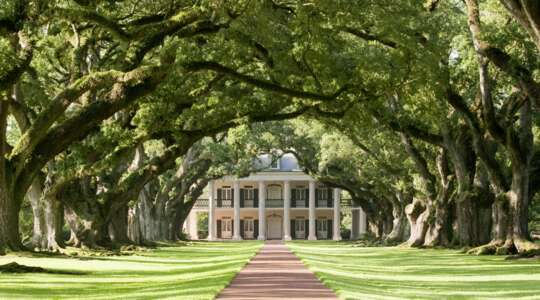
Swap the vibrant city streets of New Orleans for the rugged rural scapes of The Old South on this fascinating journey to the Oak Alley Plantation. Prepare to be blown away by the exquisite architecture of the plantation as you navigate the quarter-mile long driveway before finally locking eyes on its prestigious pillared facade.
Concealed entirely by 250-year-old oak trees, it’s hard to believe that this idyllic oasis has such a heinous history. A must-do for history buffs and otherwise, this immersive experience takes you back in time to when its privileged inhabitants owned and enslaved African men, women and children.
• Duration: 4 hours
• Daily departures
• Operates year-round
• Group experience
Good to know
There are two times available for this tour - choose between 10am to 3.15pm or midday to 5.15pm. Lunch and refreshments are not included. Please bring ID with you.
French Quarter walking tour
Take a walking tour through the beautiful French Quarter, one of America’s oldest and most unique neighbourhoods. Your local expert will guide you through, following in the footsteps of historic figures and taking in the Mighty Mississippi, the French Market and Jackson Square. Founded in 1718 by French explorer Jean-Baptiste Le Moyne, Sieur de Bienville, you’ll learn all about the city’s Creole heritage, its architecture, courtyards, gardens, food, music, and art.
The important things to know about Louisiana
 TIME DIFFERENCE
GMT +6 hours
 CURRENCY
US dollars
 FLYING TIME TO DESTINATION
New Orleans: 10 hours
 RELIGION
Christian (majority Protestant and Catholic)
 LANGUAGE
English. Cajun French, Louisiana French and Creole French may also be heard during your trip around Louisiana.
New Orleans
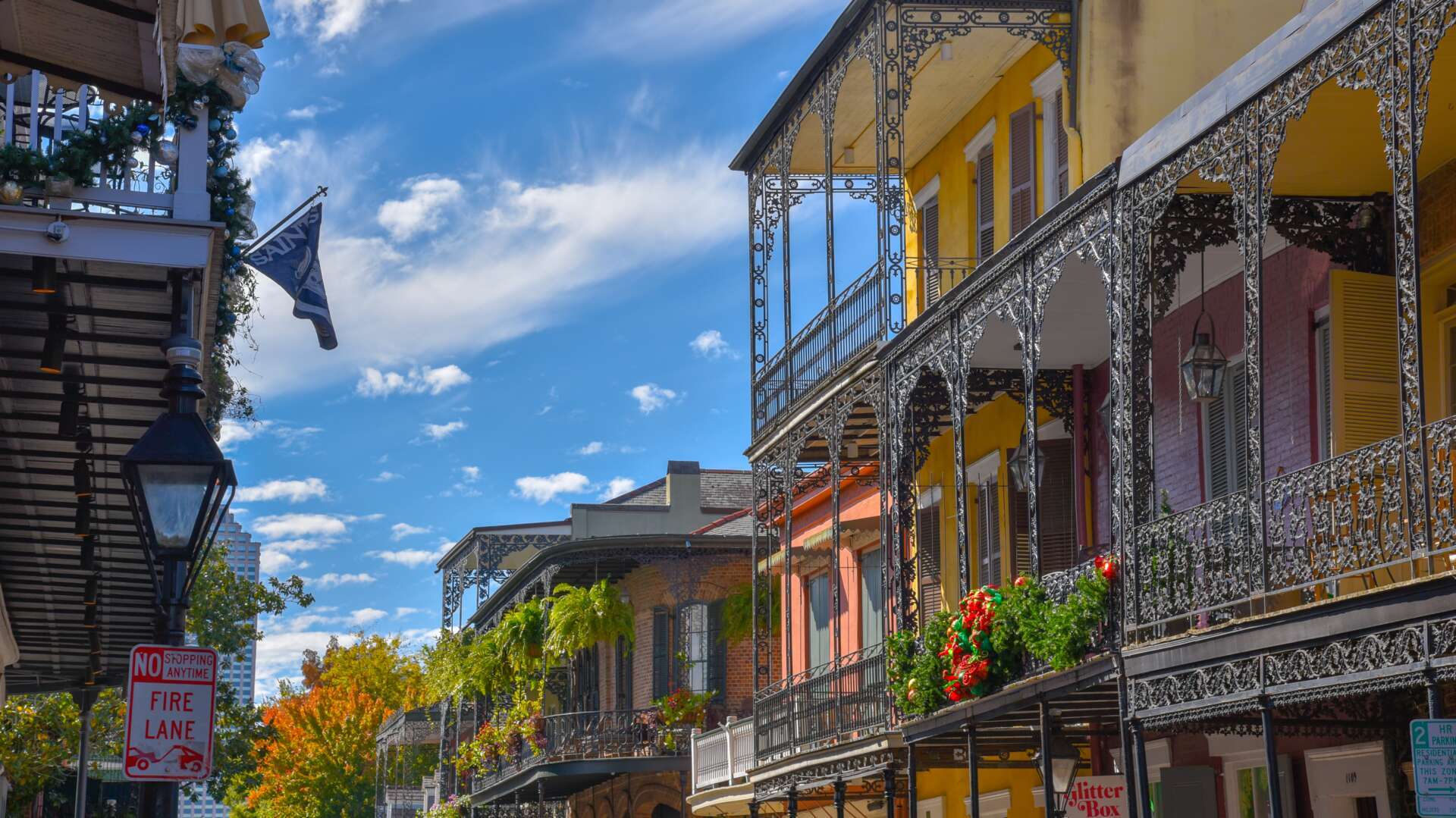
You’ll hear New Orleans called the Big Easy or NOLA, and the French Quarter is its most famous neighbourhood. It also makes a great base and starting point, compact and walkable, with music venues, bars, and historic buildings close together, including Preservation Hall (a famous jazz venue that’s well worth a look) and The Sazerac House, which is free to visit and gives context to one of the city’s signature drinks. For live jazz, The Spotted Cat on Frenchmen Street is a reliable choice, and Cafe du Monde remains the classic stop for New Orleans’ famous beignets.
Read more
Baton Rouge
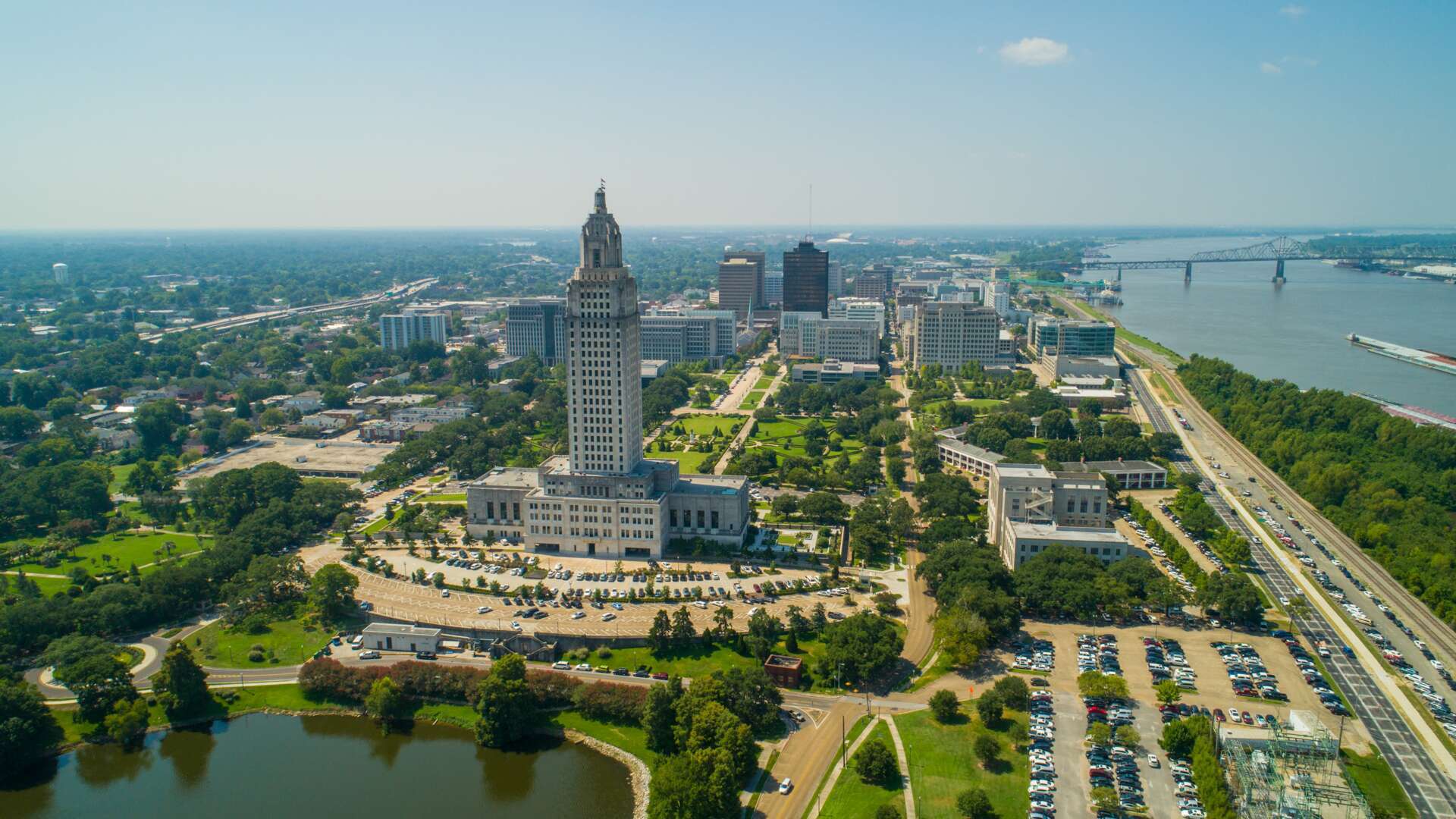
Baton Rouge, known as the Red Stick, is Louisiana’s capital and has the feel of a lived-in, working city rather than a polished tourist showcase. That’s part of its appeal. Mid City is a good place to get your bearings, with independent shops and relaxed local restaurants such as Elsie’s that give a real sense of day-to-day life. The Old and New State Capitols sit side by side, offering contrasting perspectives on Louisiana’s political past, while the LSU Rural Life Museum brings everyday history into focus through its preserved buildings and grounds. One of the easiest and most enjoyable ways to explore is by electric bike, linking the LSU campus, the Mississippi riverfront, and both Capitol buildings in a single, easy ride.
Read more
Lafayette and Cajun Country
Lafayette sits at the heart of Cajun Country and feels immediately different from New Orleans. Dubbed The Happiest City in America, Cajun and zydeco music are part of daily life, with venues like Blue Moon Saloon hosting regular live performances. Food is proudly regional, with boudin the essential local dish. An informal Boudin Trail links well-known producers such as Nunu’s and Billy’s, making it easy to eat your way around town. Vermilionville offers a clear context for Cajun culture, while nearby Avery Island, home of Tabasco and the Jungle Gardens, makes a rewarding half-day trip.
Read more
River parishes and plantation country
Following the Mississippi upriver from New Orleans leads into the river parishes, an area defined by former sugar plantations and the legacy of enslaved labour that shaped Louisiana’s economy and society. The focus here is on landscape and history rather than towns, and most visits are guided, helping place the grand architecture alongside the realities of plantation life. Oak Alley is the most recognisable estate, known for its oak-lined approach, while other nearby sites deepen the story by centring the lives and experiences of the people who lived and worked here. The area works well as a day trip from New Orleans, a stop between Baton Rouge and Lafayette, or a slower overnight stay.
Read more
Food in Louisiana
Eating out in Louisiana is central rather than incidental, and meals often shape the day. In New Orleans, Creole cooking is rich and layered, with dishes like gumbo, a slow-cooked stew thickened with roux and filled with seafood or sausage, jambalaya, a spiced rice dish, and po’boys, overfilled sandwiches often stuffed with fried shrimp or oysters. Outside the city, Cajun food becomes simpler and heartier. Expect boudin (a seasoned pork-and-rice sausage), crawfish (typically served boiled and spiced), and comforting rice-based dishes cooked low and slow. Portions are generous, recipes are happily explained, and dining rarely feels rushed.
Read more
Music in Louisiana
In New Orleans, jazz, brass bands, funk, and soul spill easily between clubs, street corners, and neighbourhood bars. This is the city of Louis Armstrong and Professor Longhair, but also the home ground of artists like Trombone Shorty and Jon Batiste. Elsewhere in the state, Cajun and zydeco music take on a similar role, with fiddles, accordions, and dance halls anchoring local life. Music often plays alongside meals, conversations, and everyday routines, making it feel part of the background rather than a staged event.
Read more
Louisiana Weather
Mar - Apr, Sep - Nov
January
 146 mm
February
112 mm
March
94 mm
April
135 mm
May
143 mm
June
159 mm
July
180 mm
August
184 mm
September
138 mm
October
112 mm
November
108 mm
December
134 mm

_w=24_h=25.png?v=eed9279541dd7b52404fb4a7f716eaca487cc2a2)
_w=24_h=25.png?v=eed9279541dd7b52404fb4a7f716eaca487cc2a2)
_w=24_h=25.png?v=eed9279541dd7b52404fb4a7f716eaca487cc2a2)
Talk to an expert today
Your dream holiday is just a phone call away
Call us on 01306 744 988


Monday: 10am - 5pm
Tuesday: 10am - 5pm
Wednesday: 10am - 5pm
Thursday: 10am - 5pm
Friday: 11am - 4pm
Saturday: 10am - 5pm
Sunday: Closed