Middle East situation: we’re calling all customers with holidays booked up to 12th March in order of departure date. Latest update



-
Africa
-
Arabia
-
Asia
-
Australasia & Pacific
-
Caribbean
-
Central America
-
Europe
-
Indian Ocean
-
South East Asia
-
North America
- View all destinations

_w=200_h=165_pjpg.jpg?v=eda6da11e80078b43c7c0b57347c5022a821e27c)
_w=200_h=158_pjpg.jpg?v=eda6da11e80078b43c7c0b57347c5022a821e27c)
- Holiday type
- Brochures
- Collections
- Articles
- Where to go when


Speak to one of our experts now about this offer

Deep South Civil Rights Trail
A road trip designed to take you through the heart of America’s Civil Rights story, linking the places where history was made with the communities still carrying that legacy today.
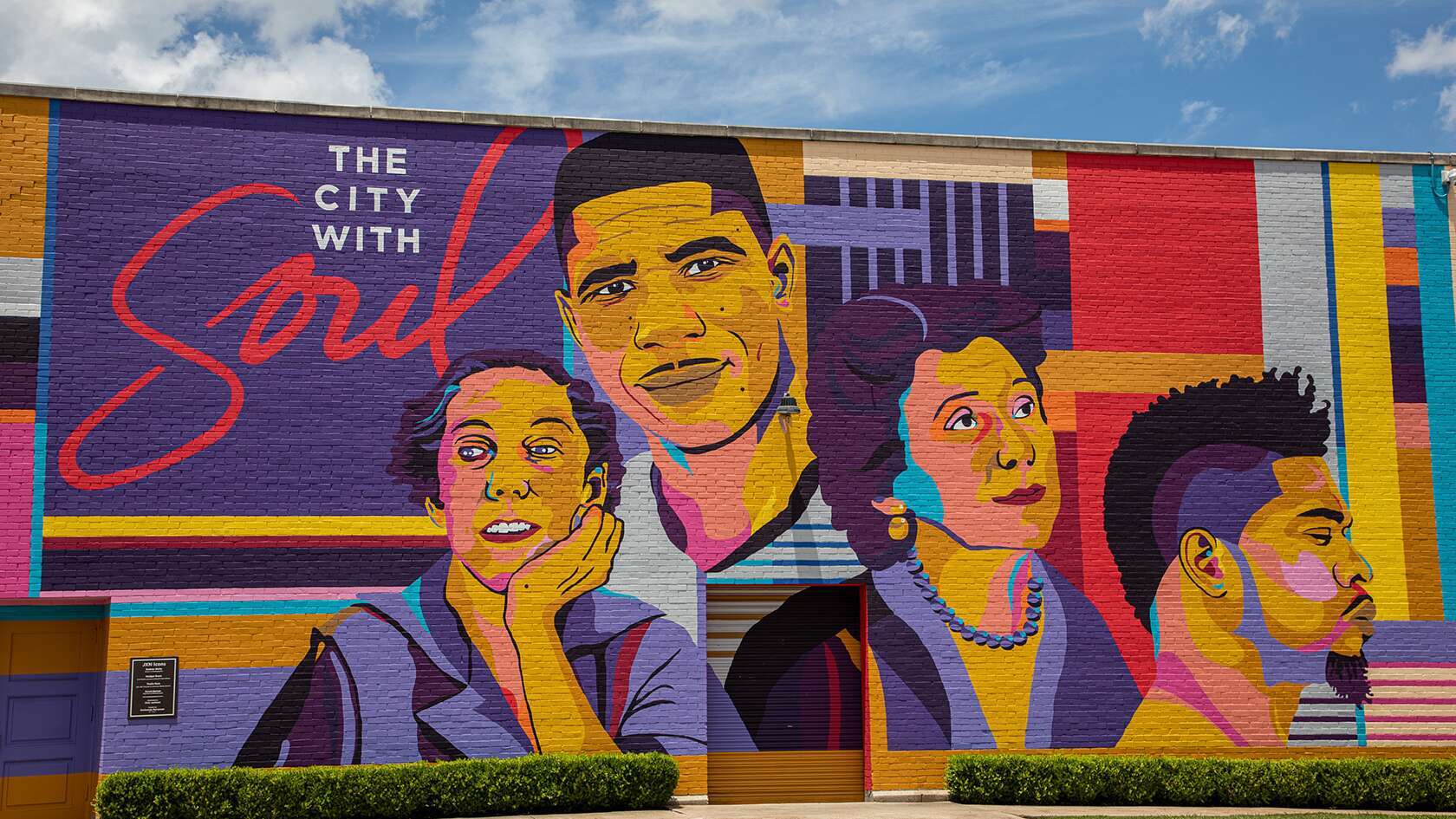

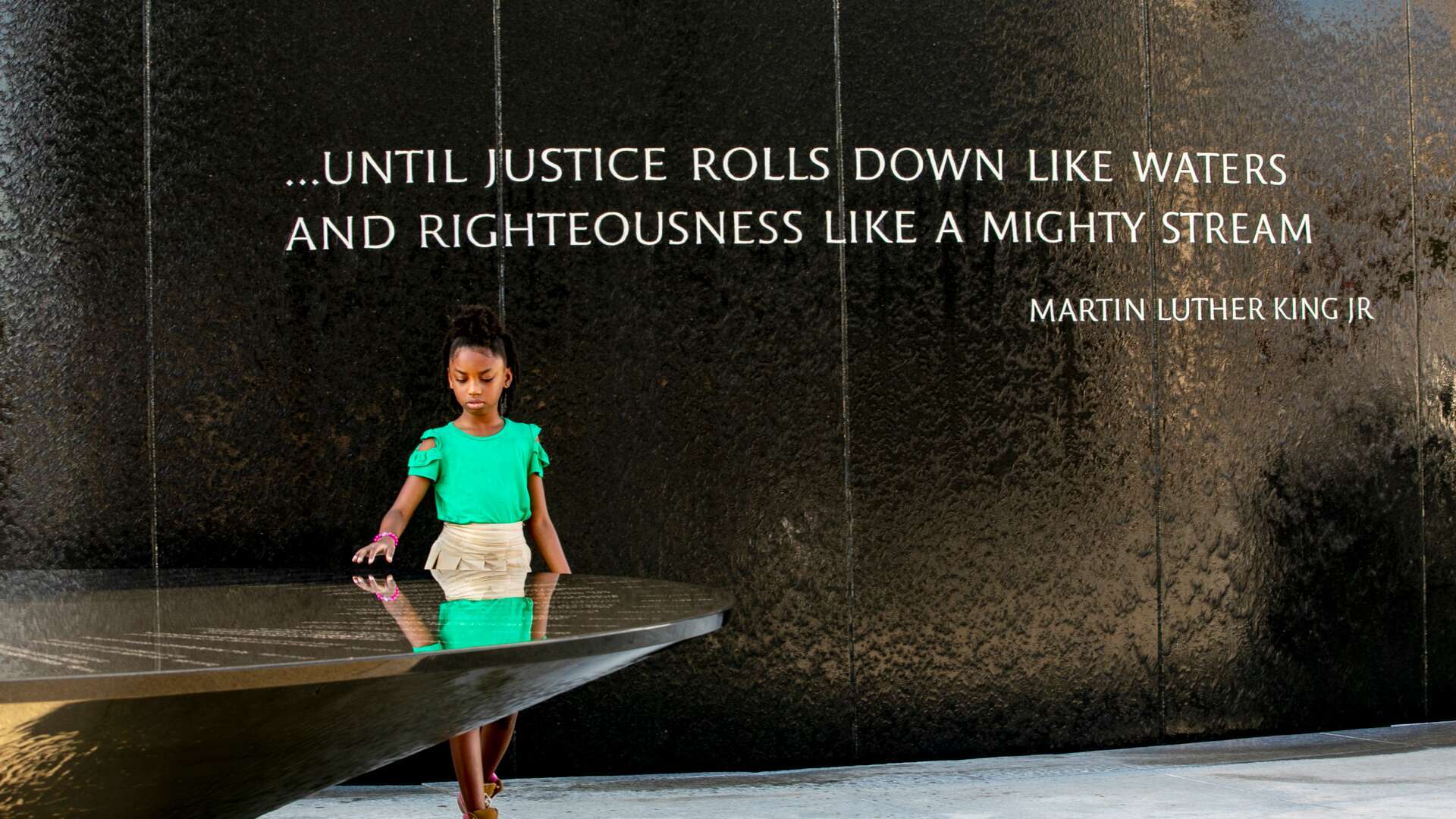
Across roughly 1,300 miles, you’ll travel through Tennessee, Alabama, Mississippi, and Louisiana, visiting places that played pivotal roles in the Civil Rights movement. Alongside this core history, the route introduces you to the broader character of the South, from Appalachian foothills to Gulf Coast marshes, from Delta farmland to river towns along the Mississippi. You’ll encounter everyday culture along the way, from deeply rooted food traditions to blues and jazz heritage, and neighbourhoods where past and present sit side by side. With a balance of steady driving days, single-night stops, and longer stays, the itinerary is designed to keep you moving while giving each destination the time it needs to make an impression.


From £3,475 including international flights. Please note guide prices are not necessarily based on the featured hotels below.
Itinerary overview
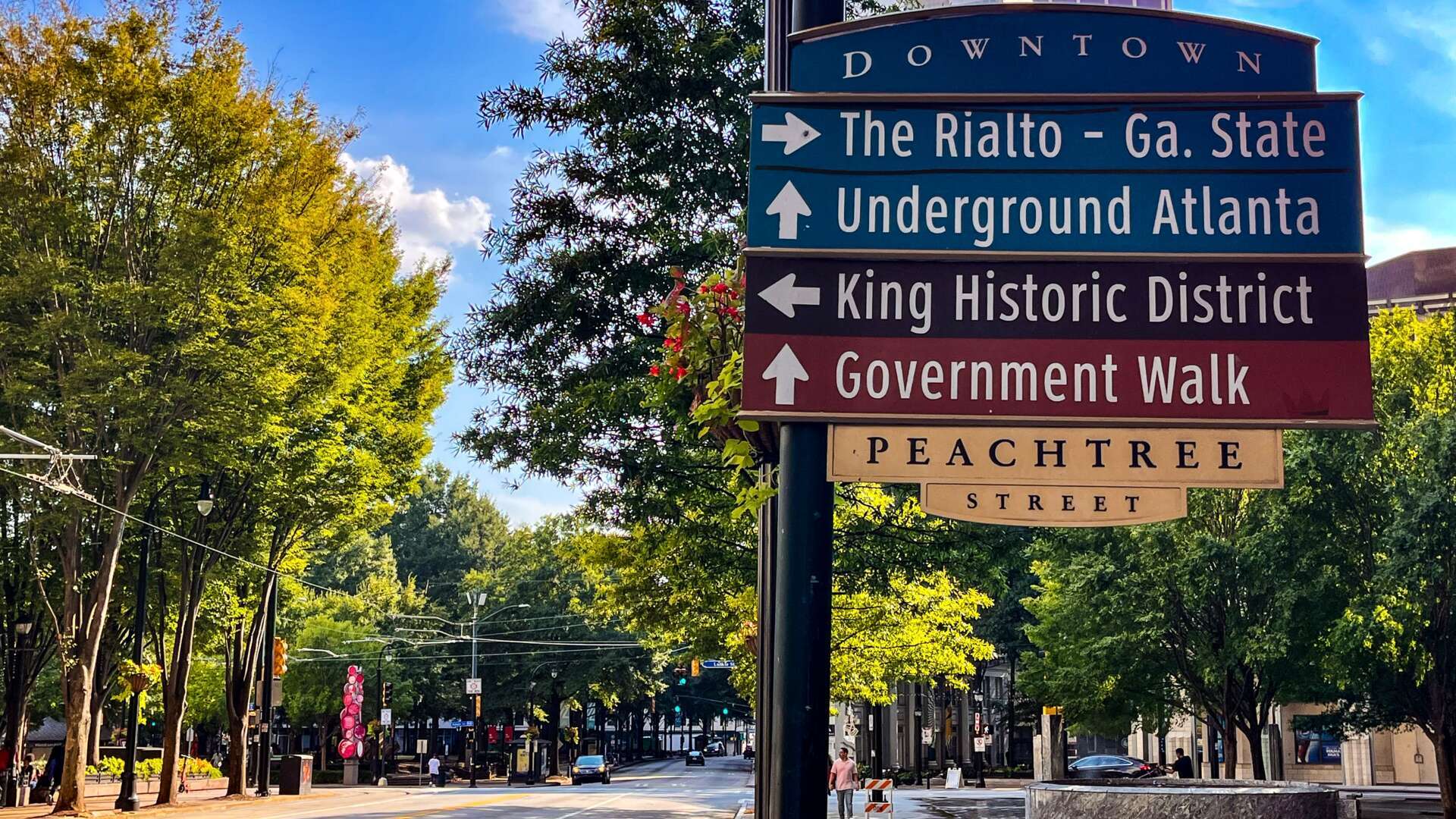
Touch down in Atlanta for a convenient overnight stop that sets you up for the journey ahead. If ...

After the roughly 120-mile drive from Atlanta, you’ll ease into Chattanooga with time to explore ...
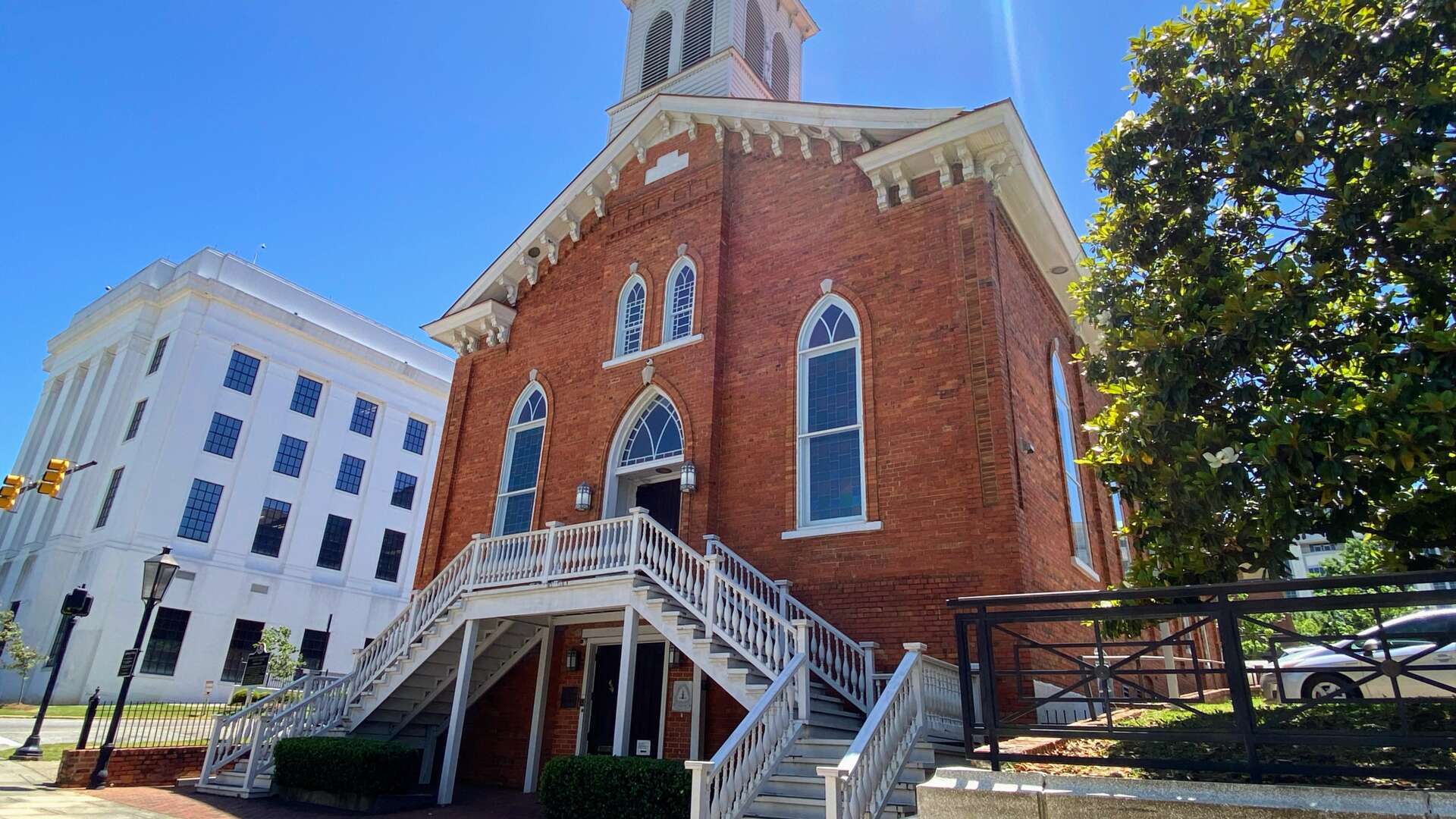
The drive from Chattanooga to Montgomery covers about 190 miles, with Tuskegee making a natural a...
The run south towards Mobile is about three hours from Montgomery, with two meaningful detours th...
The drive from Mobile to New Orleans is a coastal run of around three hours, carrying you past ma...
Leaving New Orleans, the drive west into South Louisiana only takes a couple of hours, and the cu...
The drive north to Natchez takes around three hours and brings you to the banks of the Mississipp...
Jackson is only about a two-hour drive from Natchez, so if you set off in the morning, you’ll arr...
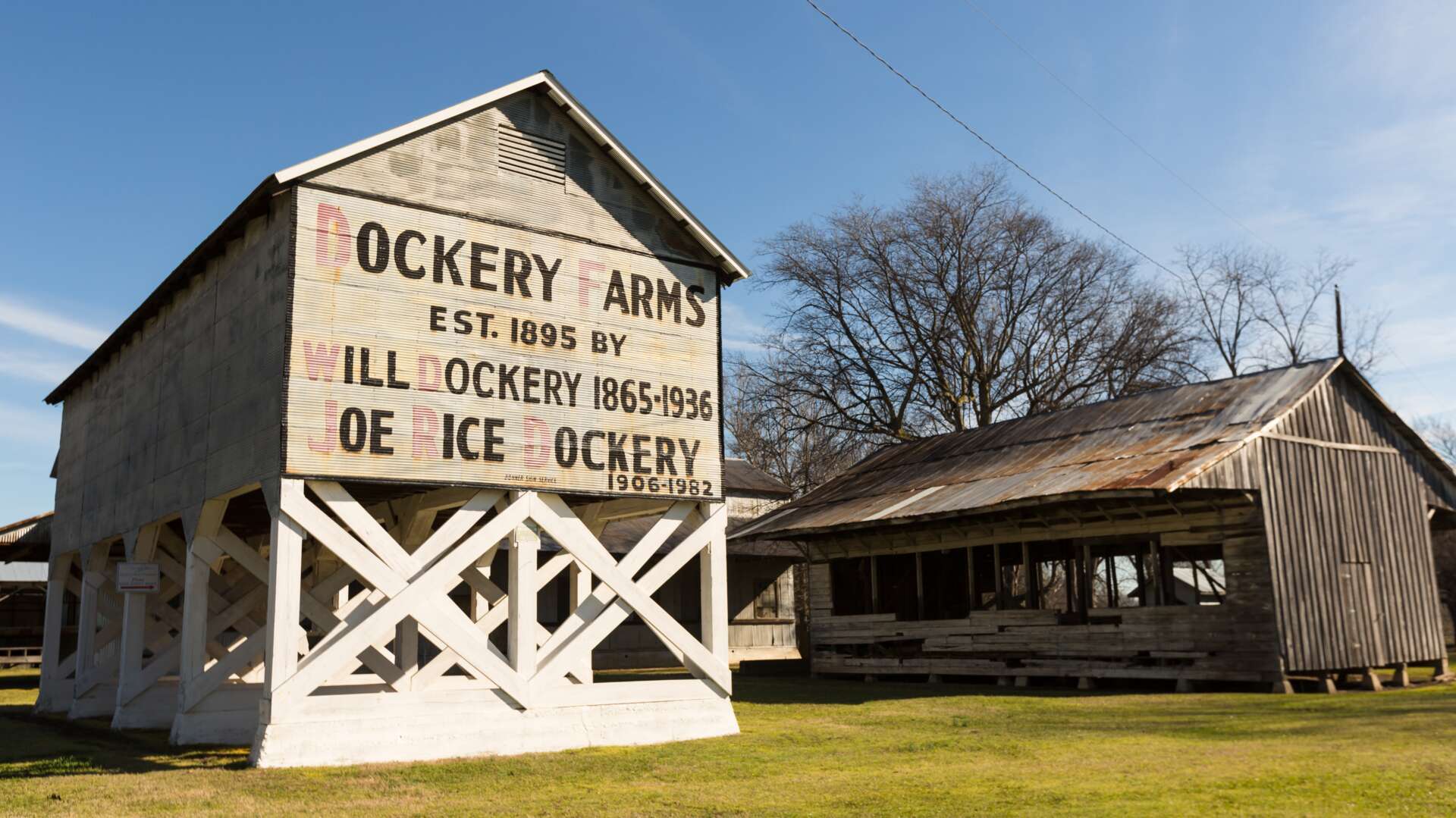
The two-to-three-hour drive into the Mississippi Delta brings you into a rural landscape that pla...
The drive north into Tennessee takes around three to four hours, and you can keep it straightforw...
The drive from Memphis to Birmingham is around four hours, and you can break it up with optional ...
If you’re keen to carry the journey further, there are plenty of easy add-ons. You could head str...

Highlights of trip
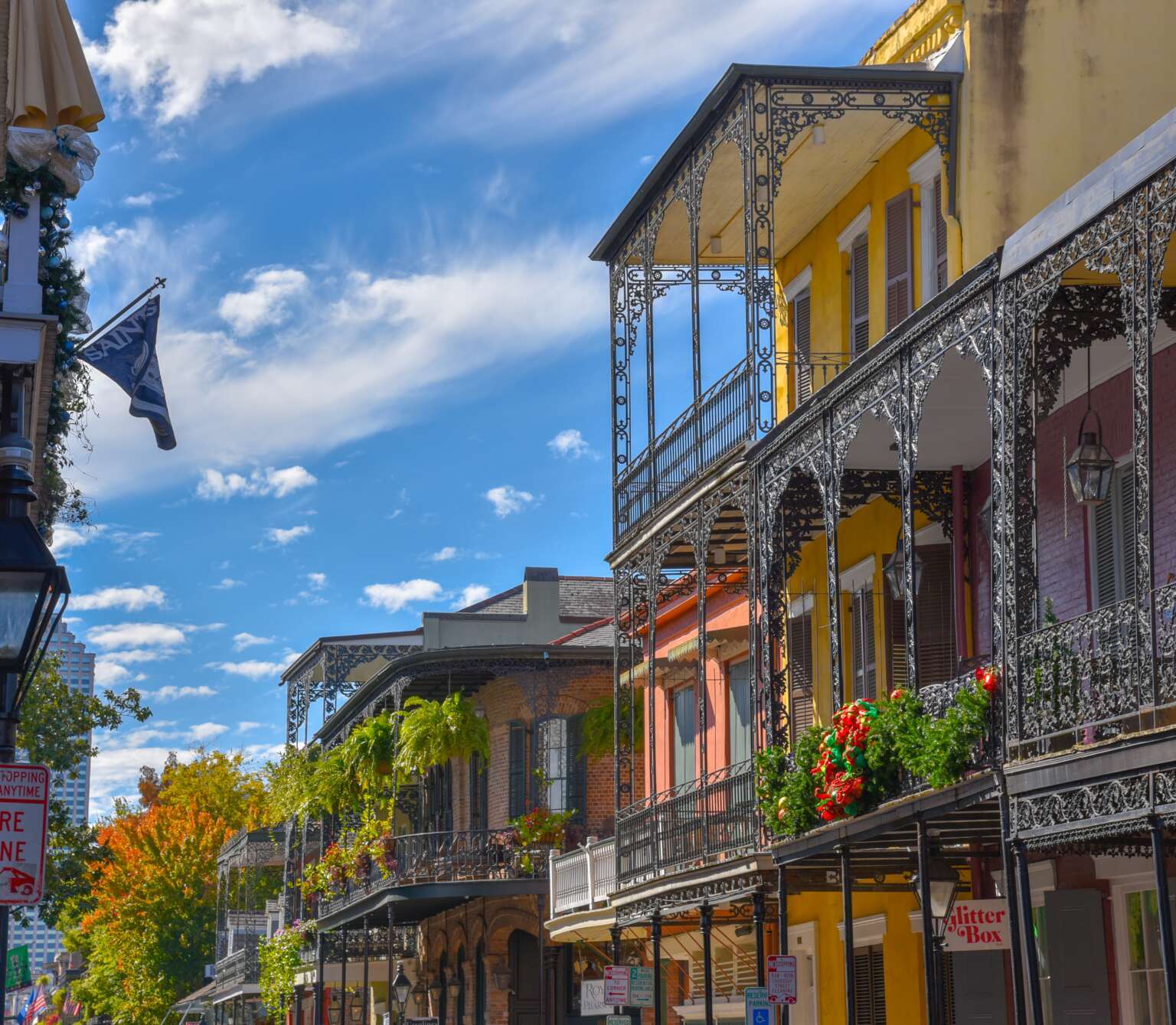
Take a walking tour through the beautiful French Quarter, one of America’s oldest and most unique neighbourhoods. Your local expert will guide you through, following in the footsteps of historic figures and taking in the Mighty Mississippi, the French Market and Jackson Square. Founded in 1718 by French explorer Jean-Baptiste Le Moyne, Sieur de Bienville, you’ll learn all about the city’s Creole heritage, its architecture, courtyards, gardens, food, music, and art.
Jump to itinerary
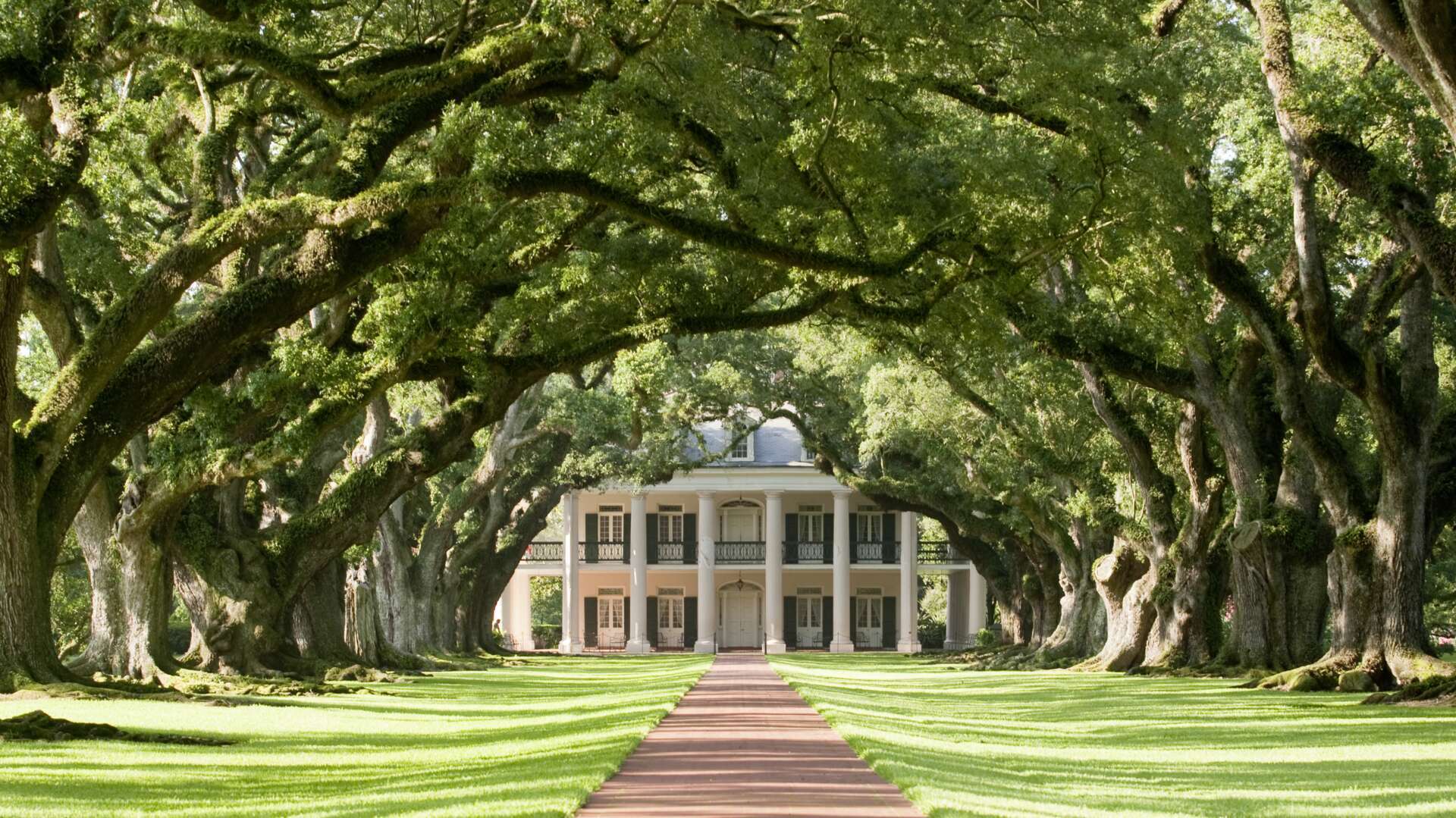
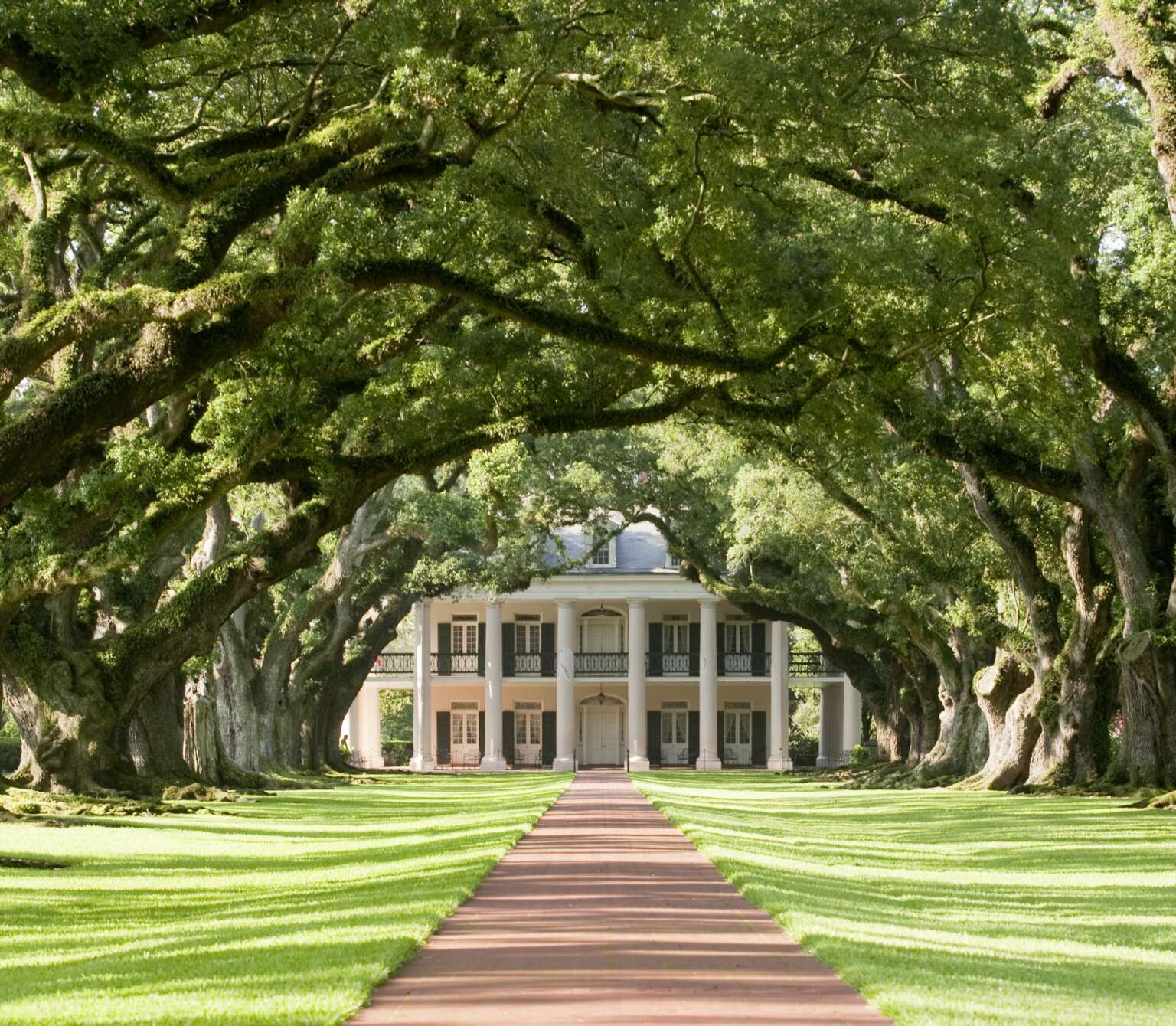
Swap the vibrant city streets of New Orleans for the rugged rural scapes of The Old South on this fascinating journey to the Oak Alley Plantation. Prepare to be blown away by the exquisite architecture of the plantation as you navigate the quarter-mile long driveway before finally locking eyes on its prestigious pillared facade.
Jump to itinerary
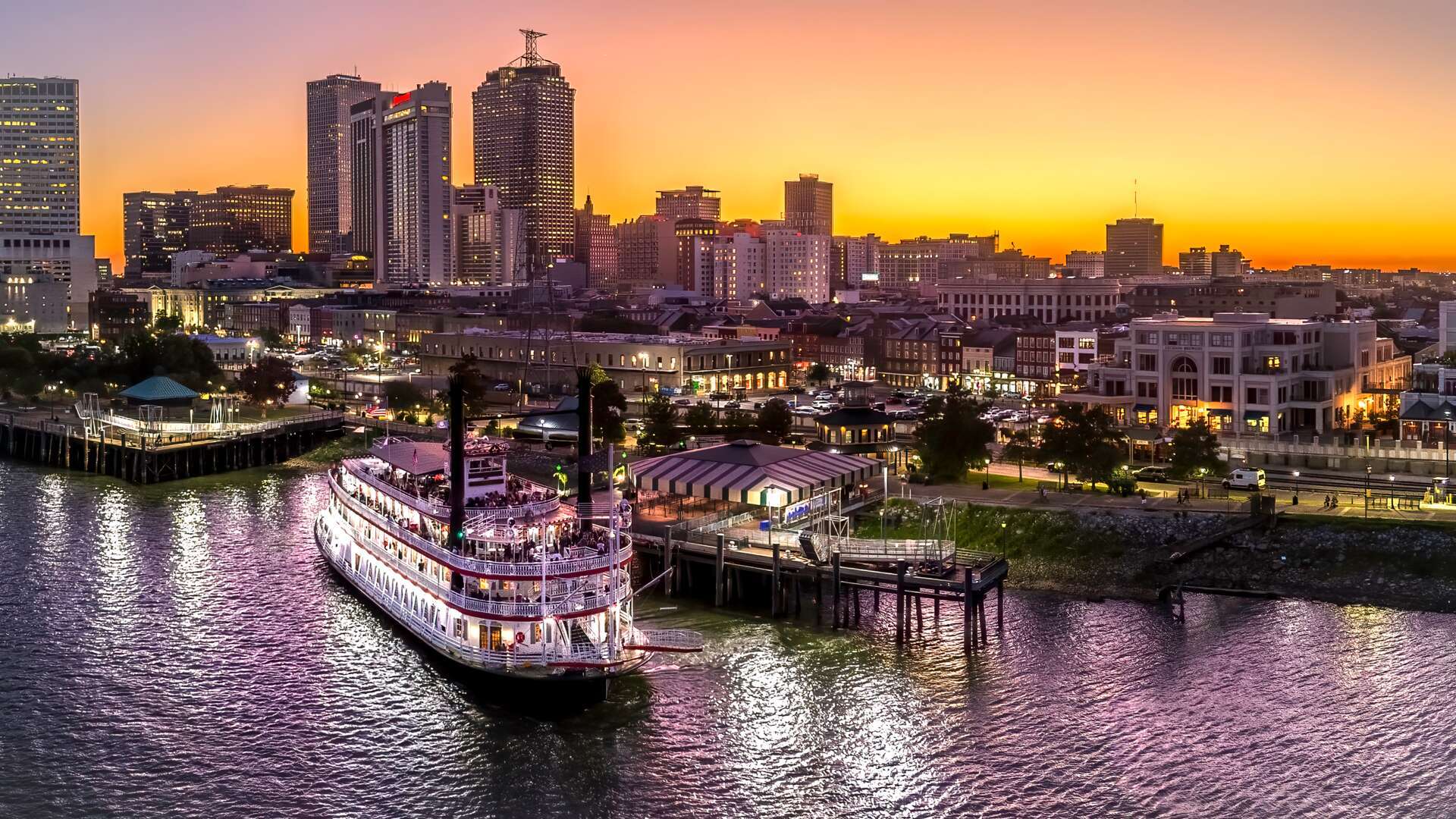
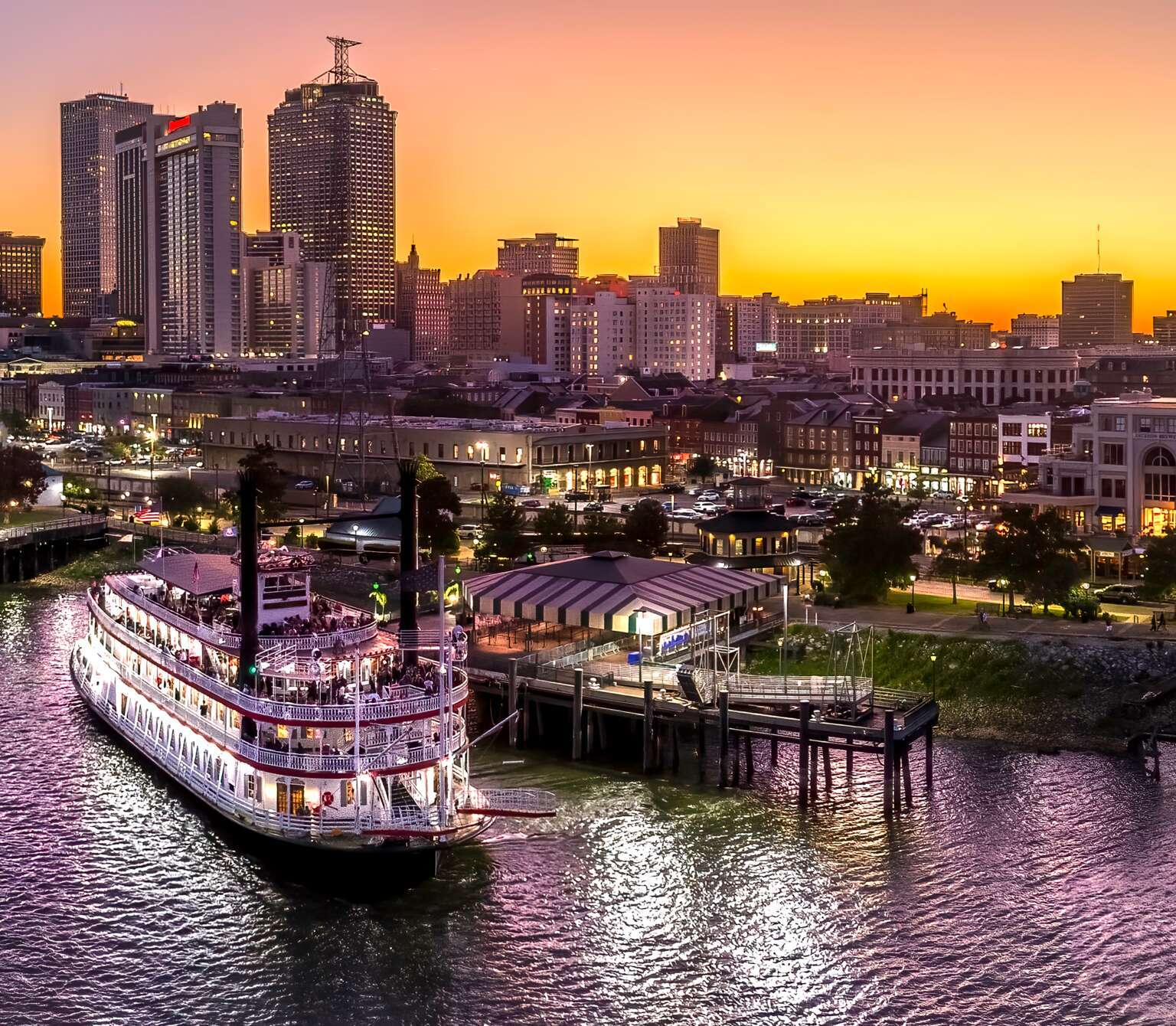
Sail along the city’s sparkling waters and take a deep dive into a mesmerising melting pot of sights and sounds on this breathtaking steamboat experience. Spectate the historical regions that surround the legendary Mississippi River and harness the opportunity to kick back and relax in undisputed style.
Jump to itinerary
There's no better place or time to contemplate the New Orleans' skyline than from aboard a good old-fashioned steamboat. And if the breathtaking views of the city's skyline aren't enough to satisfy your senses, you have the option to book the cruise with a casual buffet-style dinner.
Jump to itinerary
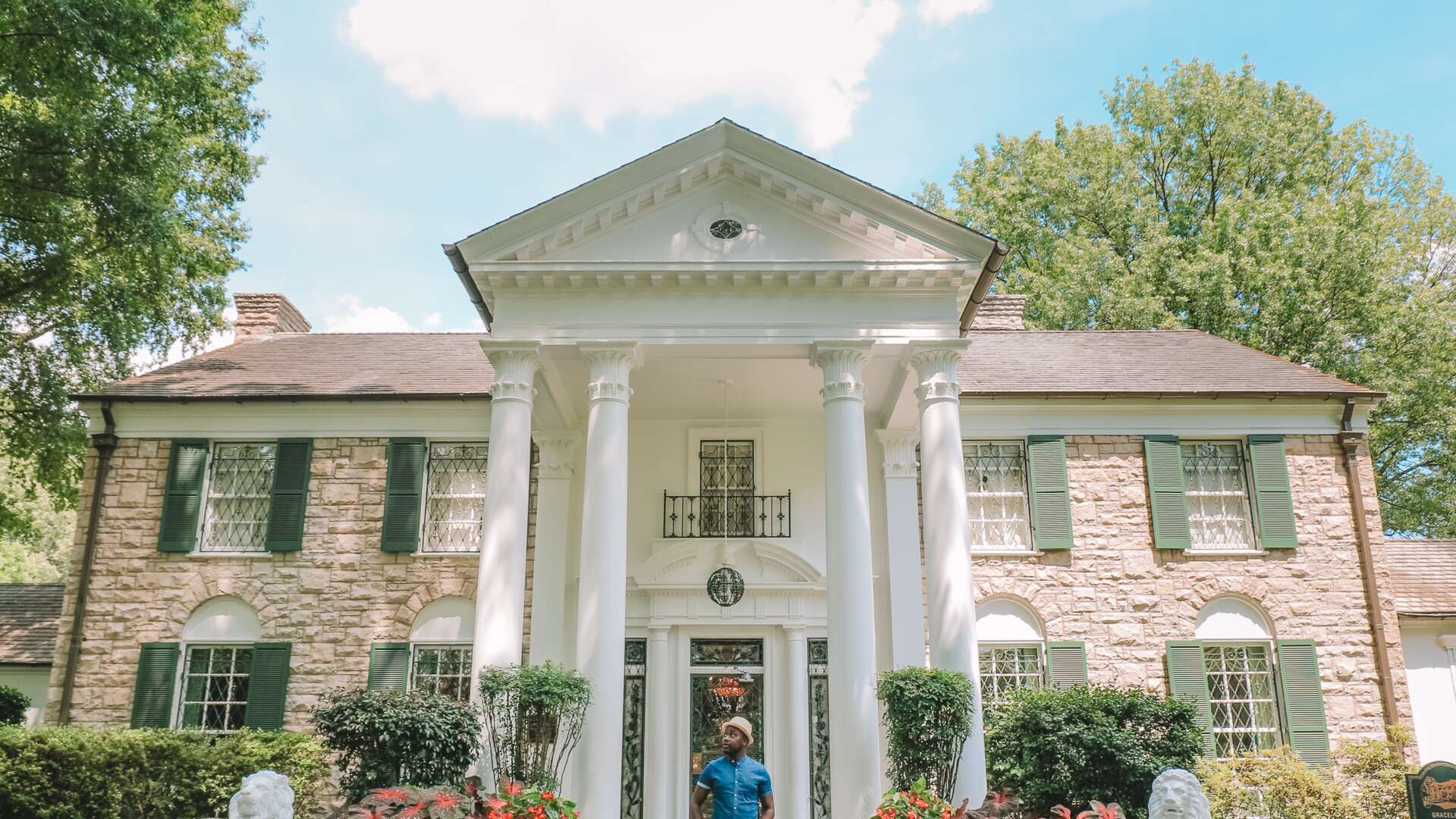
Walk through Graceland as if you belong there. This tour lets you follow in Elvis’s own blue-suede footsteps, with an audio guide featuring stories and commentary from Elvis himself and his daughter, Lisa Marie. You’ll see the rooms where he lived, laughed, worked, and unwound, from the living room and music room to the TV room, pool room, and the famously untamed Jungle Room (no lions, plenty of legend).
Jump to itinerary
Atlanta
Touch down in Atlanta for a convenient overnight stop that sets you up for the journey ahead. If you arrive with time and energy, the Martin Luther King Jr. National Historical Park and the National Centre for Civil and Human Rights provide powerful context and help frame what you’ll explore over the coming days. Otherwise, this is a well-timed pause to settle in before collecting your hire car in the morning and making the two-hour drive to Chattanooga, where the journey properly begins.

A swish hotel cocooned in a glass skyscraper in a prime position on Midtown Mile, Loews Atlanta promises attentive service, luxurious bedrooms, a top restaurant, and an exc...

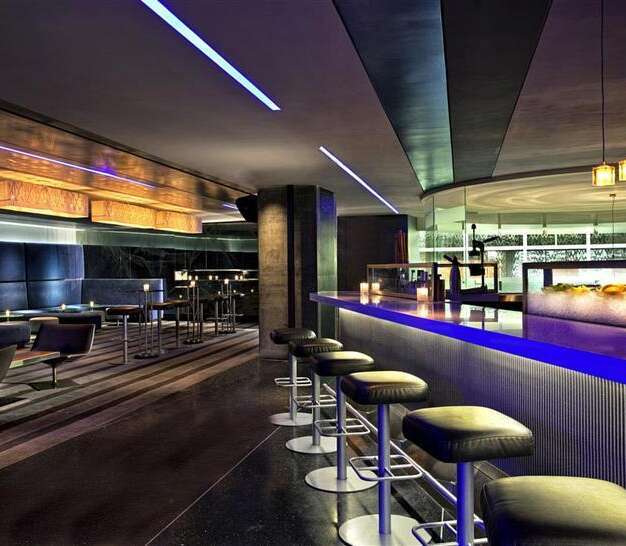
The striking architectural glass box that is the W Atlanta brings a landmark buzzy scene to Downtown, with lively social areas that are a magnet to a trendy crowd. The roof...

Leaning on its 60s heritage, The American Hotel in downtown Atlanta has a retro feel without sacrificing contemporary comfort. It’s an ideal base for getting out and about ...

Piercing the skyline of Atlanta, The Westin Peachtree Plaza is a gleaming glass skyscraper. At the very top, a sensational restaurant slowly revolves, treating guests to in...
Chattanooga
After the roughly 120-mile drive from Atlanta, you’ll ease into Chattanooga with time to explore its key Civil Rights sites. The MLK neighbourhood is a natural starting point, where murals and the Bessie Smith Cultural Centre highlight local stories and influential voices. From there, the city opens up easily. The historic Incline Railway carries you up Lookout Mountain for wide views across Tennessee and Georgia, while Ruby Falls adds an unexpected underground waterfall reached through cave tunnels. Music fans can visit the Songbirds Guitar & Pop Culture Museum, and the Chattanooga Choo Choo complex brings you to the former rail terminal that inspired the Glenn Miller hit and tends to stay in your head for the rest of the day.

This is a polished, contemporary hotel that’s a little playful, balancing good design and a relaxed confidence.
Montgomery
The drive from Chattanooga to Montgomery covers about 190 miles, with Tuskegee making a natural and worthwhile stop along the way. The Tuskegee Airmen National Historic Site tells the story of the pioneering Black pilots who trained here during the Second World War, and visiting the airfield adds weight to their legacy. Continuing on to Montgomery, the Civil Rights story comes sharply into focus. Over two nights, you’ll have time to visit key sites, including the Dexter Avenue King Memorial Baptist Church, the Rosa Parks Museum, the Freedom Riders National Monument, and the National Memorial for Peace and Justice with the adjoining Legacy Museum. These places are carefully presented and profoundly affecting. Spending unhurried time with them gives you a grounded understanding of the events that shaped modern America.
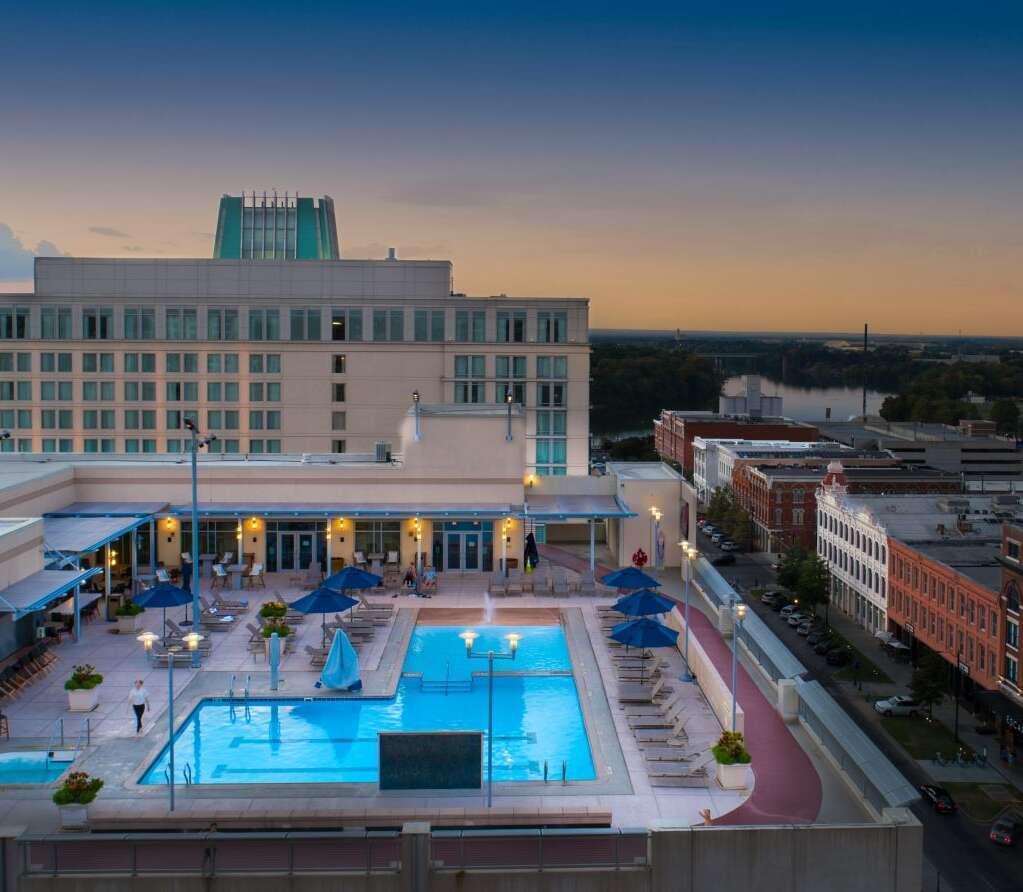
A riverfront hotel with a rooftop pool and easy access to Downtown Montgomery.
Mobile and the Gulf Shores
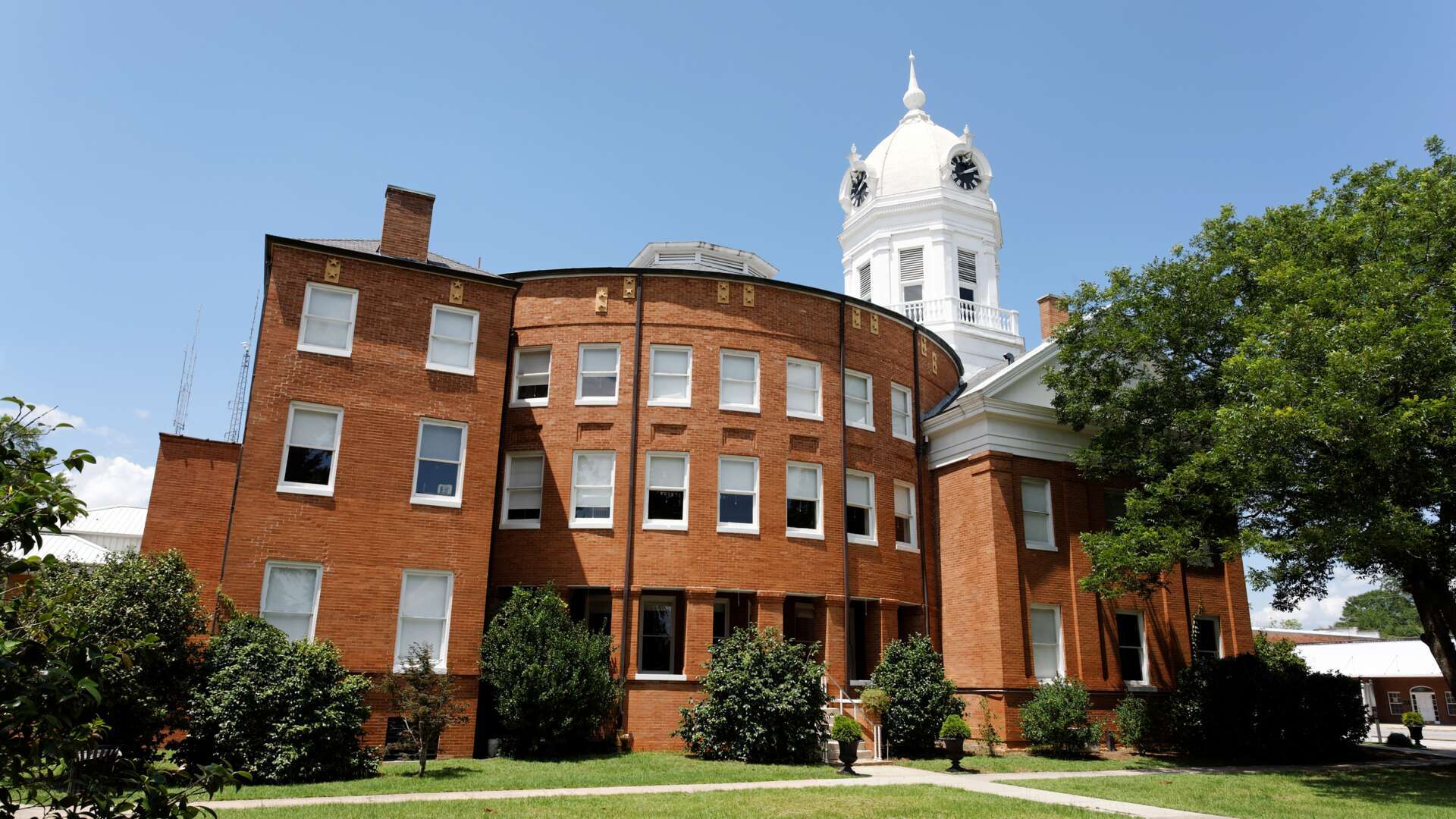
The run south towards Mobile is about three hours from Montgomery, with two meaningful detours that add real depth to the day. Selma comes first, where crossing the Edmund Pettus Bridge, the site of the 1965 Bloody Sunday voting rights march, offers a powerful moment of reflection. Monroeville follows, a small Alabama town with a remarkable literary legacy. It is the hometown of Harper Lee and Truman Capote, and the historic courthouse that inspired To Kill a Mockingbird still sits proudly on the square. Before heading out to the Gulf Shores, it’s well worth visiting the Africatown Heritage House, which shares the story of the Clotilda, the last known ship to bring enslaved Africans to the United States, and the community built by its survivors. It is a thoughtful and moving stop that adds important context before the trip opens into sea air, slower streets and a change of pace.
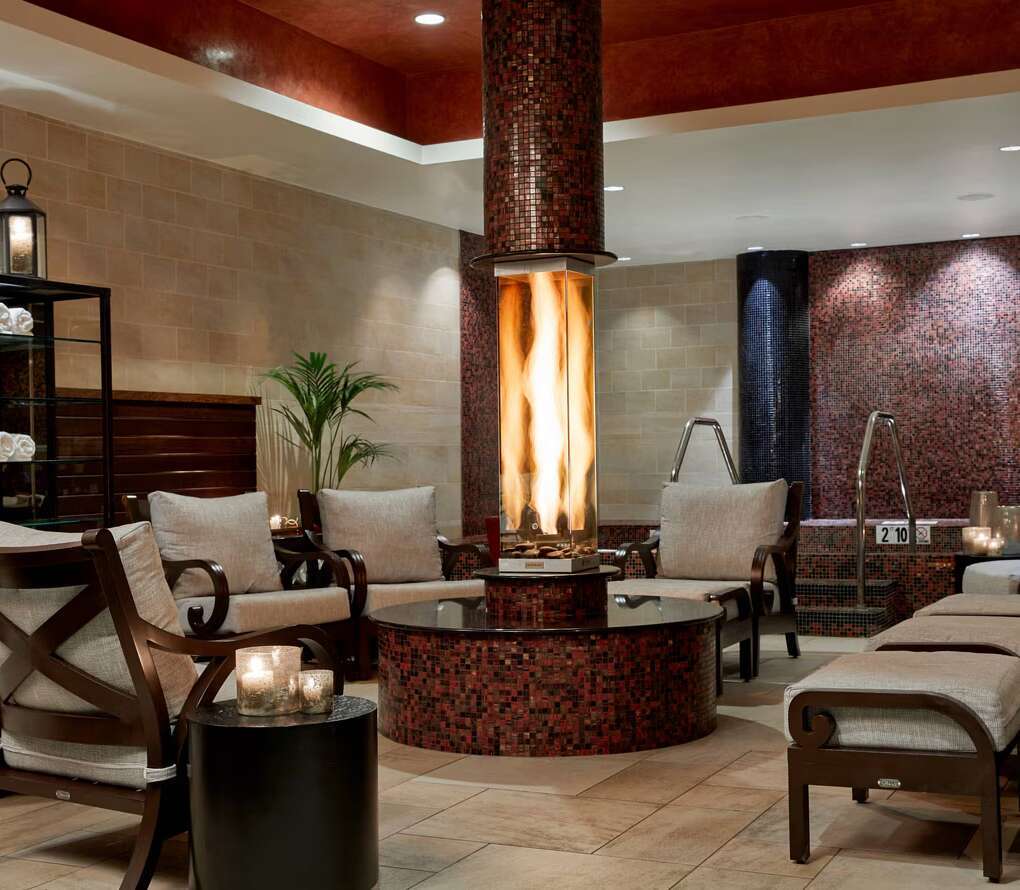
An elegant hotel with vaulted ceilings, a prime downtown location and a swanky spa.
New Orleans
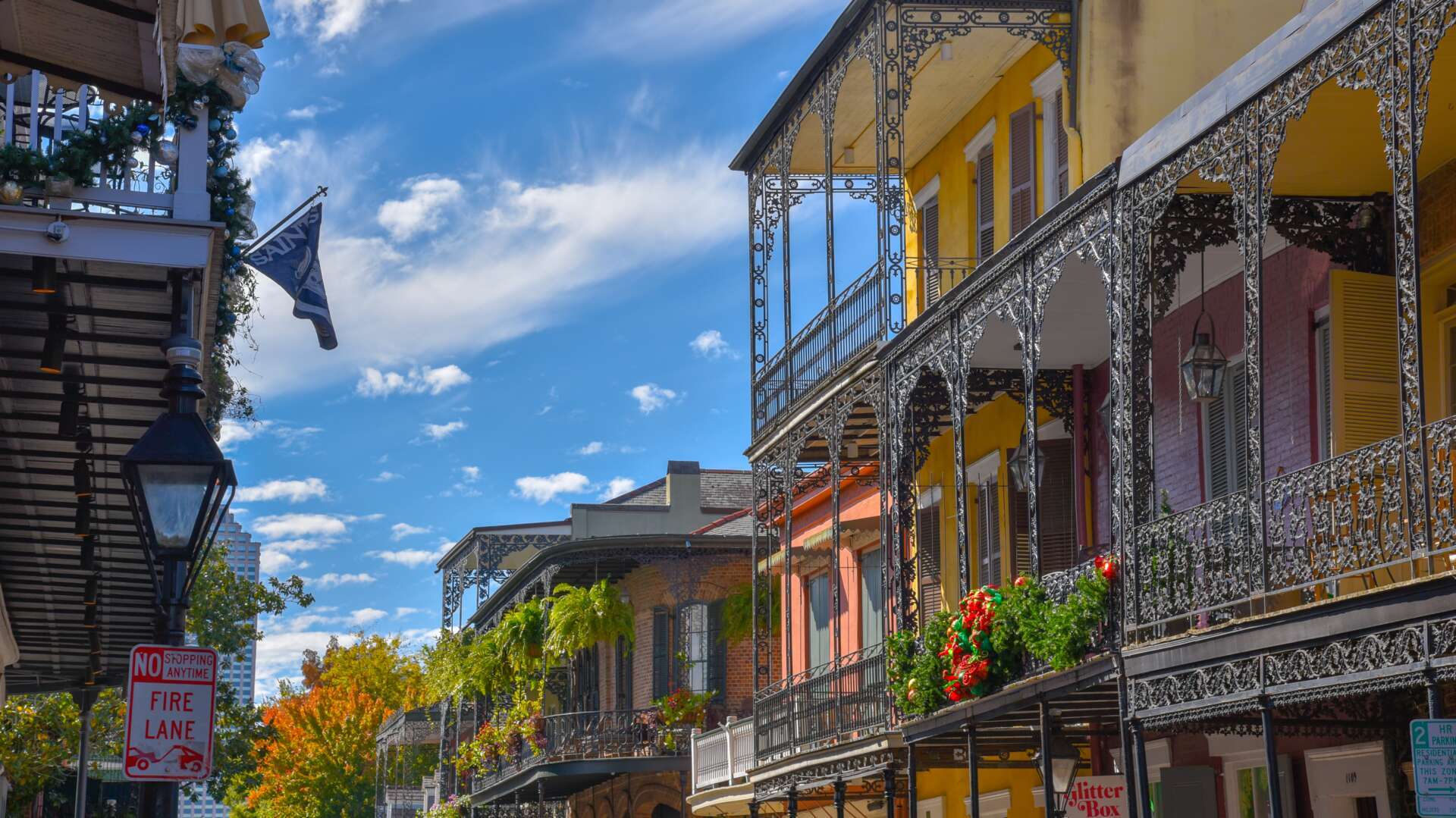
The drive from Mobile to New Orleans is a coastal run of around three hours, carrying you past marshes, bays and vast stretches of open water as you cross from Alabama into Mississippi and then Louisiana. It is an easy route with natural places to break the journey, and Bay Saint Louis is one of the best, offering a friendly main street, relaxed cafés, and a small-town Gulf Coast feel before you continue west. Arrive in New Orleans, and the shift in atmosphere is immediate. The city’s layered history, including its African American heritage and moments tied to the broader Civil Rights era, sits alongside Creole and Cajun culture, brass bands, wrought-iron balconies, and a food scene that is famously bold. Your included French Quarter walking tour helps you get your bearings early on, and from there, you can explore the city in a way that suits you. You can also choose to visit Oak Alley Plantation, where guided tours address the lives of the enslaved people who lived and worked there, offering essential and thoughtful context within the broader history of the region.


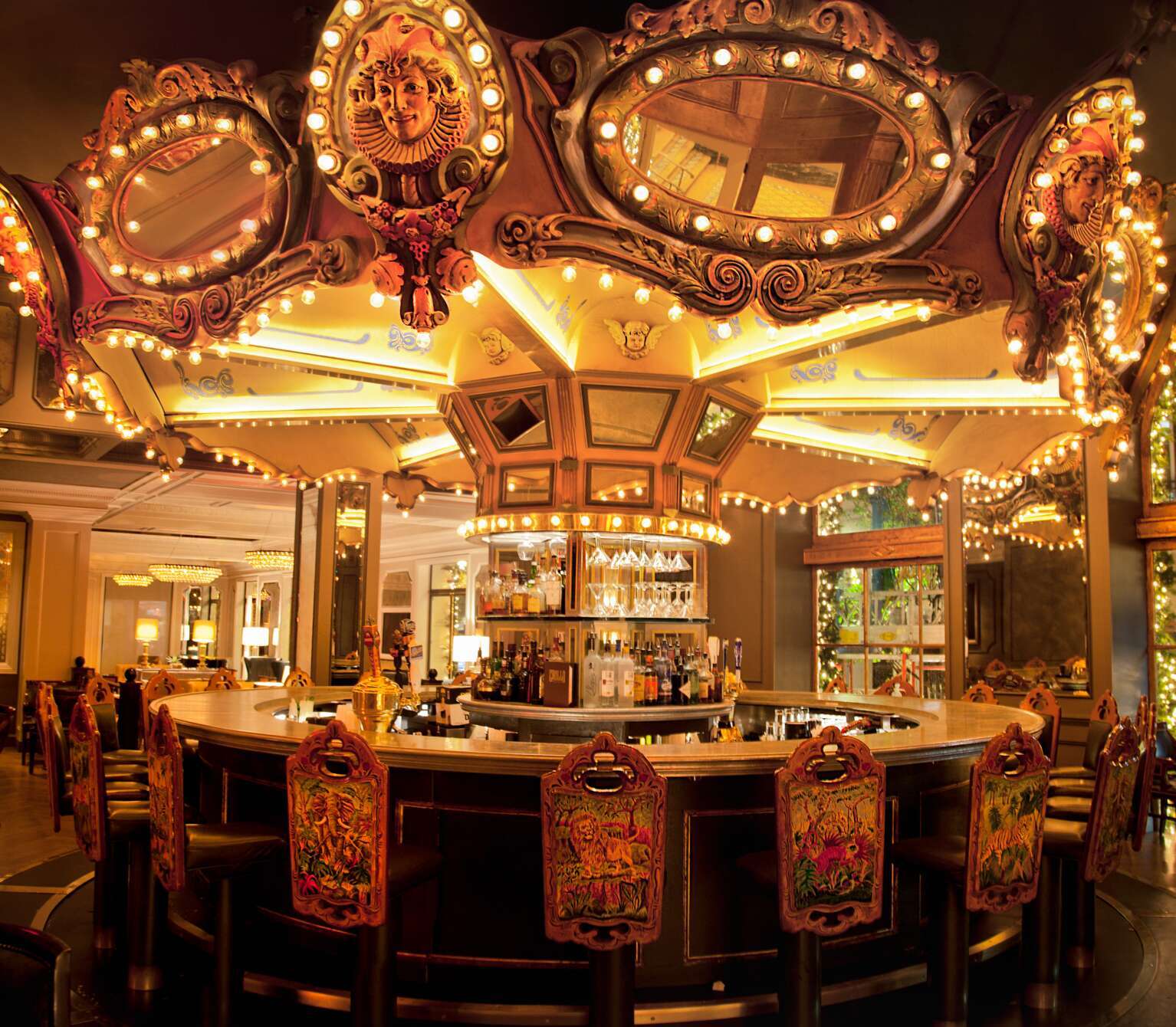
A storied hotel whose lobby is said to mark the beginning of the New Orleans’ famous French Quarter, few American hotels can claim such a rich history as the Hotel Monteleone.

Grandeur and elegance in the heart of New Orleans, Omni Royal Orleans is the perfect retreat for a classic luxury city break.
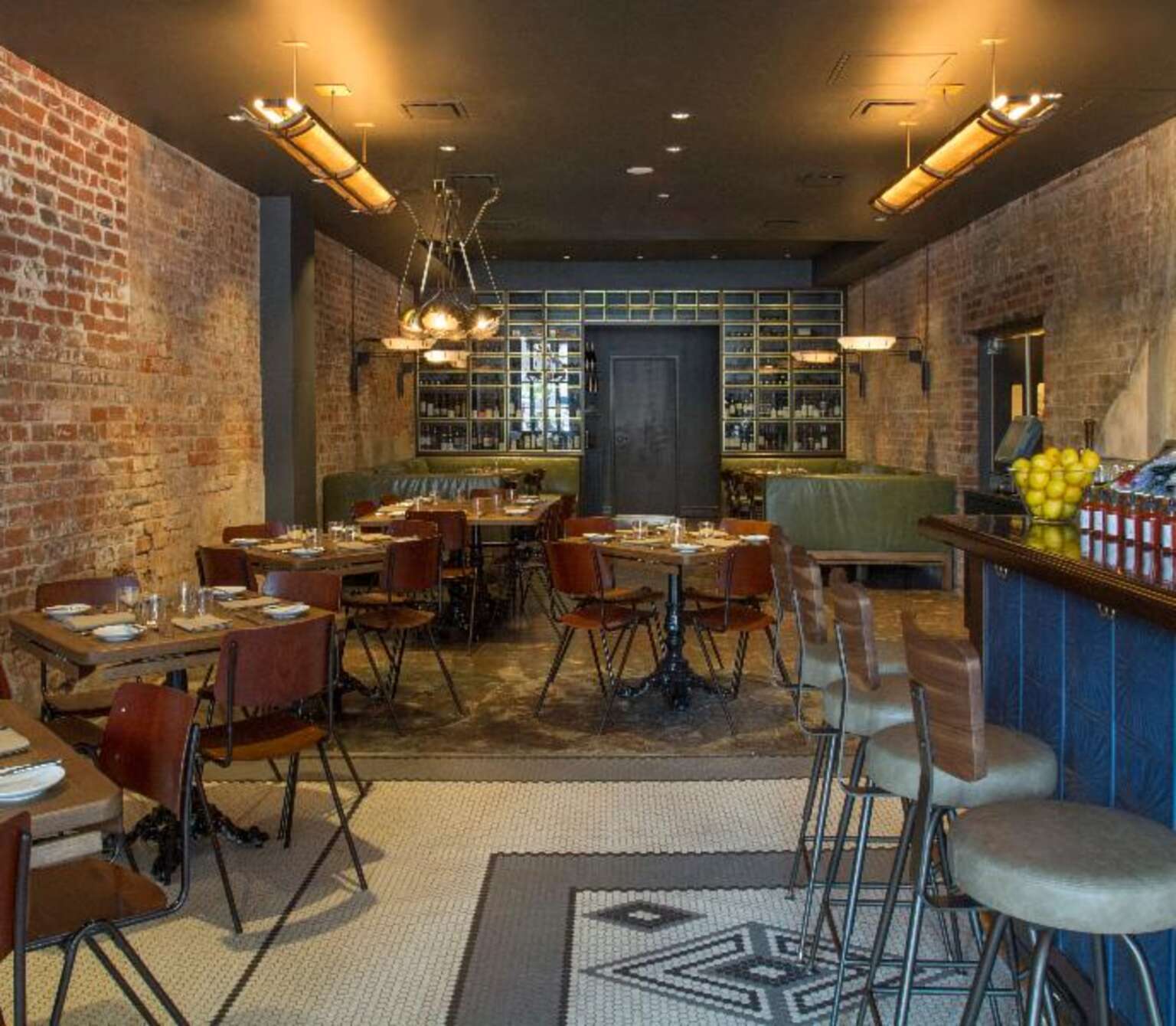
Artsy-yet-unpretentious, The Old No.77 is close enough to the French Quarter action to get involved but is a pleasingly quieter spot to retreat to once you’ve had your fill.

A red-brick warehouse in New Orleans’ Arts District has been reimagined as a contemporary and convenient hotel without losing a sense of the building’s industrial beginnings.
South Louisiana
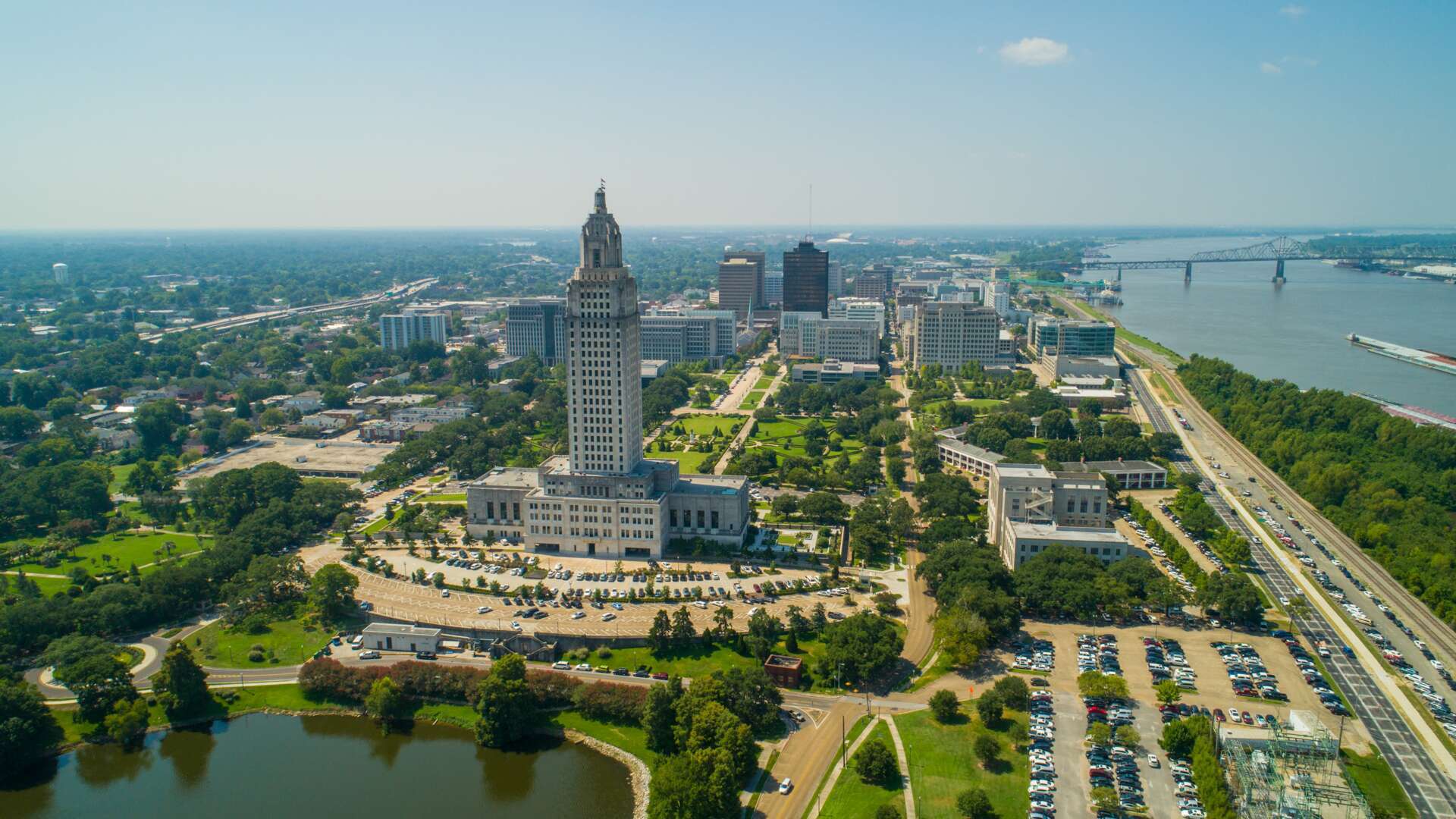
Leaving New Orleans, the drive west into South Louisiana only takes a couple of hours, and the cultural shift is immediate. Here you can stay overnight in either Lafayette or Baton Rouge, each offering a different window into the region. Lafayette is one of the key centres of Cajun culture, known for its lively music spots, family-run eateries and a strong sense of local identity that makes the area feel warm and distinctive. Baton Rouge, the state capital, offers a more urban mix of influences, with historic districts, riverfront views, and a broad food scene shaped by Cajun and Creole traditions.
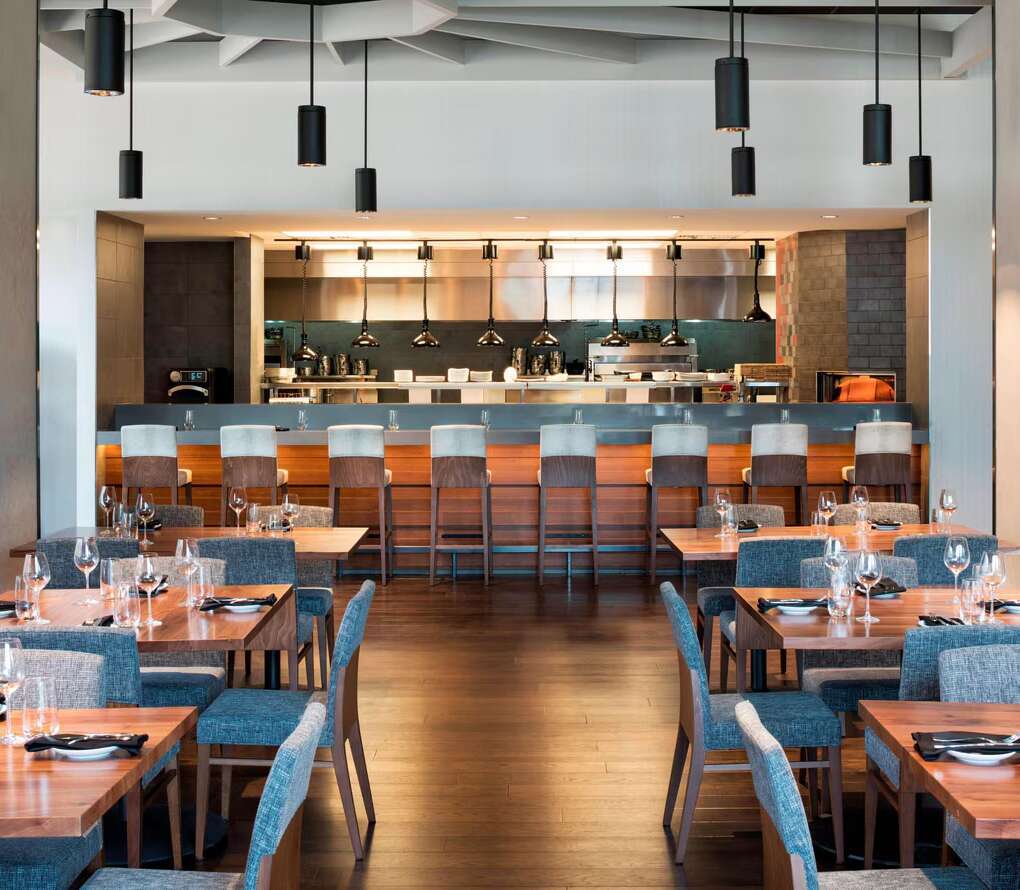
Watermark is a spacious, comfortable choice in Baton Rouge and will help you feel settled, even if you’re here just for a night or two.

A modern riverfront hotel with an outdoor pool and easy access to the city’s major highways.
Natchez
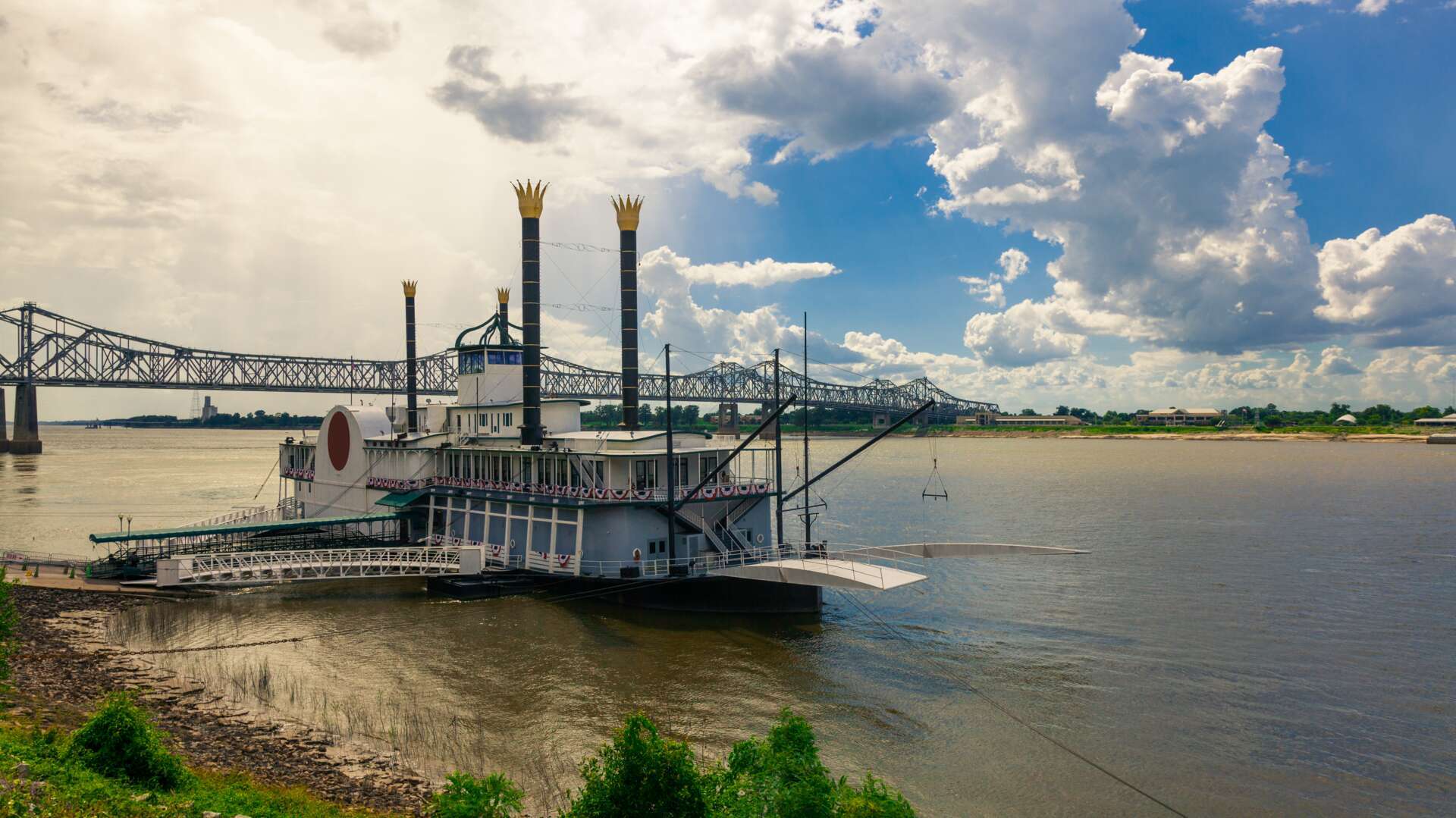
The drive north to Natchez takes around three hours and brings you to the banks of the Mississippi River. Natchez offers a quieter break on the itinerary. After several days rich in history and intensity, this town lets you slow down, explore its historic streets, enjoy waterfront and river-bend views, and reset.
Jackson
Jackson is only about a two-hour drive from Natchez, so if you set off in the morning, you’ll arrive with plenty of time to explore. As Mississippi’s capital, it’s one of the most significant stops on the Civil Rights Trail, and the Mississippi Civil Rights Museum is a clear highlight, offering thoughtful, powerful storytelling that connects state history with national change. Next door, the Museum of Mississippi History adds a practical, broader context. You can also visit the Medgar and Myrlie Evers Home National Monument, where the movement's realities feel especially close.
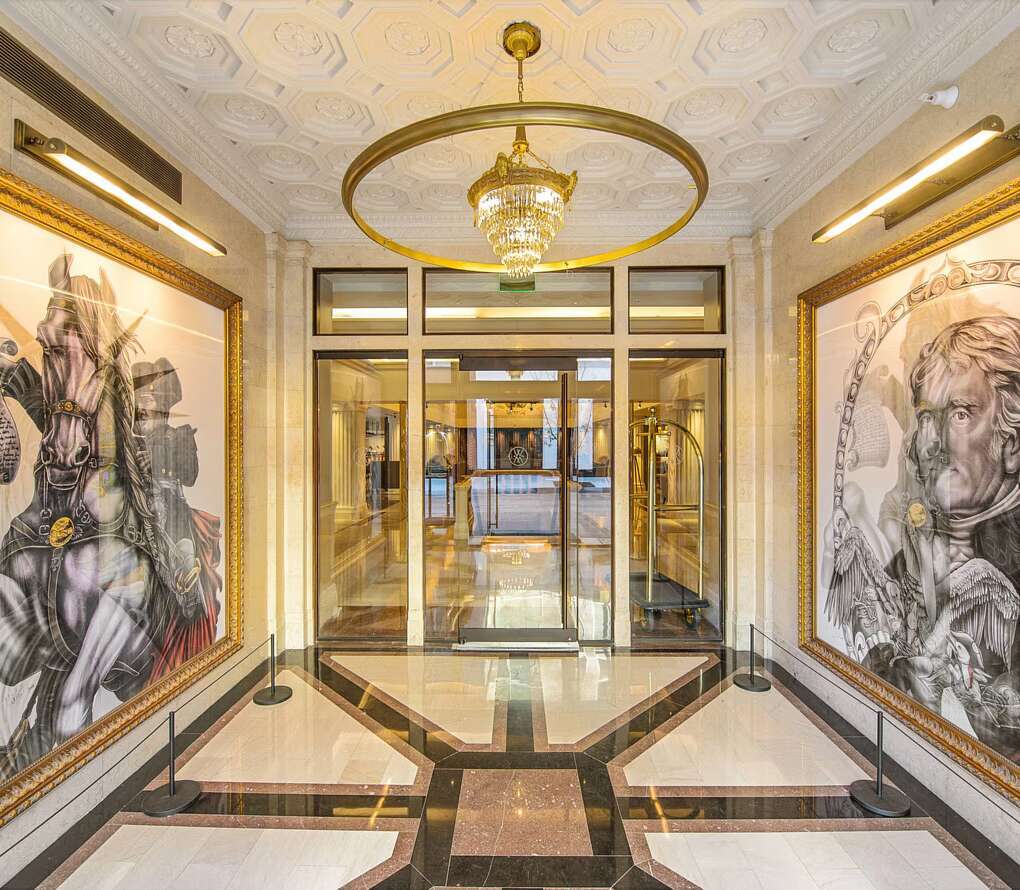
Mississippi Delta
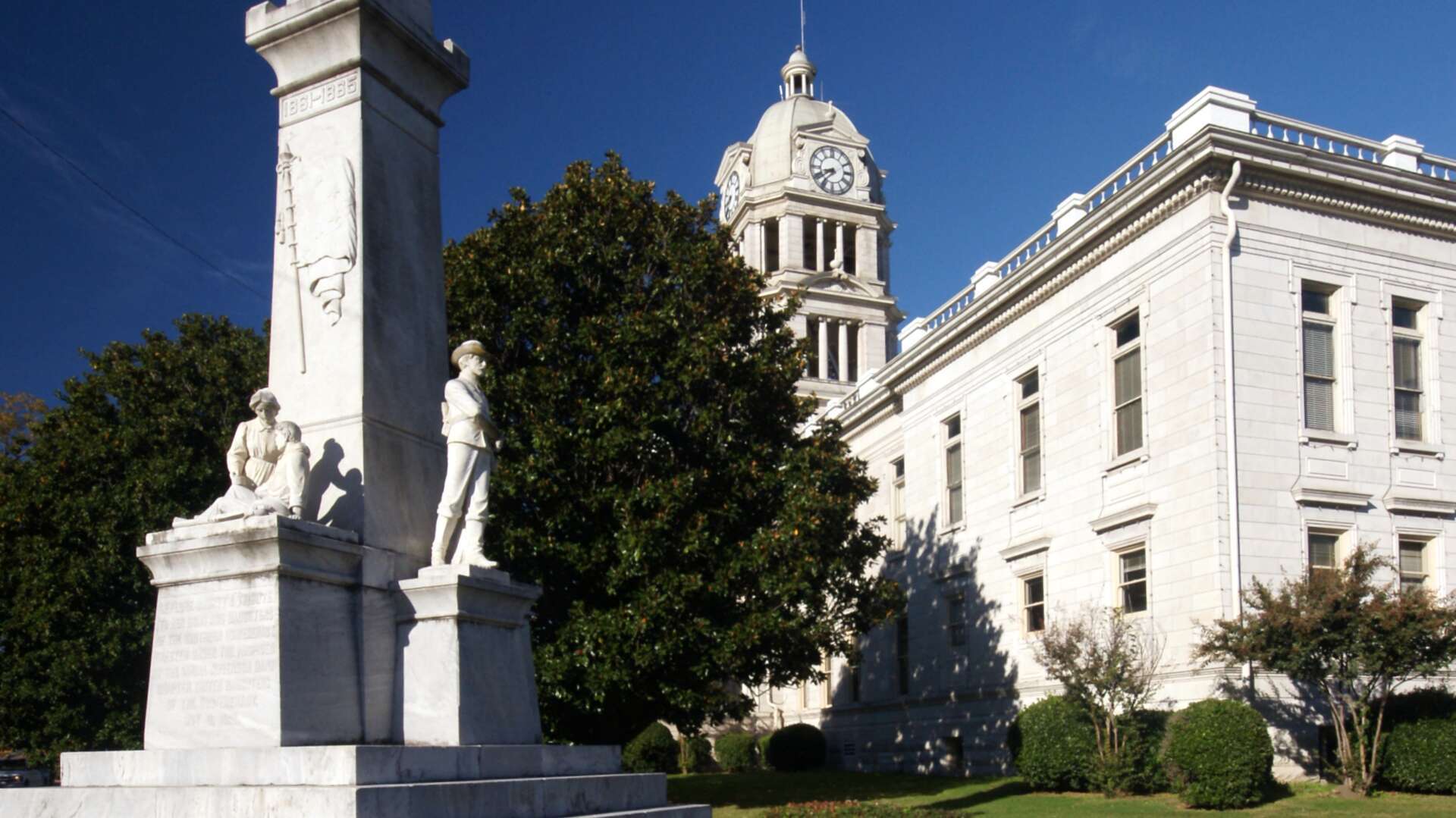
The two-to-three-hour drive into the Mississippi Delta brings you into a rural landscape that played a defining role in both the Civil Rights movement and modern American identity. Greenwood is your overnight base, and from here you can visit nearby communities such as Money, Glendora, and Sumner, which are central to the story of Emmett Till, the fourteen-year-old whose 1955 murder became a turning point that helped galvanise the movement. Memorials and interpretive sites across the region tell this history with care, and in Greenwood itself, a statue of Emmett Till stands in Rail Spike Park as a powerful reminder of his legacy.

Small town pace, wide skies, and a main street define Greenwood, with The Alluvian giving it a fresh, confident edge.
Memphis
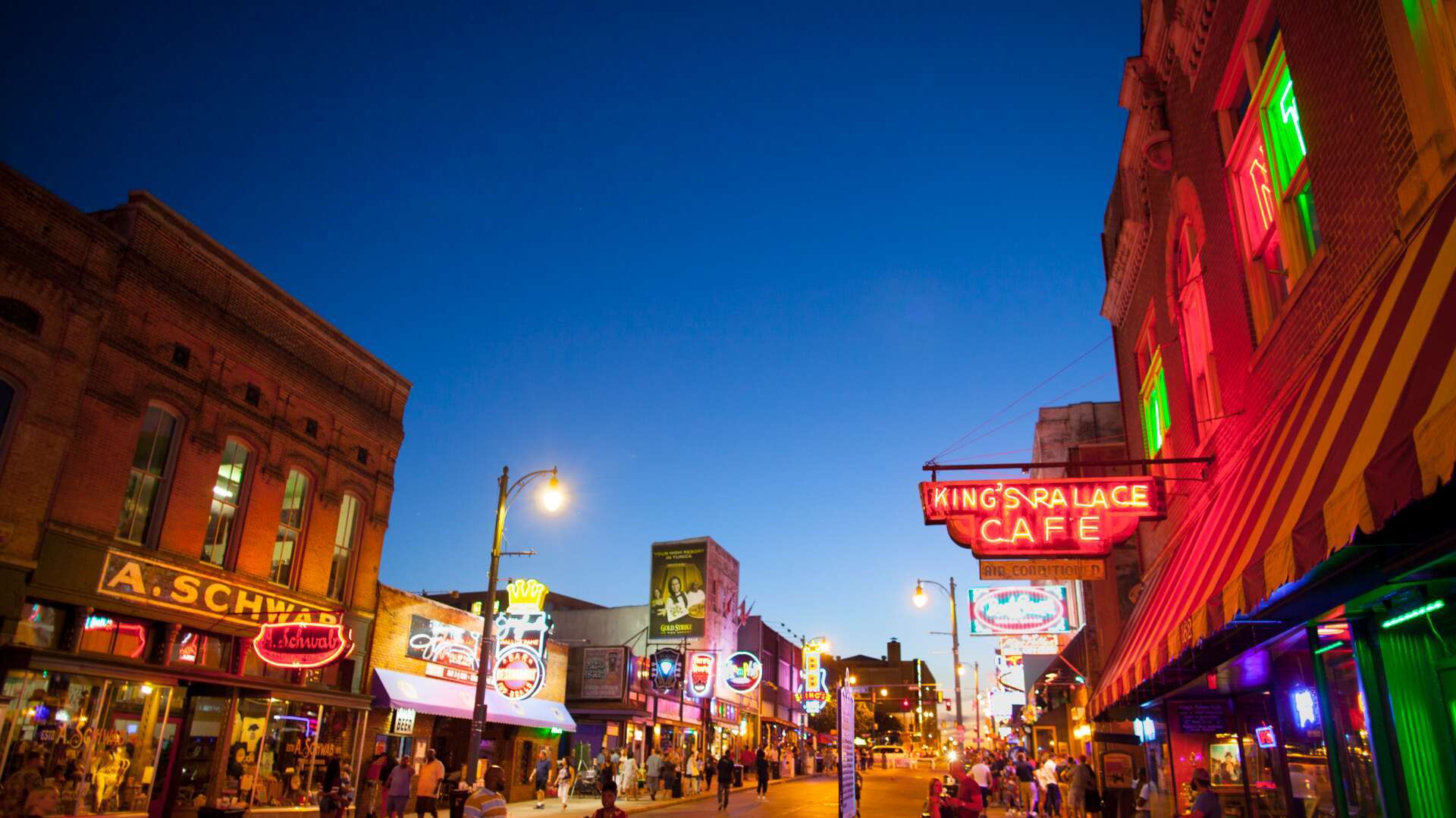
The drive north into Tennessee takes around three to four hours, and you can keep it straightforward or build in short cultural detours along the way. Once you reach Memphis, the Civil Rights story comes sharply into focus. The National Civil Rights Museum, centred on the Lorraine Motel where Dr Martin Luther King Jr was assassinated, is one of the most powerful and thoughtfully presented museums in the country, and it anchors your time here. You’ll also take an included VIP tour of Graceland, which adds a different layer of cultural history, but the heart of your Memphis stay is the city’s role in the Civil Rights movement.
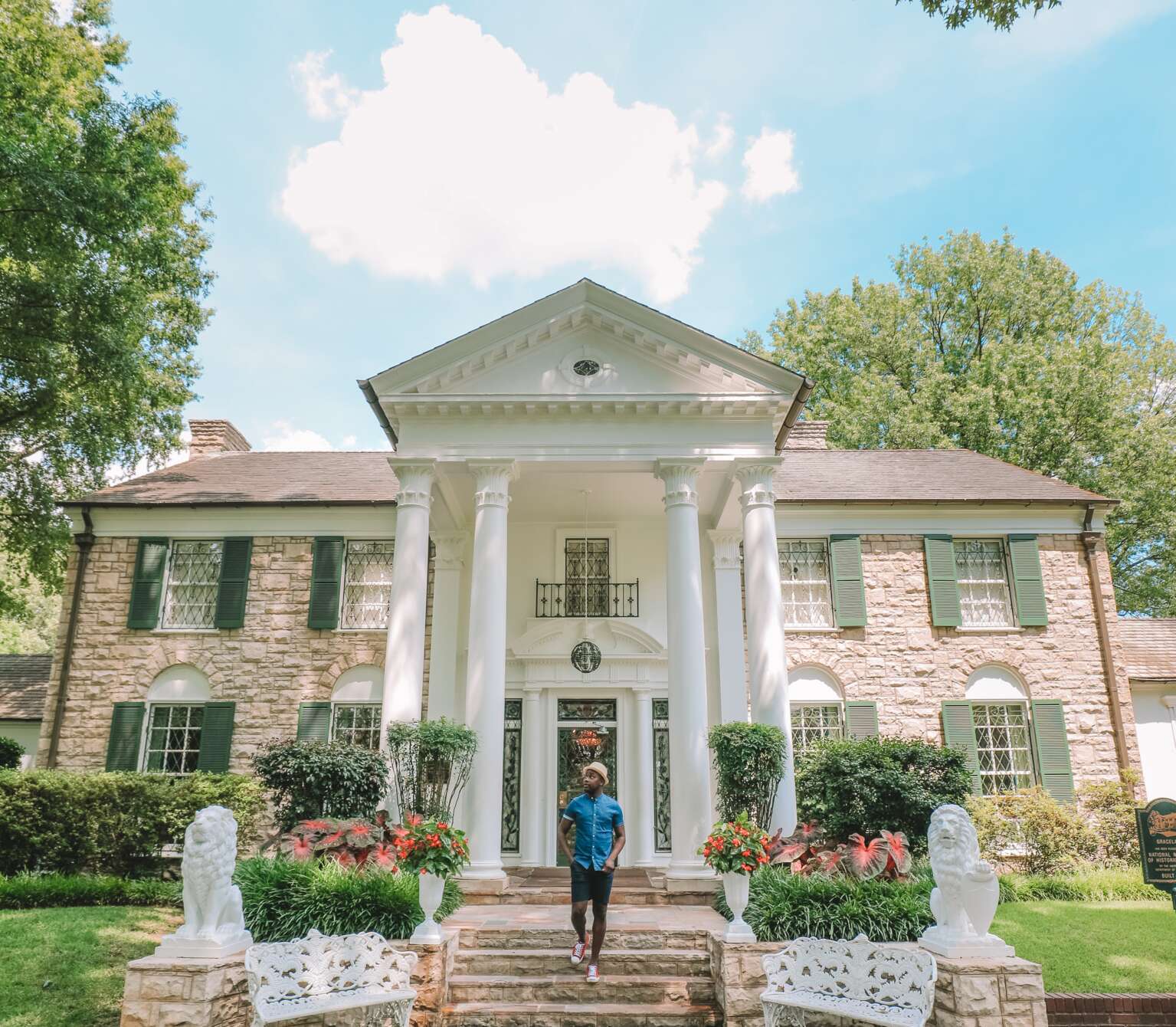
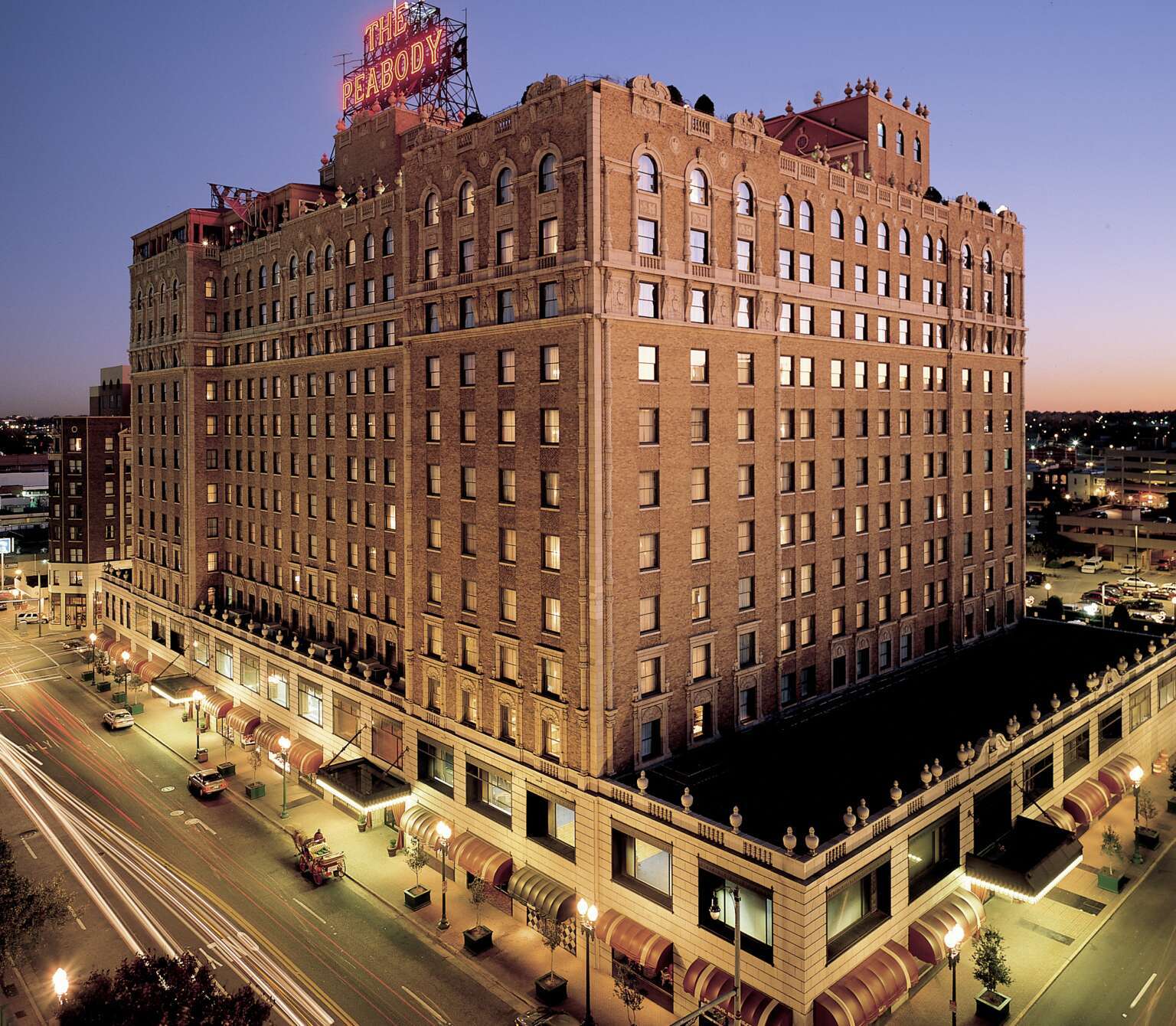
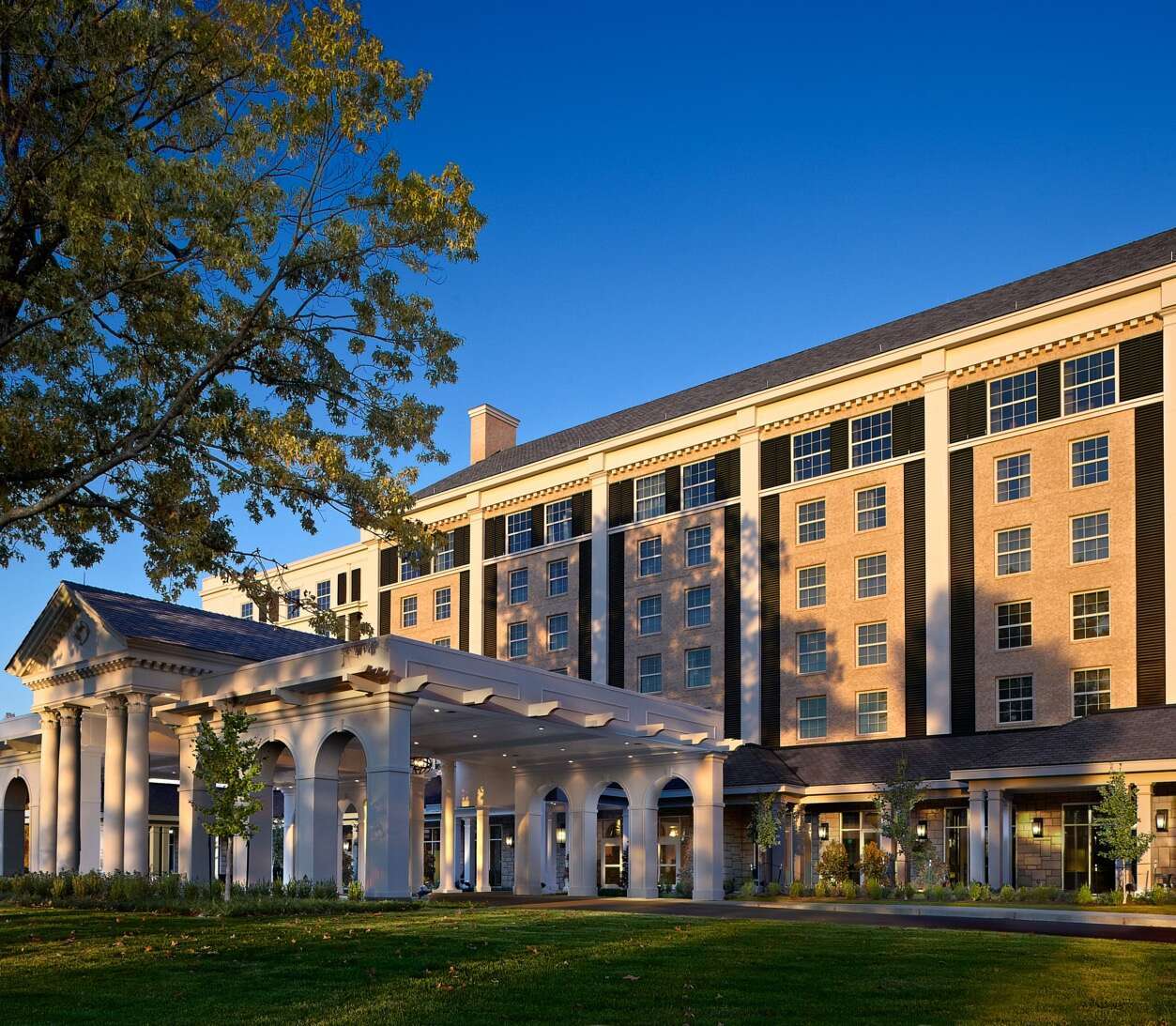
This ain’t no Heartbreak Hotel – The Guest House at Graceland embodies southern charm and is woven with an Elvis theme throughout. What’s more, it’s right next door to the Gra

A clean and contemporary hotel with easy access to Memphis’ metropolis of attractions.
Birmingham
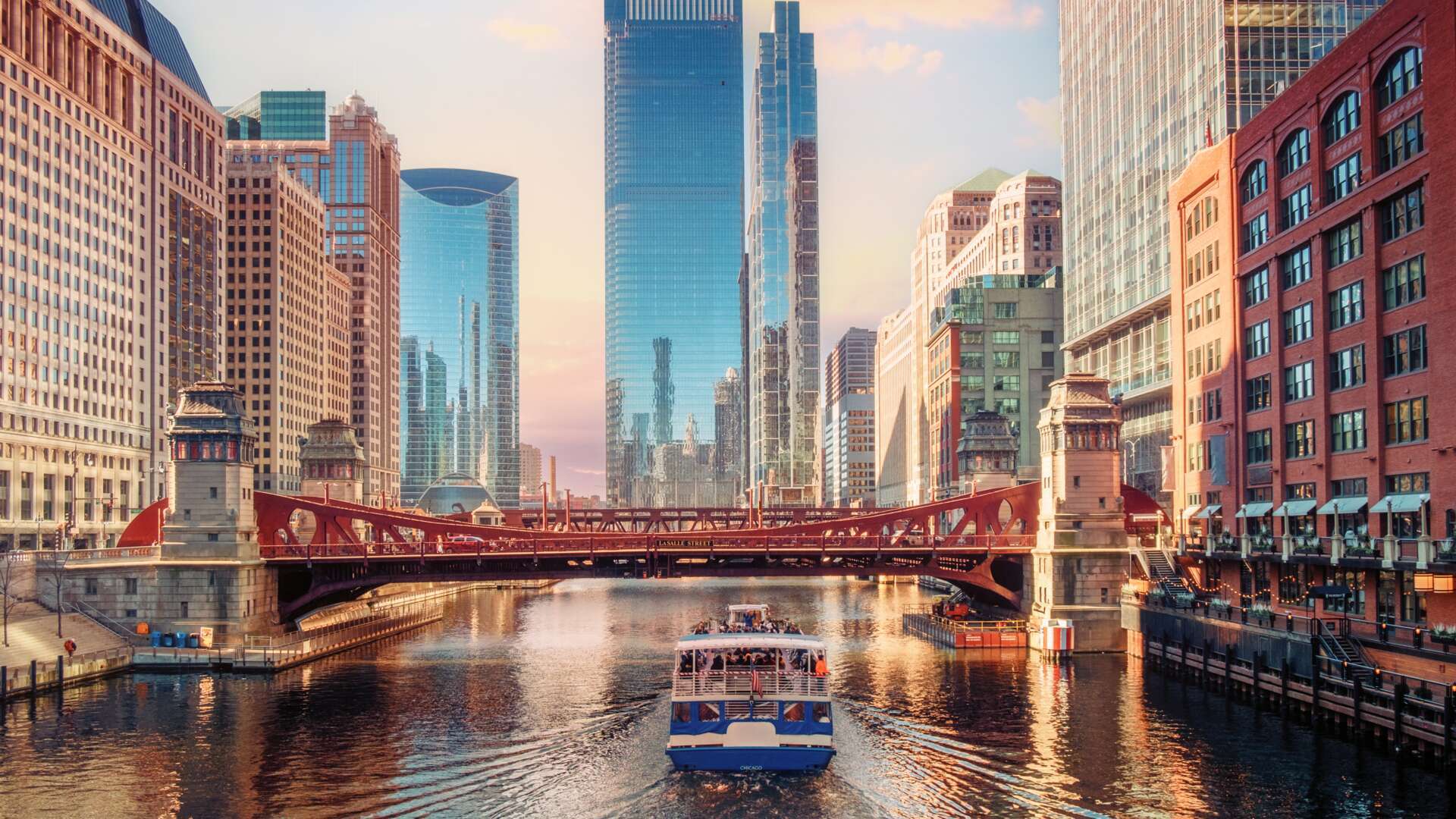
The drive from Memphis to Birmingham is around four hours, and you can break it up with optional detours. Oxford offers important context through its ties to the University of Mississippi and the 1962 integration crisis, while Tupelo offers a lighter cultural stop as the birthplace of Elvis Presley. Once you arrive in Birmingham, the Civil Rights story gathers real force. The 16th Street Baptist Church, the Birmingham Civil Rights Institute and the memorials in Kelly Ingram Park sit close together in the downtown area, making it easy to explore on foot and understand how this city became a focal point of the movement. It is a thoughtful, grounding chapter of the trip, and spending time here helps many of the journey’s earlier themes fall into place. After a night here, you’re well placed to make the final journey east to Atlanta for your flight home.
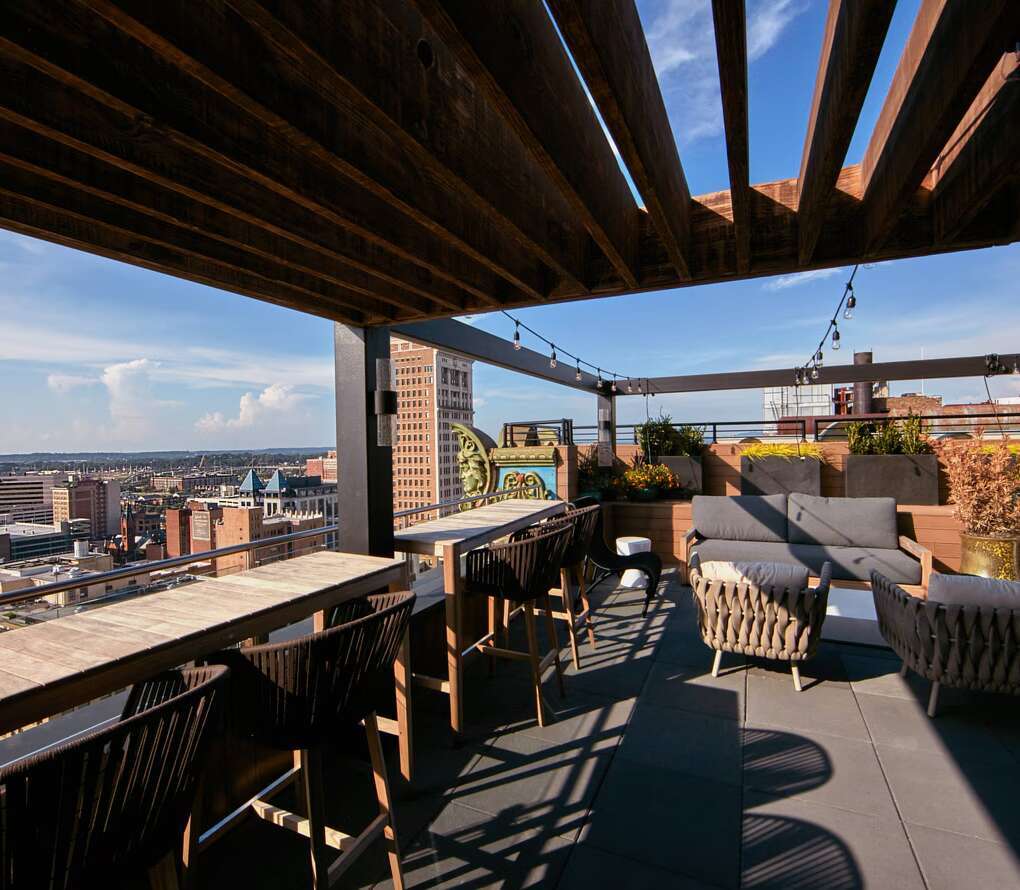
Treat yourself to one of Birmingham’s smartest hotels, in a location that drops you right in the middle of the city’s past and present.
New York, Chicago or Las Vegas
If you’re keen to carry the journey further, there are plenty of easy add-ons. You could head straight from Atlanta to New York, Chicago, Miami or Las Vegas for a bold, big city finale. If you’d rather keep exploring the Deep South, staying longer in Atlanta works beautifully, or you can continue across the Smoky Mountains into North Carolina for mountain towns, craft breweries, and bluegrass roots. Another option is to drive from Atlanta towards the coast for a totally different rhythm, with Savannah, Hilton Head, and Charleston offering historic streets, coastal views, and a softer Southern accent to end your trip.
Other Itineraries


_w=24_h=25.webp?v=eda6da11e80078b43c7c0b57347c5022a821e27c)
_w=24_h=25.webp?v=eda6da11e80078b43c7c0b57347c5022a821e27c)
_w=24_h=25.webp?v=eda6da11e80078b43c7c0b57347c5022a821e27c)
Talk to an expert today
Your dream holiday is just a phone call away
Call us on 01306 744 988


Monday: 10am - 5pm
Tuesday: 10am - 5pm
Wednesday: 10am - 5pm
Thursday: 10am - 5pm
Friday: 10am - 5pm
Saturday: 10am - 5pm
Sunday: Closed