Middle East situation: we’re calling all customers with holidays booked up to 10th April in order of departure date. Latest update



-
Africa
-
Arabia
-
Asia
-
Australasia & Pacific
-
Caribbean
-
Central America
-
Europe
-
Indian Ocean
-
South East Asia
-
North America
- View all destinations

_w=200_h=165_pjpg.jpg?v=eed9279541dd7b52404fb4a7f716eaca487cc2a2)
_w=200_h=158_pjpg.jpg?v=eed9279541dd7b52404fb4a7f716eaca487cc2a2)
- Holiday type
- Brochures
- Collections
- Articles
- Where to go when


Speak to one of our experts now about this offer

Tibetan Retreats and Toy Trains in the Western Himalayas
Head into the heart of the Himalayas on this 11-day mountain adventure which includes stays in Dharamshala, Shimla and Delhi.
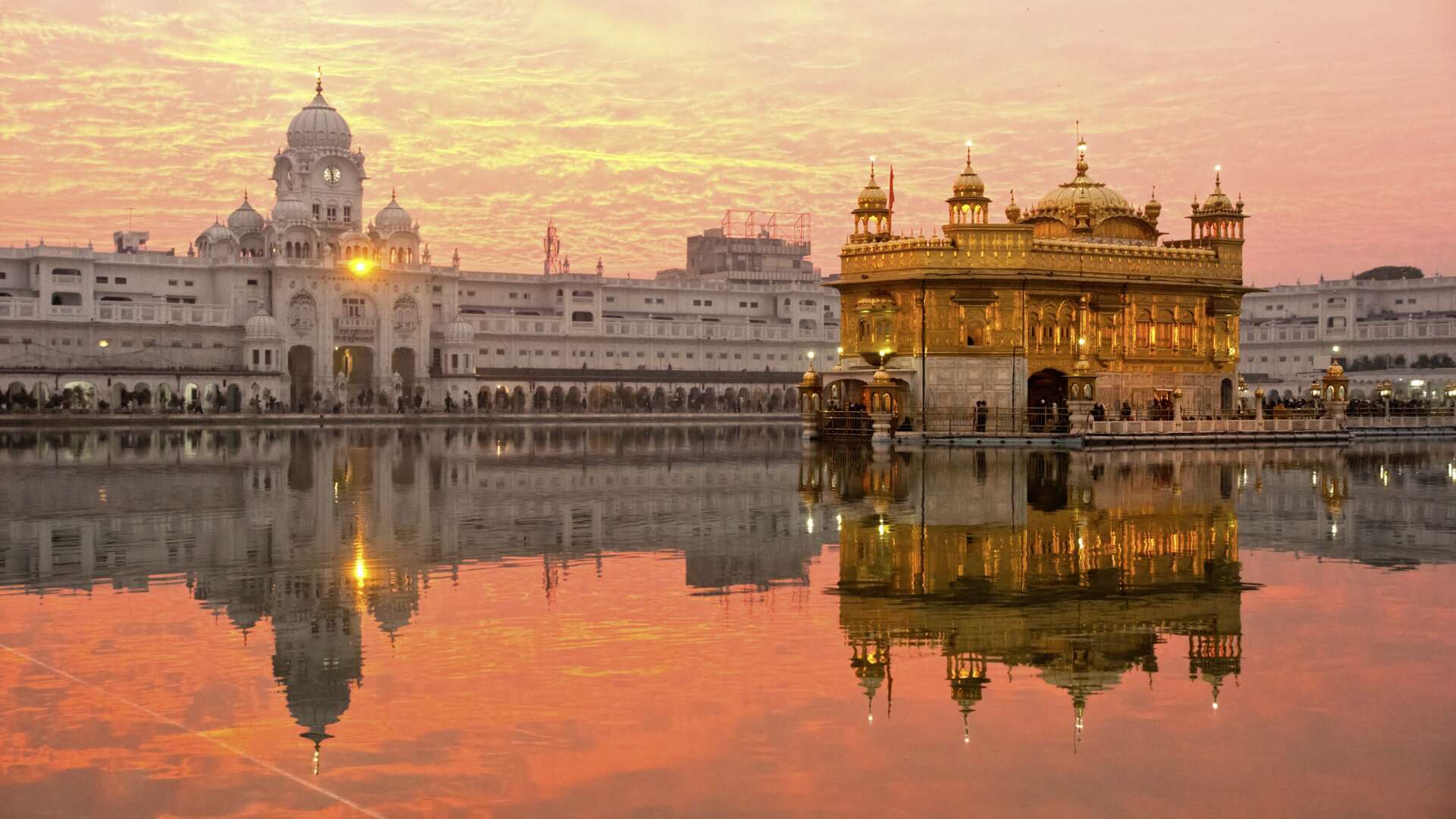
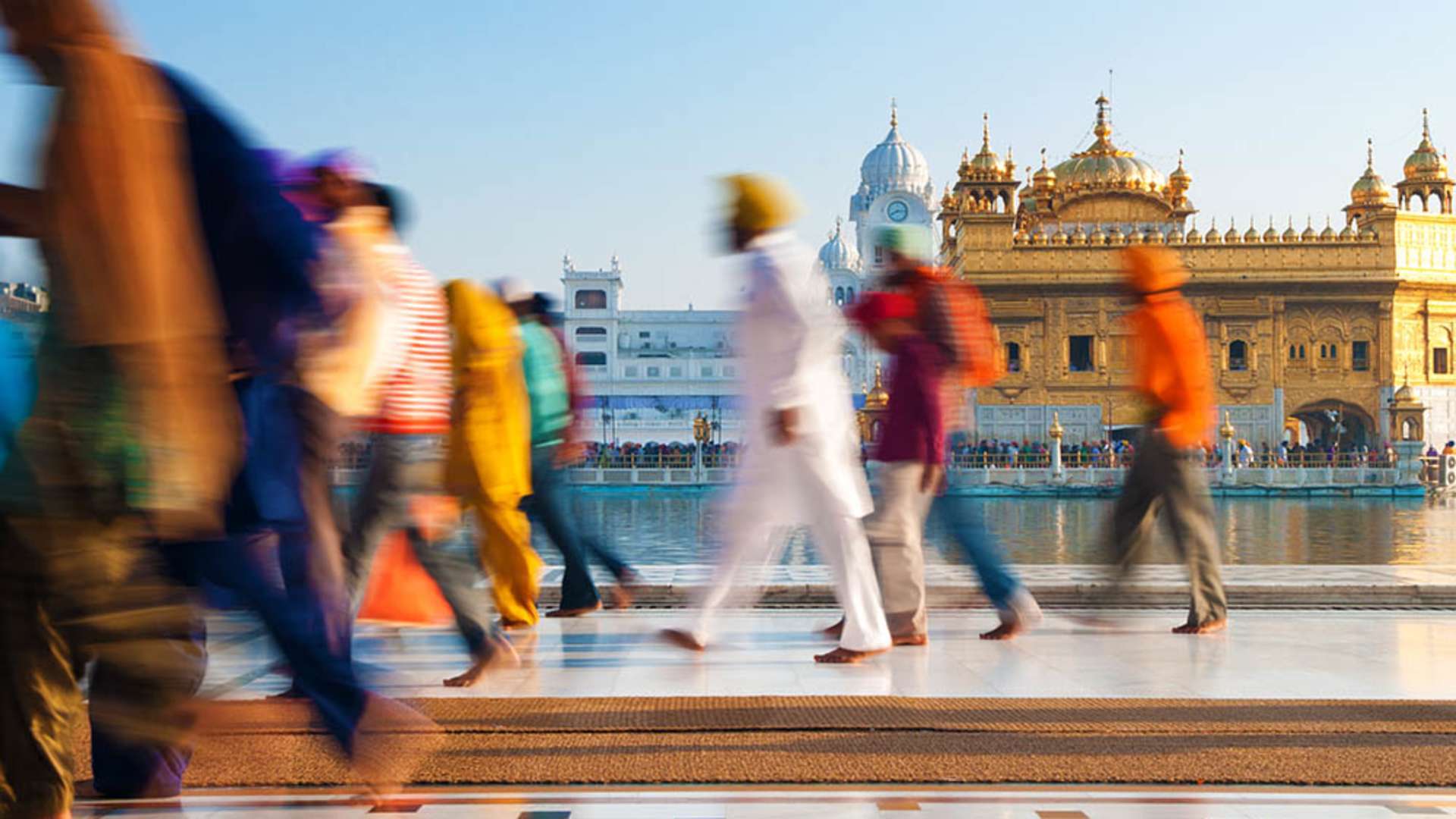
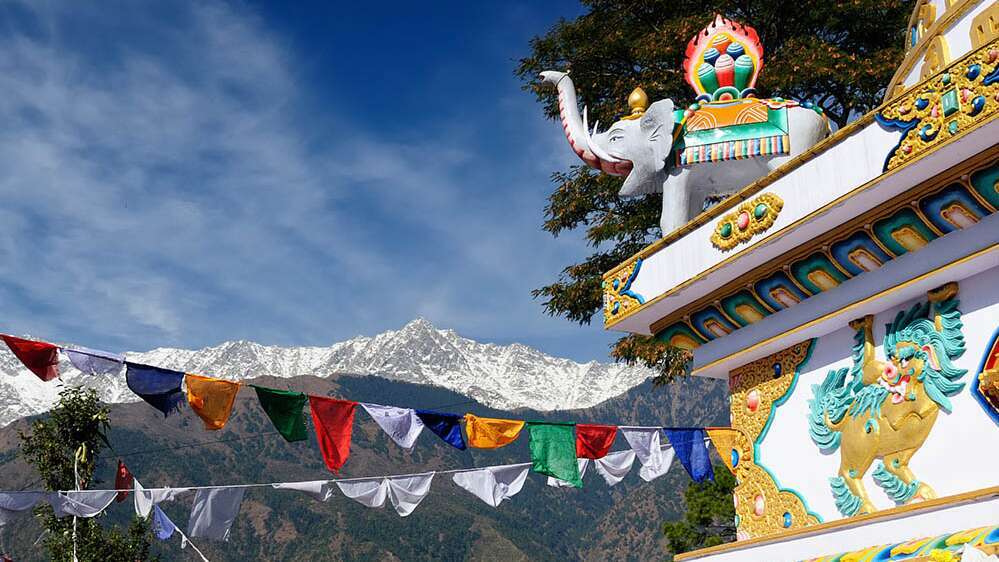
You’ll visit sacred temples, hike to hidden villages and explore remote Tibetan retreats including Dharamshala, home of the Dalai Lama. In Shimla you’ll discover the colonial influences that have shaped this iconic hill station, before descending out of the mountains by toy train towards Delhi - India’s energetic capital.


£2,650 - £2,795pp including international flights
Itinerary overview
On arrival in Amritsar, you’ll be met at the airport and transferred to your hotel. The morning i...
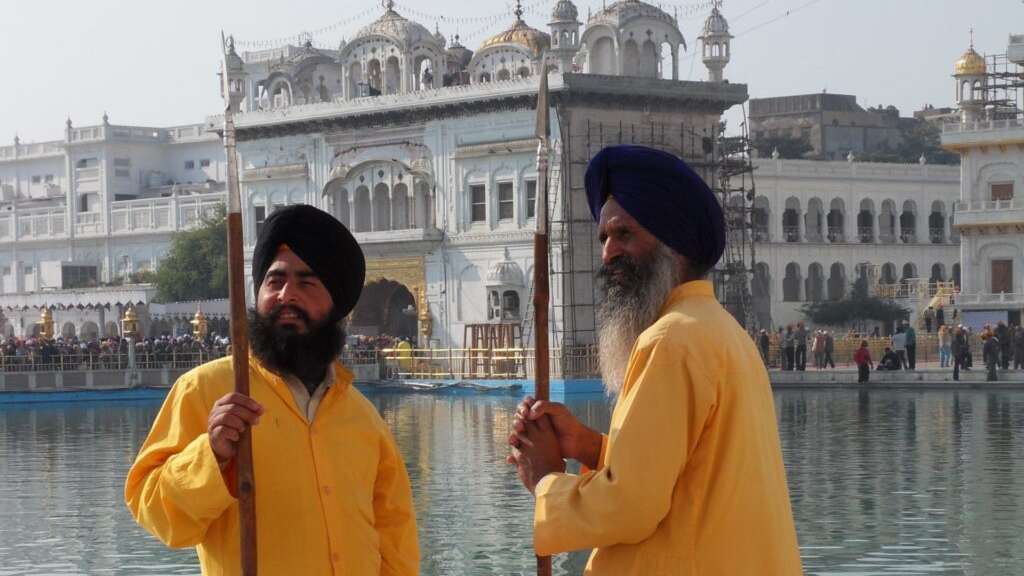
Enjoy a city tour of Amritsar this morning. You’ll visit the Golden Temple – the centrepiece of t...
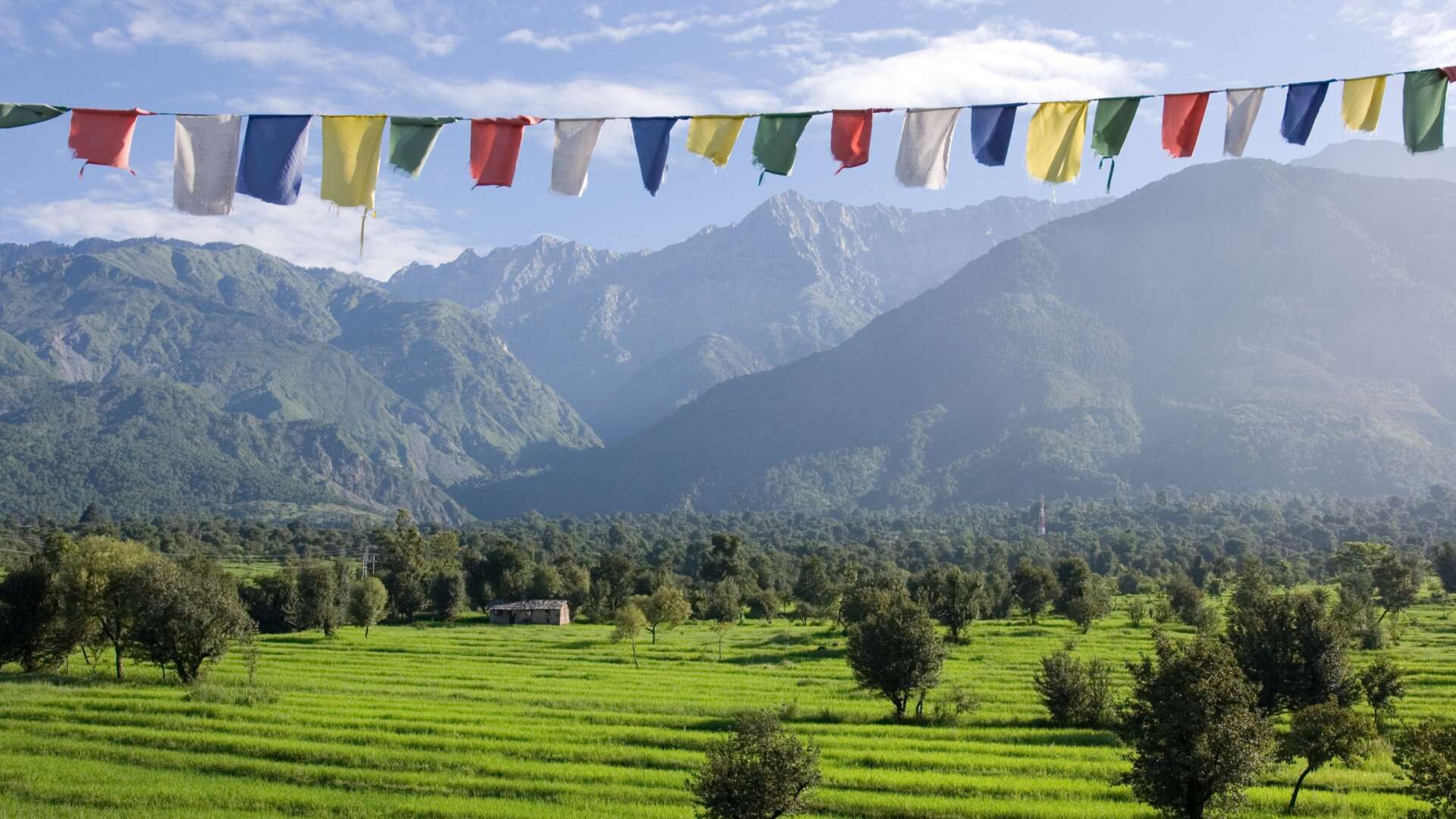
Travel further into the mountains this morning to reach Dharamshala – home of the Dalai Lama and ...
Enjoy a full day in Dharamshala today. Wander its heritage-filled streets on your own terms or ch...
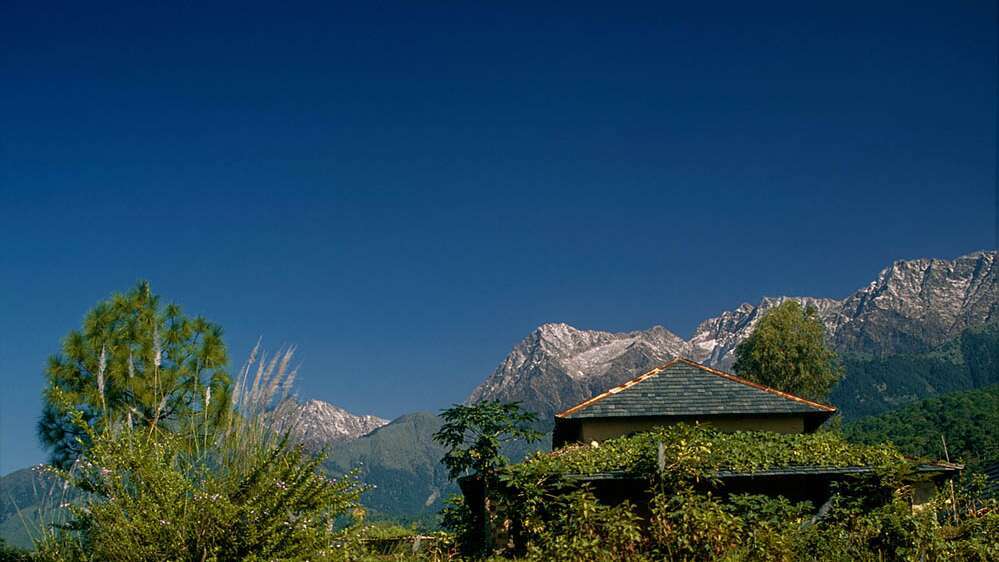
Enjoy a full day in Dharamshala today. Wander its heritage-filled streets on your own terms or ch...
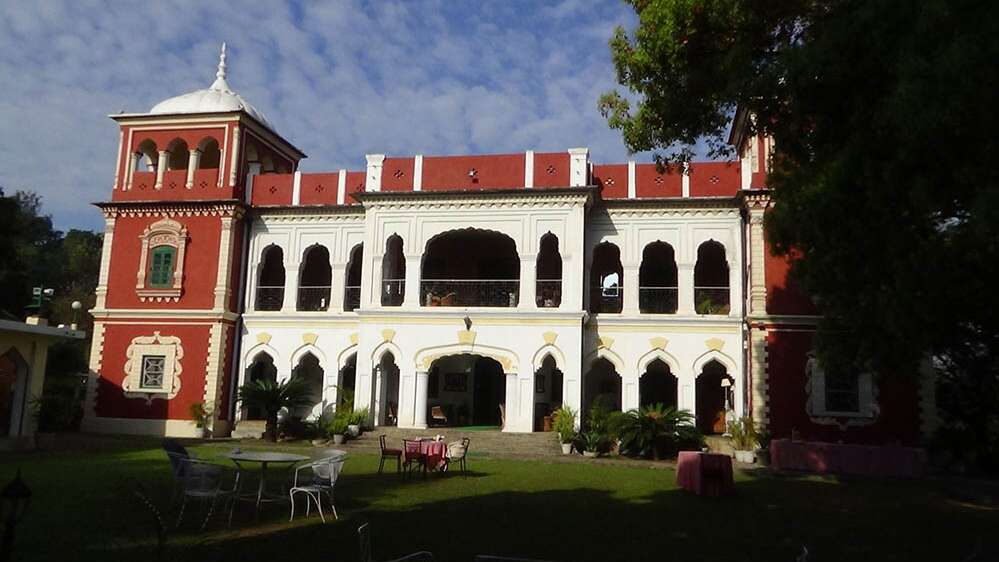
Transfer towards the village of Pragpur this morning, stopping en route at the Masroor Rock Templ...
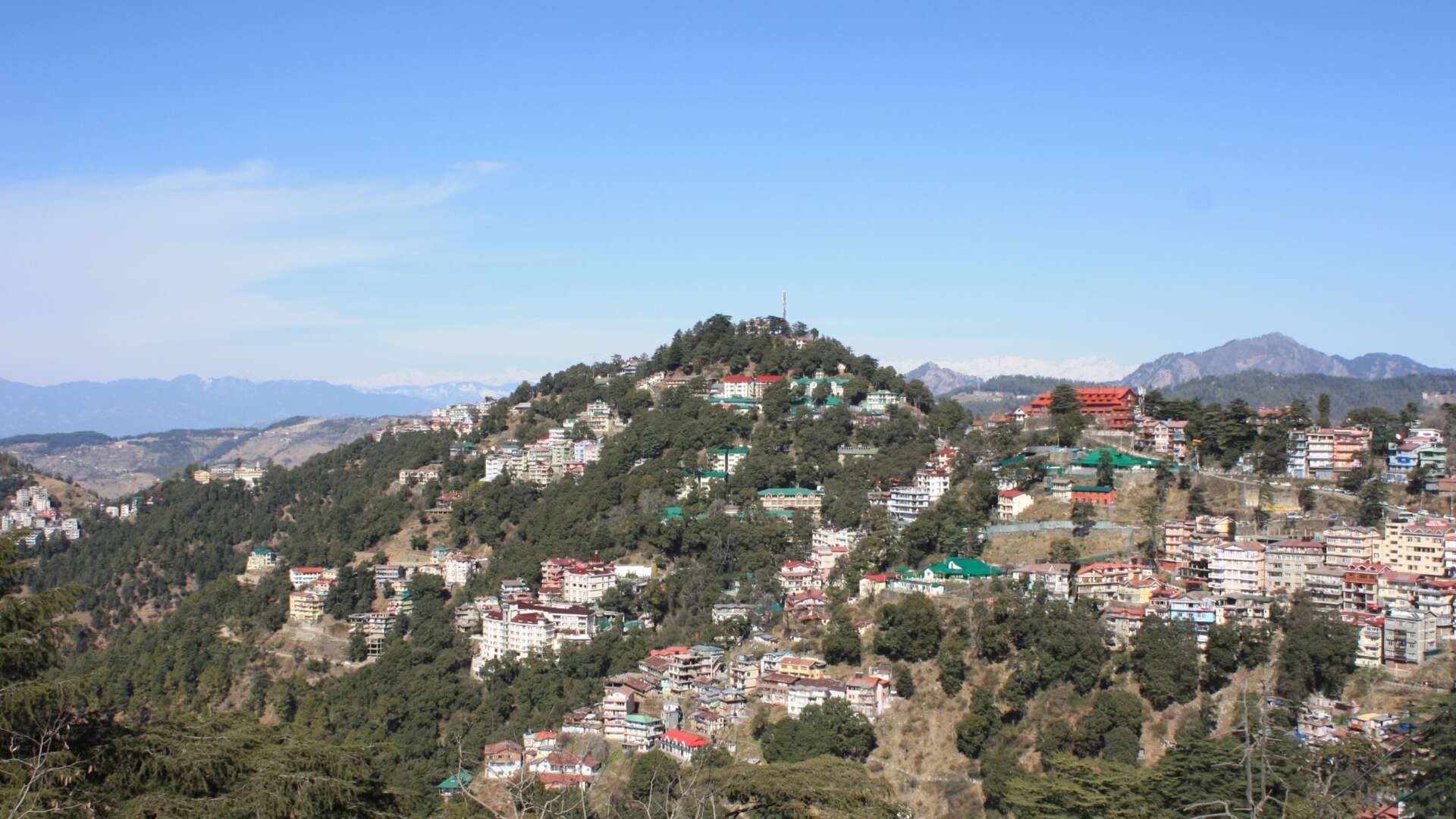
Travel to Shimla today, the 19th century seat of the British Raj, where colonial influences are f...
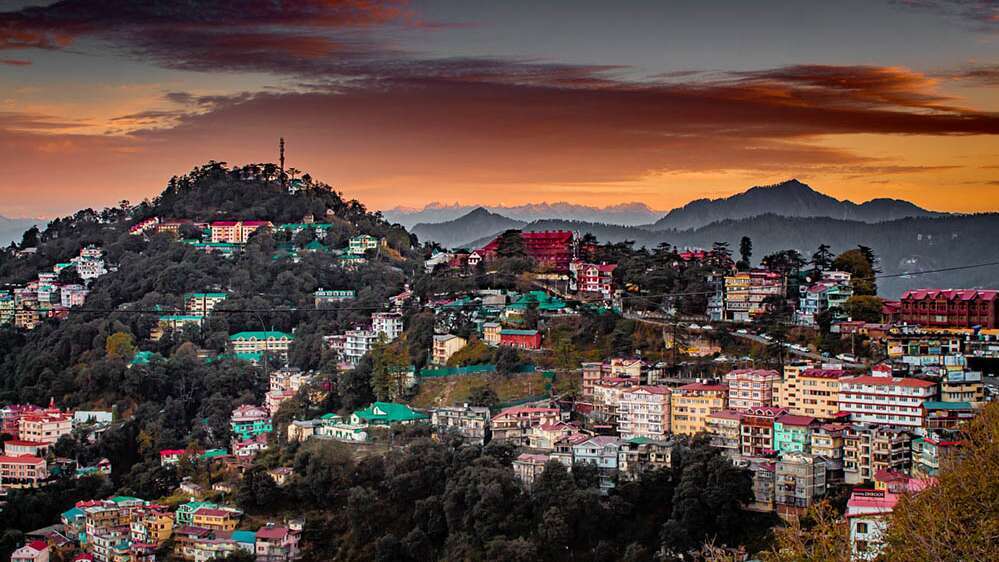
Explore Shimla at leisure today, or opt for a guided walking tour through meadows, brooks, grassl...
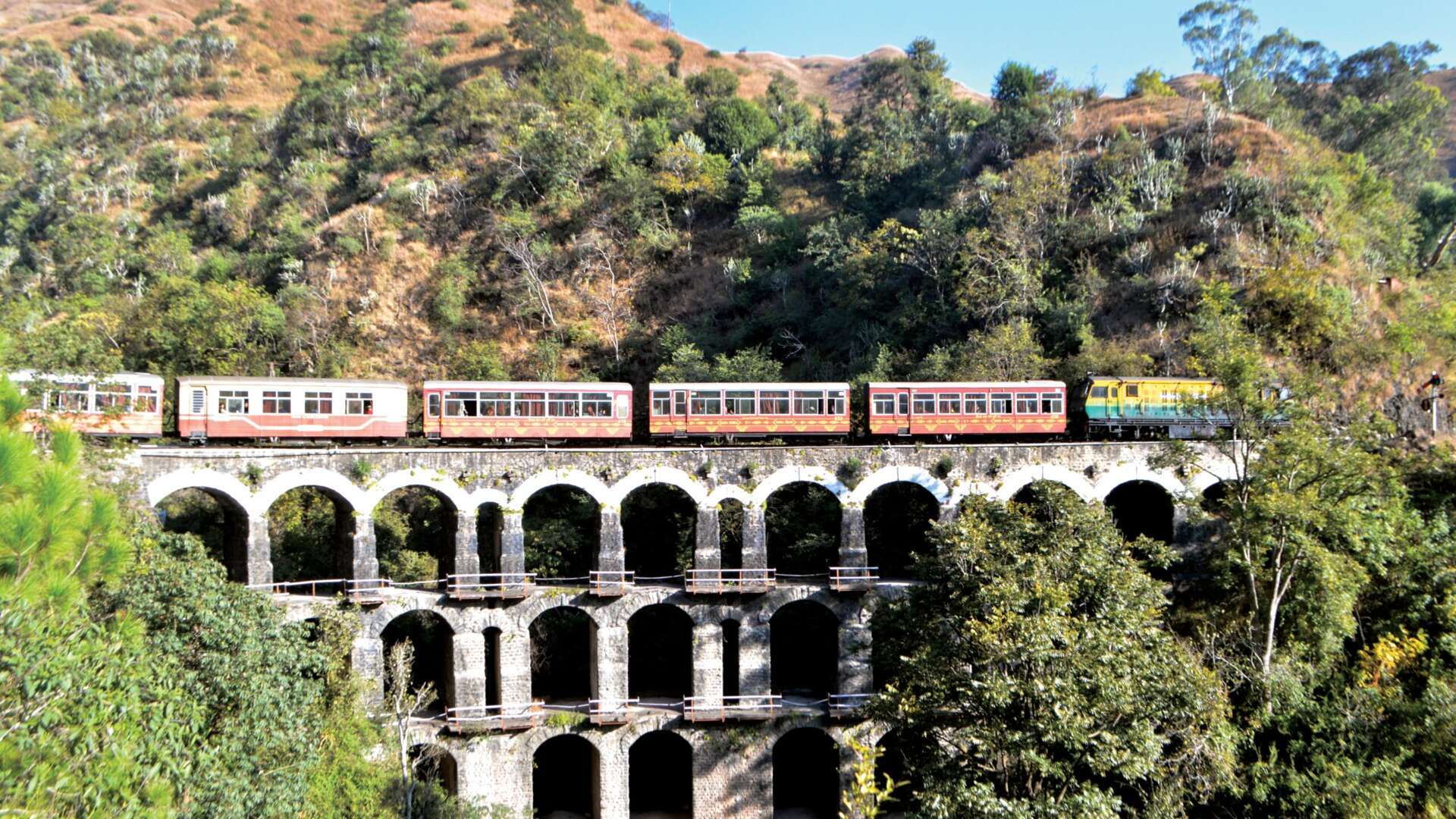
After breakfast, transfer to Shimla station for a ride on the famous toy train, Himalayan Queen. ...
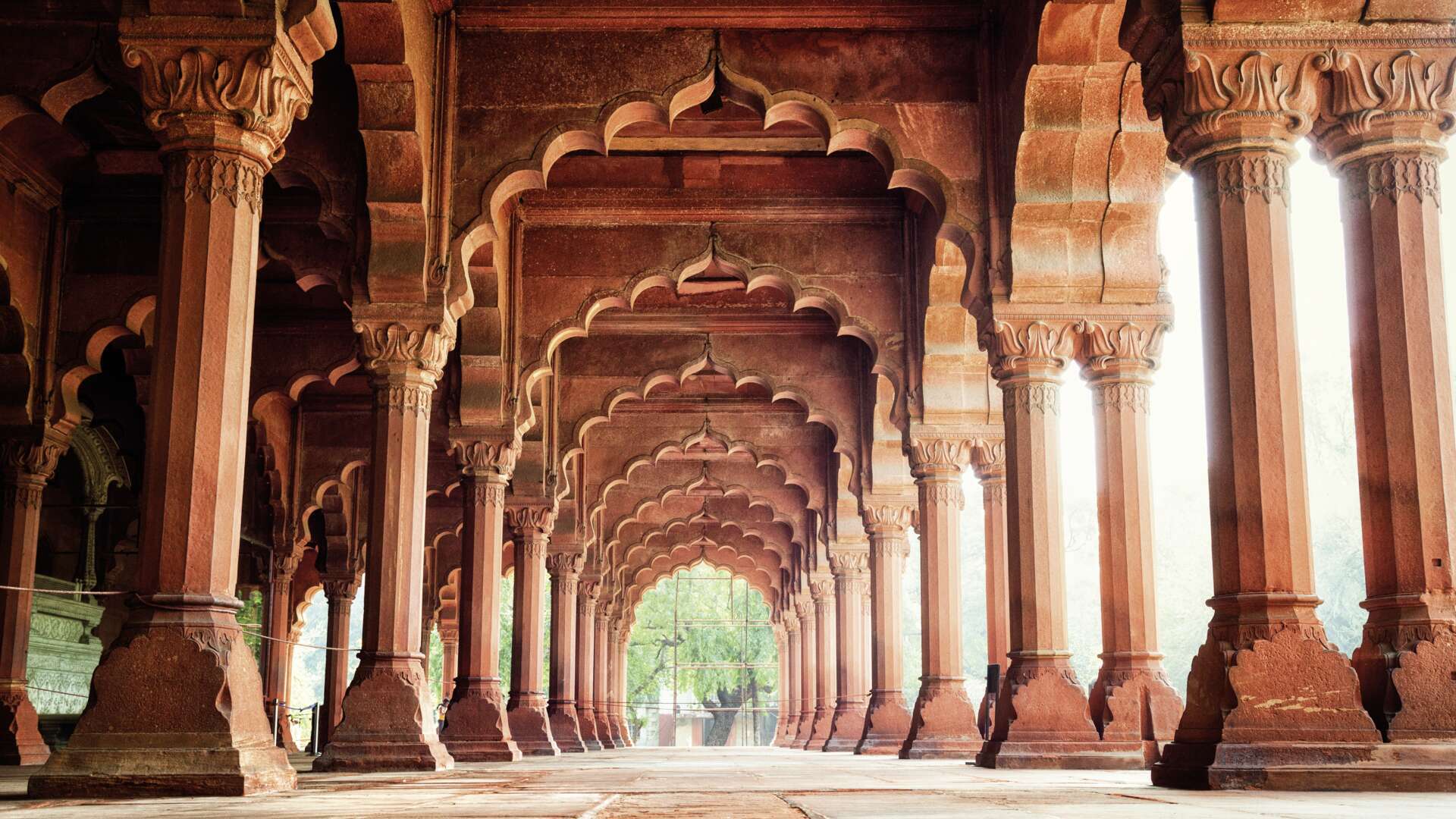
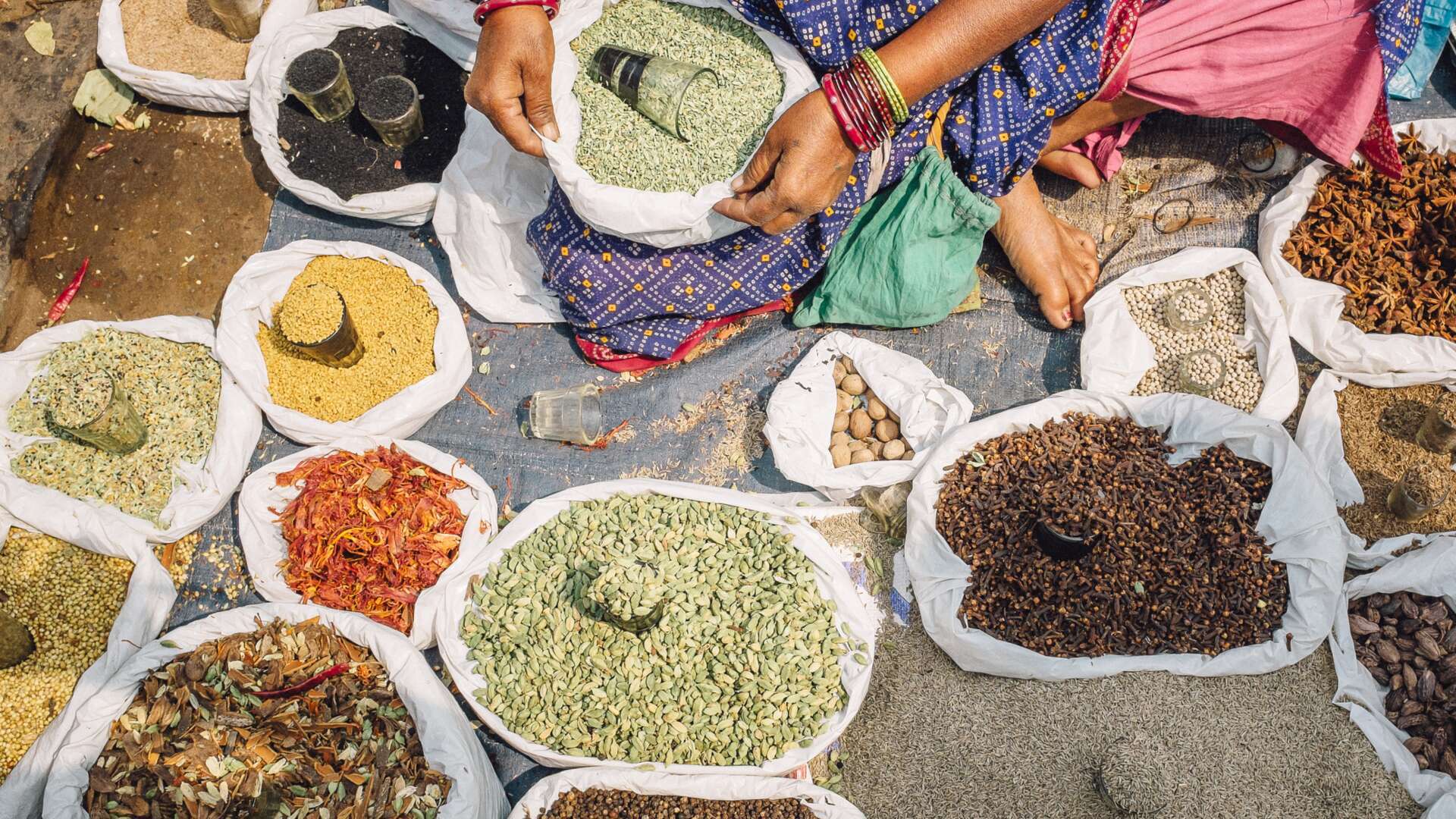
Enjoy a full day in the capital today. If you’re feeling energetic, opt for a Delhi by Dawn tour ...
Your tour ends today. Transfer to Delhi airport for your flight home or onward travel.
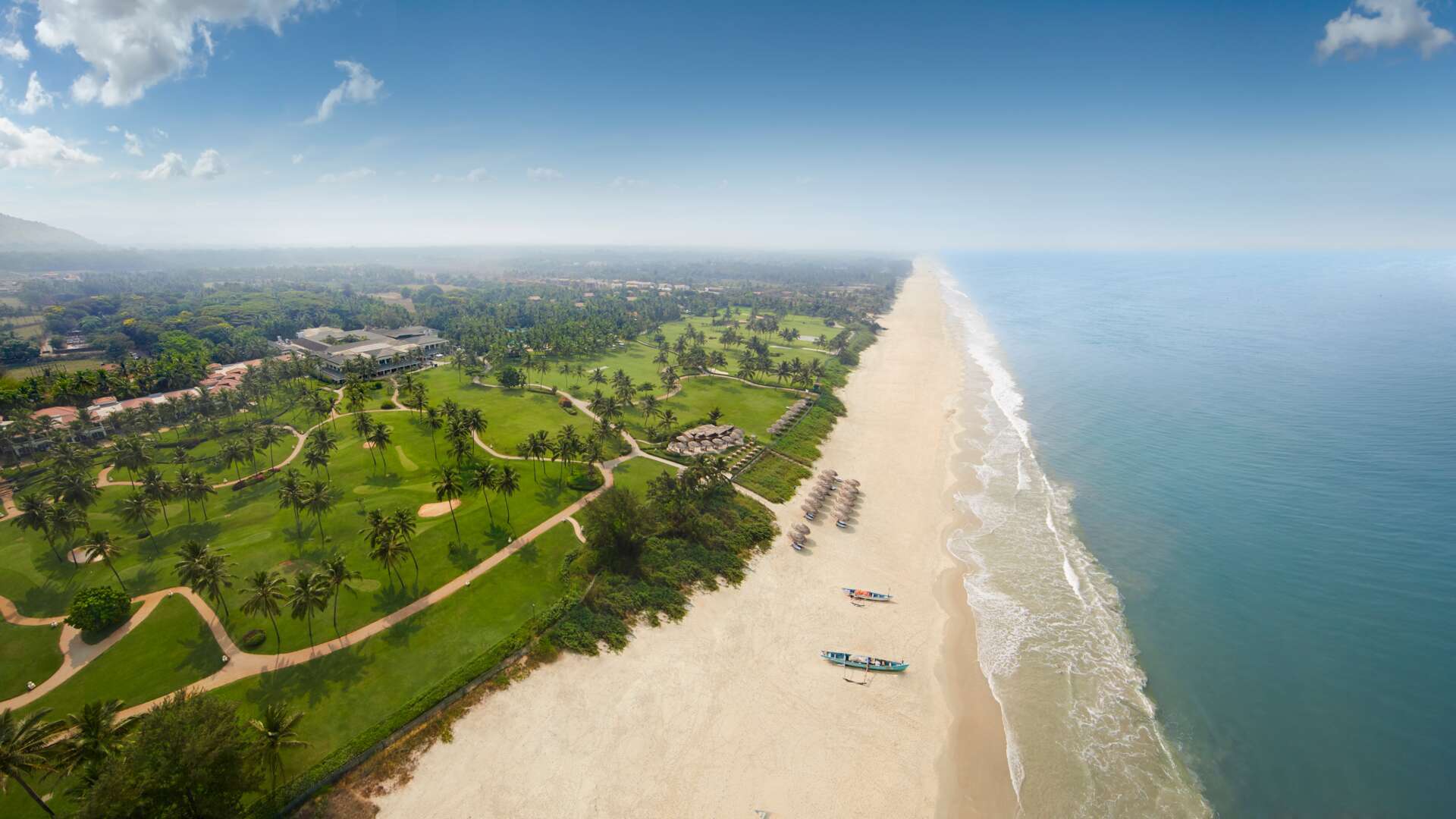
After exploring the Western Himalayas, why not spend some time relaxing on the beaches of Goa?
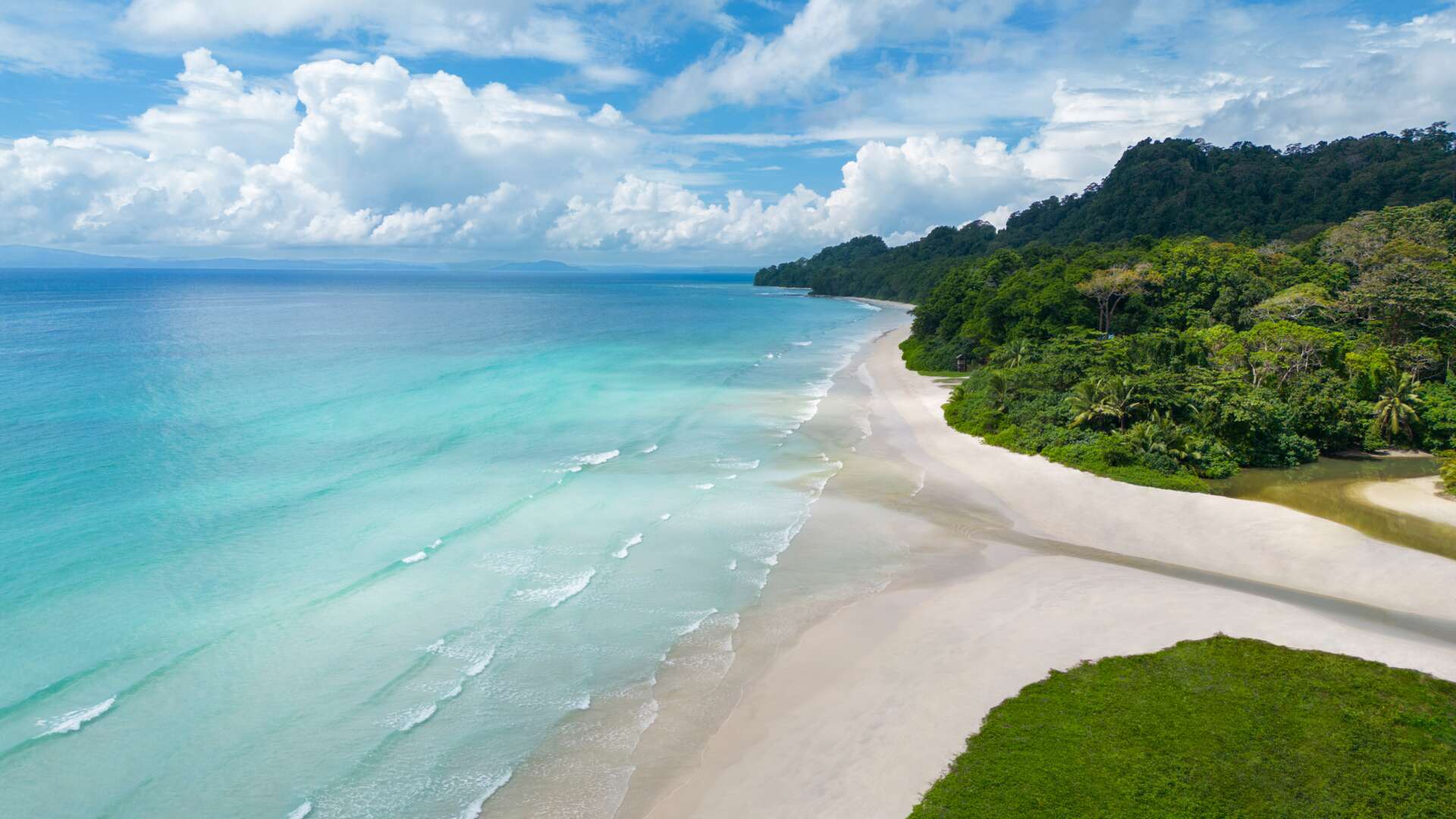
To really get away from it all, the Andaman Islands offer a remote tropical beach experience.


Highlights of trip
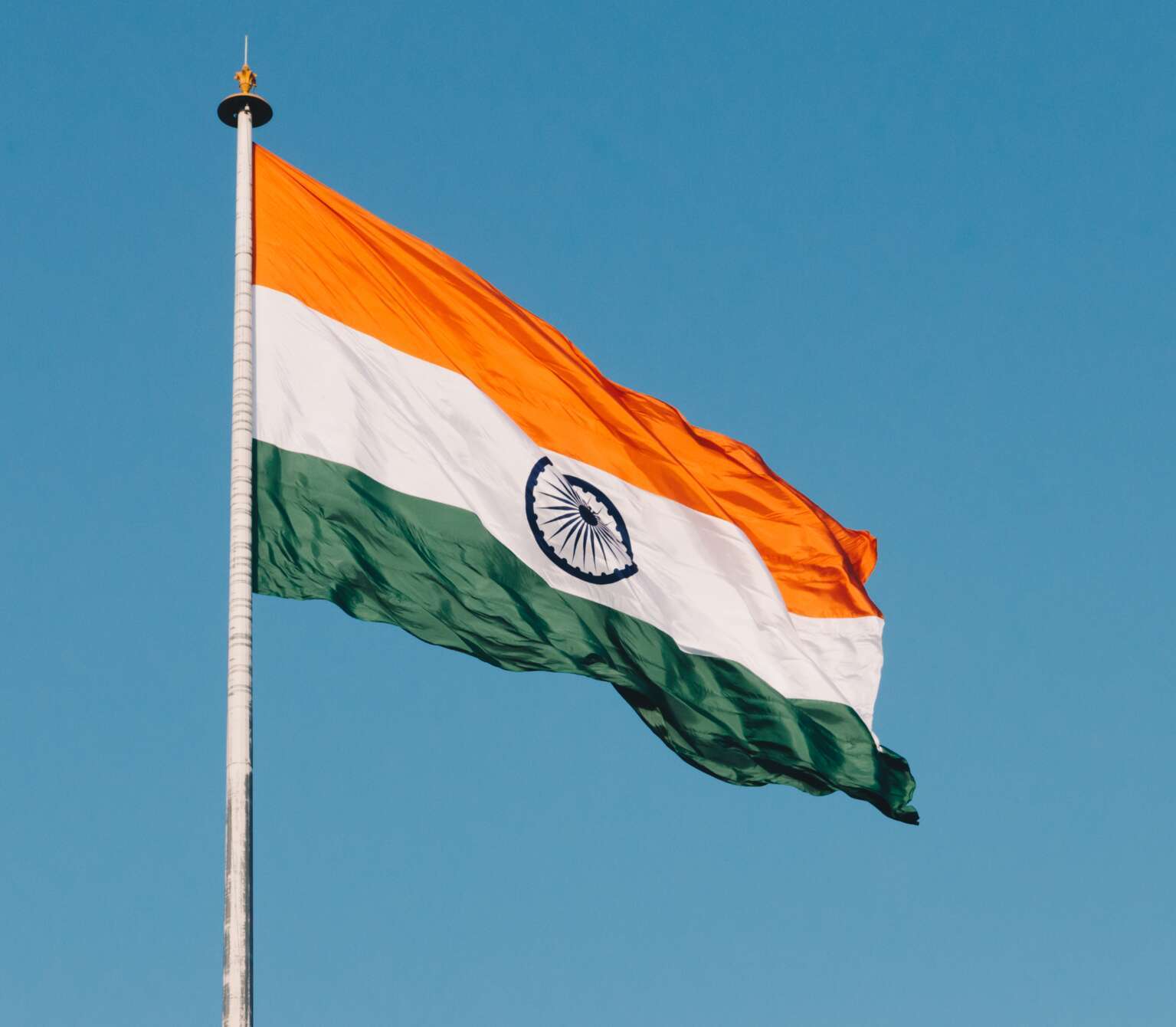
When you arrive at the Wagah-Attari border closing ceremony, otherwise known as the ‘flag lowering ceremony,’ you might think you’ve arrived at a football match rather than the meeting of two ideologically opposing countries. Despite the historical tension, every evening, both countries come together to celebrate the closing of the border. It’s more like a flamboyant performance to the tune of patriotic music and there’s still some harmless rivalry though which makes it good fun.
Jump to itinerary
Just before you arrive at the Golden Temple, a stop is made at Jallianwala Bagh, an important yet tragic site. After washing your feet, hands and covering your head, you will enter the gateway to see the striking Golden Temple appearing to almost float in the middle of a manmade pool. A real highlight of any trip is the ‘open kitchen’ which feeds hundreds of people.
Jump to itinerary
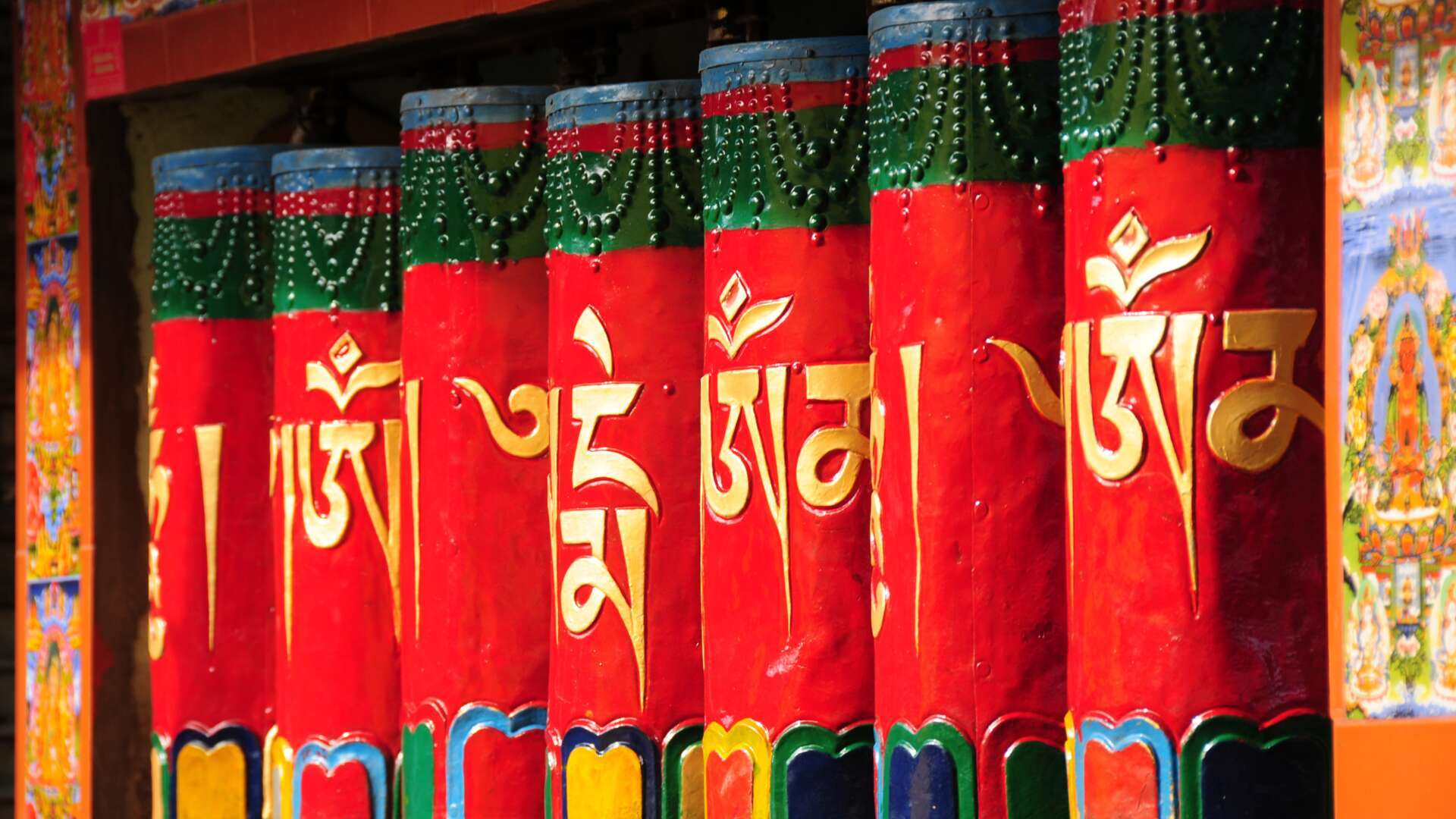
Experience Buddhist culture in Dharamshala on this full-day tour, with visits to Tibetan temples, nunneries and the Dalai Lama’s monastery complex. Start with a Kora around the residence of his holiness, this is a Tibetan Buddhist ritual of walking in a clockwise direction around a sacred site. You’ll see prayer flags and old ladies spinning prayer wheels and chanting – the views of the mountains are also spectacular and, if the weather is clear, you can see the Kangra Valley below. You will get to visit the main temple where the Dalai Lama conducts his teachings as well as the Kalachakra temple with its murals of tantric deities.
Jump to itinerary
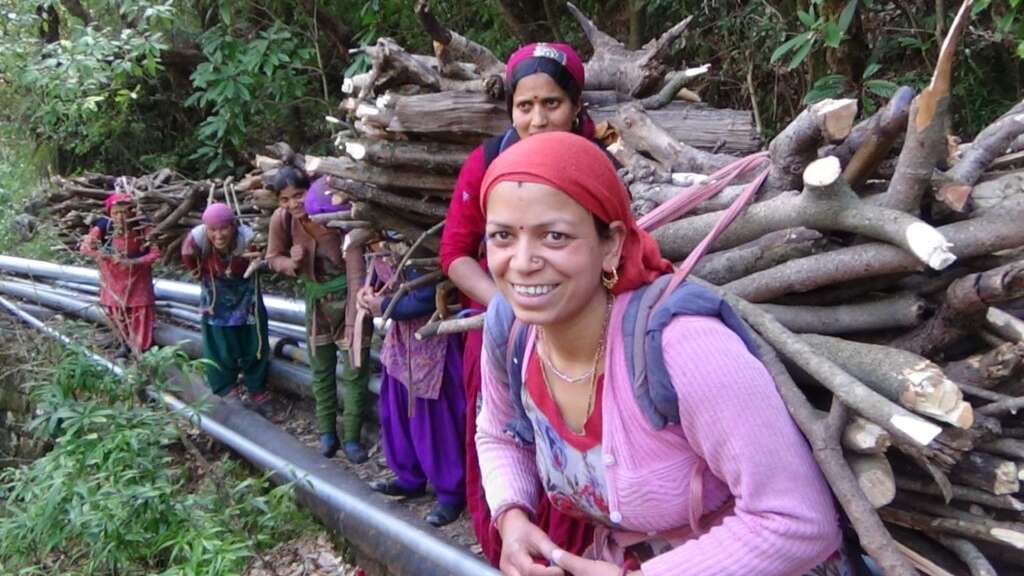
Discover Himalayan village life and Tibetan culture on this morning walk. Visit Naddi village, which lies about 2,000 metres above sea level, surrounded by mountains. Your guide will explain about the semi-nomadic life of the shepherd tribes. This tour gives a good insight into rural life in the mountains.
Jump to itinerary
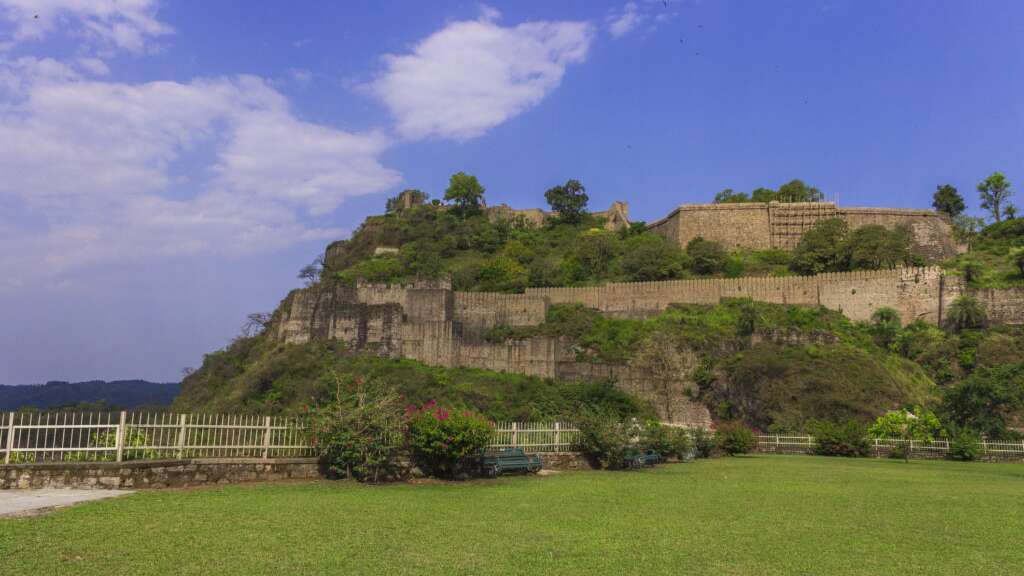
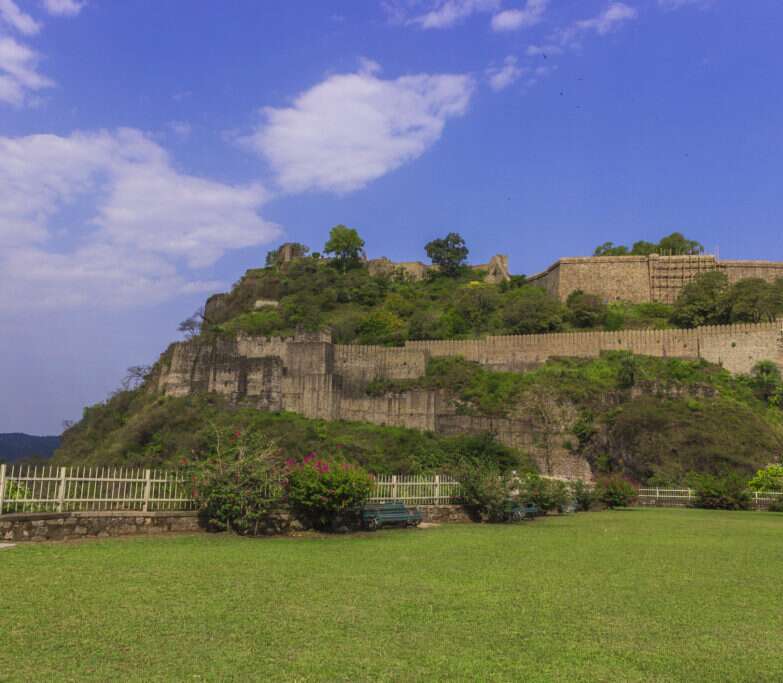
Visit forts, temples and ride a train through Himalayan landscape on this day out in the Kangra Valley. The tour can be taken from either Dharamshala or Palampur and starts with a drive to the Kangra Fort, the oldest fort in the region that was built in the 4th century.
Jump to itinerary
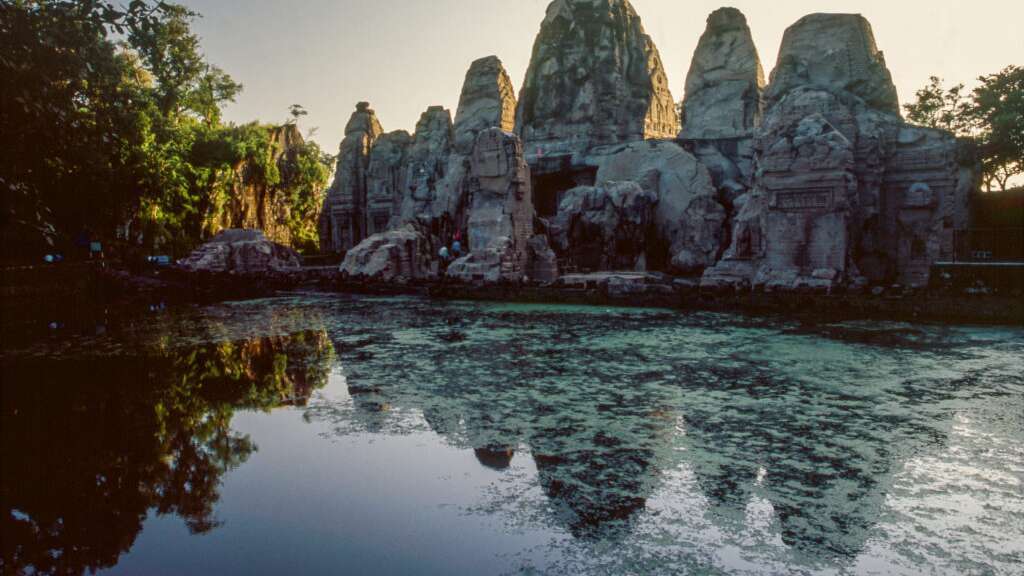
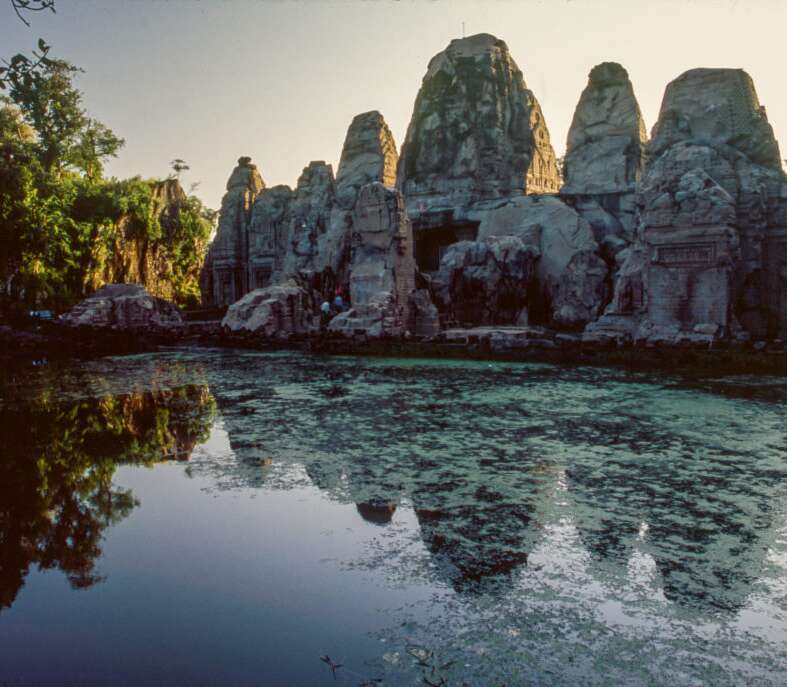
Visit the Masroor Rock Temples, one of northern India’s architectural treasures. Carved from sandstone around the 6th-7th century, they’re often called the Ellora of the Himalayas after the giant Hindu cave temples near Mumbai, which are a UNESCO World Heritage Site.
Jump to itinerary
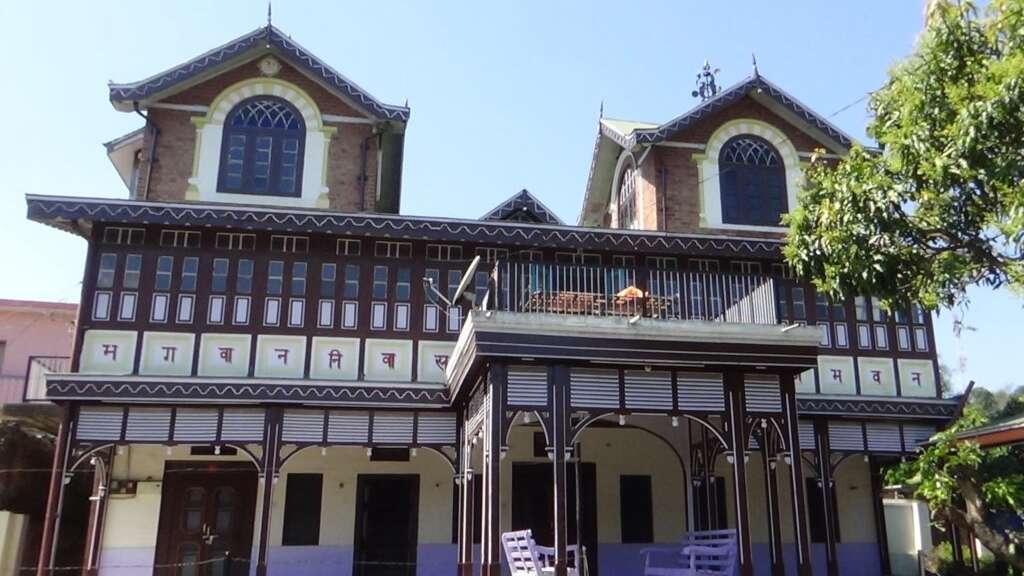
Take a scenic walk to Garli, which was a thriving village in the sub-Himalayan region until India’s independence. The streets here are cobbled and filled with history, you can still see its grand havelis and Italianate buildings, as well as traditional Kangra and Rajput houses with mud-plastered walls and slate roofs. For those who love heritage and architecture, it’s a real treat.
Jump to itinerary
Begin at the house where Rudyard Kipling spent some of his youth. He took Shimla out of India through his books Kim and Plain Tales from the Hills, which comment on Shimla society.
Jump to itinerary
Experience life in a traditional Himalayan village, where you’ll explore and dine with a local. The trip starts with a 45-minute drive from Shimla to Dhami, a village that was once a summer hunting ground for British viceroys, where you’ll meet your host who has expert knowledge of the area’s nature, lifestyle and architecture. This is a fascinating cultural exchange where you’ll get an insight into rural Himalayan life, where people survive on agriculture, working in the fields and orchards.
Jump to itinerary
Learn the history of Shimla and explore its famous houses and fairy-tale forests on this walking tour. The trail offers a blend of architecture, history and nature, leading from Shimla around one of the surrounding seven hills, Elysium. You will start from the main town and pass historic houses that tell the stories of Shimla’s past. A highlight is the iconic Sterling Castle, which was one of the first houses built in Shimla by the British in 1833.
Jump to itinerary
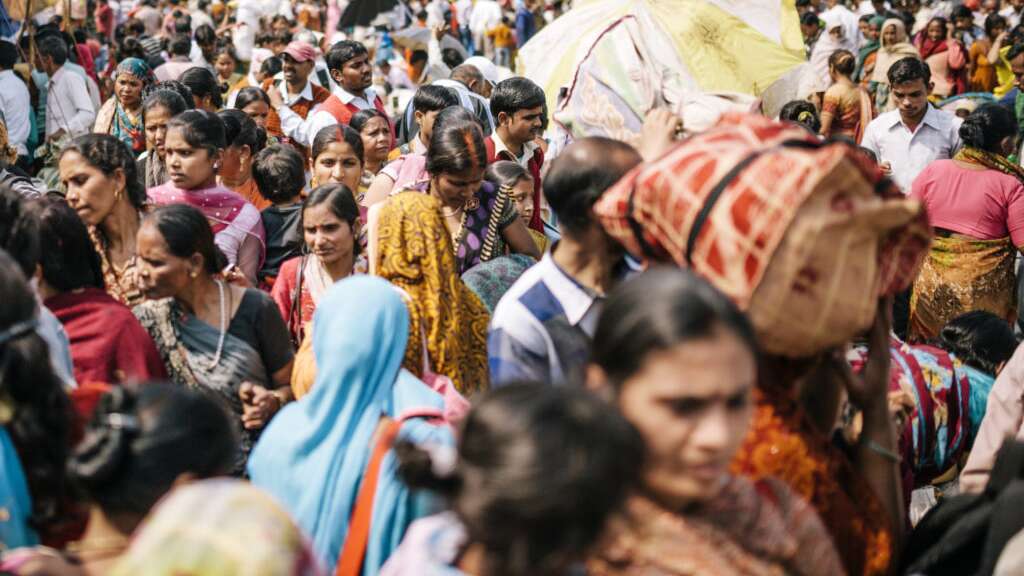
Discover the magic of Delhi at dawn on this one-of-a-kind walking tour with a Delhi local. Your guide grew up in Delhi and believes that the city is a great example of Indian culture, which is a mixture of different faiths and communities woven together through history. You’ll see worshippers at the ghats by the Yamuna River, perhaps an aarti in session with Hindu chanting – it’s a beautiful, meditative start to the tour. Delhi is a super contrasting city which is represented in the tour, as you move on from this peaceful place towards the hustle of Old Delhi.
Jump to itinerary
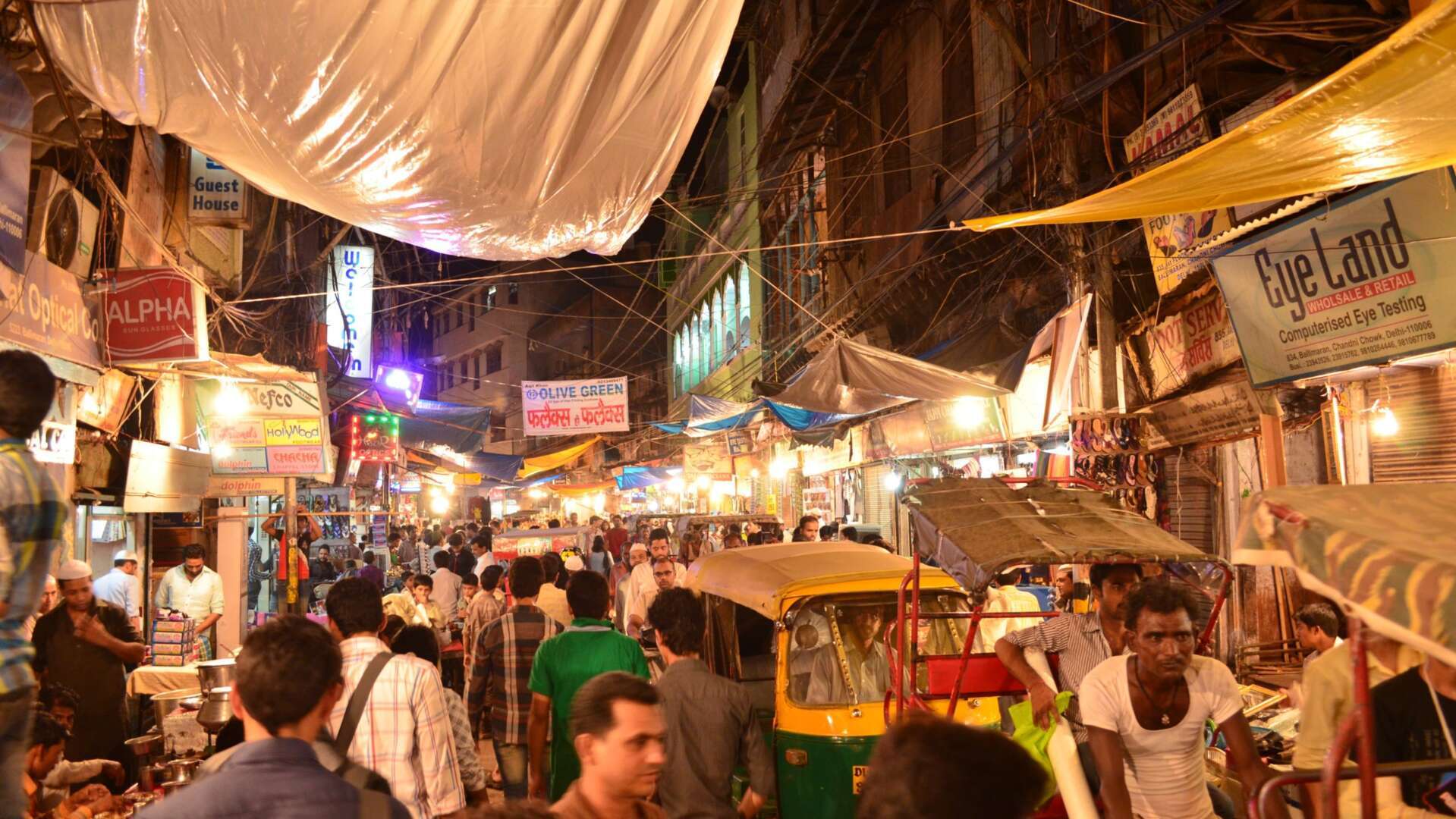
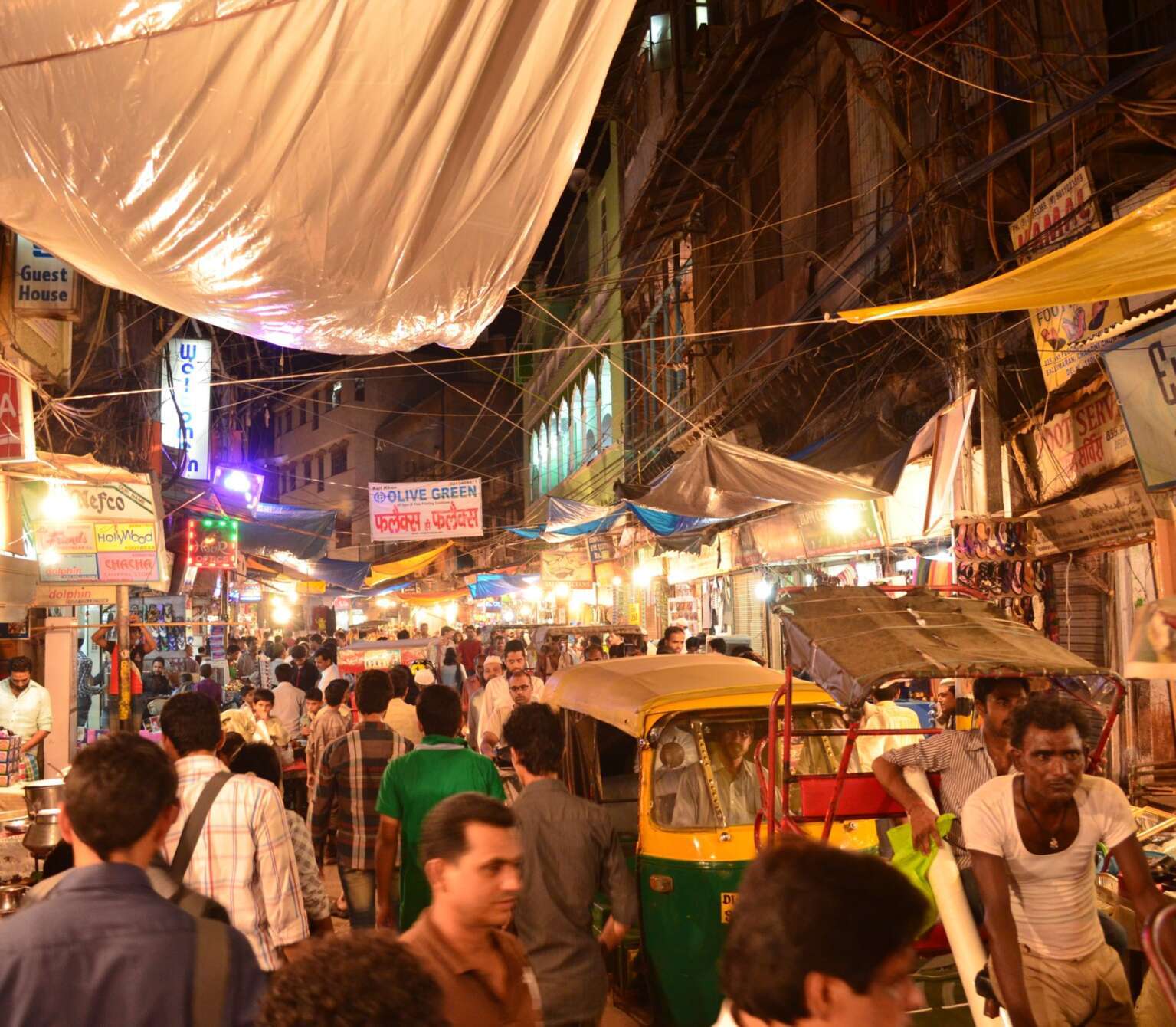
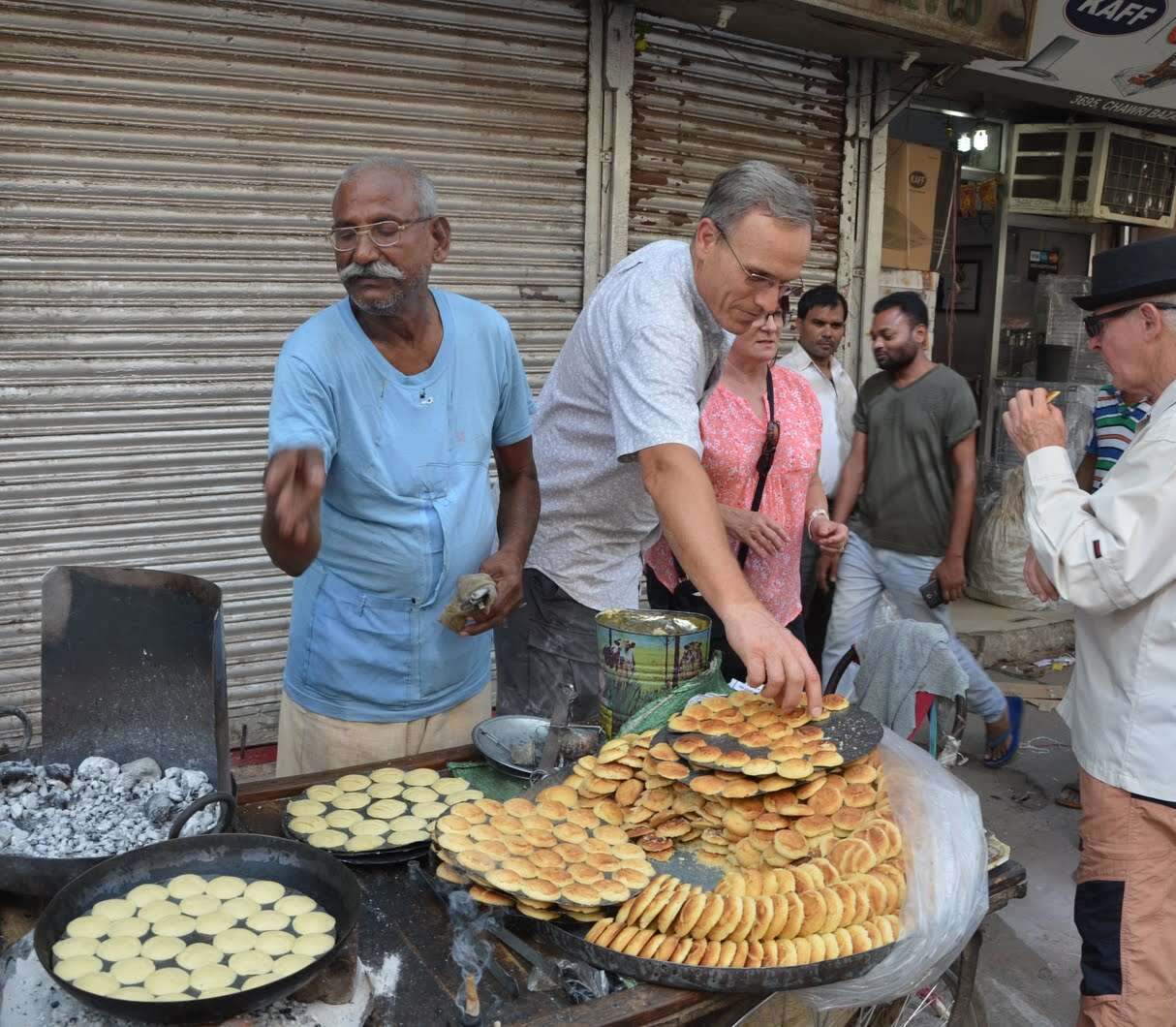
Exploring Chandni Chowk by night gives you a chance to understand the real spirit of Delhi. At night, it’s less crowded so there’s more opportunity to engage with locals and after sunset, Chandni Chowk glows and glitters with store lights. There’s a maze of different streets to discover that specialise in everything from silver and spices to saris and glass bangles. If you want to buy something, you guide will help you haggle, which is a ritual in Old Delhi. The highlight of the trip is trying some of the local food.
Jump to itinerary
Your host Neha Gupta, will introduce you to the secrets of cooking delicious Indian cuisine in her home. Neha grew up watching her mother cook and because her father was in the air force, they lived all over India, so she was exposed to regional cuisine. She has now created a cultural culinary experience, something hands-on that gives people a feel for Indian food but also the stories behind famous dishes.
Jump to itinerary
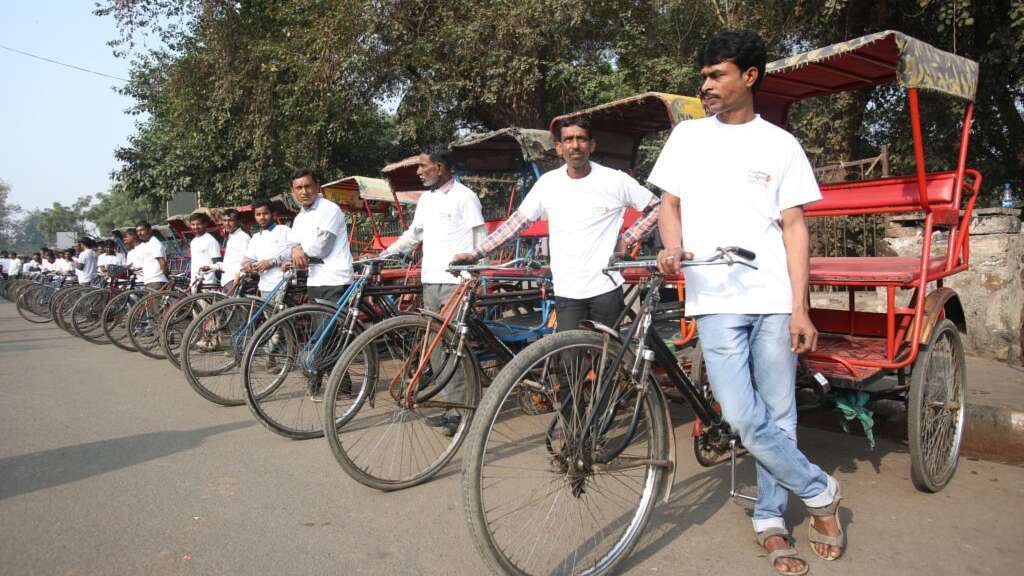
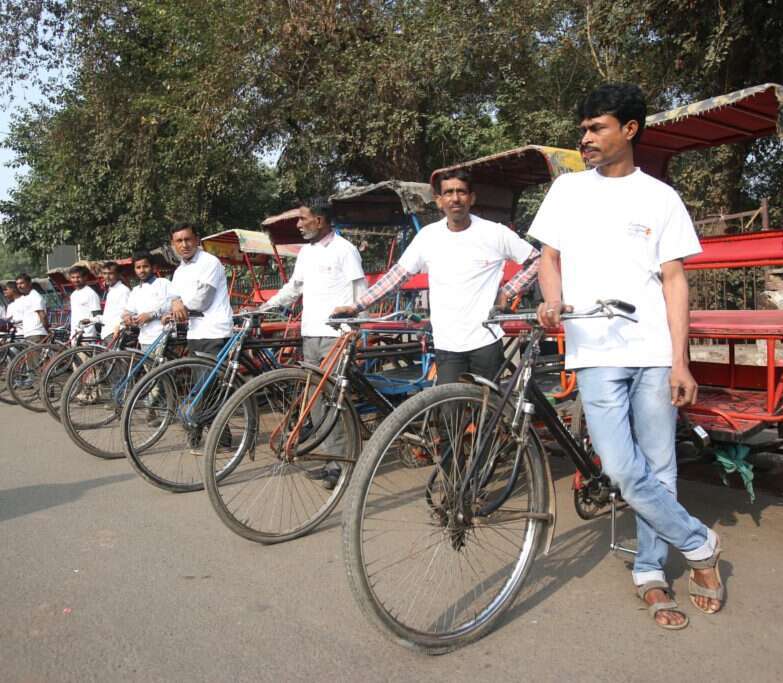
Tour Old Delhi by rickshaw to visit temples and markets, taste street food and meet the locals in a convenient and fun way. The city is a crowded, congested place so travelling by rickshaw makes it a comfortable experience and you can cover more ground. The rickshaws look traditionally Indian but with wider seats and better safety standards. They have audio headsets so your guide – a Delhi local - can provide live commentary along the way.
Jump to itinerary
If you want to capture images of real life in Delhi, this photography tour is perfect. You’ll meet your guide over tea to discuss what you’d like to photograph. It doesn’t matter if you have hi-spec camera equipment or want to take pictures on your phone. The team are passionate storytellers who know Delhi intimately and can adapt to your photographic skill set, lighting and weather conditions. If you have a particular theme you’d like to shoot, whether its people or architecture, the guides will take you on a walking tour to find the best captures.
Jump to itinerary
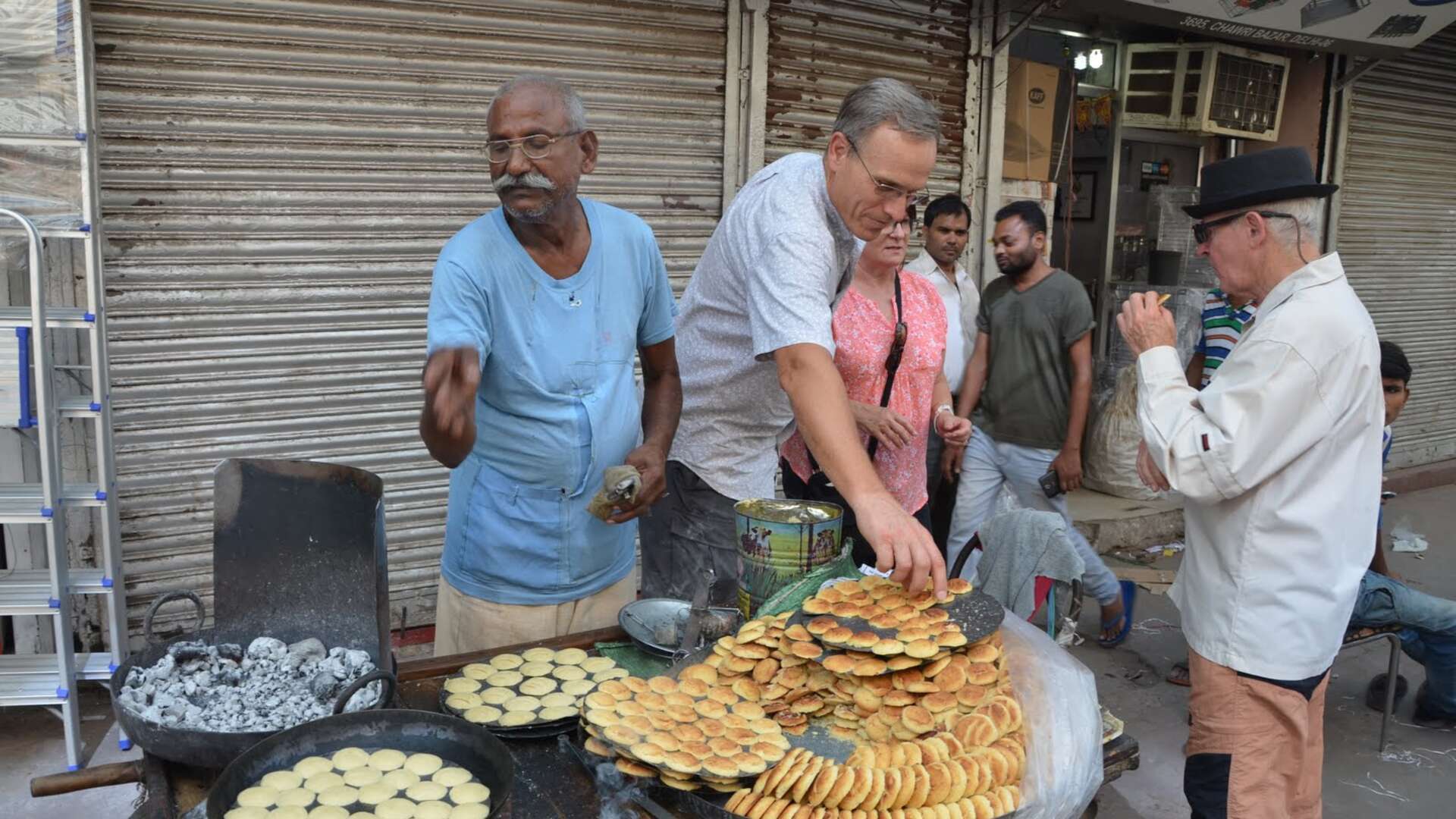
On this fascinating tour you will be shown around the Sitaram Bazar in Old Delhi, where your guide will introduce you to the people, monuments and food that make Delhi city so special. It’s a great introduction to Delhi and is also inspired by your guide’s passion for food. The half-day trip is flexible and can be tailored to your specific interests, be it photography or history. It’s a personal experience that feels more like a friend showing you around.
Jump to itinerary
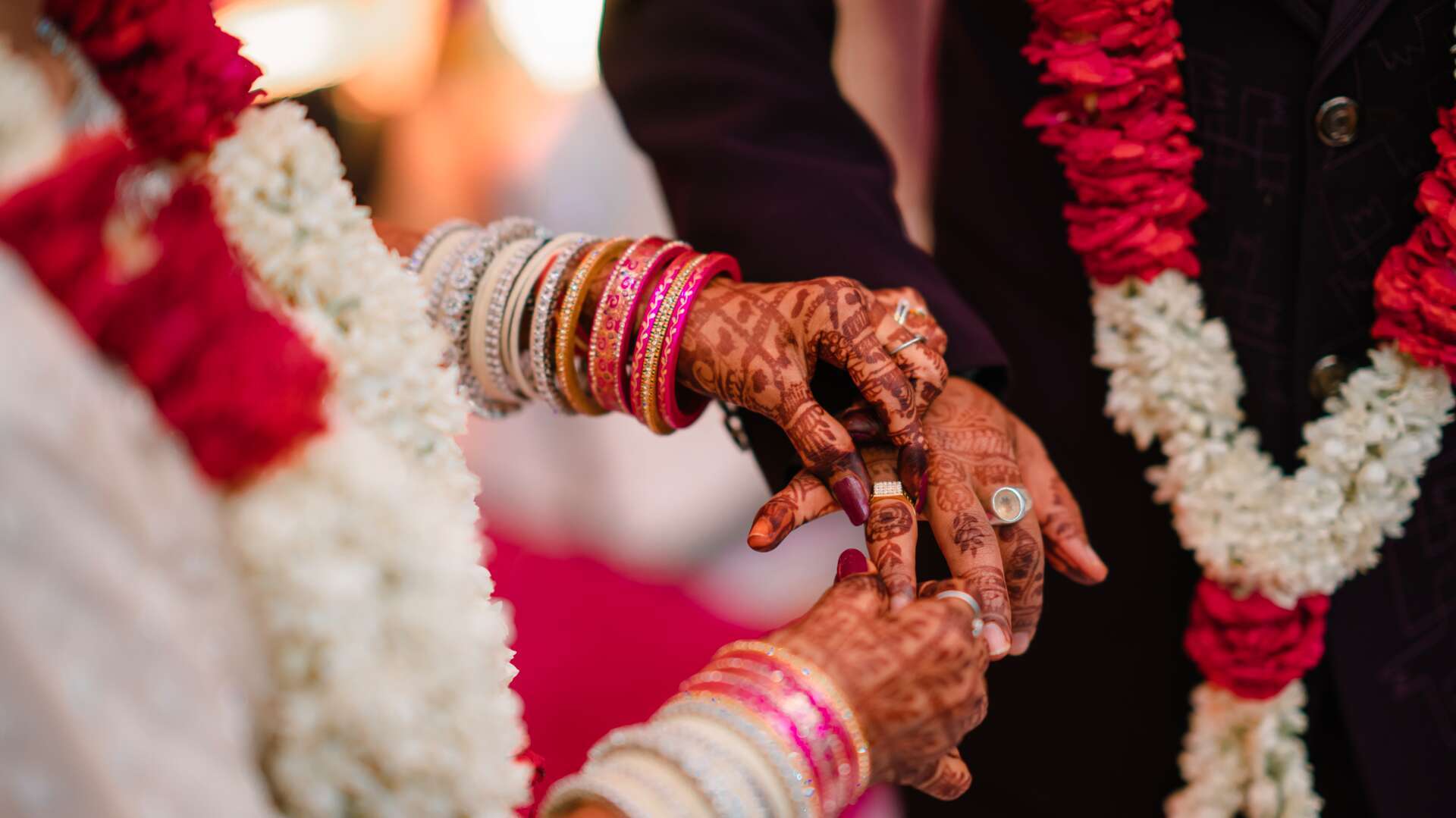
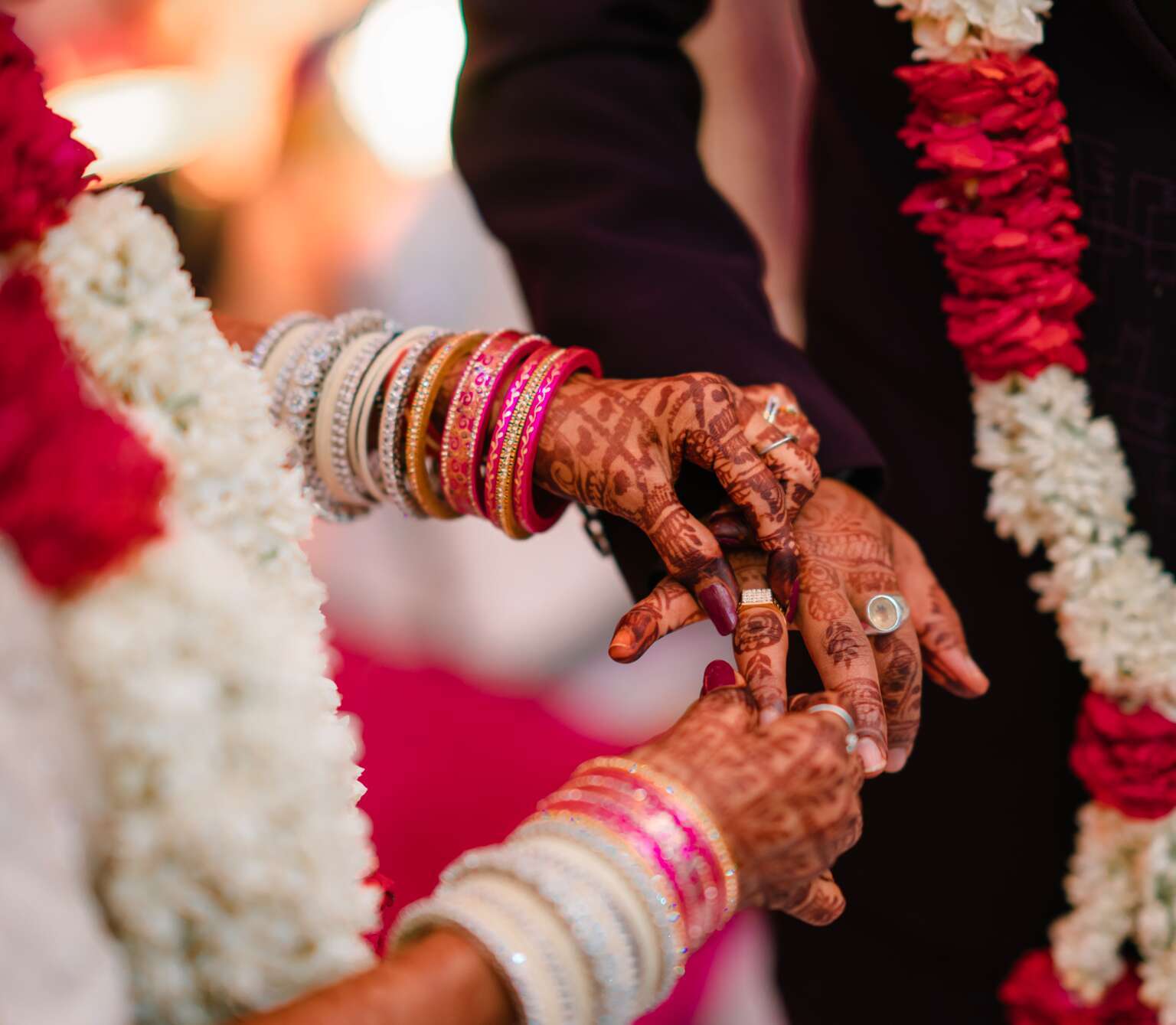
Indian weddings are elaborate and colourful and on this tour you'll get to experience all of the preparation that goes on behind these lavish events. You will visit a market that’s become the go-to destination for all things wedding. Next it's onto a design studio to see how the wedding outfits are created. You’ll have an opportunity to participate in an Indian stitch workshop, a Bollywood-style wedding dance class, or maybe an Indian Vedic astrology reading.
Jump to itinerary
Arrival in Amritsar
On arrival in Amritsar, you’ll be met at the airport and transferred to your hotel. The morning is free to enjoy this spiritual city, regarded as one of the country’s holiest centres for Sikhism. In the afternoon, you’ll be driven to the India-Pakistan border to witness the memorable evening ceremony, when guards march and lower flags in a display of cooperation between the two nations. Overnight at Ranjit Svaasa.

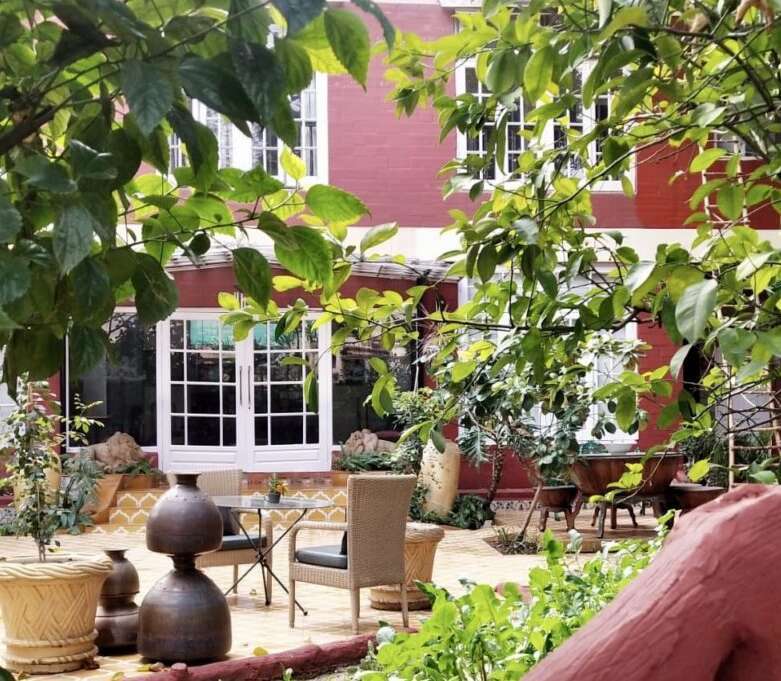
This heritage property in the heart of Amritsar dates back over 250 years to the British Raj era.

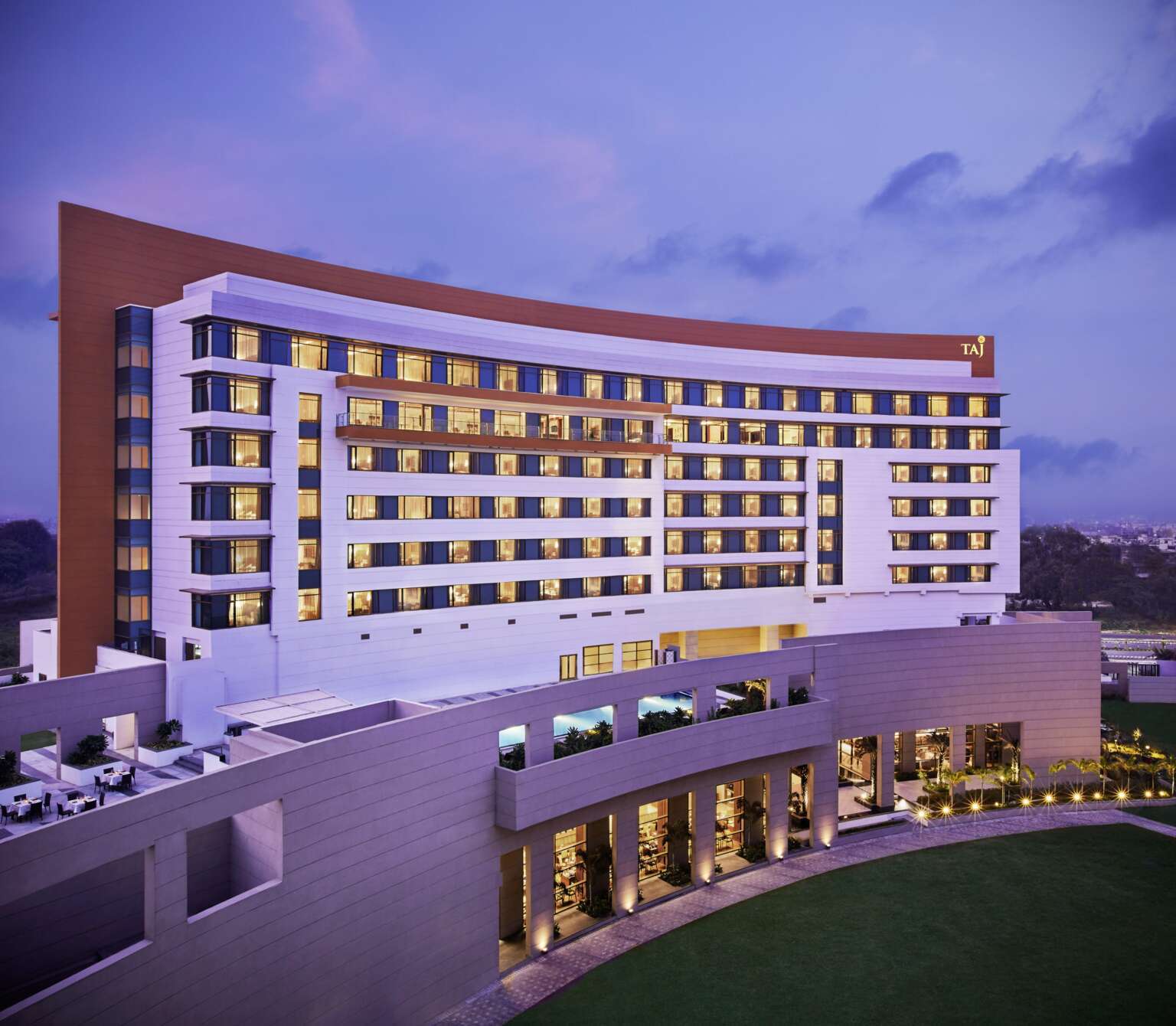
Relaxed elegance, impressive service and lots of modern touches, Taj Swarna is a cool Amritsar sanctuary close to all the historical sights.
Amritsar
Enjoy a city tour of Amritsar this morning. You’ll visit the Golden Temple – the centrepiece of the Sikh faith, built from white marble and gold leaf and set in the middle of a sacred lake, where pilgrims come to bathe. While here, visit the community kitchen, where volunteers feed 35,000 worshippers every day. A stop is also made by the historic Jallianwala Bagh, a historic garden which commemorates the thousands of unarmed protestors who were massacred by British forces here in 1919. The afternoon is free to explore as you wish. Overnight at Ranjit Svaasa.
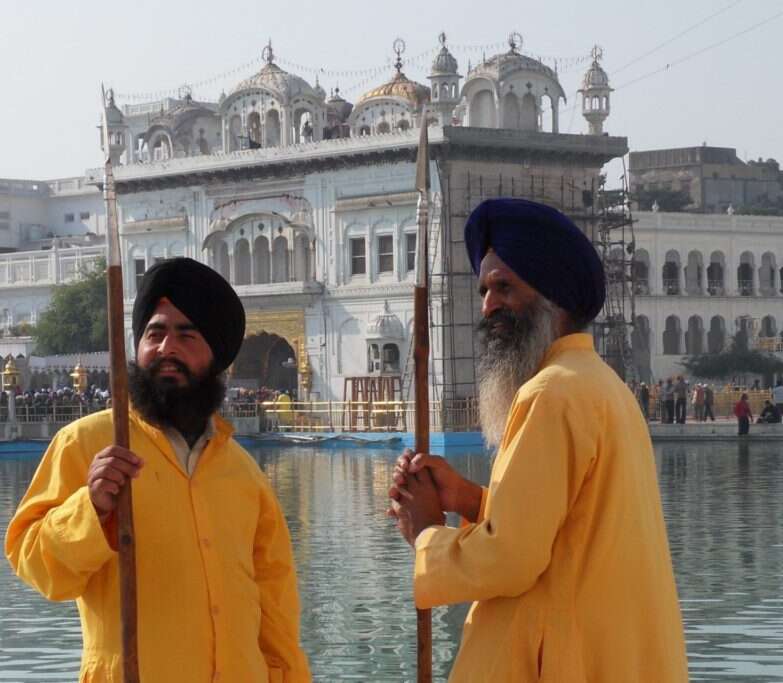
This heritage property in the heart of Amritsar dates back over 250 years to the British Raj era.
Amritsar & Dharamshala
Travel further into the mountains this morning to reach Dharamshala – home of the Dalai Lama and the exiled Tibetan government, where Buddhist temples meet robed monks, Tibetan gongs and bronze prayer wheels. Spend the afternoon exploring this fascinating city, or head out on a short hike to admire its cedar forests, icy peaks and waterfalls on foot. Alternatively relax at the hotel and take in the views. Overnight at Brij Anayra.
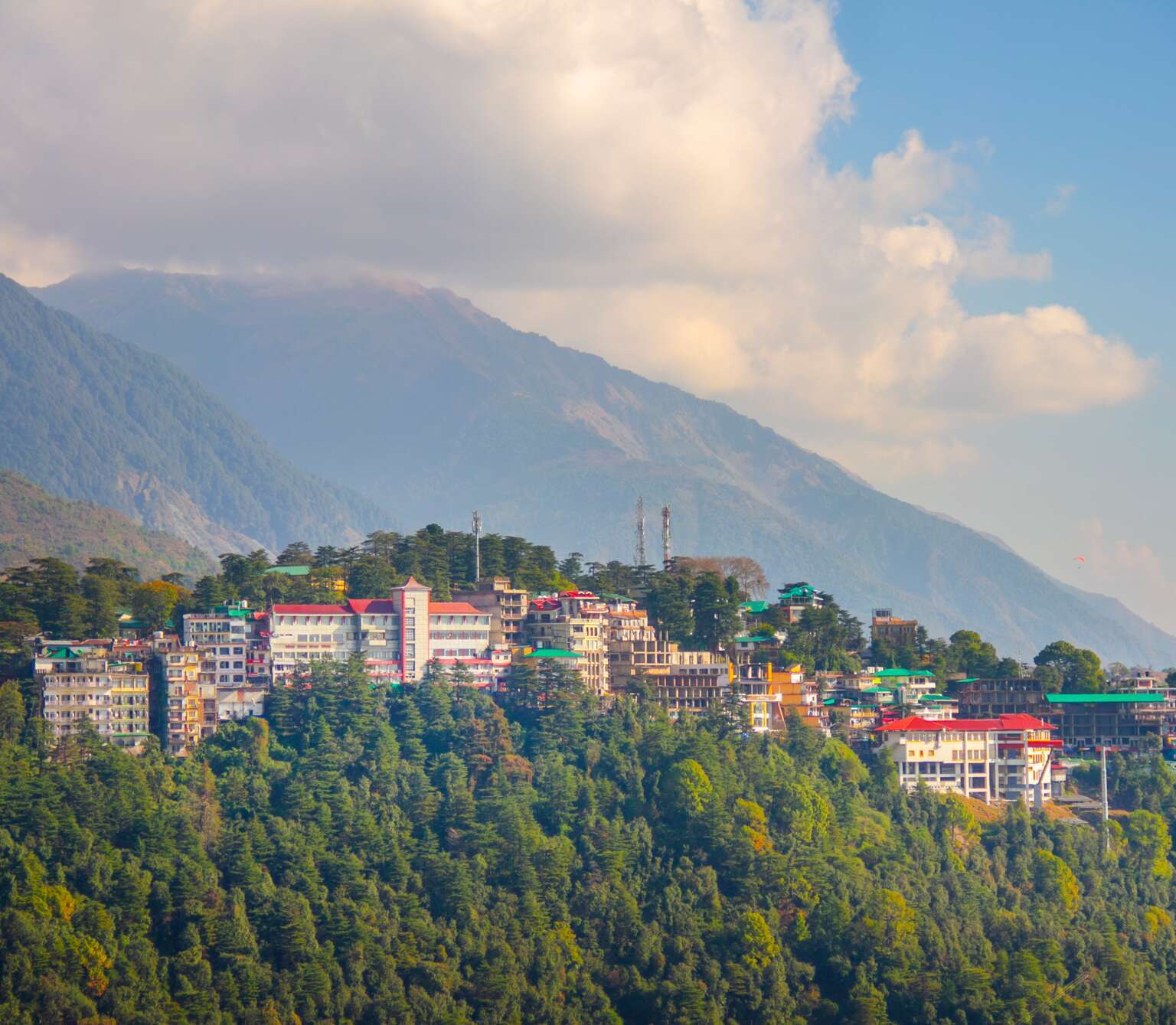
Amritara Surya is the perfect base for exploring the temples and monasteries of Dharamshala.
Dharamshala
Enjoy a full day in Dharamshala today. Wander its heritage-filled streets on your own terms or choose from one of several experiences; options include a visit to the Dalai Lama Monastery Complex and a guided mountain walk. Overnight at Brij Anayra.
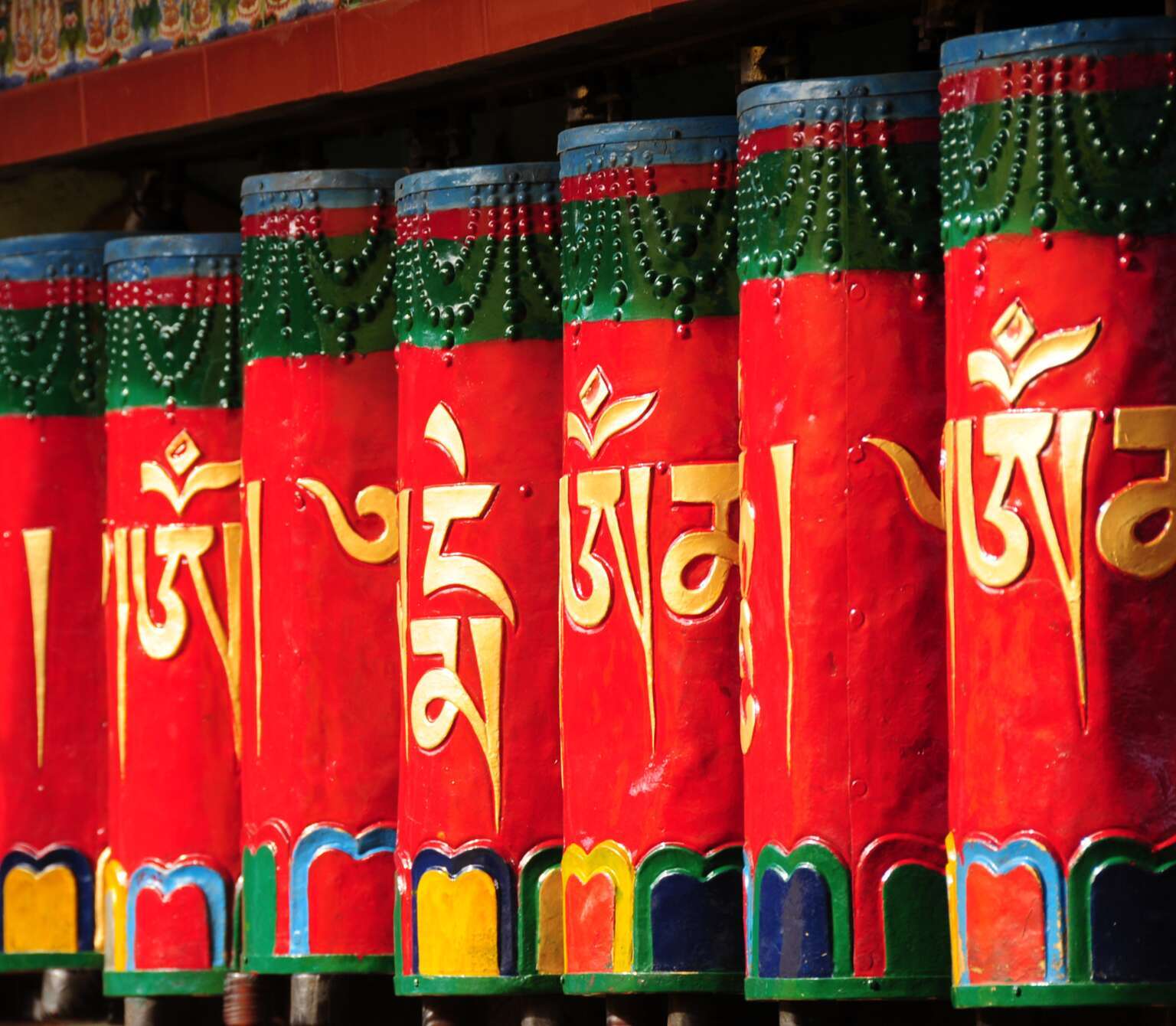
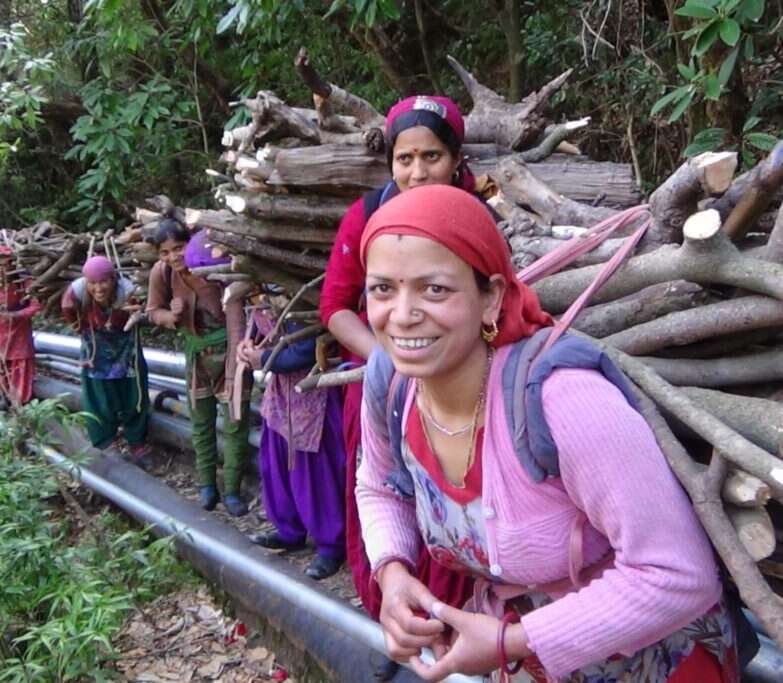
Amritara Surya is the perfect base for exploring the temples and monasteries of Dharamshala.
Dharamshala & Palampur
Enjoy a full day in Dharamshala today. Wander its heritage-filled streets on your own terms or choose from one of several experiences; options include a visit to Kangra Valley. Later, travel to Palampur, a journey time of 2 hours. Overnight at Lodge at Wah.
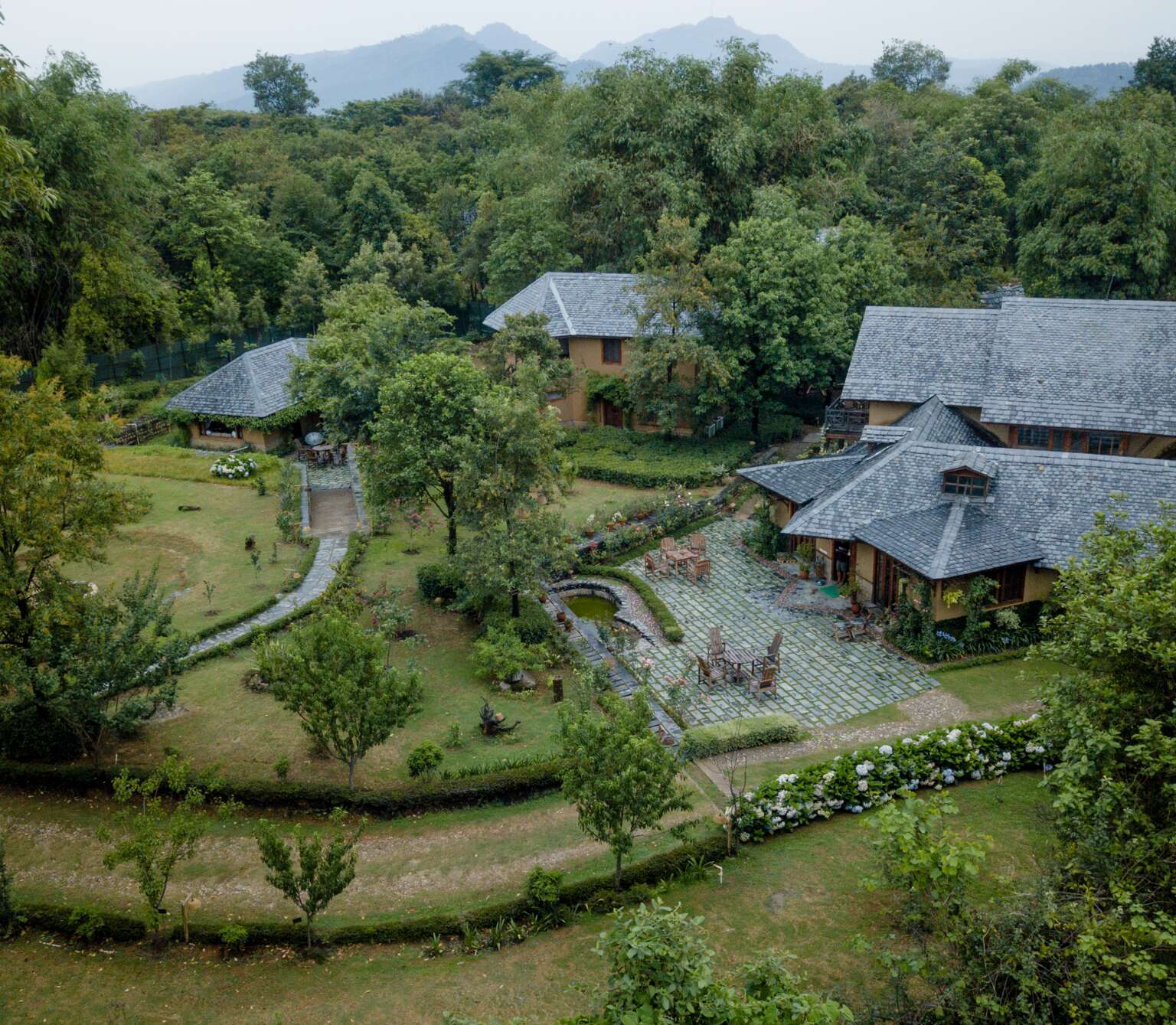
Stay on Wah Tea Estate, one of the largest working plantations in the Himalayan Kangra Valley.
Palampur & Pragpur
Transfer towards the village of Pragpur this morning, stopping en route at the Masroor Rock Temples. Also known as the ‘Ellora of the Himalayas’, this is one of northern India’s most impressive architectural treasures, comprised of 15 monolithic temples that were carved from a single rock in the 6th or 7th century. Afterwards, continue to Pragpur where you’ll have free time to explore this historic village, dating to the 16th or 17th century and home to cobbled streets and postcard-pretty architecture blending Kangra, Rajput and European influences. An optional tour can be made to visit the village of Garli. This was the most prosperous village in the region until India’s independence and is lined with elegant havelis and Italianate buildings, decorated with stained-glass windows and elaborate tilework. Overnight at Judges Court.
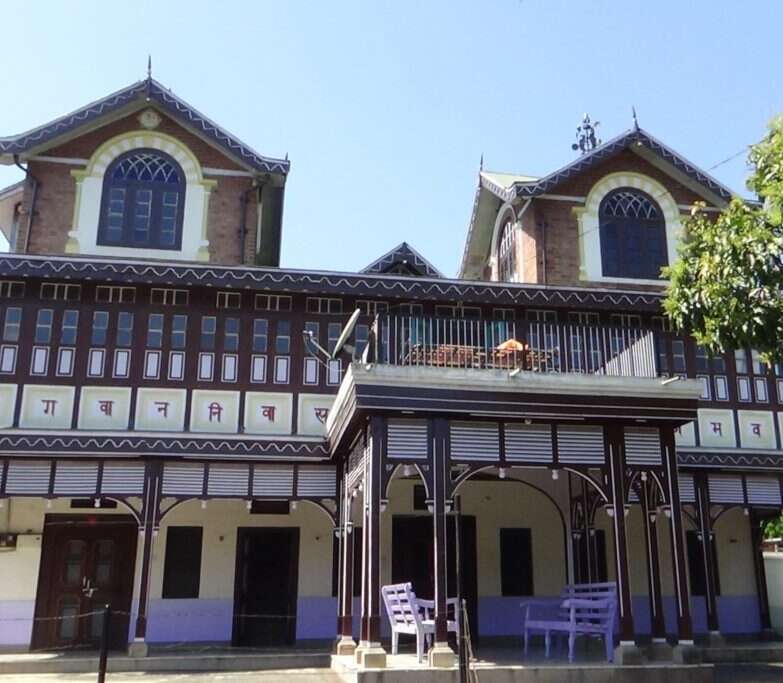
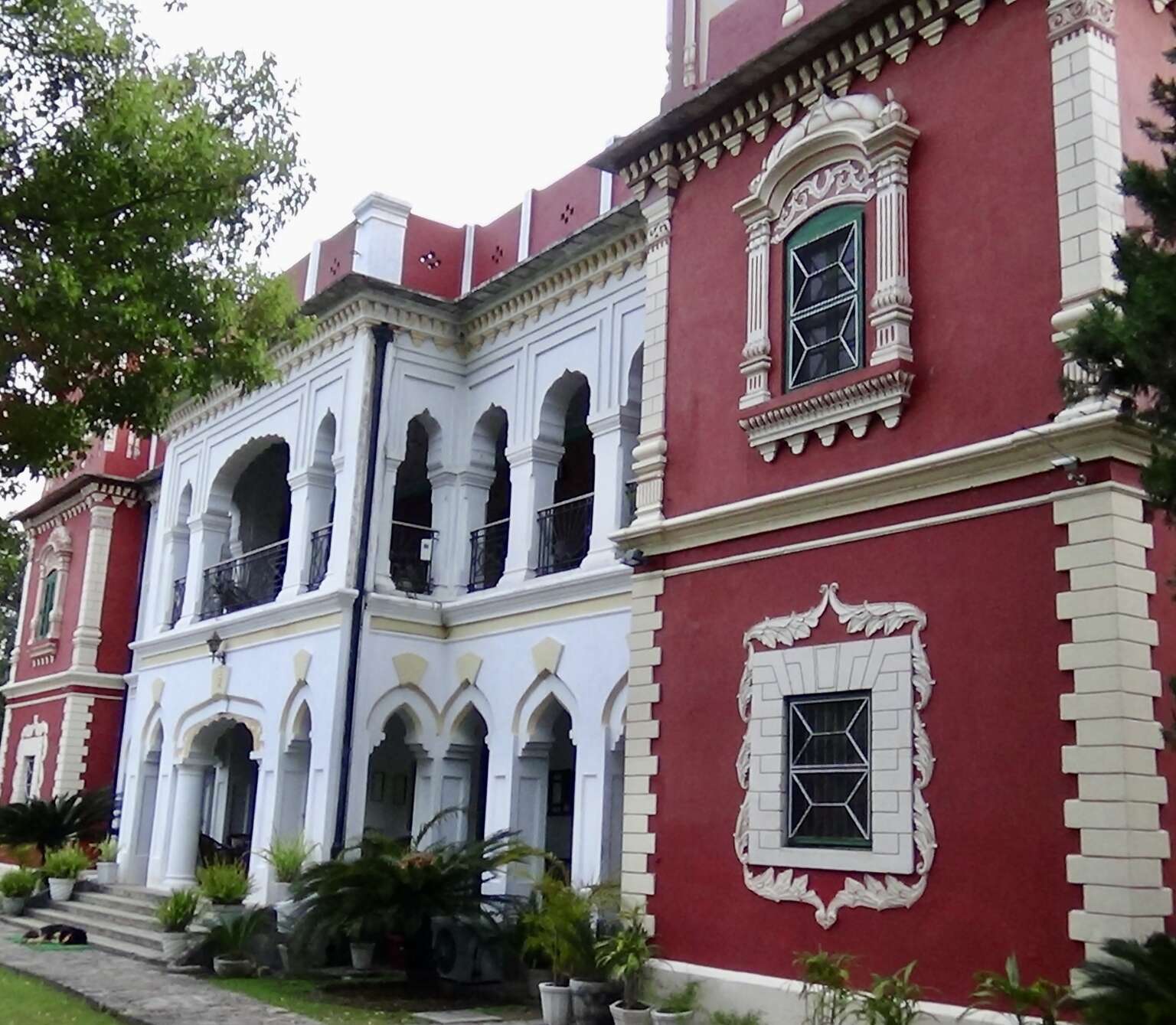
Set in the foothills of the sub-Himalayas, Judge’s Court is located in the village of Pragpur.
Pragpur & Shimla
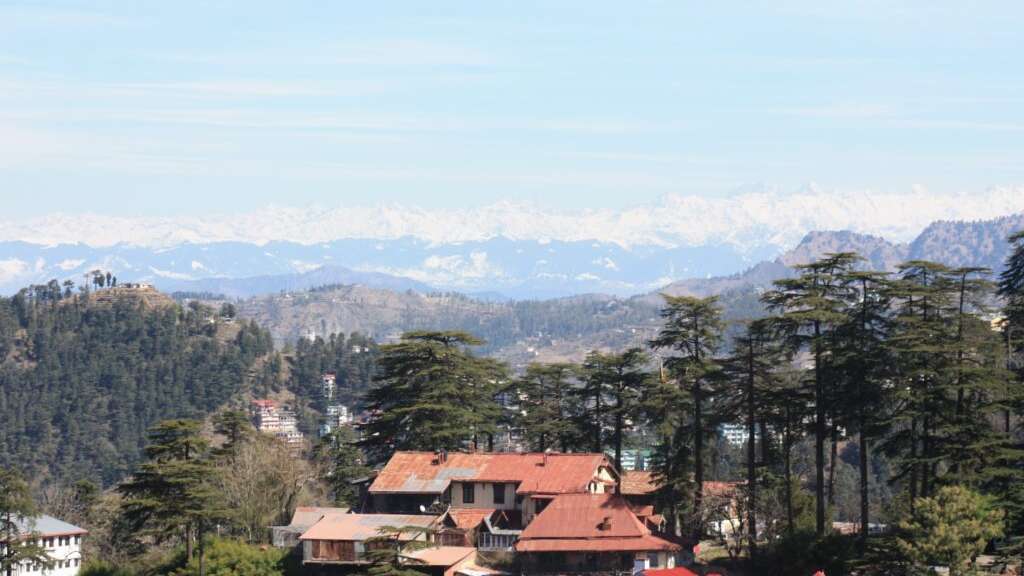
Travel to Shimla today, the 19th century seat of the British Raj, where colonial influences are felt in everything from the English uniforms to the buildings. Overnight at Oberoi Cecil.
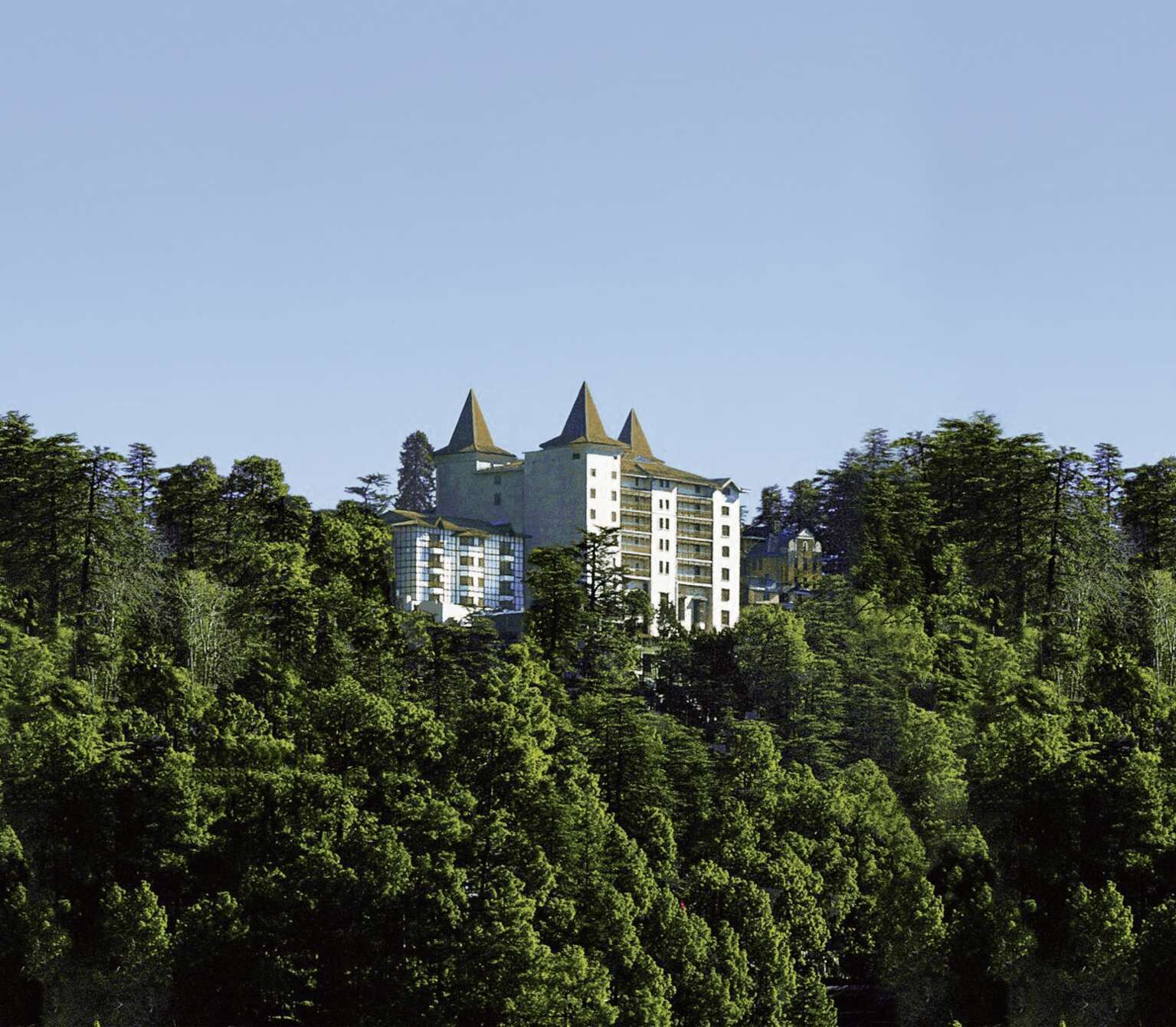
In the days of the British Raj, Shimla became the summer capital with visitors swapping the humidity of the monsoon rains for the fresh, cool mountain air of the north.
Shimla
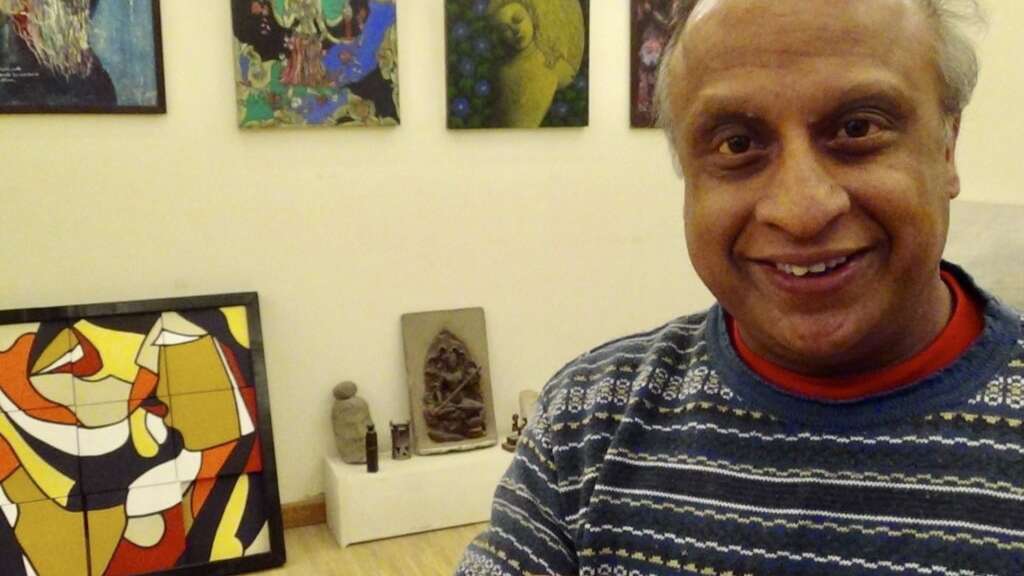
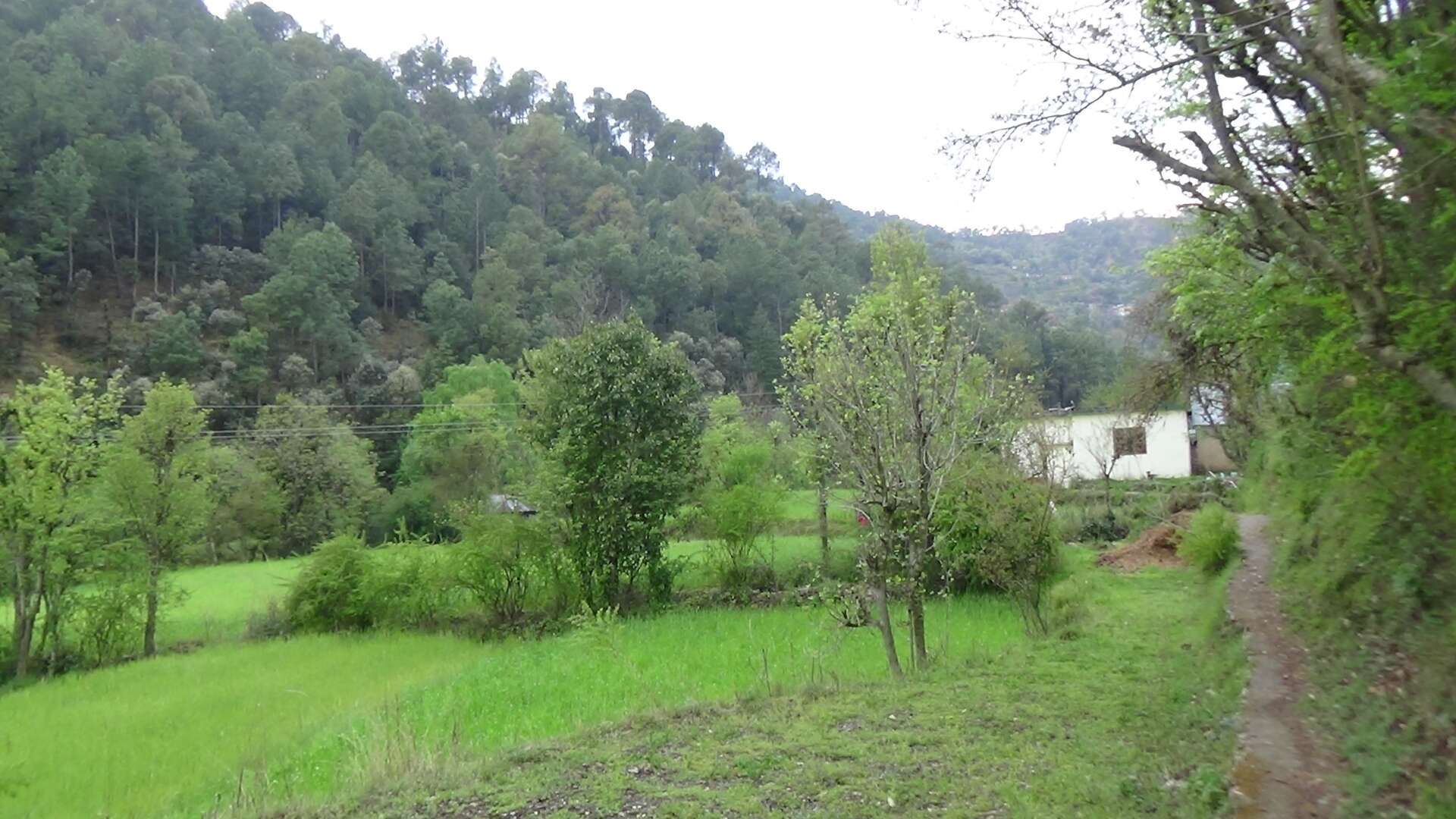
Explore Shimla at leisure today, or opt for a guided walking tour through meadows, brooks, grasslands and forests to reach the village of Heaun, where famous artist Sanath Chatterjee lived. An optional day trip to the Dhami estate – once a favourite hunting ground for the British Viceroys – is also available. Here you’ll meet local resident Kunwar Dushyant Singh and his wife for a home-cooked lunch and nature walk, learning more about the flora and fauna that surrounds this stately house. Alternatively, you may wish to stretch your legs with a walk to Elysium Hill, one of the seven hills that surrounds Shimla. Overnight at Oberoi Cecil.
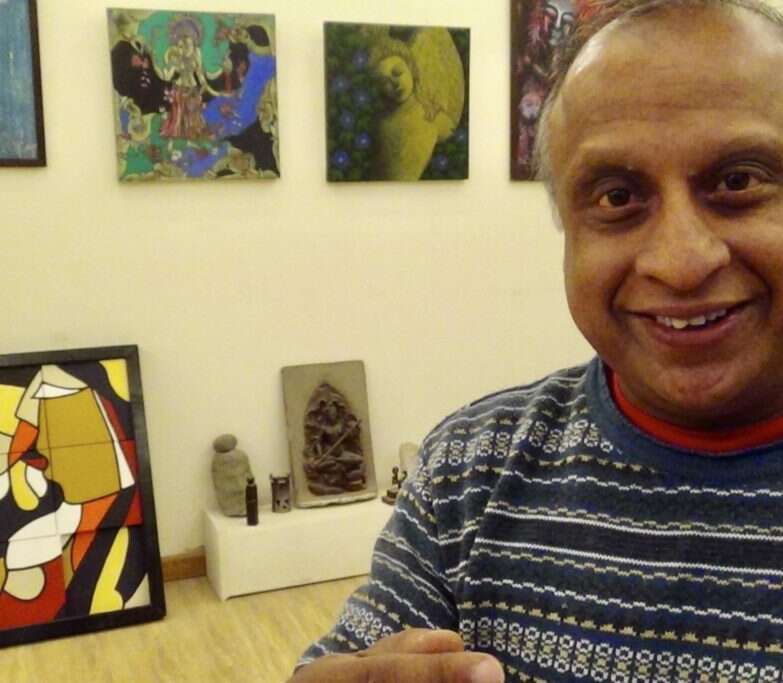
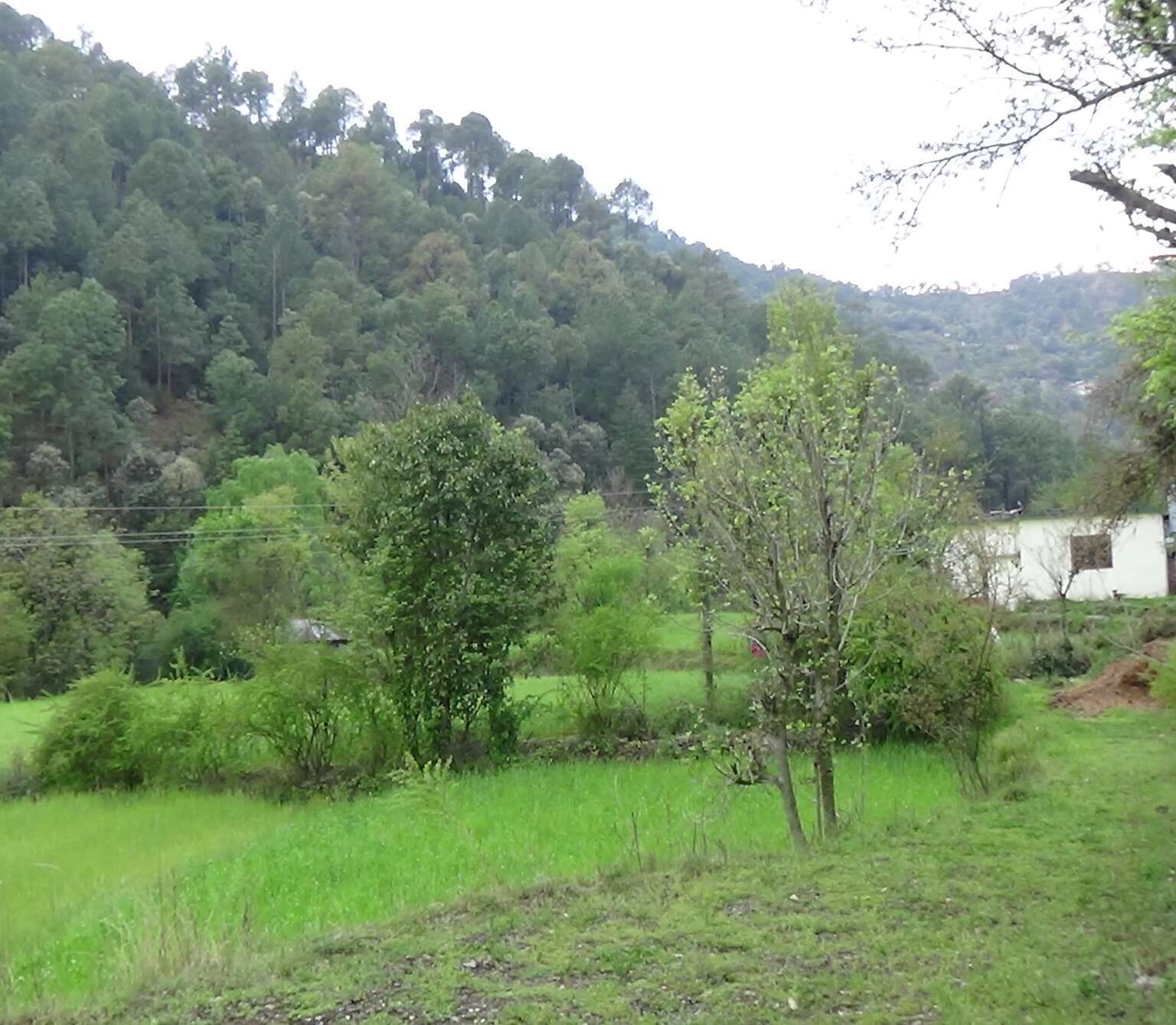
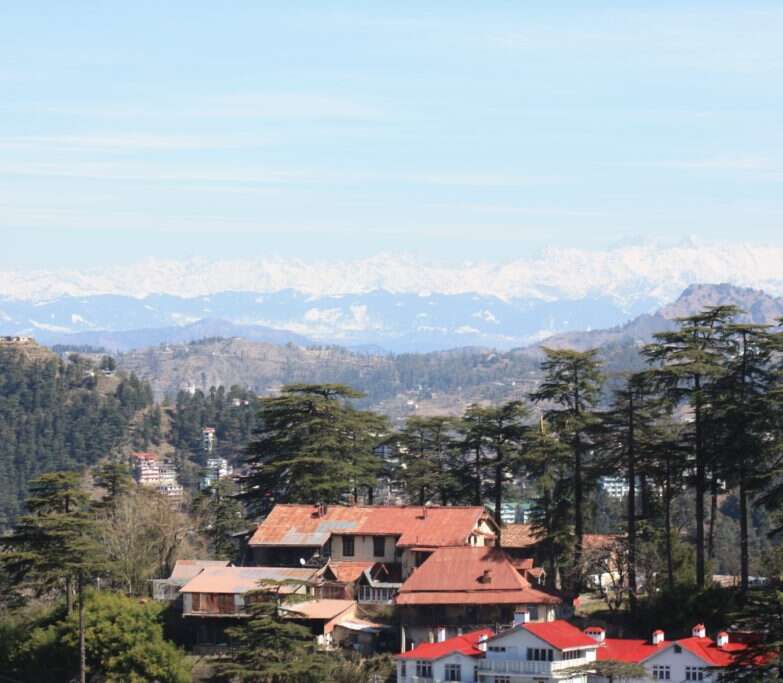
In the days of the British Raj, Shimla became the summer capital with visitors swapping the humidity of the monsoon rains for the fresh, cool mountain air of the north.
Shimla & Delhi
After breakfast, transfer to Shimla station for a ride on the famous toy train, Himalayan Queen. You’ll meander past pine forests, waterfalls and mountain peaks before reaching Kandaghat station. From here, travel by road to Kalka to board the Shatabdi Express to Delhi. On arrival in the capital, you’ll be met by a local representative and transferred to your hotel. The rest of the day is free to enjoy. Overnight at Haveli Dharampura.
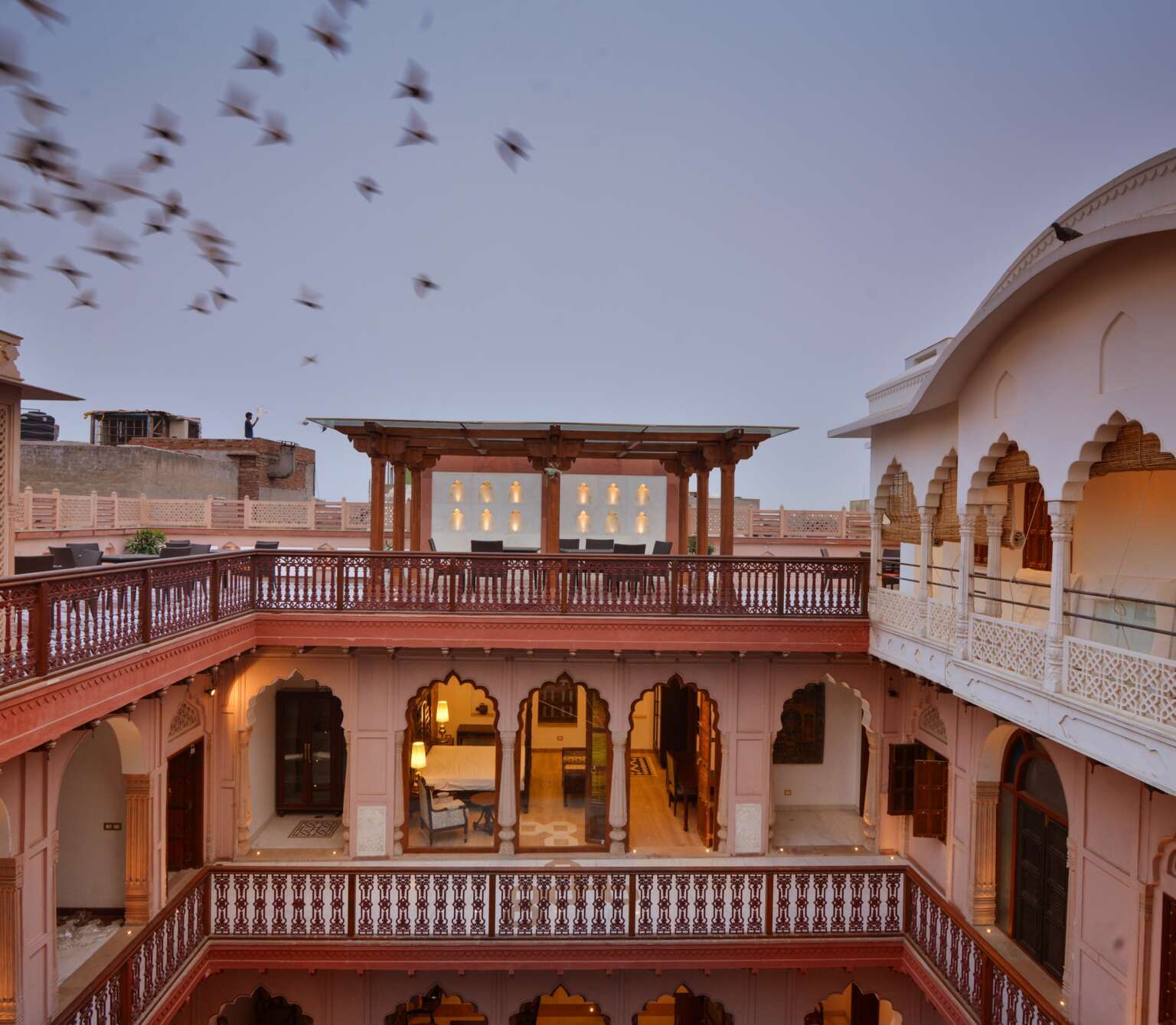
Step back into the 18th-century Mughal era at Haveli Dharampura, a 200-year-old heritage property.
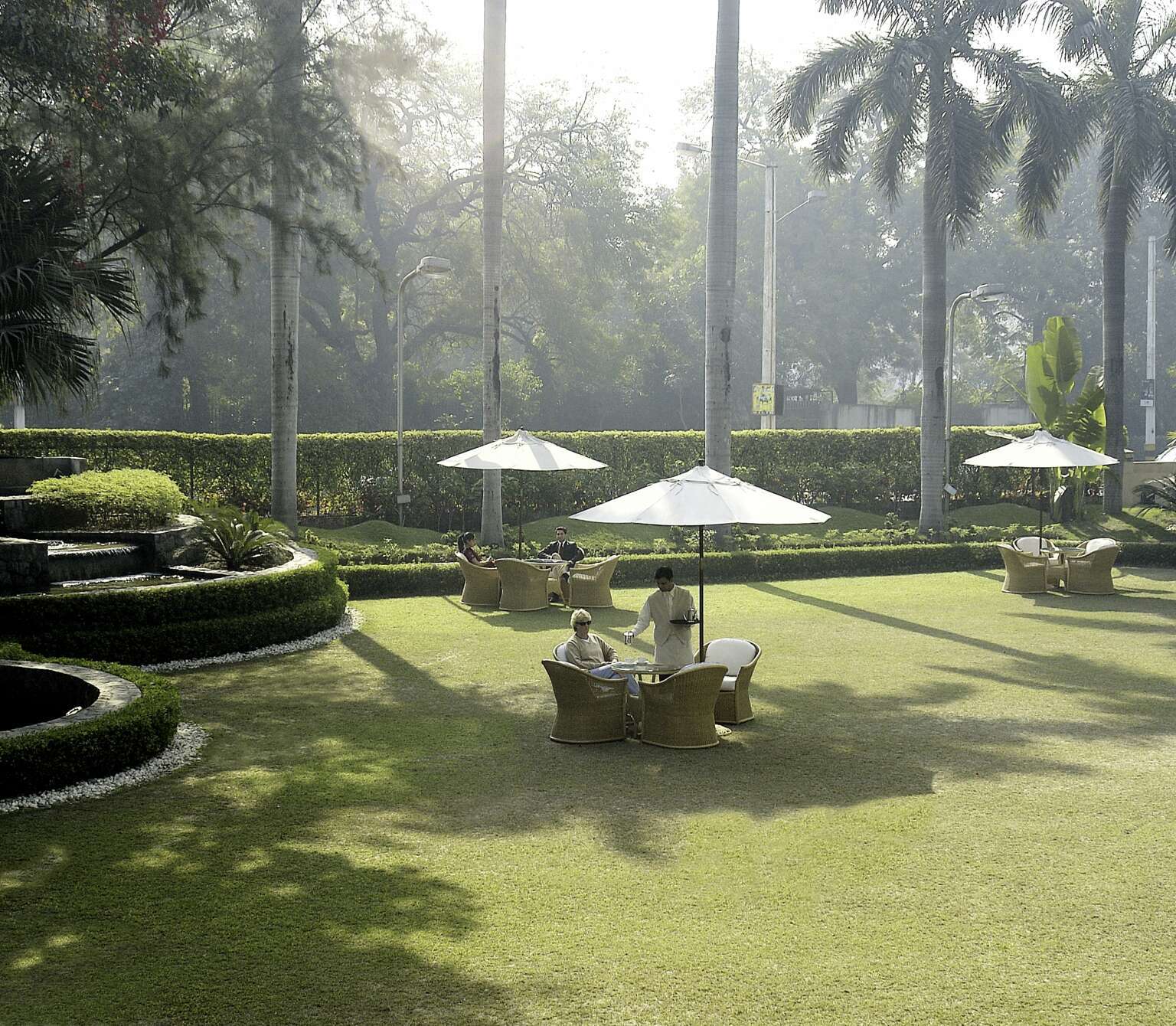
Understated and elegant, this gorgeous hotel sits among lush, tranquil gardens in a vibrant setting close to New Delhi’s historic landmarks.
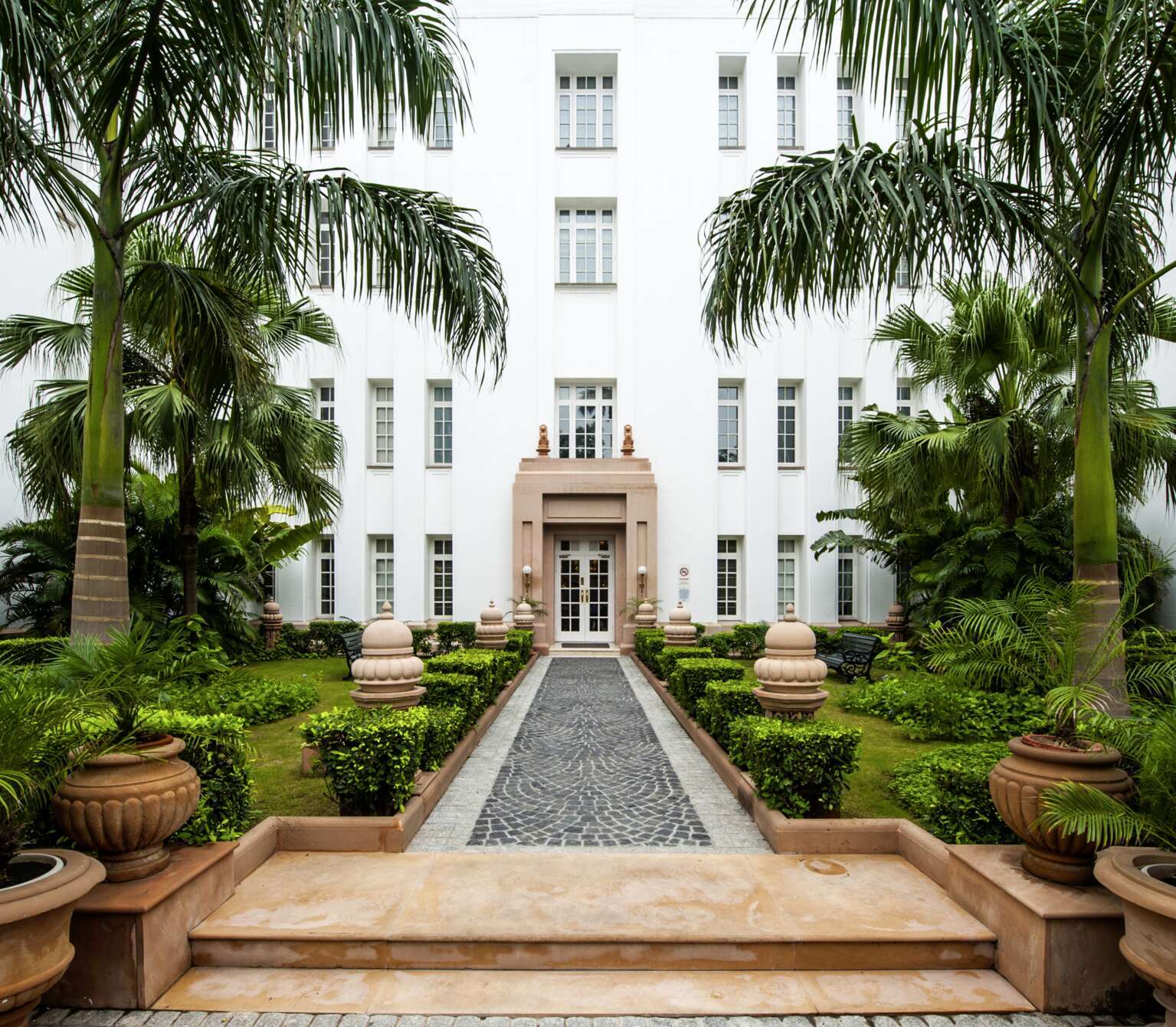
Be transported back to the elegance of the British Raj in this landmark heritage Delhi hotel.
Delhi
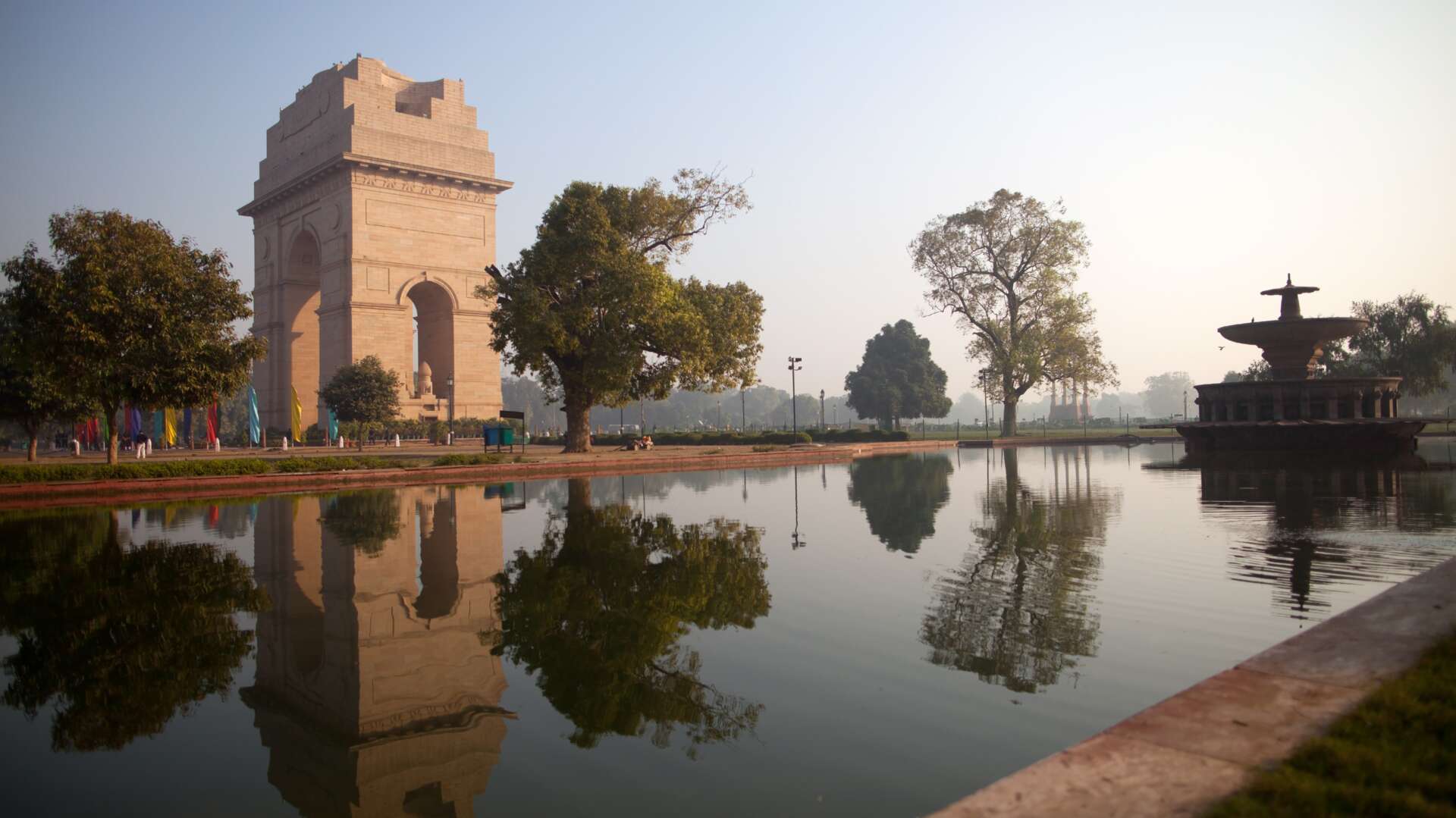
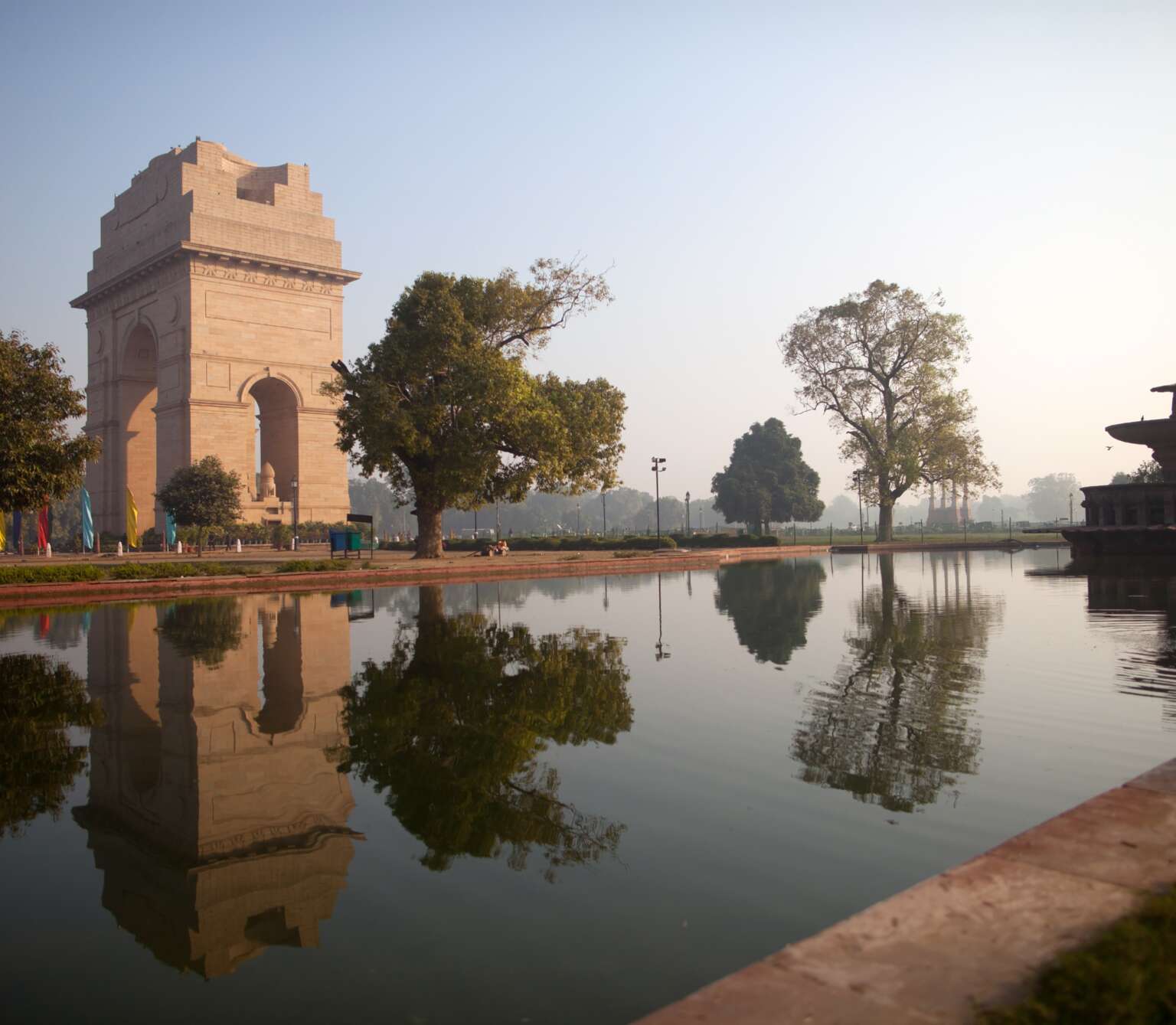
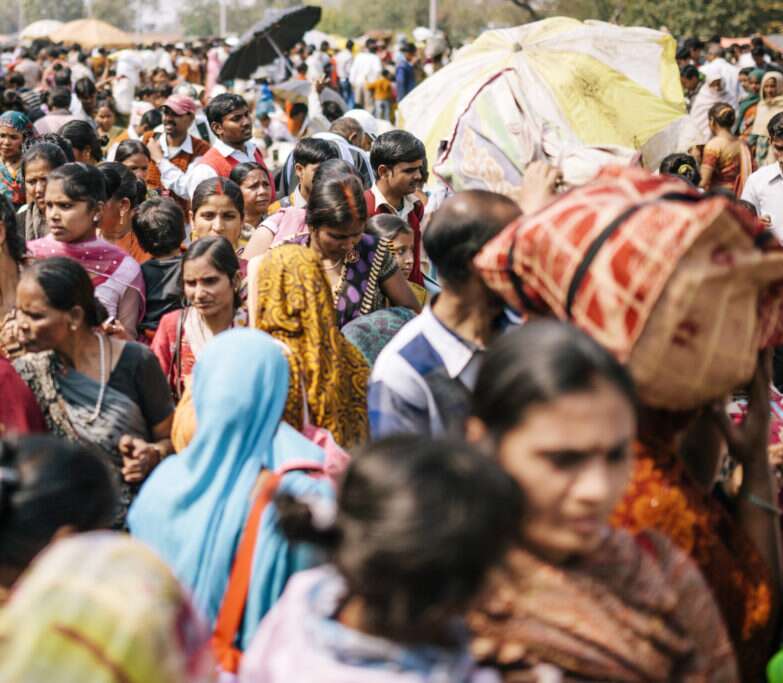
Enjoy a full day in the capital today. If you’re feeling energetic, opt for a Delhi by Dawn tour to see the city come alive in the early hours. Alternatively, you might opt for a culinary tour with a local food expert, take a rickshaw ride round Old Delhi’s higgledy-piggledy lanes or embark on a photography-themed amble to capture the city’s spice markets and bazaars. Otherwise, head out to explore this captivating city independently as you make the most of your final day; don’t miss the Red Fort, the UNESCO-listed Humayun’s Tomb and the elaborate Jama Masjid Mosque. Overnight at Haveli Dharampura.

Step back into the 18th-century Mughal era at Haveli Dharampura, a 200-year-old heritage property.
Delhi & Departure
Your tour ends today. Transfer to Delhi airport for your flight home or onward travel.
Option 1: Goa
After exploring the Western Himalayas, why not spend some time relaxing on the beaches of Goa?
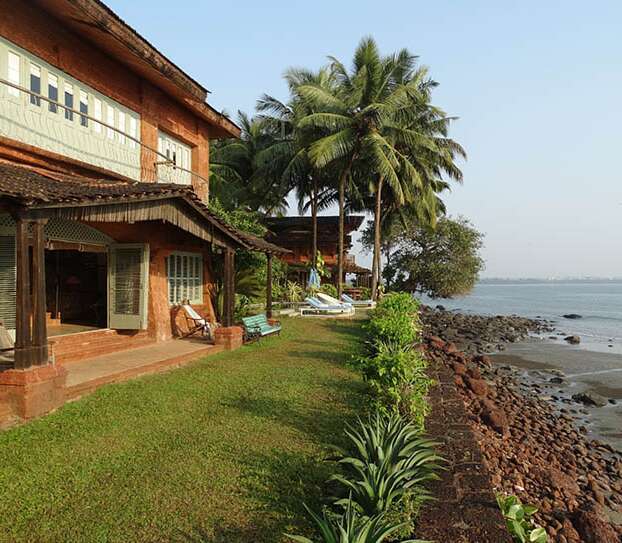
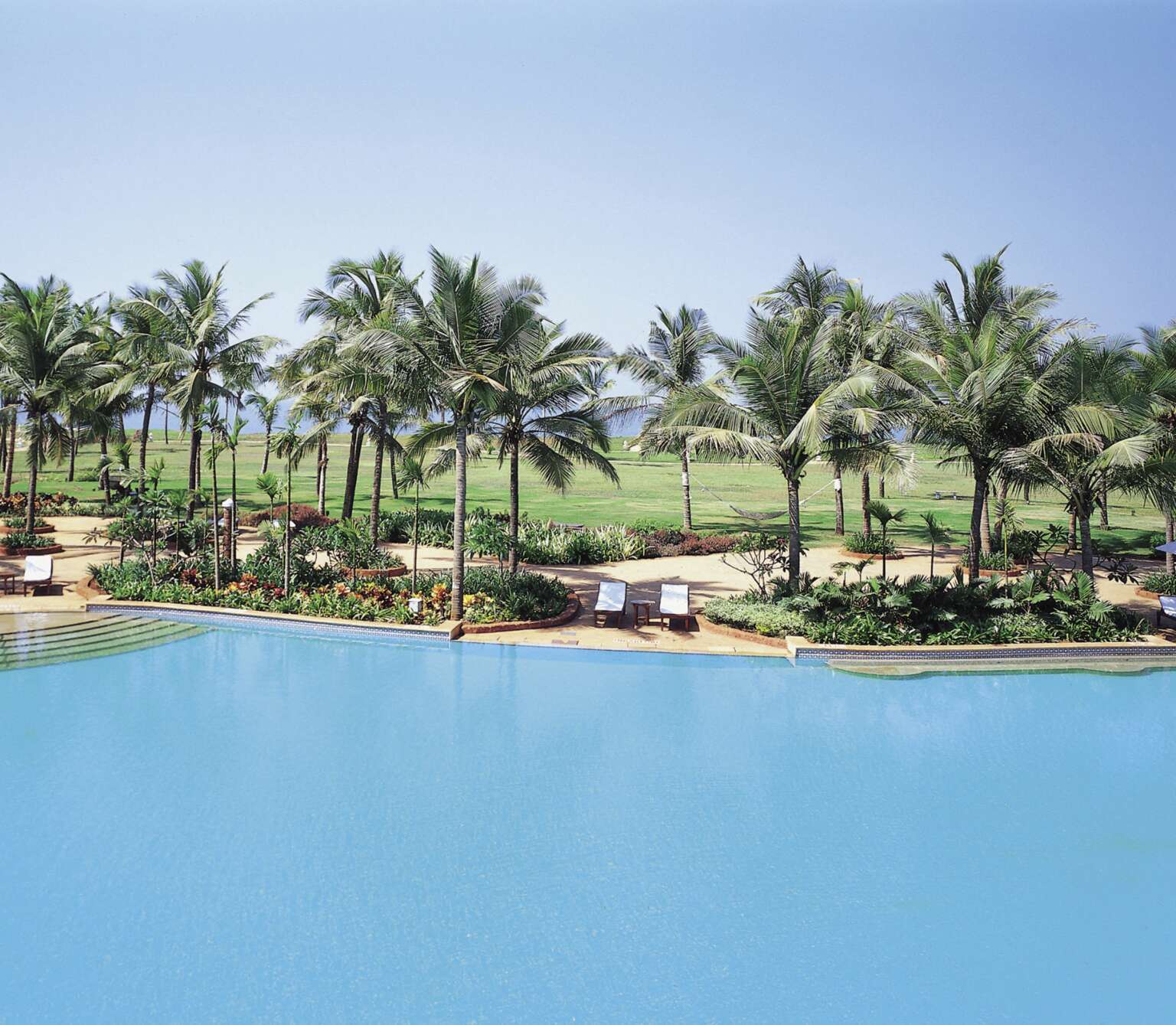
A charming Goan resort with spacious rooms and extensive, beautifully-landscaped gardens.
Option 2: Kovalam
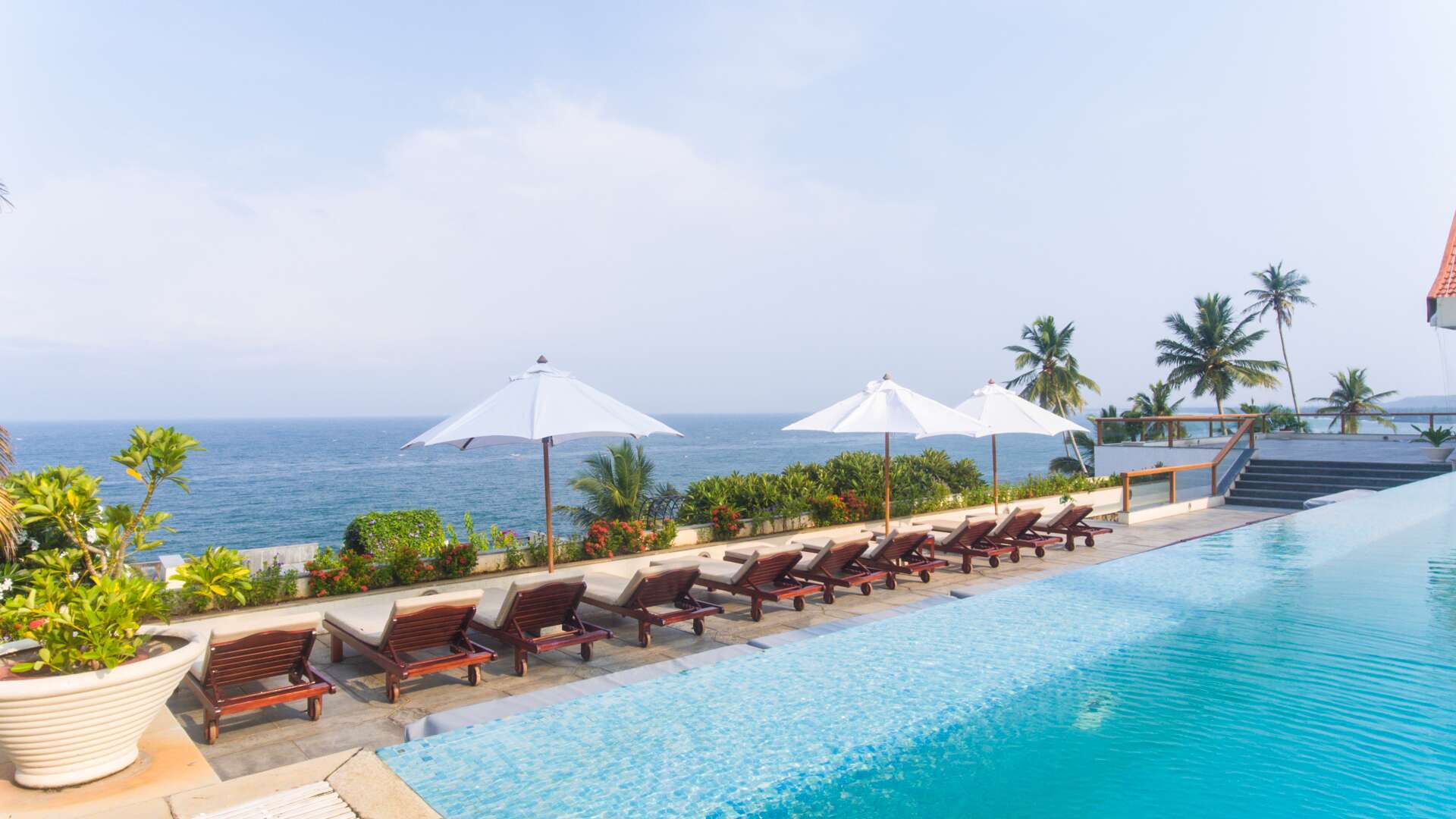
Head south for a stay on a Keralan beach.
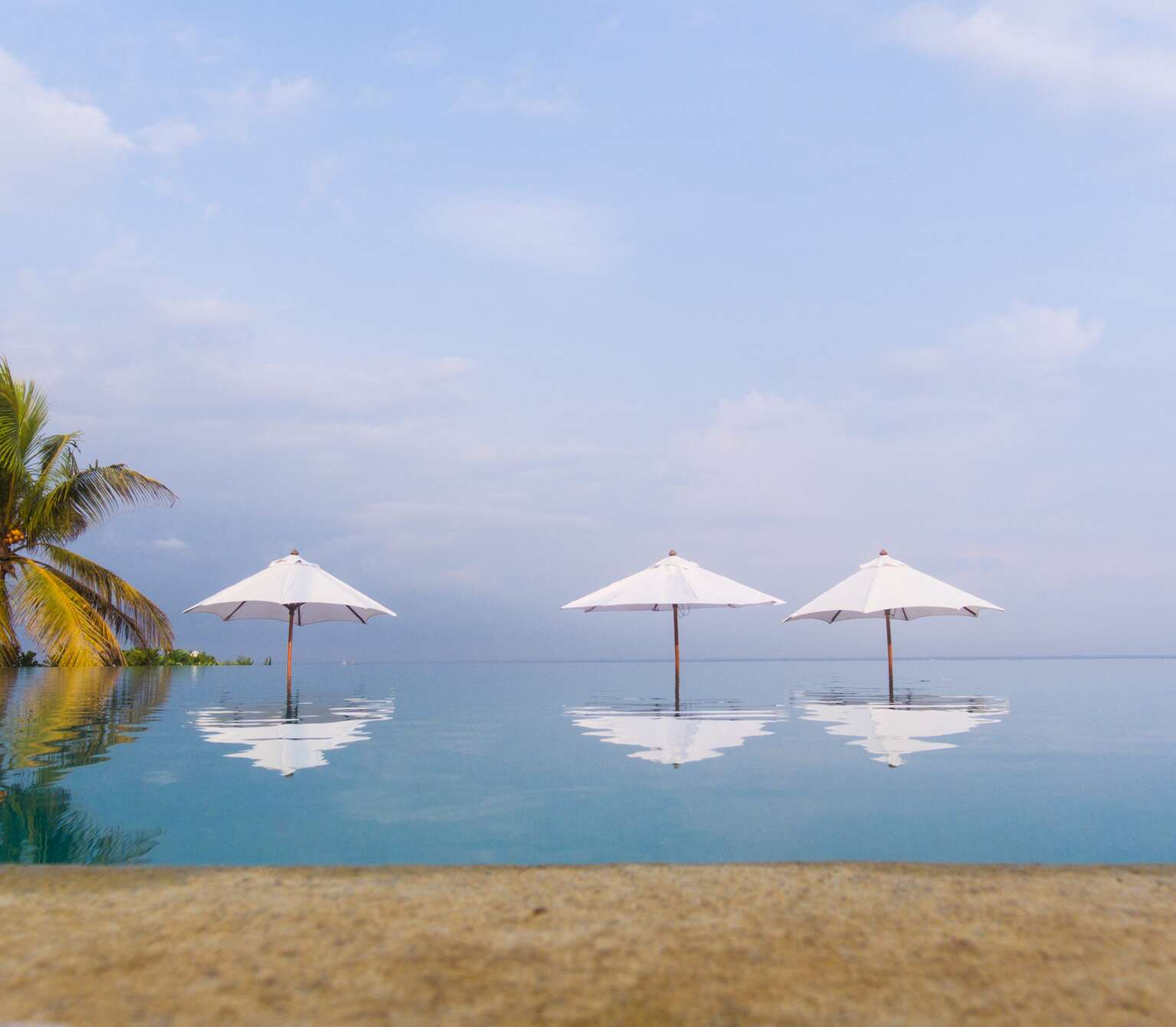
Situated on a rugged seaside cliff and surrounded by 67 acres of lush gardens, The Leela Kovalam has far-reaching views of the Arabian Sea.
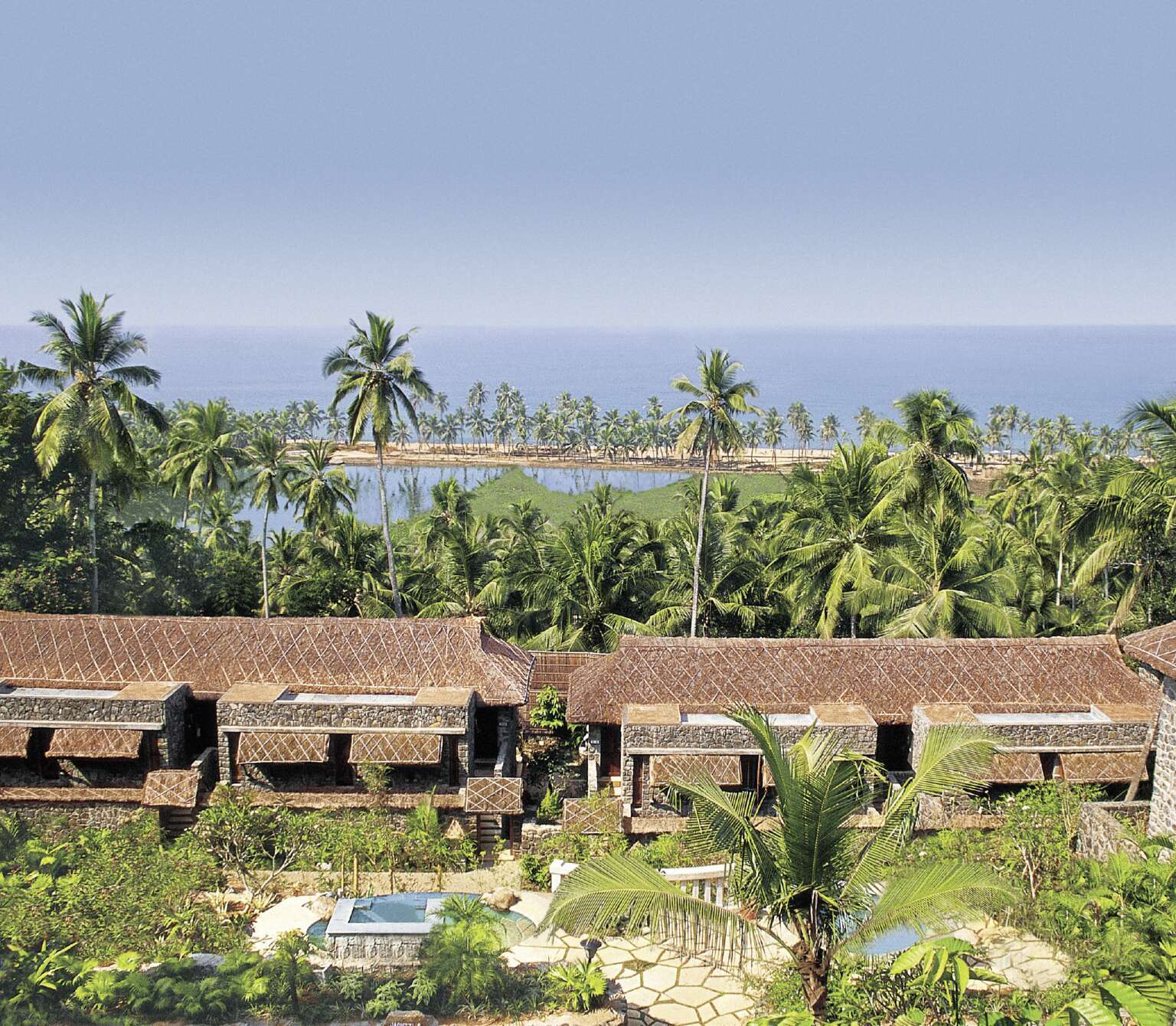
Taj Green Cove is a one-of-a-kind resort in Kovalam, blending all the things Kerala is famous for: nature, backwaters and the sea.
Option 3: Andaman Islands
To really get away from it all, the Andaman Islands offer a remote tropical beach experience.
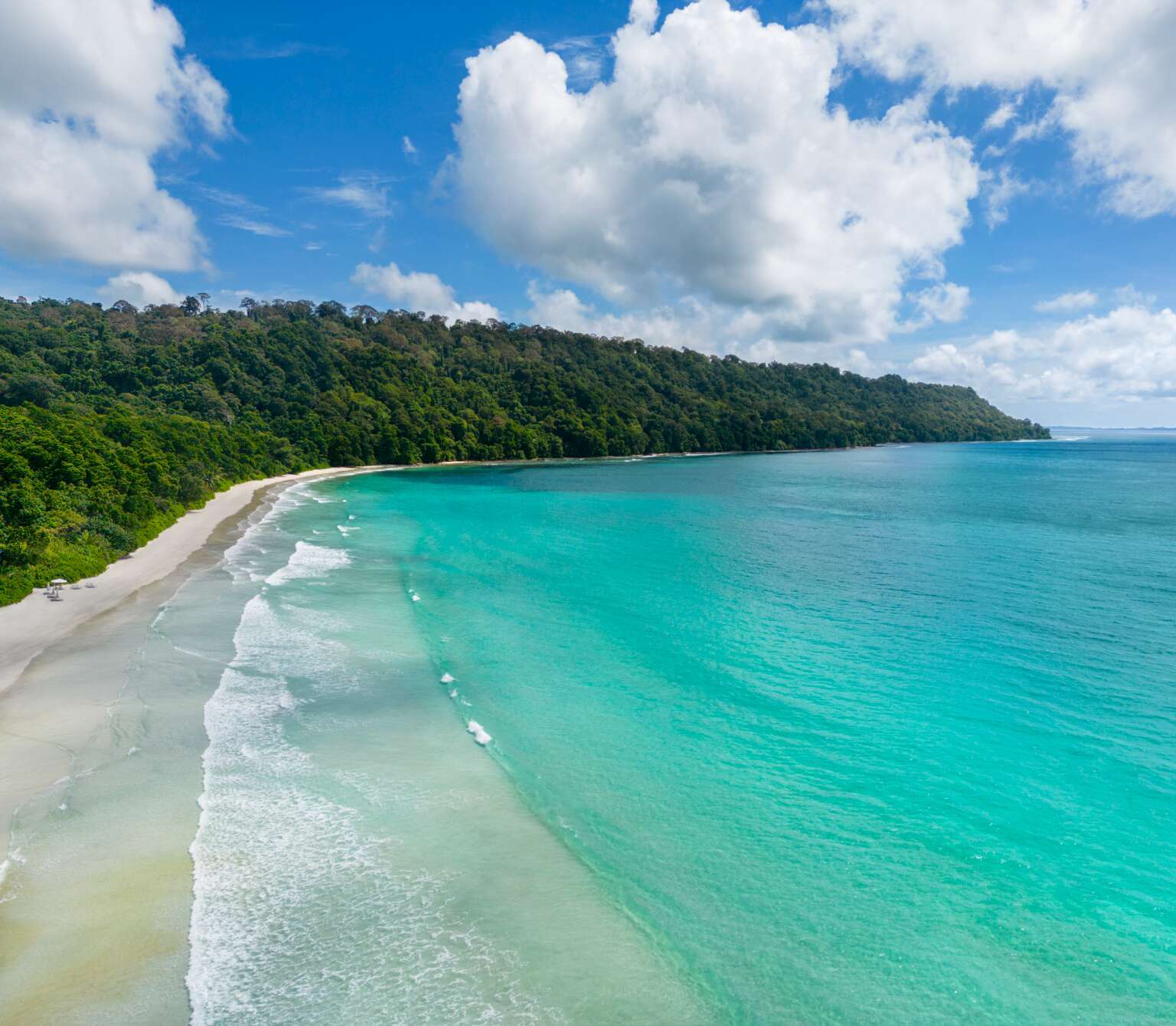
Taj Exotica lies behind the white sands of Radhanagar Beach, camouflaged by protected rainforest filled with towering indigenous trees.
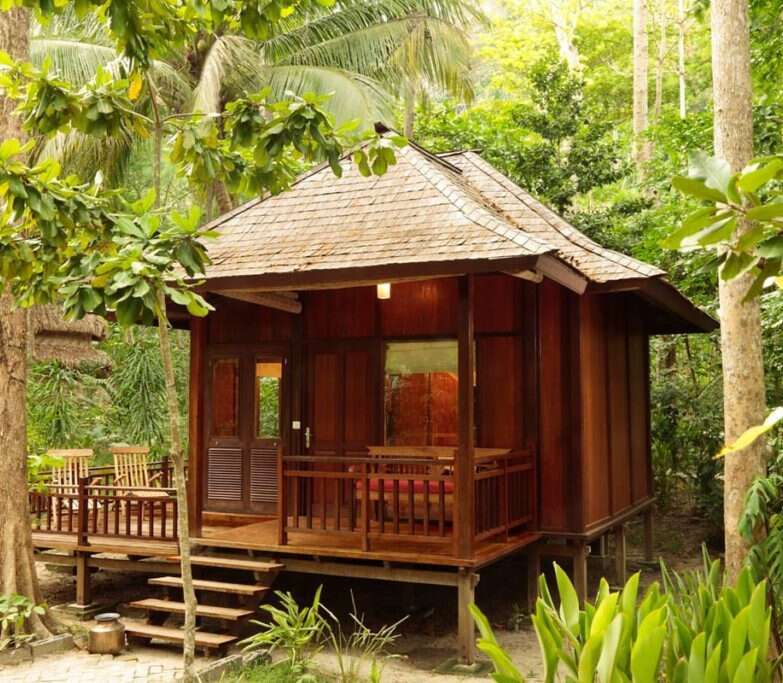
If you’re looking to get back to nature and stay in a sustainable property, Barefoot at Havelock is the perfect place for you.
Guide price information
01 Apr - 30 Sep
01 Jan - 31 Mar, 01 Oct - 31 Dec
Guide price information is based on the included flights from London, accommodation, transport and experiences detailed in the itinerary above. Guide prices do not include optional things to do. Call us for up to date prices – the cost of your holiday depends upon the time of year you travel, how long you go for, preferred departure airport, airlines, hotels and things to do. Based on 2 people sharing.

_w=24_h=25.png?v=eed9279541dd7b52404fb4a7f716eaca487cc2a2)
_w=24_h=25.png?v=eed9279541dd7b52404fb4a7f716eaca487cc2a2)
_w=24_h=25.png?v=eed9279541dd7b52404fb4a7f716eaca487cc2a2)
Talk to an expert today
Your dream holiday is just a phone call away
Call us on 0800 294 9707


Monday: 10am - 5pm
Tuesday: 10am - 5pm
Wednesday: 10am - 5pm
Thursday: 10am - 5pm
Friday: 10am - 5pm
Saturday: 10am - 5pm
Sunday: Closed