Middle East situation: we’re calling all customers with holidays booked up to 24th April in order of departure date. Latest update



-
Africa
-
Arabia
-
Asia
-
Australasia & Pacific
-
Caribbean
-
Central America
-
Europe
-
Indian Ocean
-
South East Asia
-
North America
- View all destinations

_w=200_h=165_pjpg.jpg?v=eed9279541dd7b52404fb4a7f716eaca487cc2a2)
_w=200_h=158_pjpg.jpg?v=eed9279541dd7b52404fb4a7f716eaca487cc2a2)
- Holiday type
- Brochures
- Collections
- Articles
- Where to go when


Speak to one of our experts now about this offer

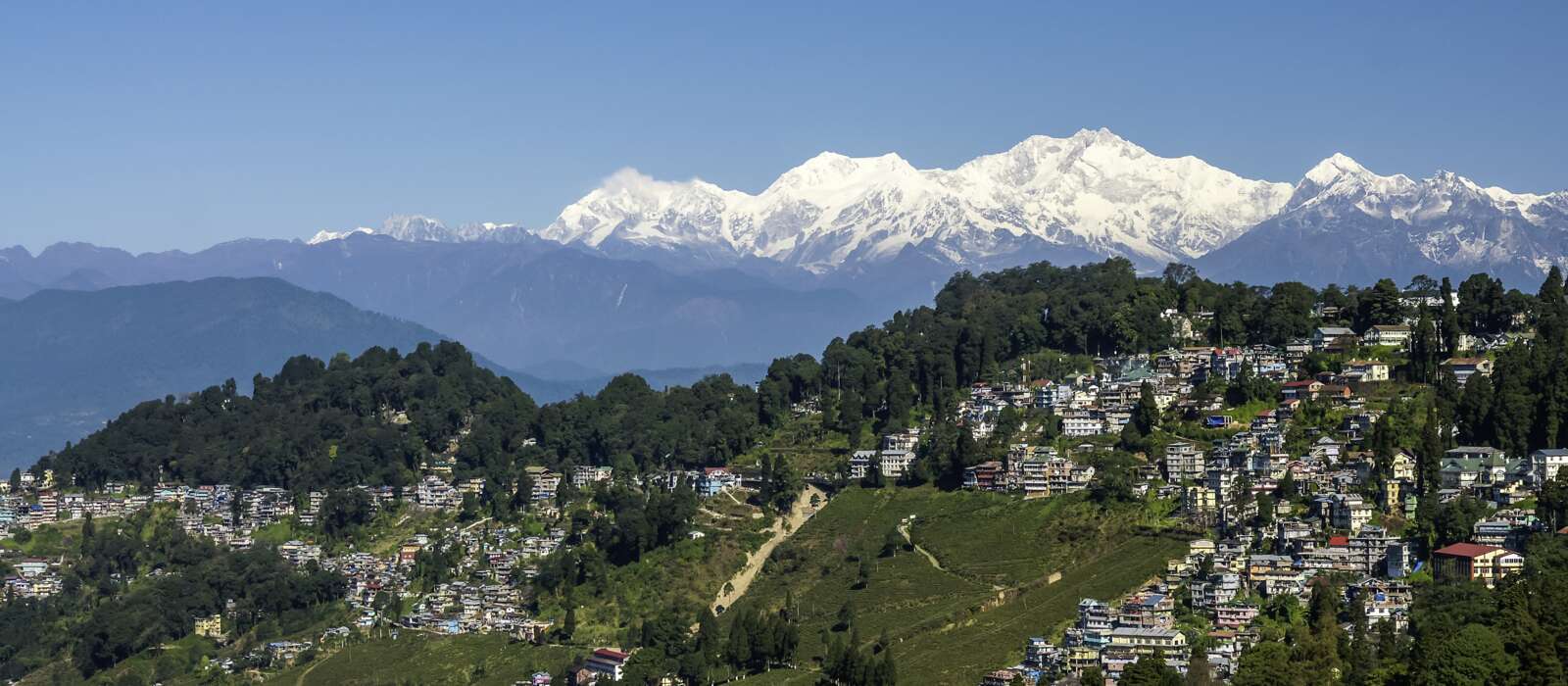
Covering India’s most north eastern region are the epic landscapes of the world’s highest mountain range – the Himalayas.
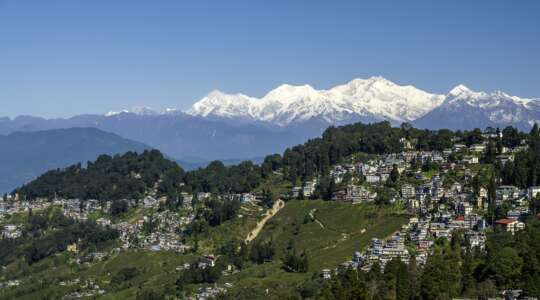
Welcome to the Himalayas, a land of ice-topped peaks where snow leopards patrol the mountains, monks chant in Tibetan monasteries and prayer flags flutter in the breeze. This remote region is unlike any other in India, home to the Dalai Lama and gold-topped stupas, ancient rock temples and isolated villages where locals cook up fat, piping-hot momos. Lower down in the lush foothills, you’ll discover emerald tea plantations and pine-scented colonial hill stations accessed by steam trains that puff in from the arid plains below.
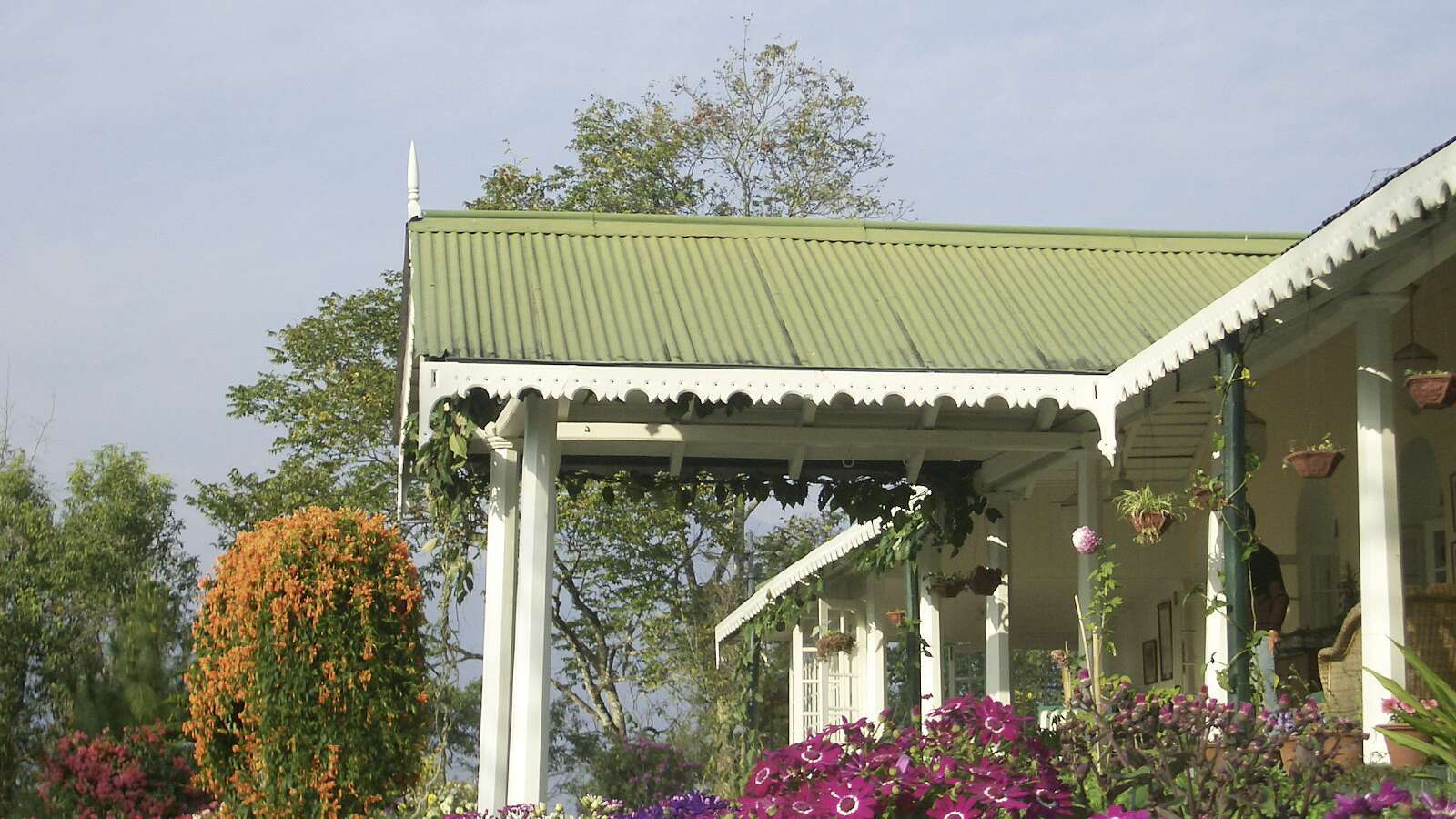
For many, their Himalayan adventure begins with a ride on the UNESCO-listed Darjeeling Himalayan Railway, en-route to sip tea in family-run plantations responsible for creating the finest varieties of India’s signature brew. The lesser-known Kalka-Shimla toy train navigates a nail-biting 900 mountain bends to reach the 19th-century seat of the British Raj, once the home of Rudyard Kipling. Here, you can stay in Elizabethan mansions and trek through fairytale forests.
Spiral upwards to Himalayan hubs like Kalimpong, Pelling and Gangtok, a mecca for hikers who wish to wander among the clouds, passing bronze prayer wheels and monasteries, pausing at tiny villages for bowls of noodle soup. Spiritual seekers continue to Dharamshala, where the exiled Tibetan government and his holiness the Dalai Lama reside. Listen carefully and you’ll hear the chanting of robed monks punctuated by the clash of Tibetan gongs carried on the icy wind from Tsuglagkhang Temple.
Whether you come to hike, sip tea or ride steam trains, the Indian Himalayas are best navigated with help from one of our clued-up destination experts.

Himalaya Regions
Our recommendations for the best places to visit in Himalaya
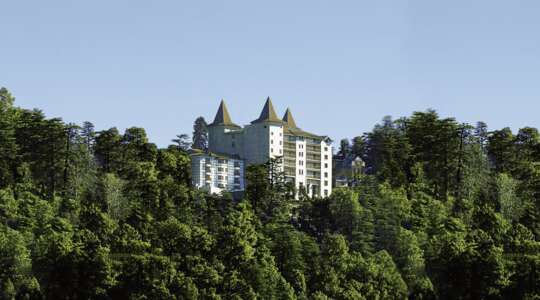
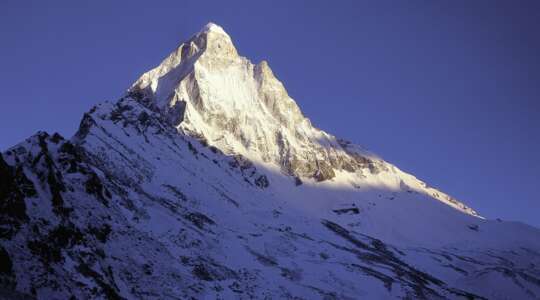
Foothills of the Himalaya Holidays
The beautiful mountain regions of Northern India are shadowed by the ice covered peaks of the Him...
Holidays in Himalaya

- Amritsar
- 4.5 Star
A chic and contemporary hotel nestled in the heart of spiritual city, Amritsar.
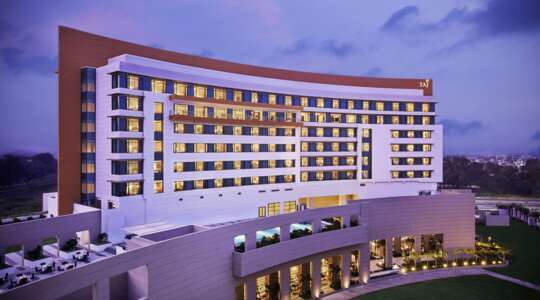
- Amritsar
- 5 Star
Relaxed elegance, impressive service and lots of modern touches, Taj Swarna is a cool Amritsar sanctuary close to all the historical sights.
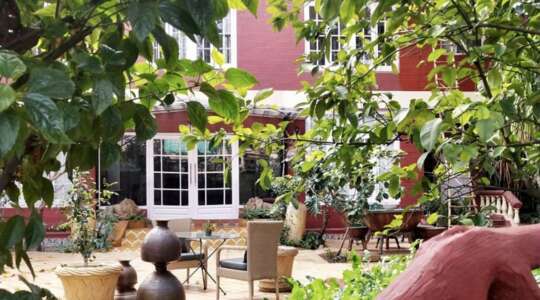
- Amritsar
This heritage property in the heart of Amritsar dates back over 250 years to the British Raj era.
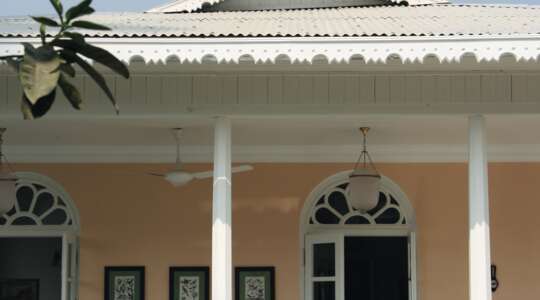
- Darjeeling
Glenburn Tea Estate where a love story fashioned one of the world’s most charming hotels.
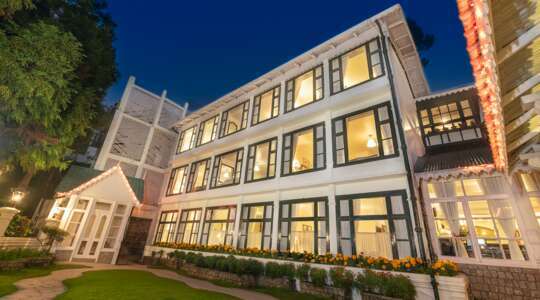
- Darjeeling
The Elgin is the oldest heritage hotel in Darjeeling. While much has changed around the hill town, at The Elgin you still get a feeling of yesteryear.
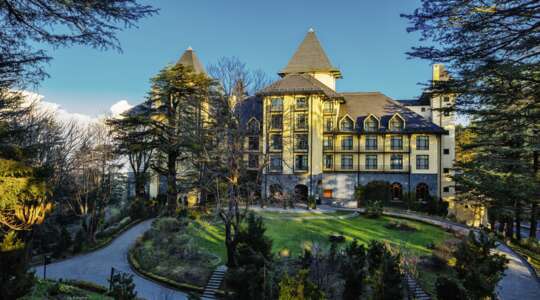
- Shimla
Perched 8,500 feet above sea level and surrounded by a cedar forest, The Oberoi Wildflower Hall holds a prominent position overlooking the Shimla Valley.
- Shimla
- 5 Star
In the days of the British Raj, Shimla became the summer capital with visitors swapping the humidity of the monsoon rains for the fresh, cool mountain air of the north.
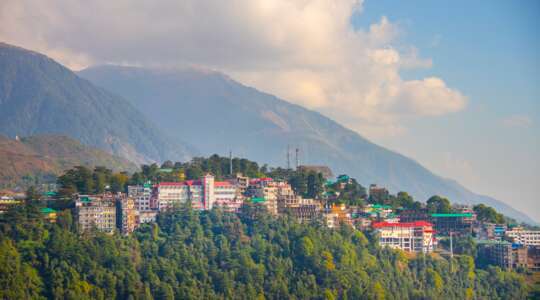
- Dharamshala
Amritara Surya is the perfect base for exploring the temples and monasteries of Dharamshala.
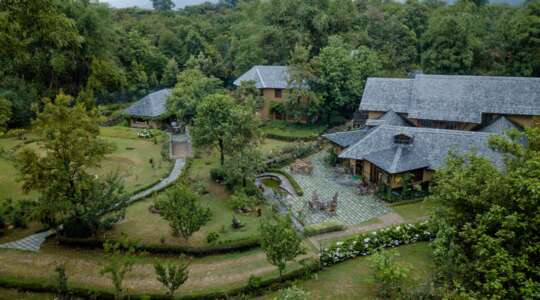
- Foothills of the Himalaya
Stay on Wah Tea Estate, one of the largest working plantations in the Himalayan Kangra Valley.
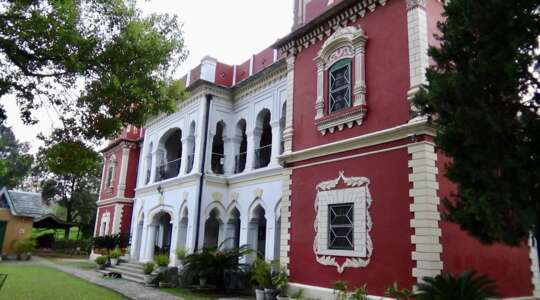
- Foothills of the Himalaya
Set in the foothills of the sub-Himalayas, Judge’s Court is located in the village of Pragpur.
You may also like
-
-
Destination {{ destinationFilters.length }}
- Agra{{destinationCountWith('Agra')}}
- Amritsar{{destinationCountWith('Amritsar')}}
- Delhi{{destinationCountWith('Delhi')}}
- Kolkata{{destinationCountWith('Kolkata')}}
-
-
- Kuoni recommended
- Name (A-Z)
- Rating (High to Low)
- Rating (Low to High)
- Price (High to Low)
- Price (Low to High)
- {{ filter.text }}
- Clear all
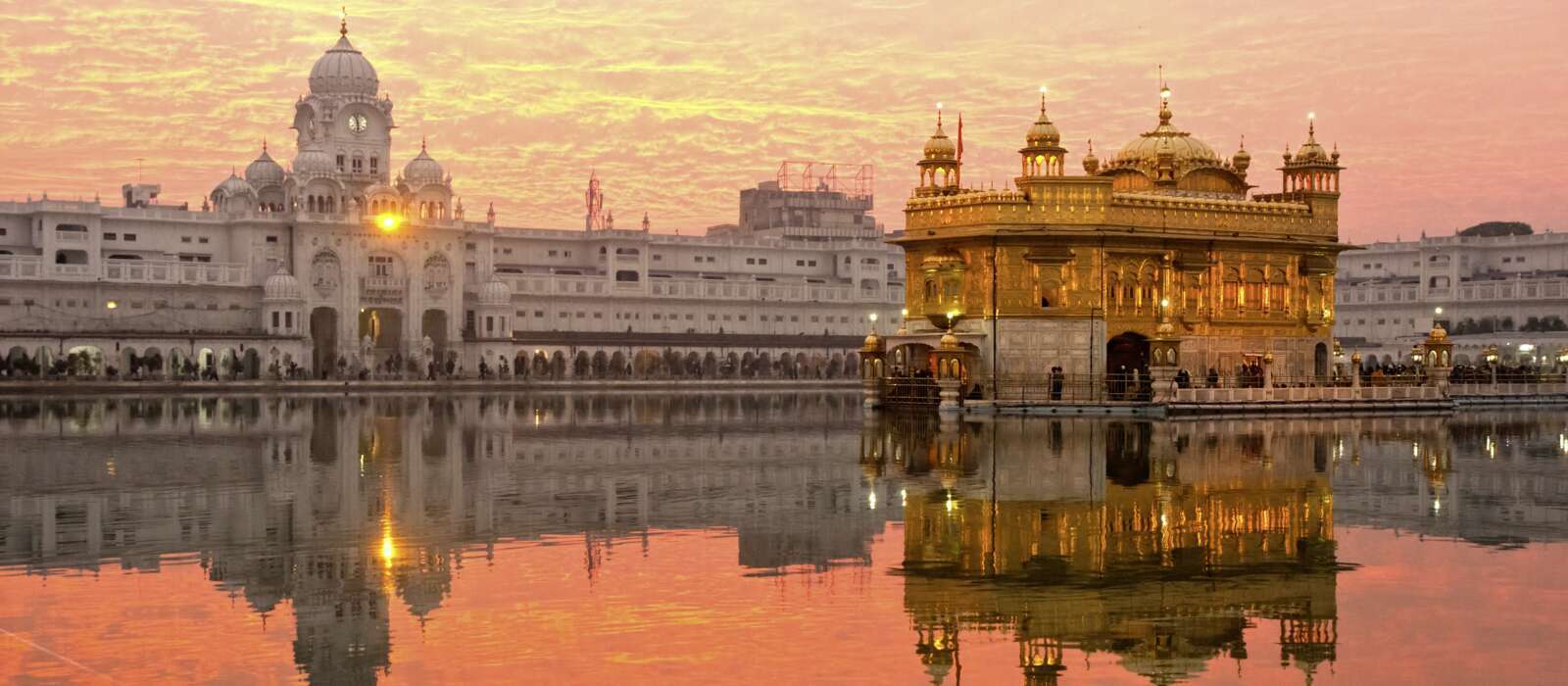
Walking Tour of Old Amritsar
Join a local English-speaking guide as you make your way through the city of Amritsar on foot. You’ll walk through narrow streets and markets and learn about day-to-day life in the city and the Sikh religion. A stop will be made at the Saragarhi Memorial Gurudwara which was built by the British in tribute to 21 Sikh soldiers who faught in the 1897 Battle of Saragarhi. The tour concludes with a visit to northern India’s most famous sights – the Golden Temple.
Wagah Border Excursion, Amritsar
When you arrive at the Wagah-Attari border closing ceremony, otherwise known as the ‘flag lowering ceremony,’ you might think you’ve arrived at a football match rather than the meeting of two ideologically opposing countries. Despite the historical tension, every evening, both countries come together to celebrate the closing of the border. It’s more like a flamboyant performance to the tune of patriotic music and there’s still some harmless rivalry though which makes it good fun.
Since 1959, Indians have gathered on one side of a paved promenade while the Pakistan contingent sit on the other. Both the Indian Border Security Force and Pakistan Rangers dressed in official uniform march down the road past cheering crowds. Synchronised dance movements with slick salutes and high kicks are among the many moves on show. The soldiers even sculpt their moustaches in a bid to intimidate their opponents. This all culminates in the lowering of both countries’ flags at the same time as the sun goes down, ending in handshakes between the Indian and Pakistani military.
Amritsar Half Day City Tour
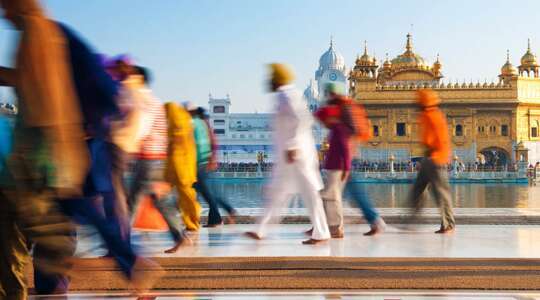
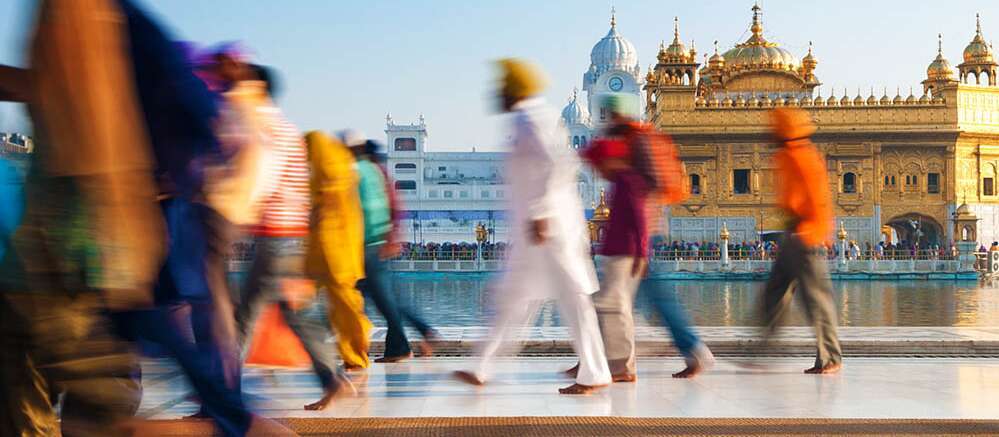
Just before you arrive at the Golden Temple, a stop is made at Jallianwala Bagh, an important yet tragic site. After washing your feet, hands and covering your head, you will enter the gateway to see the striking Golden Temple appearing to almost float in the middle of a manmade pool. A real highlight of any trip is the ‘open kitchen’ which feeds hundreds of people.
Jallianwala Bagh is an open garden at which on the 13th of April 1919, the British Indian Army opened fire on a peaceful protest. The British said that 400 people died but the Indian government discovered it was more like 1500. You can still see the bullet marks on the walls. It’s a sobering, humble experience.
The Golden Temple isn’t far away. When you arrive, you will see men, women and children take a dip in the holy water and Sikh guards with long beards, dressed in yellow tunics and holding spears, survey the scene. Next visit the ‘open kitchens’ where you can see them first hand spread over three floors and devotees who can’t afford nourishing meals, queuing for bowls of dal, rice and chapati. The people serving the food are all volunteers. You can join in making chapatis, cleaning the utensils or stirring the huge pans of dal that take up an entire room.
All Roads Lead to the Golden Temple
On this tour you will visit the Saragarhi Temple memorial, Jalebiwala Chowk and the gold market, a prelude to the highlight of your tour of Amritsar. Every day an average of 100,000 worshippers enter the gates to Sikkhism’s most sacred site, The Golden Temple. The sight of its structures shimmering in gold leaf and hovering over a body of holy water is quite moving as is a visit to the community kitchens where volunteers feed the streaming devotees.
Start the tour from the British-made town hall before stopping to see the Saragarhi temple memorial where in 1897, 21 Sikhs under British command valiantly fought 10,000 invading Pathans (Afghans). Afterwards, walk the narrow lanes of the holy city passing buildings constructed by Maharaja Ran Jain Singh, founder of the Sikh kingdom of Punjab.
You will also take in the Jalebiwala Chowk (market) where the ill-fated April 1919 protest started resulting in what is known today as the Jallianwala Bagh massacre - the murder of 1500 civilians at the hands of the British Indian army. Today the same street hustles and bustles with activity and has grown a reputation for its delicious yet calorific snacks made of ghee (clarified butter). Hand-pulled rickshaws, locals carrying produce on their heads and people chatting animatedly on street corners make up a thrumming atmosphere. All this below once-grand dilapidating buildings strung with complex wire systems and old peepal trees that run through the architecture so seamlessly you need to do a double take.
Stop at a site traditionally used for mud wrestling and afterwards, Amritsar’s beguiling markets. Each one has its own speciality from literature to glittering wedding bangles to a utensil bazaar selling traditional copper and brass pots and pans on an enormous scale. In the gold market, there’s such an abundance of precious metal that you’ll find people sifting through the drains and literally striking gold.
Consider this the prelude to Amritsar’s greatest treasure, the Golden Temple. Every day an average of 100,000 worshippers enter the gates to Sikkhism’s most sacred site. The sight of its structures shimmering in gold leaf and hovering over a body of holy water is quite moving as is a visit to the community kitchens where volunteers feed the streaming devotees dal, rice and chapatis. After some time here, end at the aforementioned Jallianwala Bagh garden memorial. It’s a sombre, emotional moment but an important one to understand the context of the city as well as an opportunity to see original photographs of Amritsar all those years ago.
Day Trip to Dhami with Lunch
Experience life in a traditional Himalayan village, where you’ll explore and dine with a local. The trip starts with a 45-minute drive from Shimla to Dhami, a village that was once a summer hunting ground for British viceroys, where you’ll meet your host who has expert knowledge of the area’s nature, lifestyle and architecture. This is a fascinating cultural exchange where you’ll get an insight into rural Himalayan life, where people survive on agriculture, working in the fields and orchards.
You’ll meet your host, Kunwar Dushyant Singh, who has expert knowledge of the area’s nature, lifestyle and architecture. Kunwar will lead you on a nature walk in Dhami, where he’s identified around 80 species of birds, from thrushes to goldfinch and pheasants. The flora varies depending on the time of year, spring is particularly beautiful with alpine flowers while in autumn, you can watch the leaves change colour. There are amazing views of the northern mountains when the sky is clear, you can even see the snow-topped peaks of the Himalayas.
Kunwar will point out key landmarks and tell you all about his family history and life in a farming village. After the walk, you’ll return to Kunwar’s house to eat with his family. The food is home-cooked by his wife, who hails from the royal family of Tikamgarh. She makes typical Indian cuisine from the mountains, including lentil and bread dishes, as well as dumplings cooked in a large iron pan with mustard oil, served with yoghurt.
This is a fascinating cultural exchange where you’ll get an insight into rural Himalayan life, where people survive on agriculture, working in the fields and orchards, keeping cows and buffalos. If someone in the village needs to build a house, the whole community will come out to help and if there’s a marriage, everyone celebrates. It’s a close-knit place and the people are very welcoming.
Walk the Artisan's Path
Begin at the house where Rudyard Kipling spent some of his youth. He took Shimla out of India through his books Kim and Plain Tales from the Hills, which comment on Shimla society.
Next descend to the house of Mr Nirmal Varma, a famous Hindu writer whose books are studied in Indian schools. The trail takes you through beautiful hillsides, surrounded by brooks and meadows, grasslands and forests. At Gol Pahari, known as Haunted Hill, you’ll hear the story of the soldiers who mysteriously disappeared here – their ghosts are said to march through the forest at night.
The tour finishes at an art gallery founded by the late, legendary Indian artist Sanath Chatterjee. His work centred around mythology and cosmic power and he was known for creating the world’s longest paintings – which spanned up to 100ft – and were registered by the Guinness Book of World Records. He was also the first Indian to get a Nobel Prize and wrote India’s national anthem. Sanath’s son, who is also an artist, now owns the gallery and will give you a tour, explaining the different pieces on display.
The Scenic Route to the Summer Capital of Shimla
There are two ways to get to Shimla. One is on a road – the quickest option - and the other is along a snaking railway track through the Himalayan mountains aboard the UNESCO toy train. This route was carved by the British Raj who appointed Shimla as its summer capital. The whole journey from top to bottom takes around five and a half hours, but you will be shown the most scenic portion of the route.
Starting in Shimla, at an elevation of around 7,000 feet you will board the 10.30am train towards the small town of Taradevi sitting at approximately 6,000 feet. Curving around the mountain at a leisurely pace of about seven miles per 45 minutes, it gives you ample time to soak up the stunning views from all angles, the breeze carrying the scent of pine through the open windows. You’ll cross picturesque bridges that have stood the test of time and whenever the train passes through a tunnel all the Indian passengers shout with excitement!
Walk to Elysium Hill
Learn the history of Shimla and explore its famous houses and fairy-tale forests on this walking tour. The trail offers a blend of architecture, history and nature, leading from Shimla around one of the surrounding seven hills, Elysium. You will start from the main town and pass historic houses that tell the stories of Shimla’s past. A highlight is the iconic Sterling Castle, which was one of the first houses built in Shimla by the British in 1833.
Other landmarks you’ll see include Chapslee, built in the 1830s by Dr. Blake of the East India Company. Then there’s the house of the gem dealer Alexander Malcolm Jacob who sold one of the world’s largest diamonds. Other historic buildings include the famous Lakkar Bazaar and the house of the Chief Engineer of Kalka Shimla Railway.
Day of the Buddha
Experience Buddhist culture in Dharamshala on this full-day tour, with visits to Tibetan temples, nunneries and the Dalai Lama’s monastery complex. Start with a Kora around the residence of his holiness, this is a Tibetan Buddhist ritual of walking in a clockwise direction around a sacred site. You’ll see prayer flags and old ladies spinning prayer wheels and chanting – the views of the mountains are also spectacular and, if the weather is clear, you can see the Kangra Valley below. You will get to visit the main temple where the Dalai Lama conducts his teachings as well as the Kalachakra temple with its murals of tantric deities.
If you’re lucky, you might even get to watch a debate taking place. From there you will be driven to the Gyuto Tantric Monastery where around 700 monks live, it was founded by Tibetans who fled to India. A highlight is watching the monks in yellow hats chanting in the so-called Tantric Choir.
The Buddhist circuit continues at the famous Norbulingka Institute where you’ll learn about their work preserving Tibetan art and culture. They hold workshops in painting, appliqué and wood carving. Lunch will be at the Humming Bird Café, (guest to pay directly) which serves Tibetan cuisine like momos, mutton dishes and vegetable noodle soup. The tour ends with a trip to the Dolma Ling Nunnery, which is the first institute for the higher education of Tibetan Buddhist nuns.
Day Out in Kangra Valley
Visit forts, temples and ride a train through Himalayan landscape on this day out in the Kangra Valley. The tour can be taken from either Dharamshala or Palampur and starts with a drive to the Kangra Fort, the oldest fort in the region that was built in the 4th century.
It’s also the largest in the Himalayas and has stood through invasions and the earthquake of 1905, which destroyed much of the area. The fort is set on a steep rock where the Banganga and Patalganga rivers merge, on a piece of land shaped like an ear, hence the name: kan means ear and gra means fort. To reach the main courtyard there’s five different gates to cross. The view is incredible from here, you can see the entire Dhauladhar mountain range which is covered in snow during winter and spring. Next, board the Kangra Toy Train, which was constructed by the British in 1927 to build a hydroplant near Palampur. During the hour-long journey, you get to relax and take in views of the mountains, hills and valleys.
Enjoy a traditional Indian lunch at the heritage hotel Taragarh Palace before the final visit of the day, to Baijnath Temple. This Shiva temple was built in the 12th century and has legendary stories attached to it, with amazing architecture. The detailed stone carvings are the most preserved in the valley. Baijnath a living temple that’s been in use for 900 years, so you’ll see priests and devotees from around the country worshiping there, it’s a unique, spiritual experience.
Naddi Village to Dharamkot Walk
Discover Himalayan village life and Tibetan culture on this morning walk. Visit Naddi village, which lies about 2,000 metres above sea level, surrounded by mountains. Your guide will explain about the semi-nomadic life of the shepherd tribes. This tour gives a good insight into rural life in the mountains.
You will start at 8.30am with a drive to the Tibetan Children’s Village, a boarding school that was set up by the eldest sister of the Dalai Lama in 1961. A member of staff will show you around and talk about their inspiring work educating nearly 1,600 Tibetan kids who wouldn’t otherwise have access to education.
Then you will make your way on foot to Naddi village where the views are amazing. Your guide will explain about the semi-nomadic life of the shepherd tribe that lives in Naddi and how they travel with flocks of sheep and goats crossing high passes and travelling long distances according to the different seasons.
The walk continues through a pine and cedar forest, where you’ll find hidden caves and temples where monks come to meditate. You’ll stop at one called Golu Mata, where locals come to worship daily. There’s time for a tea break at a café before making your way down the other side of the mountain to Dharamkot. This is home to the Vipassana Centre, which offers courses in meditation and yoga based on Tibetan Buddhism.
Masroor Rock Temples - The Ellora of the Himalayas
Visit the Masroor Rock Temples, one of northern India’s architectural treasures. Carved from sandstone around the 6th-7th century, they’re often called the Ellora of the Himalayas after the giant Hindu cave temples near Mumbai, which are a UNESCO World Heritage Site.
Masroor is the only set of monolith rock temples in the whole region – they’re usually found in the south. Although the temples were built for Lord Shiva, villagers started bringing idols of Lord Rama here too. The temples are a real engineering feat, carved with floral, geometric and animal patterns.
The journey to the Masroor Rock Temples takes around two hours from either Dharamshala or Palampur and along the way, you’ll pass through valleys surrounded by sub-Himalayan scenery. As you tour the 15 different temples, your guide will point out the detailed carvings of Lord Shiva’s life. Guests love the view from the Masroor Rock Temples as you’re in the lap of the Dhauladhar mountain range, where the local Gaddi shepherds graze their cattle. It’s particularly amazing at sunset when the sandstone temples change colour in the golden light.
Walking Around Garli Village
Take a scenic walk to Garli, which was a thriving village in the sub-Himalayan region until India’s independence. The streets here are cobbled and filled with history, you can still see its grand havelis and Italianate buildings, as well as traditional Kangra and Rajput houses with mud-plastered walls and slate roofs. For those who love heritage and architecture, it’s a real treat.
Most of the buildings have been well looked-after, so you can still enjoy the detailed tiling, towers and stained-glass windows. Led by a guide from Judge’s Court, the walk to Garli takes you through the area’s hills and countryside, surrounded by the backdrop of the Dhauladhar Mountains. Along the way, you’ll learn all about life in the sub-Himalayas and the history of the area, from how Pragpur’s medieval water systems work to stories of local residents and the fortress that was used to defend the area. The trail leads all the way to a wonderful hilltop viewpoint.

_w=24_h=25.webp?v=eed9279541dd7b52404fb4a7f716eaca487cc2a2)
_w=24_h=25.webp?v=eed9279541dd7b52404fb4a7f716eaca487cc2a2)
_w=24_h=25.webp?v=eed9279541dd7b52404fb4a7f716eaca487cc2a2)
Talk to an expert today
Your dream holiday is just a phone call away
Call us on 0800 294 9707


Monday: 10am - 5pm
Tuesday: 10am - 5pm
Wednesday: 10am - 5pm
Thursday: 10am - 5pm
Friday: 11am - 4pm
Saturday: 10am - 5pm
Sunday: Closed