

Best Time To Visit Costa Rica
Best time to visit Costa Rica
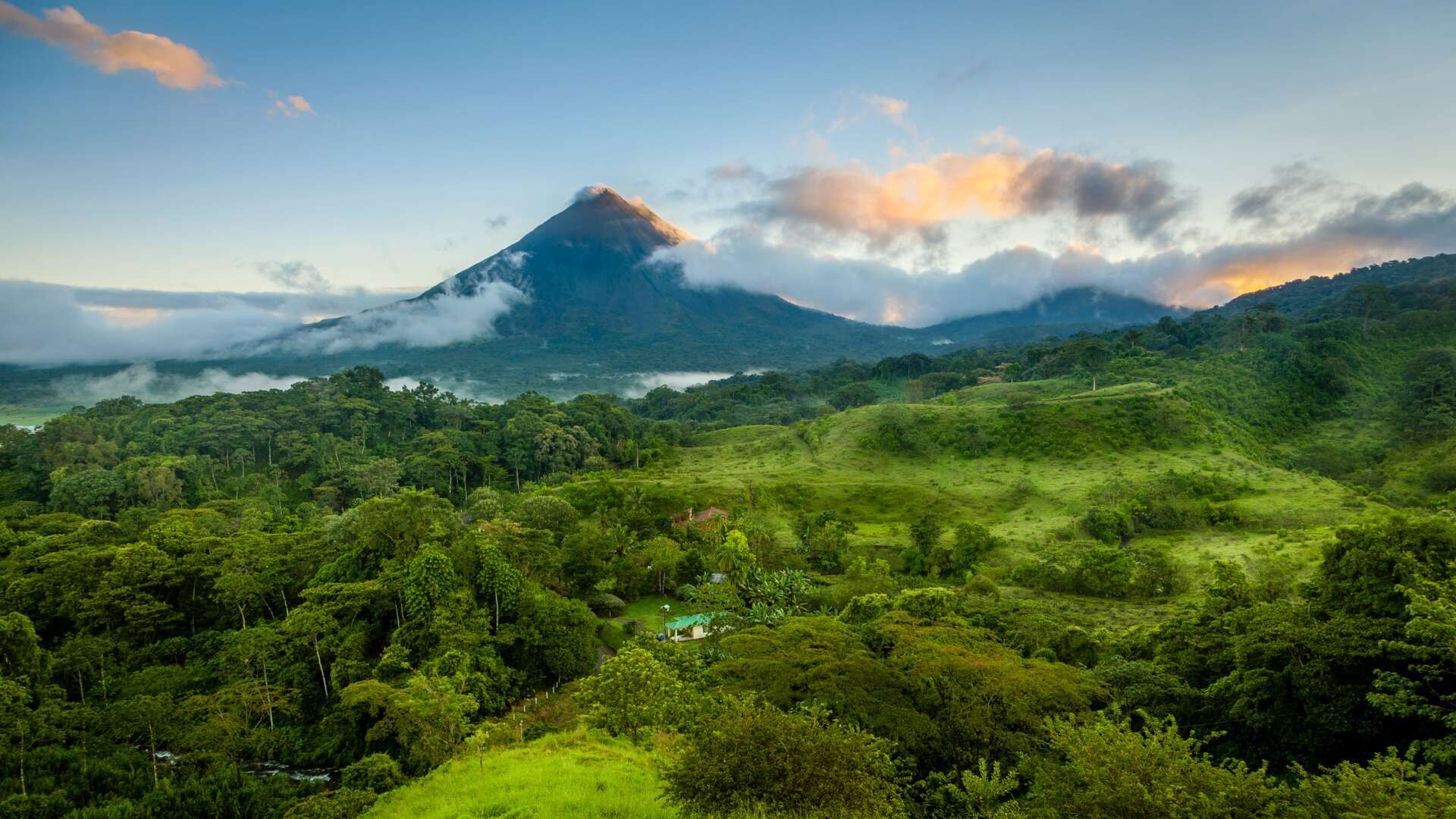
Costa Rica might be small, but it doesn’t play small. Rainforests? Check. Volcanoes? Check. Beaches on two coasts? Of course. You’ve got toucans overhead, monkeys in the trees, and hot springs to soak in after a day of ziplining, hiking, or just admiring how gloriously green everything is. Choosing the best time to travel will depend on where you’re visiting and what you’ll be doing, as there are variations across the country, but all in all, there’s no bad time to go, just different kinds of good.
Costa Rica Weather
Dec - Apr
January
February
March
April
May
June
July
August
September
October
November
December
Costa Rica Weather by Month
January in Costa Rica January is Costa Rica at its sunniest. Along the Pacific coast, you can expect daytime temperatures touching 34°C, while inland areas like La Fortuna are slightly cooler, and Monteverde stays fresh and breezy in the low 20s. The Arenal Volcano might be playing peekaboo behind the clouds, but January gives you a good chance of a full reveal. Waterfalls are still roaring from the last rainy season, and the trails are dry and easy to manage.
February in Costa Rica The dry weather continues. The Pacific coast is hot and clear, with warm water and reliably gorgeous sunsets. Inland areas like La Fortuna and Monteverde stay fresh, though the landscape begins to dry slightly. On the Caribbean side, showers are common but don’t usually last long.
March in Costa Rica One of the best times to visit. Days are long and sunny, with a relaxed atmosphere. The warmest days of the dry season are here, particularly in the lowlands, where daytime temperatures can reach 36°C. On the Pacific side, the greenery fades, and the landscape takes on a more golden, sun-scorched appearance. Inland areas still feel cool in the morning but heat up more quickly, with La Fortuna often sitting around 30°C by midday. In Monteverde, the air is drier and cooler, with daytime highs typically in the low 20s, making it ideal for walking.
April in Costa Rica The final month of the dry season is hot and bright. In Nicoya, landscapes start to dry out, and beach days are fantastic. La Fortuna and Monteverde stay active, offering clear mornings for hikes and rewarding views. Easter Week, known locally as Semana Santa, brings increased domestic travel, so popular spots may be busier than usual. Over on the Caribbean side, Tortuguero starts to feel the first sprinkles of rain, which only make the jungle greener and the wildlife more active.
May in Costa Rica The green season begins, bringing afternoon showers and rejuvenated landscapes. Mornings are often clear, making it sensible to plan activities early in the day. Across much of the country, daytime temperatures range from 28 to 32°C, although the humidity can make it feel warmer. La Fortuna’s waterfalls and rivers become even more impressive, and wildlife is active throughout the region. Monteverde is misty and atmospheric, typically staying in the low 20s during the day. Down on the Nicoya Peninsula, things are quieter, with fewer tourists and a peaceful rhythm along the beaches. Tortuguero becomes even lusher, with excellent conditions for spotting monkeys, toucans, and river wildlife.
June in Costa Rica Rain continues in the afternoons, while mornings typically remain dry and bright. Arenal and La Fortuna feel especially vibrant, with green jungle and powerful waterfalls. Monteverde’s trails are calm and scenic, offering immersive experiences in the cloud forest. Nicoya remains quieter than it is during the dry season, and surfers appreciate the consistent waves.
July in Costa Rica A short dry spell known as the veranillo sometimes occurs mid-July, providing a welcome pause in the rain if it happens. Monteverde remains cool and teems with life. Tortuguero is in the middle of turtle nesting season, giving you an incredible chance to see green turtles on the beach at night. Nicoya is quieter than during peak season, but still sunny enough for relaxed beach days.
August in Costa Rica Rain increases, especially in the afternoons, but mornings remain great for outdoor exploration. La Fortuna thrives with full rivers and active wildlife. Monteverde boasts a palette of deep greens with excellent opportunities for spotting frogs and birds. Tortuguero is a highlight this month, as green turtle nesting continues and the rainforest is alive with sound and colour.
September in Costa Rica This is one of the wettest months across most of the country, although that said, the Caribbean coast often enjoys its driest and sunniest weather. Temperatures generally sit around 26–30°C, with cooler conditions in the highlands. Tortuguero is at its best now, with calm waters, abundant birdlife, and ongoing turtle nesting. La Fortuna and Monteverde tend to be rainier, with daytime highs in the low to mid-20s. Some trails may be muddy or inaccessible, which is worth knowing if you’re planning on hiking.
October in Costa Rica Conditions are much like those in September, with consistent rainfall in the Pacific regions. However, Tortuguero and much of the Caribbean coast enjoy clear skies and warm days. Wildlife is active, and canal tours in Tortuguero offer some of the best sightings of the year. The capital, San José, is quieter, with a focus on indoor museums and cosy cafés. While Arenal and Monteverde see more rainfall, they are exceptionally green and uncrowded.
November in Costa Rica The rainy season begins to fade, especially in the west. Daytime temperatures typically range from 27 to 31°C in most areas, while the highlands, such as Monteverde, remain cooler, often in the low 20s. Monteverde also begins to dry out slightly, while keeping its lush greenness. In Nicoya, sunshine returns and local businesses prepare for the high season. November offers the best of both worlds: lush green scenery and improving travel conditions, all with fewer tourists.
December in Costa Rica The dry season begins, and with it comes a fresh sense of energy. La Fortuna has warm days, clear volcano views, and inviting hot springs. Monteverde’s trails are dry and ideal for canopy tours and forest walks. Nicoya’s beach towns come to life with events, surf competitions, and sunset dinners. The exception is Tortuguero, which is quieter than during turtle season but is still a beautiful and peaceful destination.