- 0800 092 4444
- Search
- My Kuoni


Explore destinations
_w=83_h=42.png?v=931108ac3c61e45b9dc1b2284a500ac70c03b561)
Tailor-made holidays and safaris full of extraordinary experiences and the same personal service you'd expect from Kuoni.
All Africa destinations
All Asia destinations
_w=161_h=19.png?v=931108ac3c61e45b9dc1b2284a500ac70c03b561)
Visit your local store or make an appointment to get face-to-face advice from our friendly team.
- Holiday type
- Brochures
- Collections
- Articles
- Time of year


Speak to one of our experts now about this offer
Call us on - 0800 092 4444
Or drop into your local Kuoni store to find out more
 Find your nearest store
Speak to one of our experts now about this offer
Call us on - 0800 294 9710
Or drop into your local Kuoni store to find out more
Find your nearest store
Speak to one of our experts now about this offer
Call us on - 0800 294 9728
Or drop into your local Kuoni store to find out more
Find your nearest store
Looking for a specific style of holiday?
Our range of travel types includes honeymoons, family breaks and solo travel, as well as specialist trips focused on wellness, wildlife-watching and lots more.
Our hand-picked all-inclusive holidays include, boutique, family & wellness resorts.
Incredible Family holidays from Kuoni, adventures your family will always remember.
We’re here to tailor-make a beach holiday that’s right for you
Romantic honeymoon package you’ll remember for the rest of your lives.
Combine different destinations, resorts and tours for a dream multi-centre.
Romantic retreats and group get-togethers on our adults-only holidays
Enjoy the best of both worlds: a luxurious and out-of-the-way villa holiday at a resort
Let us take you on safari in Africa for the best animal viewing on the planet.
Romantic retreats or special occasions on our LGBTQ+ holidays
Handpicked spa & wellness retreats, pampering or activity holidays all tailormade by Kuoni
Our hand-picked luxury city breaks in Europe, Asia, Africa, Middle East and the USA
We’ve spent almost 50 years finding the best places to stay and getting the very best offers for you
Let your holiday have a positive impact on the world
Create a tailor-made self-drive itinerary for a trip to immerse yourself in outdoor life.
Sit back, relax and enjoy the view during one of our luxurious train journeys

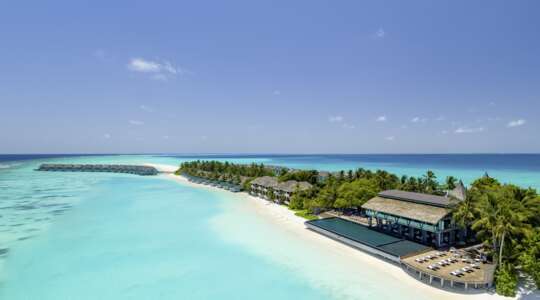
- Maldives
- 4 Star
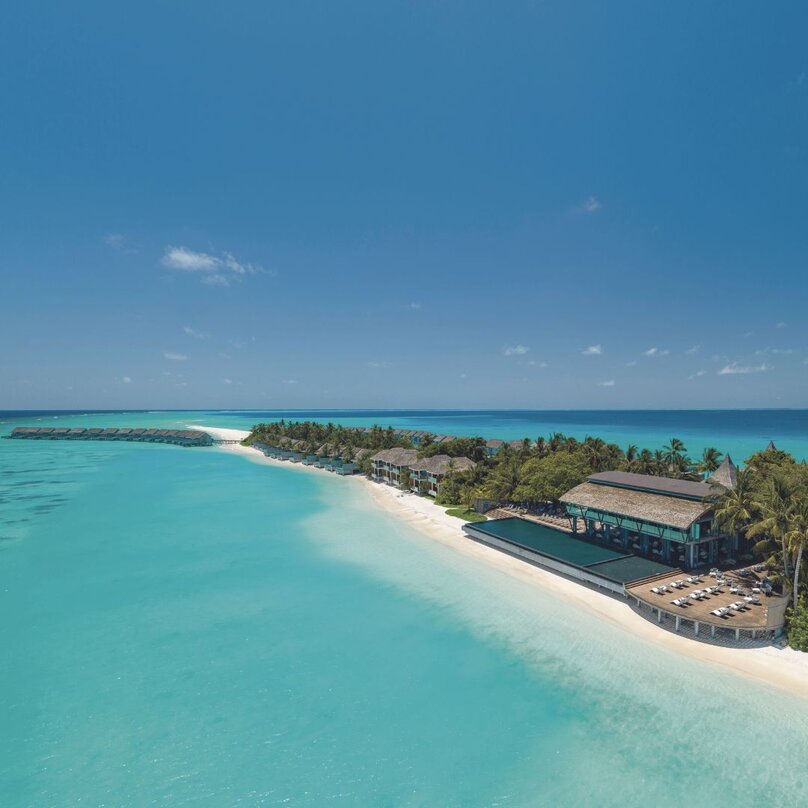
A dazzling lineup of facilities make the large island of Kuramathi one of the Maldives’ most popular resorts.
From £1,586 p/p
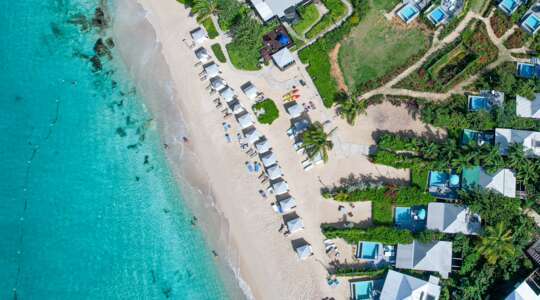
- Antigua
- 4 Star
Set on a pristine beach, this intimate all-inclusive hotel is perfect for low-key relaxation
From £2,056 p/p

- Koh Samui
- 4.5 Star
Perfect for a romantic escape, this atmospheric hideaway offers a quiet setting and delicious cuisine.
From £1,426 p/p
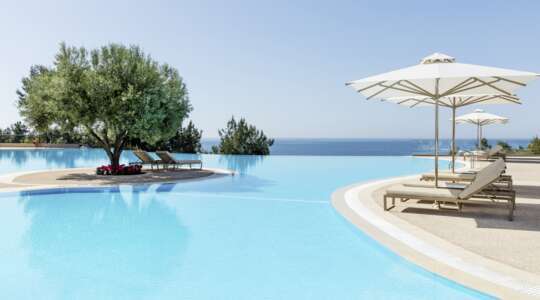
- Halkidiki
- 5 Star
Set on a powdery white beach, this elegant resort offers an exceptional array of inclusions.
From £1,445 p/pThe Kuoni difference
Personal service
Your holiday will be planned by one of our Personal Travel Experts, who will listen to your ideas and expectations, make recommendations, share advice and add extra touches to create the perfect holiday for you.
The full experience
We’re here to take care of you at every step. We’ll make sure you have everything you need before you travel, look after you while you’re away and stay in touch when you’re back.
Total peace of mind
All our holidays are ATOL protected, we’re members of ABTA and you’ll have our full support throughout your travels.


Our passion for creating unforgettable holidays has earned us over 200 awards and we’re proud to be a Which? Recommended Provider.








Your perfect holiday begins with a conversation
Our travel experts are ready to craft your next unforgettable holiday.
 0800 092 4444
 Live chat
We have boutique stores around the UK, where you'll receive a warm welcome from our friendly Personal Travel Experts.
 Find your nearest store
 Speak to an expert
Sorry, your hotel is no longer available
Please check alternatives

Choose dates
{{store.searchDuration}} nights, {{formattedDate}}
Enter dates to check availability
{{ guestRollup || 'Enter guests' }}
{{ store.selectedAirport.text }}
{{ store.selectedClass.text }}
{{ store.selectedOccasion.text }}
Search
-
 {{item.body}}
 -

 {{item.body}}
Choose a departure date
{{store.searchDuration}} nights
Enter rooms & guests
Checking prices & availability

{{term}}, {{formattedDate}} for {{searchDuration}} nights
Destinations See all Destinations
HolidaysSee all Holidays
OffersSee all Offers
InspirationSee all inspiration

Talk to an expert today
Your dream holiday is just a phone call away
Call us on 0800 092 4444


All Destinations
Mon to Fri: 9am - 8pm
Saturday: 9am - 6pm
Sunday: 11am - 4pm
Australasia & North America
Mon to Sat: 10am-5pm
Sunday: Closed
Visit your local Kuoni store
 Find your nearest store
In-person, virtual or phone
Get face-to-face advice from our friendly team
We're transferring you to our tailor-made specialists
 |  |  |
From the multi-award-winning Kuoni