


-
Africa
-
Arabia
-
Asia
-
Australasia & Pacific
-
Caribbean
-
Central America
-
Europe
-
Indian Ocean
-
South East Asia
-
North America
- View all destinations

_w=200_h=165_pjpg.jpg?v=69c1199efa1862cd3f054ef2c47374b9c7304ce2)
_w=200_h=158_pjpg.jpg?v=69c1199efa1862cd3f054ef2c47374b9c7304ce2)
- Holiday type
- Brochures
- Collections
- Articles
- Where to go when


Speak to one of our experts now about this offer


An intoxicating land of wildlife-rich parks and idyllic beaches
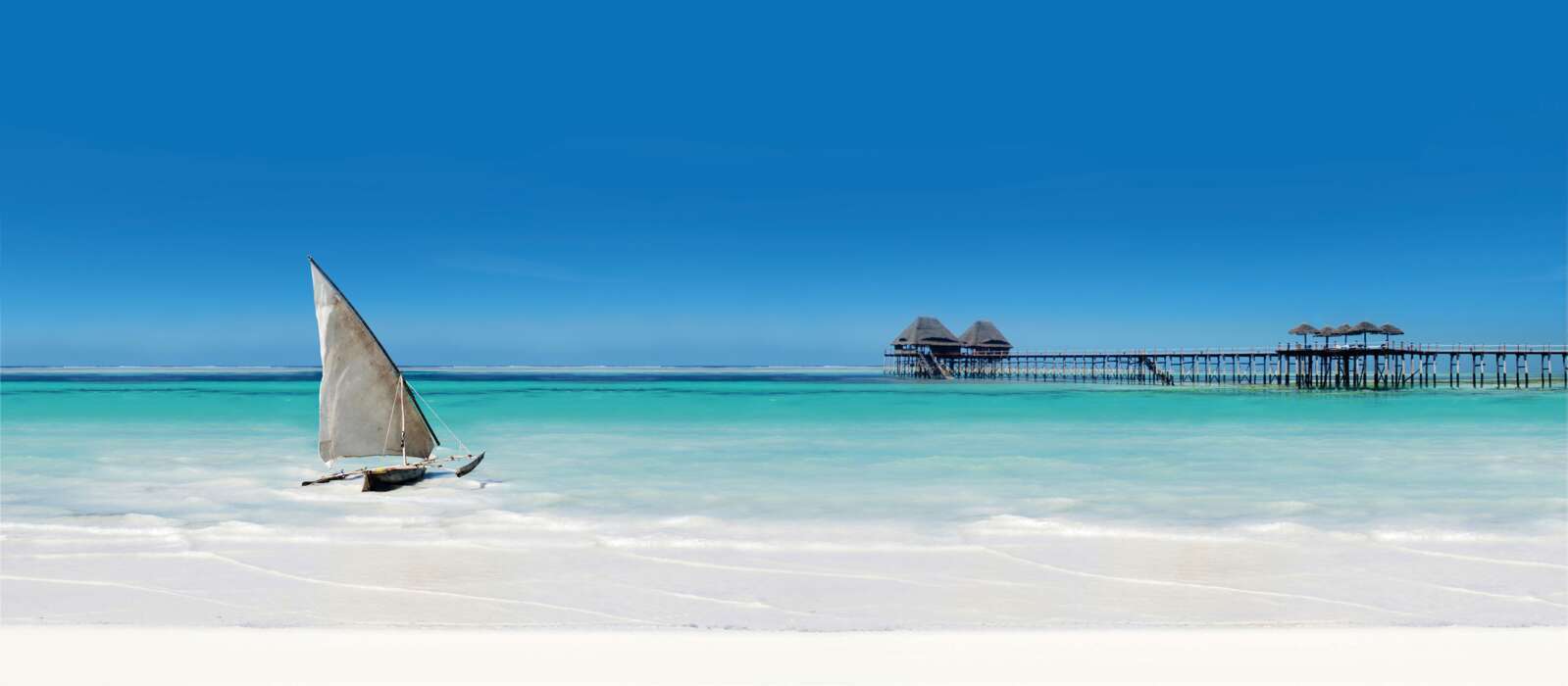
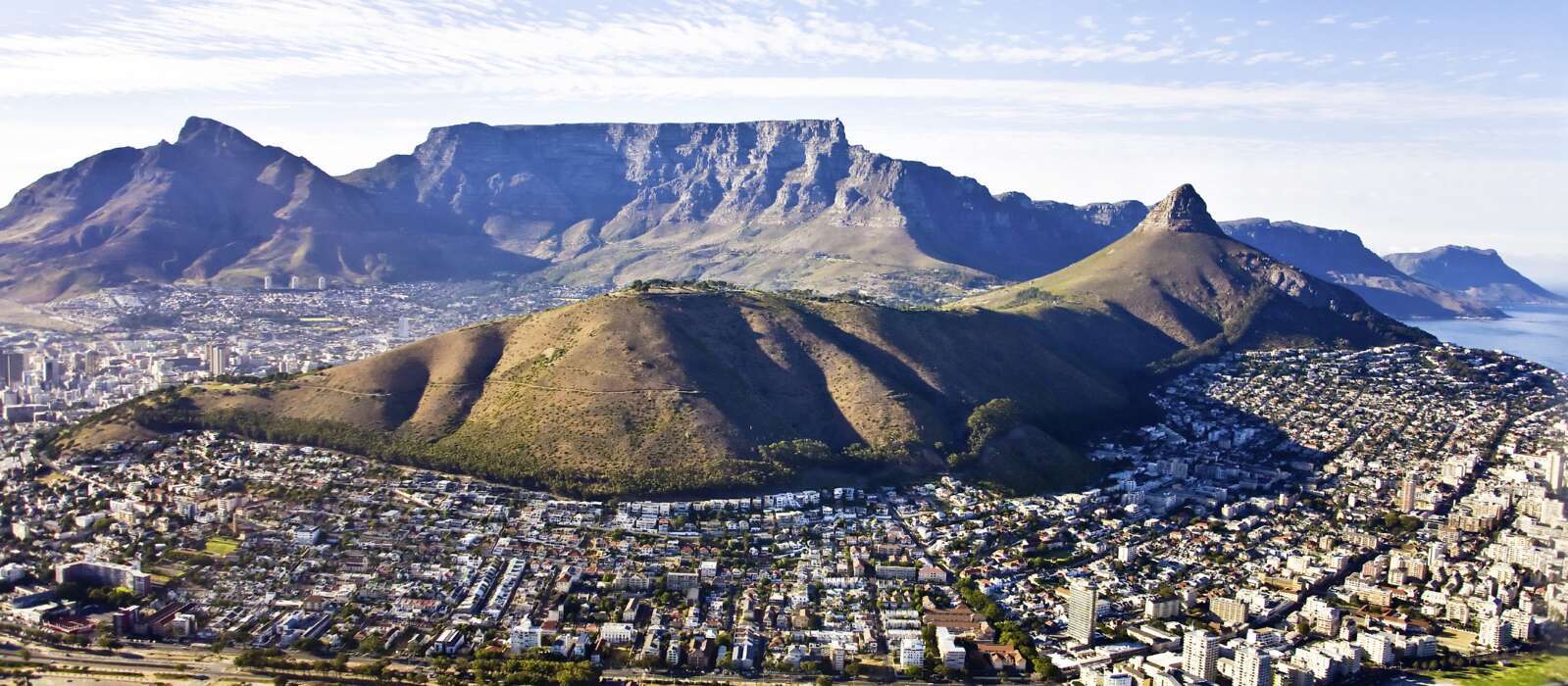
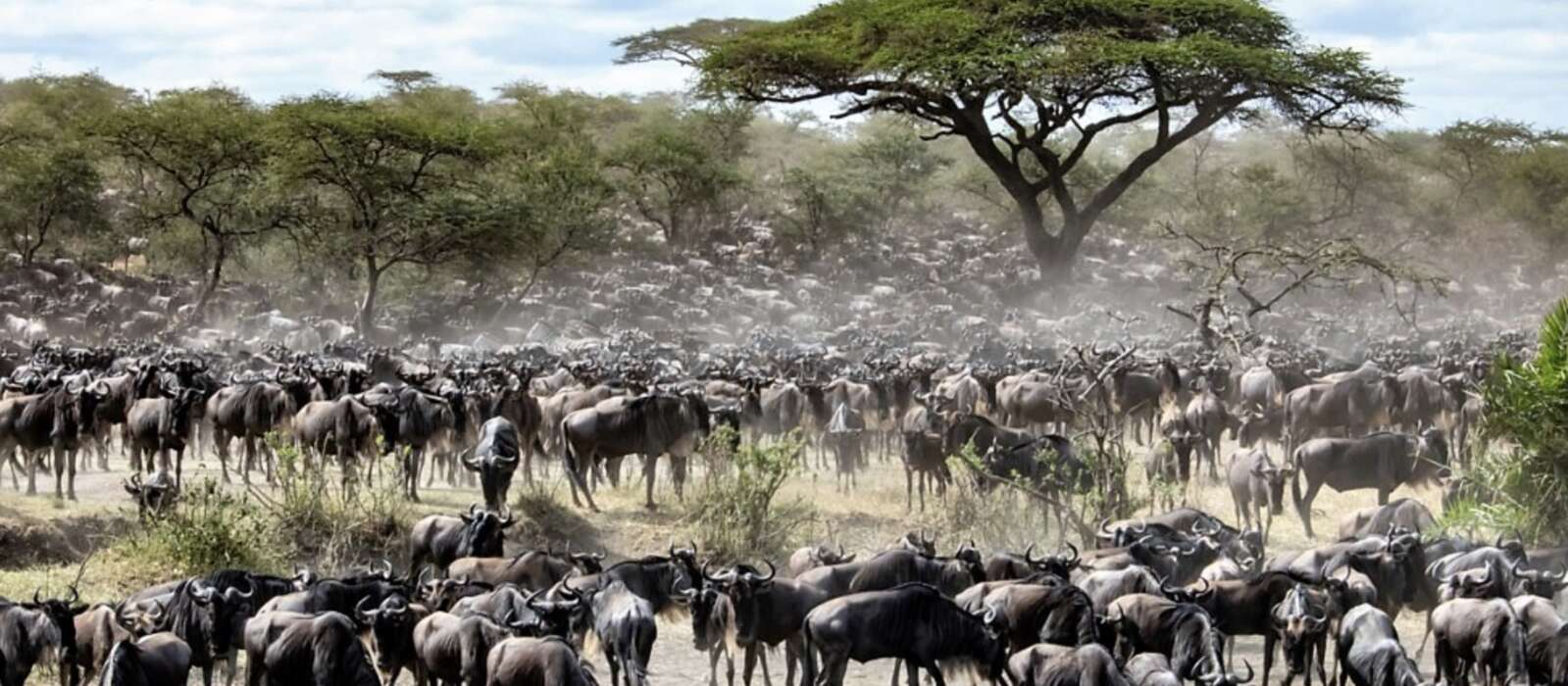
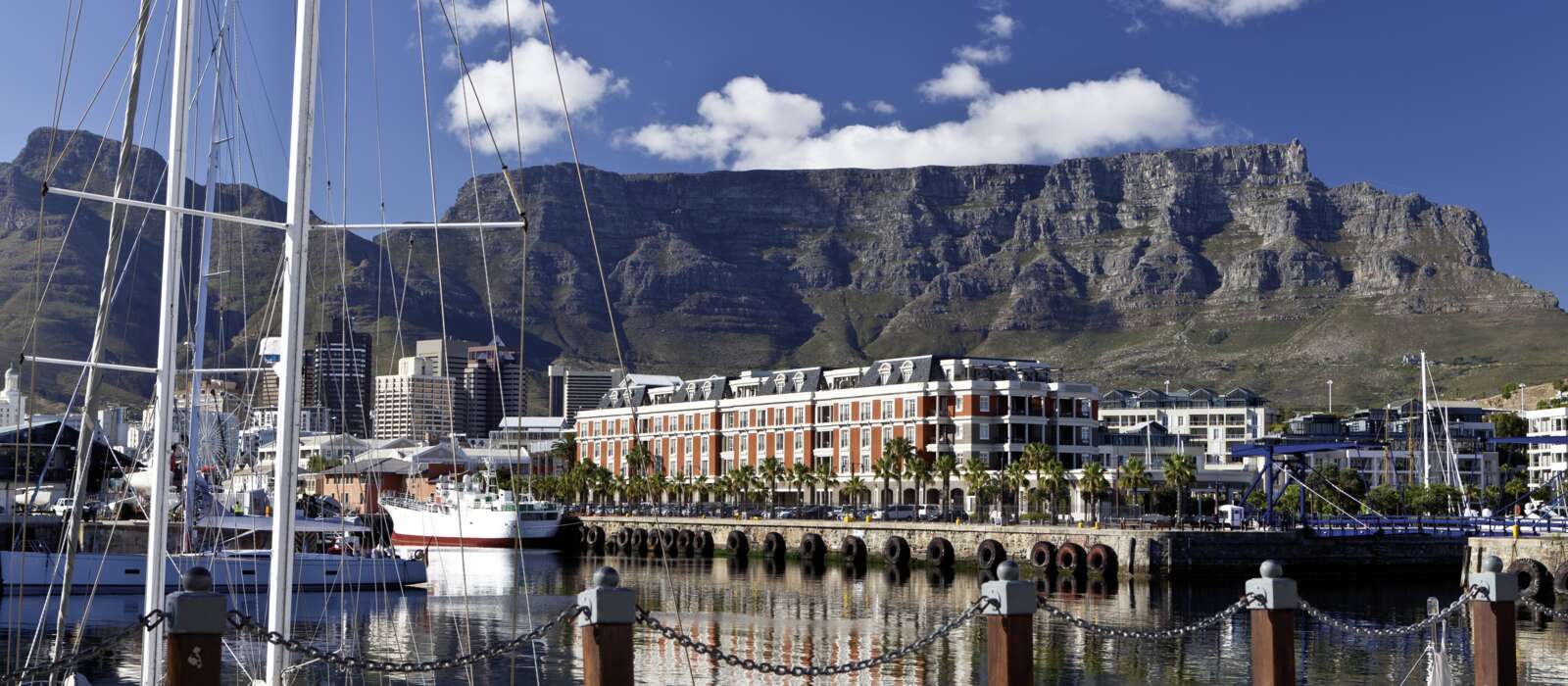
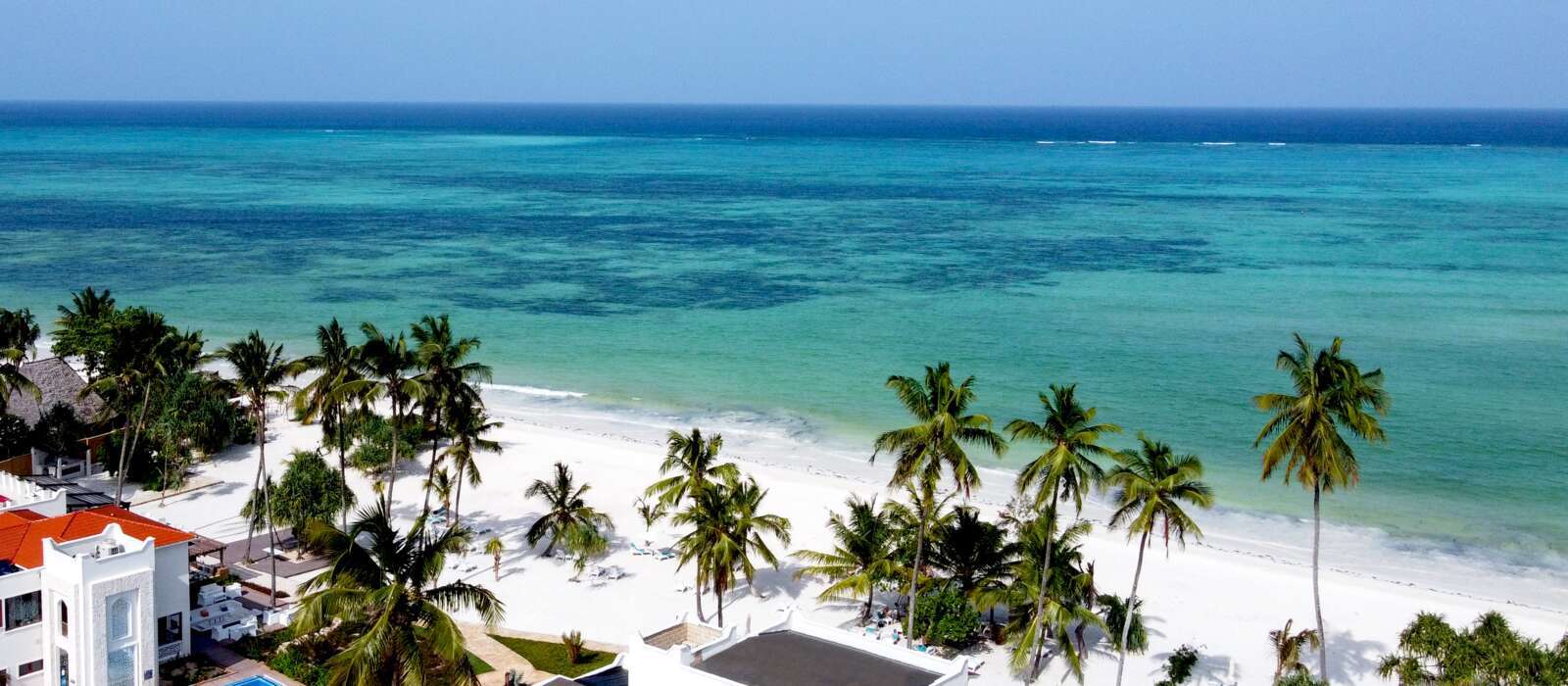
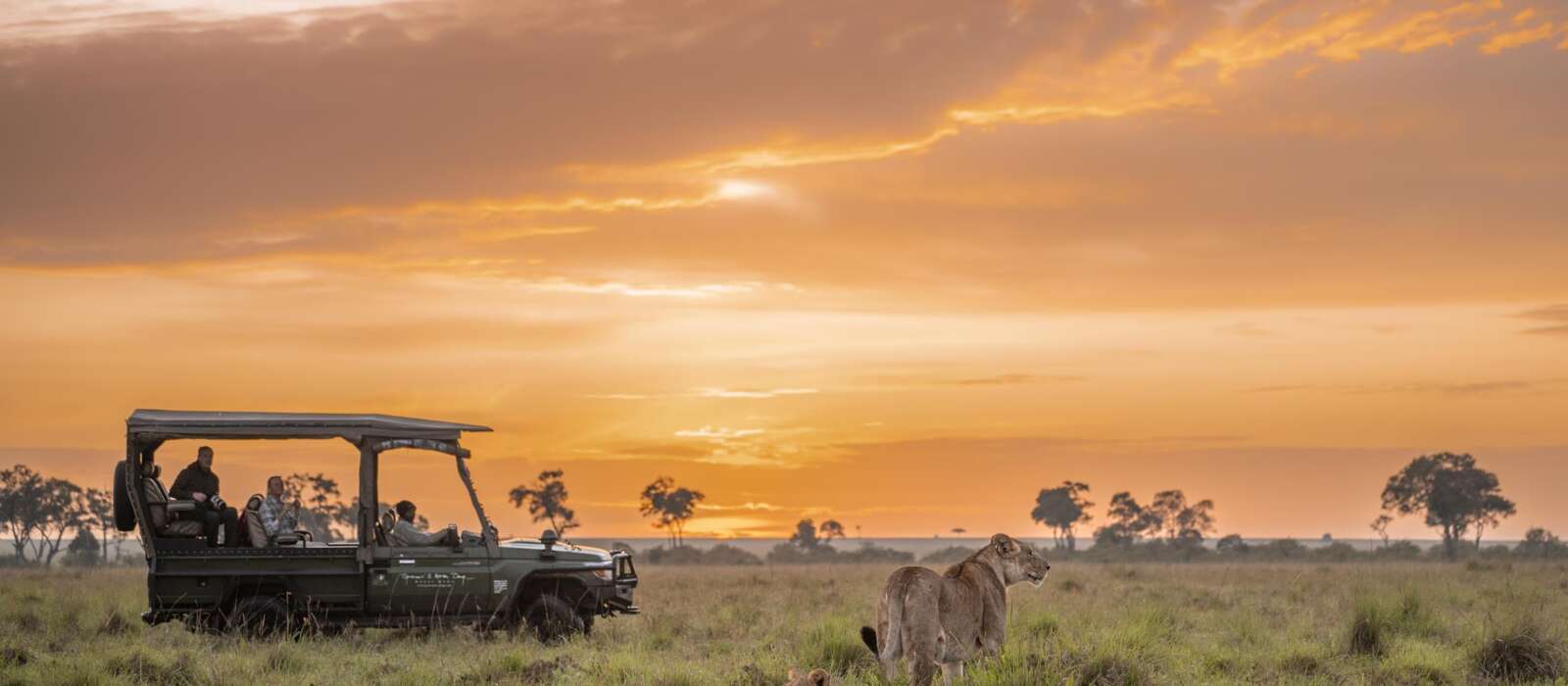
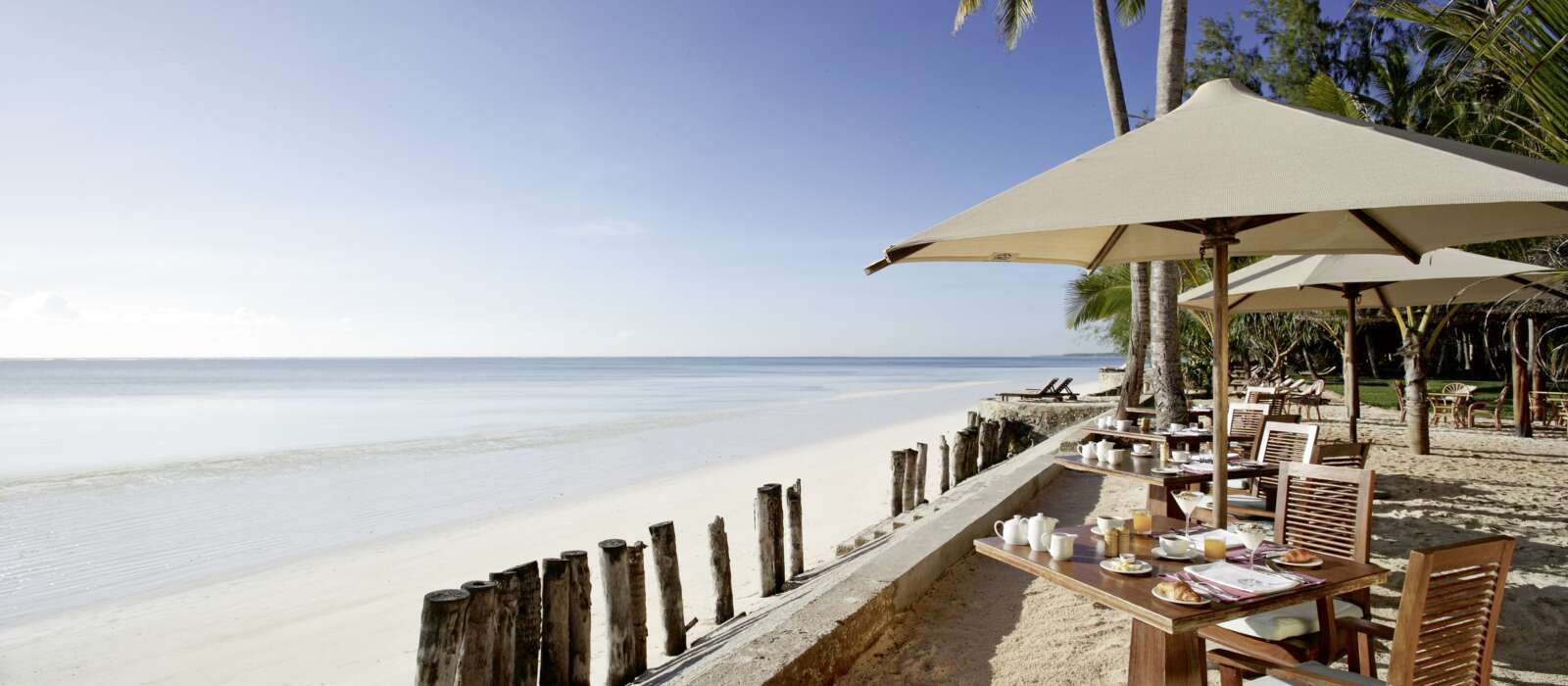
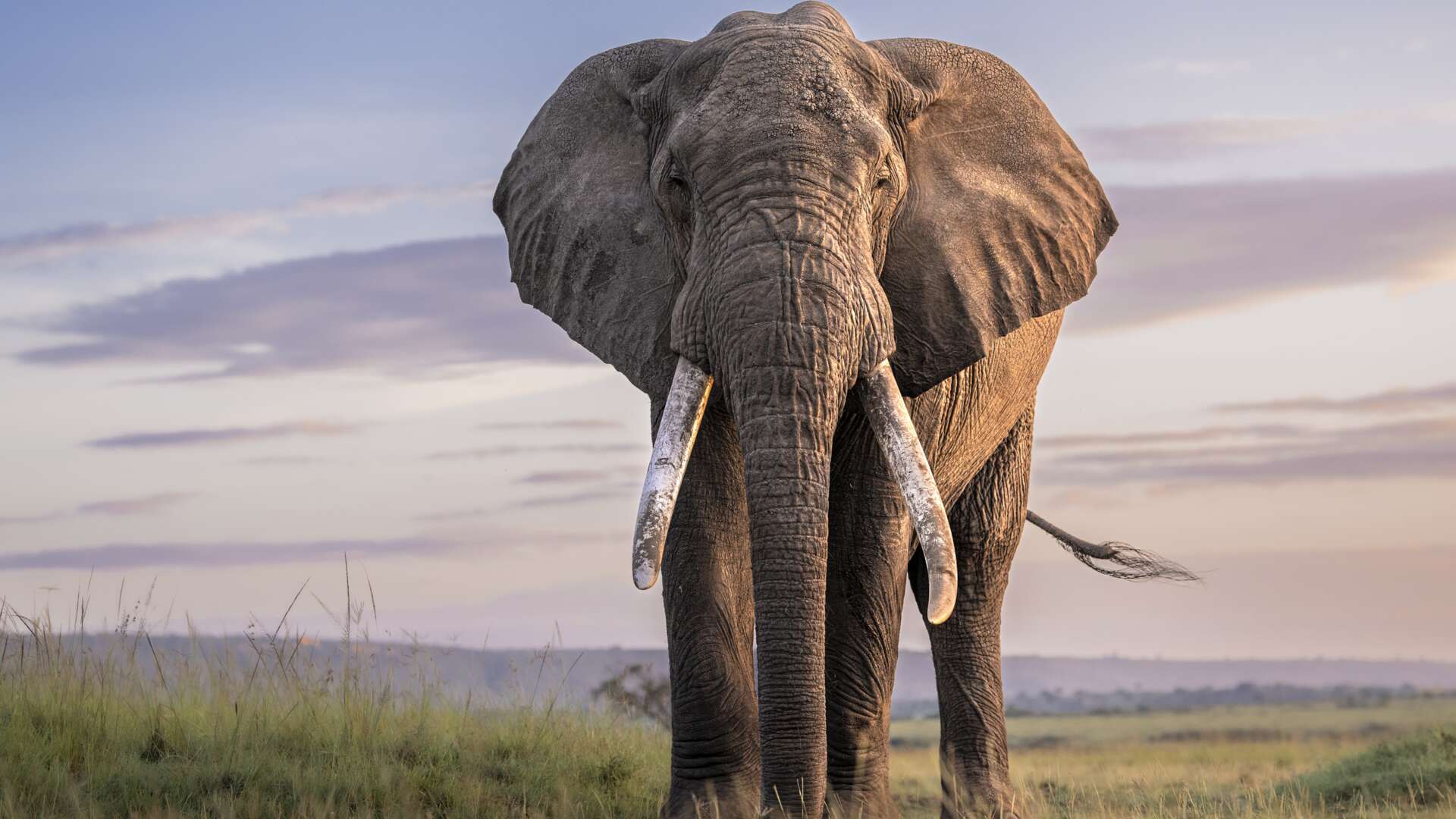
From its wildlife-rich rolling plains to its fertile winelands, Africa enchants us. Imagine drifting over the rolling plains of the Maasai Mara at dawn on a hot-air balloon ride, or sitting with your toes buried in golden sands overlooking Zanzibar’s calm waters as the sun sets. Whether your dream is to float silently along Botswana’s meandering waterways in a traditional canoe, soak up the buzz of Cape Town’s world-class waterfront, or watch in awe as over a million wildebeest thunder across the wilds of the Serengeti, we can make it happen.
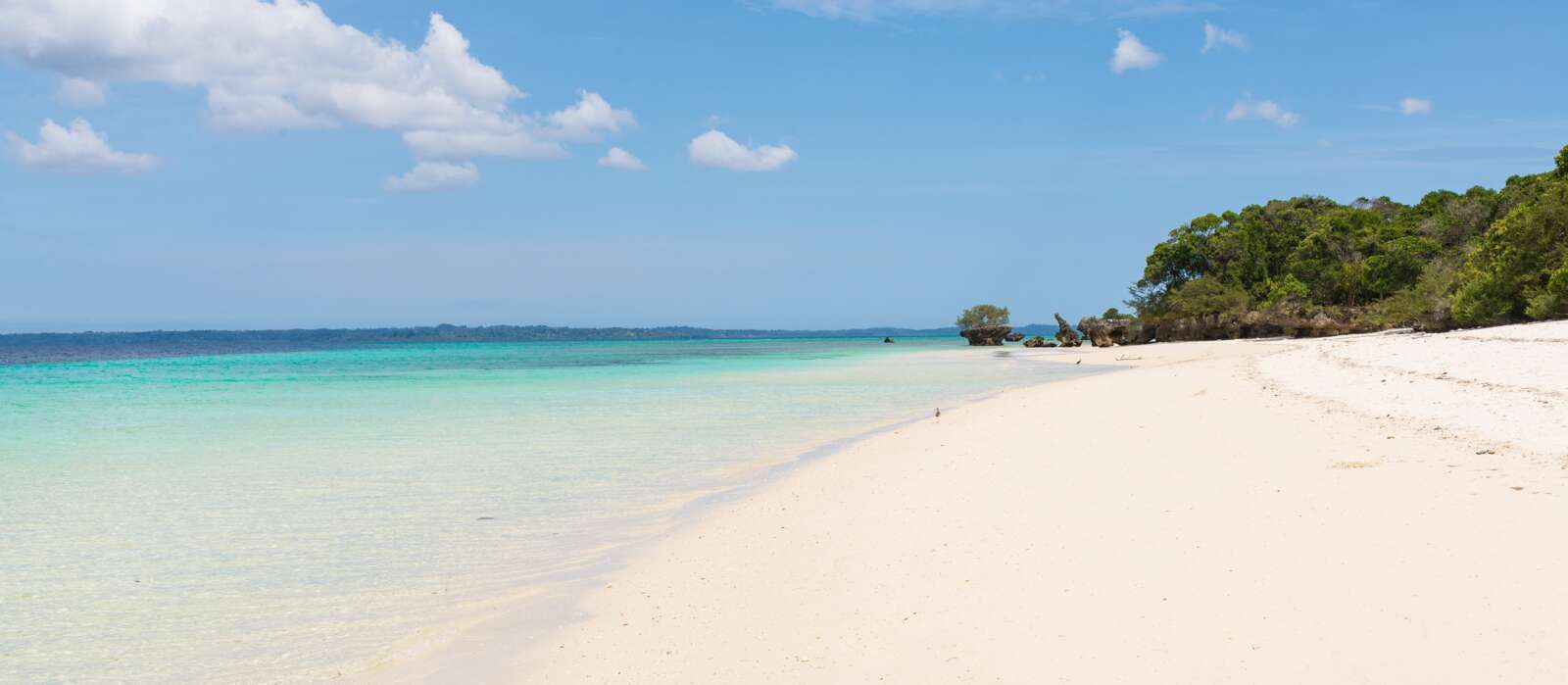
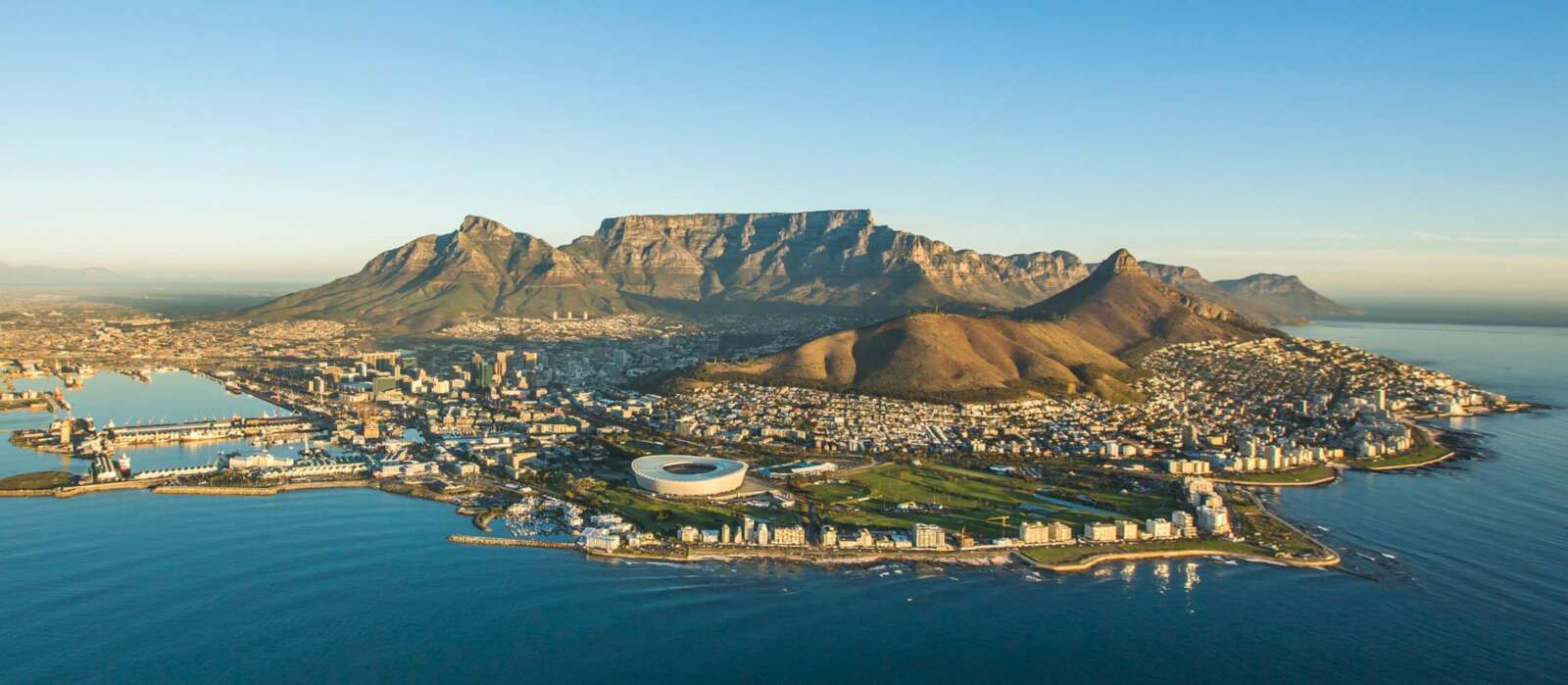
Africa is known for its wildlife and Big Five-seeking safaris top plenty of bucket lists. But a trip to the sub-Sahara isn't all about animal encounters; there are cosmopolitan cities like Cape Town, incredible remote islands where bright white sand meets sea as clear as glass and sprawling landscapes where incredible human stories have played out. Sip on wine produced just a stone's throw from your luxury hotel, walk in the footsteps of Zulu warriors or climb the highest freestanding mountain on Earth. You can come back to Africa time and again and never have the same experience twice.

_w=636_h=896_pjpg.jpg?v=69c1199efa1862cd3f054ef2c47374b9c7304ce2)
Explore our expertly crafted African safaris across iconic destinations, or get in touch to tailor a once‑in‑a‑lifetime safari experience.
Places to go in Africa
Kenya
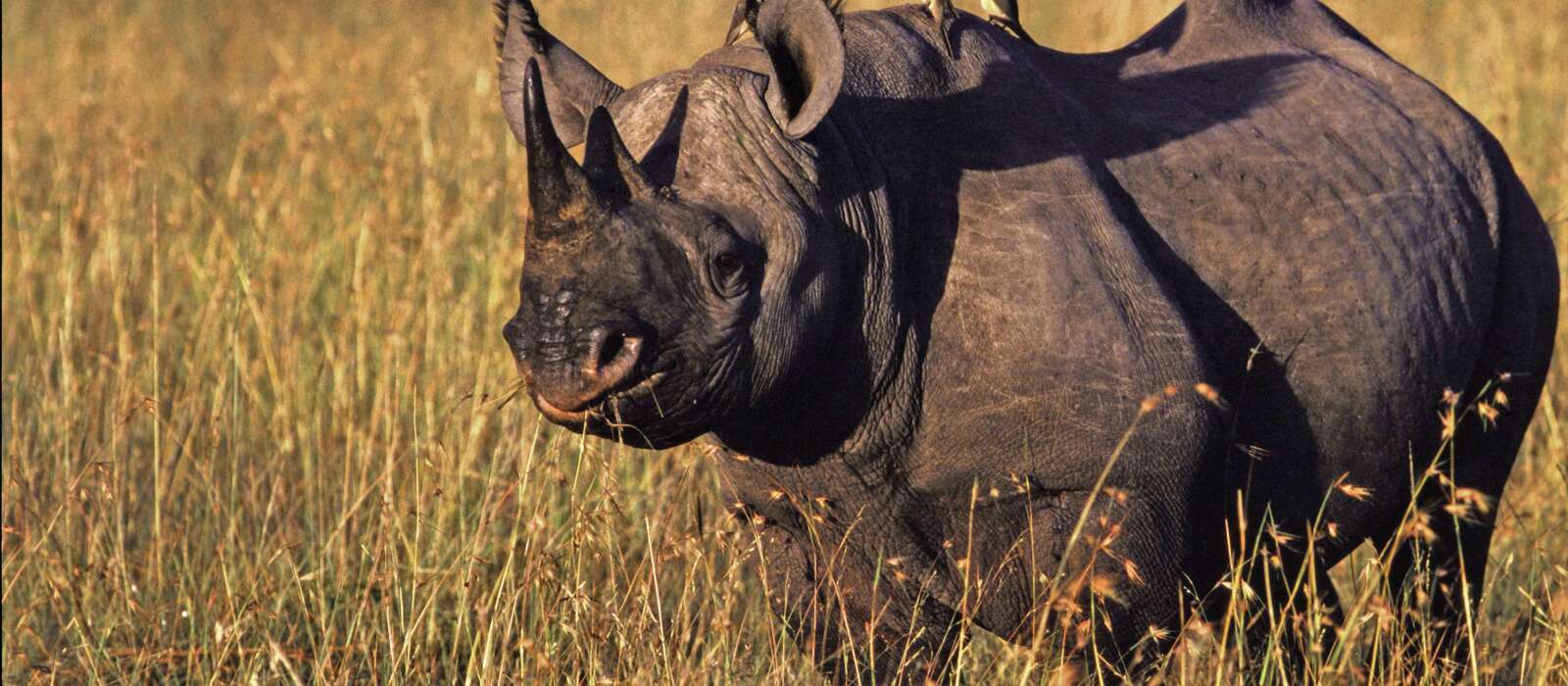
With over 40 national parks and reserves, Kenya offers some of the best wildlife viewing opportunities in the world. Whether you’re exploring the famed Maasai Mara, bird-rich Rift Valley lakes or arid Samburu plains, it’s as if you’ve stepped into a wildlife documentary.
Kenya Holidays
South Africa
There’s a reason why South Africa stands firmly at the top of countless bucket lists. Nowhere else will you see a continent’s worth of diversity packed into one country.
South Africa Holidays
Tanzania
Holidays to Tanzania are all about safari days and starry nights while Zanzibar’s Indian Ocean coastline beckons for post-safari relaxation
Tanzania Holidays
Namibia
Embark on a real adventure: Namibia offers an African experience like no other.
Namibia Holidays
Botswana
A safari in Botswana is like no other. Hidden in private pockets of romantic wilderness, these outposts are designed to make you feel like the savannah is yours alone to explore.
Botswana Holidays
Rwanda
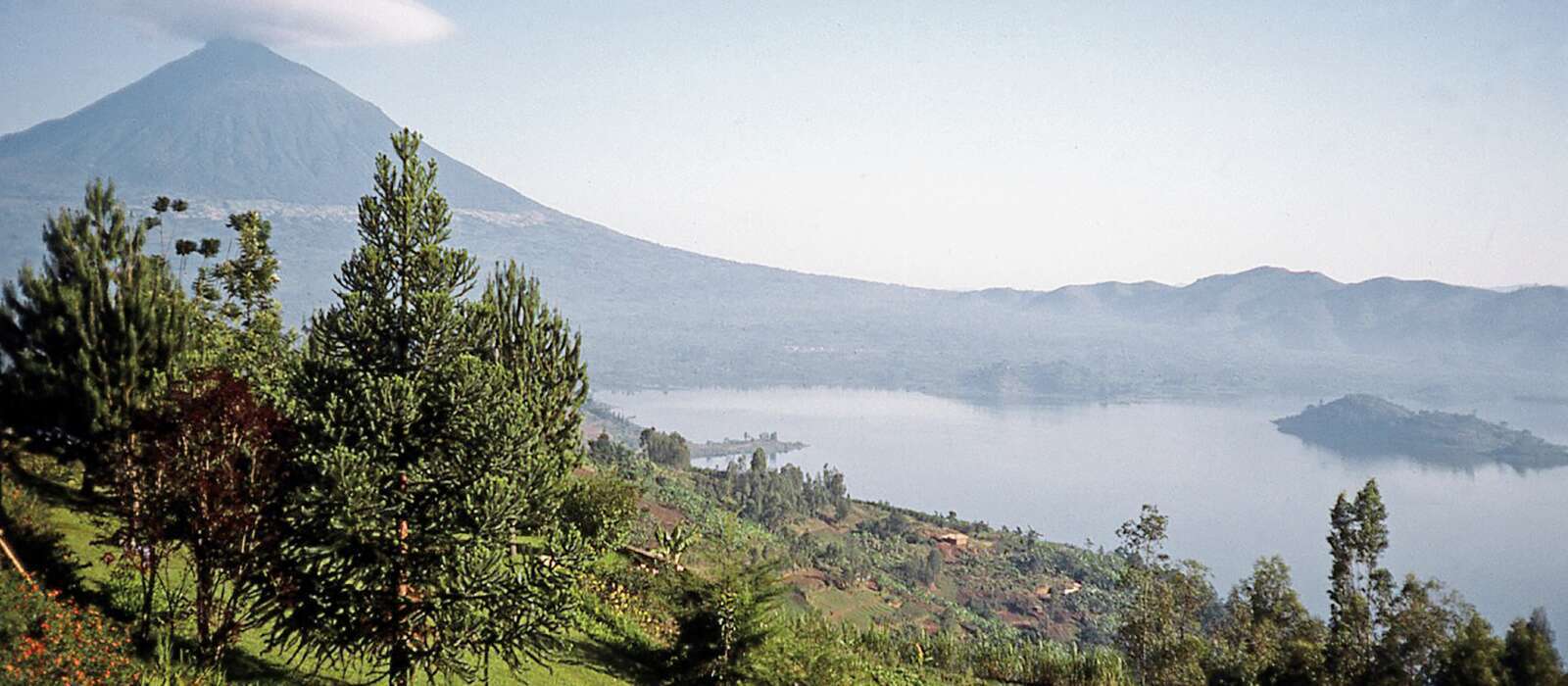
When it comes to exuberant, mood-enhancing greenery, Rwanda is in a league of its own.
Rwanda Holidays
Zimbabwe
You can experience safari at a walking pace with some of the most revered guides on the continent.
Zimbabwe Holidays
Mozambique
If you dream of wild beaches and gin-blue sea, Mozambique offers that rare type of paradise.
Mozambique Holidays


See Mother Nature’s stories come to life in iconic landscapes on an African safari
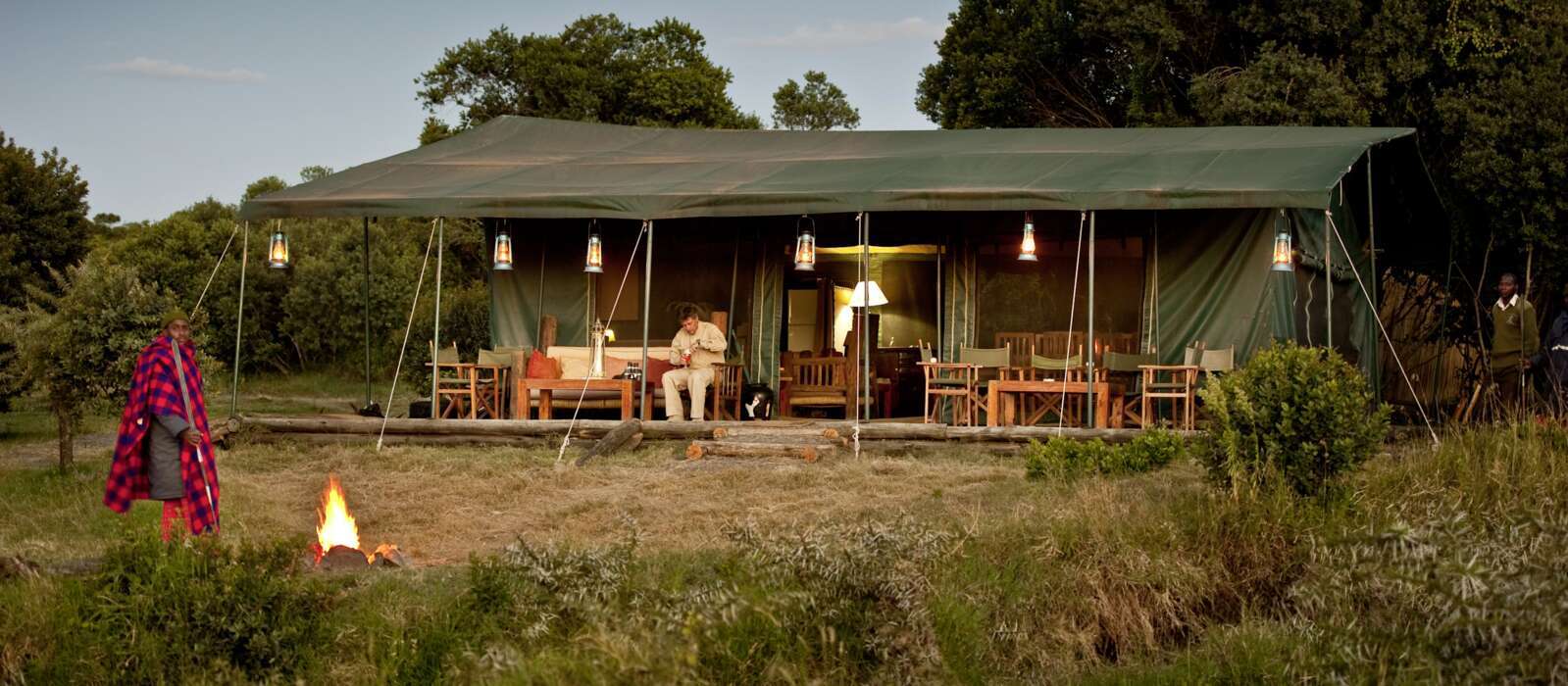
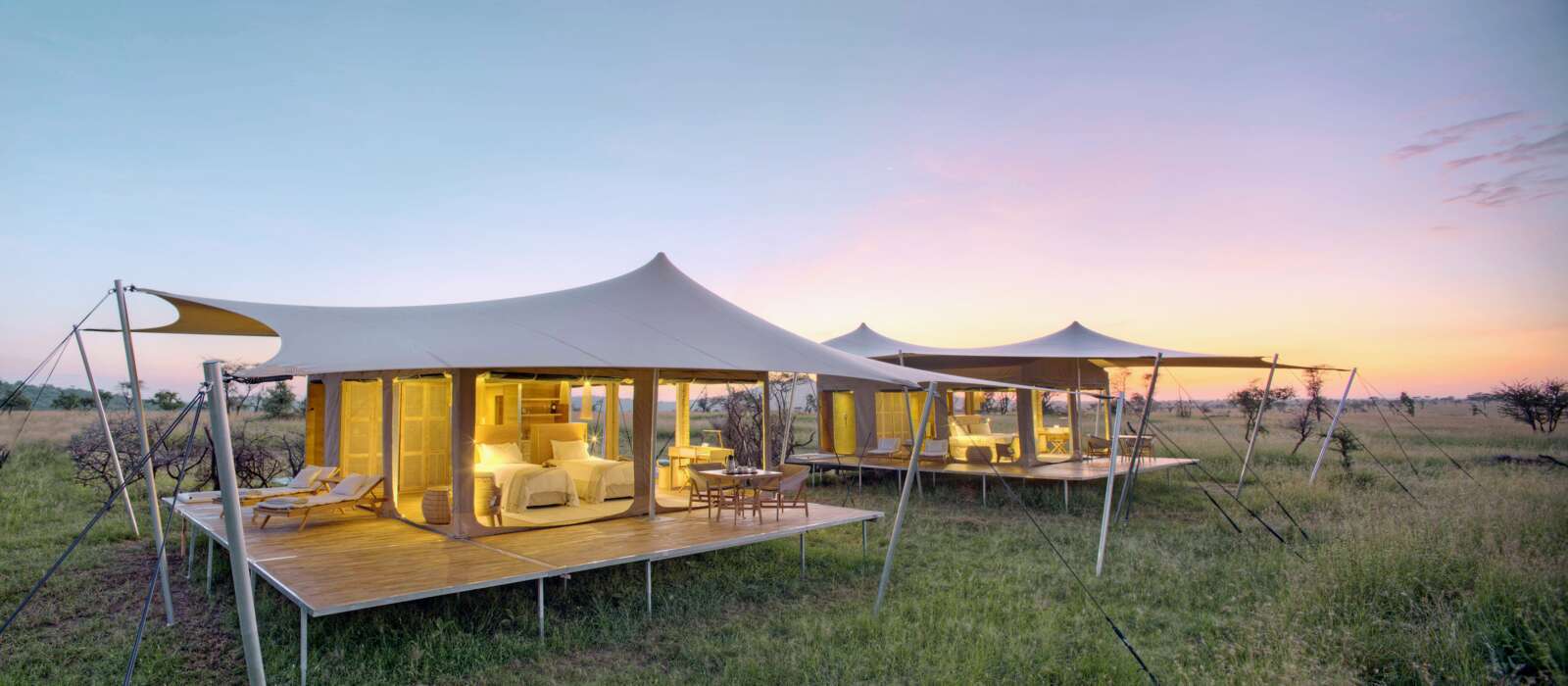
Our African safari holidays are divided into escorted small group safaris and independent tailor-made safaris – all you have to decide is how sociable or independent you want your holiday to be. On our escorted small group safaris you could take in the highlights of northern Tanzania, like the breathtaking Ngorongoro Crater and rolling plains of the Serengeti, or discover Kenya’s awe-inspiring lakes, mountains and iconic wildlife reserves in style. Our independent safaris are a suggestion to get you started; we can help tailor-make your own itinerary with different accommodation and suggest our the best excursions and extensions. How you get around is part of the experience too – our 4x4 safaris guarantee you a front-row seat to the action and our fly-in safaris give you dazzling bird’s-eye views of your destination.
Our recommended Africa safaris
-
-
Destination {{ destinationFilters.length }}
- Amboseli & Chyulu Hills{{destinationCountWith('Amboseli & Chyulu Hills')}}
- Arusha{{destinationCountWith('Arusha')}}
- Botswana{{destinationCountWith('Botswana')}}
- Cape Town{{destinationCountWith('Cape Town')}}
- Chobe National Park{{destinationCountWith('Chobe National Park')}}
- Durban and KwaZulu-Natal{{destinationCountWith('Durban and KwaZulu-Natal')}}
- Johannesburg{{destinationCountWith('Johannesburg')}}
- Kigali{{destinationCountWith('Kigali')}}
- Maasai Mara{{destinationCountWith('Maasai Mara')}}
- Mombasa and Diani Beach{{destinationCountWith('Mombasa and Diani Beach')}}
- Nairobi{{destinationCountWith('Nairobi')}}
- Tarangire{{destinationCountWith('Tarangire')}}
- Tsavo{{destinationCountWith('Tsavo')}}
- Victoria Falls, Zimbabwe{{destinationCountWith('Victoria Falls, Zimbabwe')}}
- Zanzibar{{destinationCountWith('Zanzibar')}}
-
Holiday type {{ holidayTypeFilters.length }}
- Family{{holidayTypeCountWith('Family')}}
- Honeymoons{{holidayTypeCountWith('Honeymoons')}}
- Multi-centre{{holidayTypeCountWith('Multi-centre')}}
- Rail{{holidayTypeCountWith('Rail')}}
- Safari holidays{{holidayTypeCountWith('Safari holidays')}}
- Small group tours{{holidayTypeCountWith('Small group tours')}}
-
-
- Kuoni recommended
- Name (A-Z)
- Rating (High to Low)
- Rating (Low to High)
- Price (High to Low)
- Price (Low to High)
- {{ filter.text }}
- Clear all
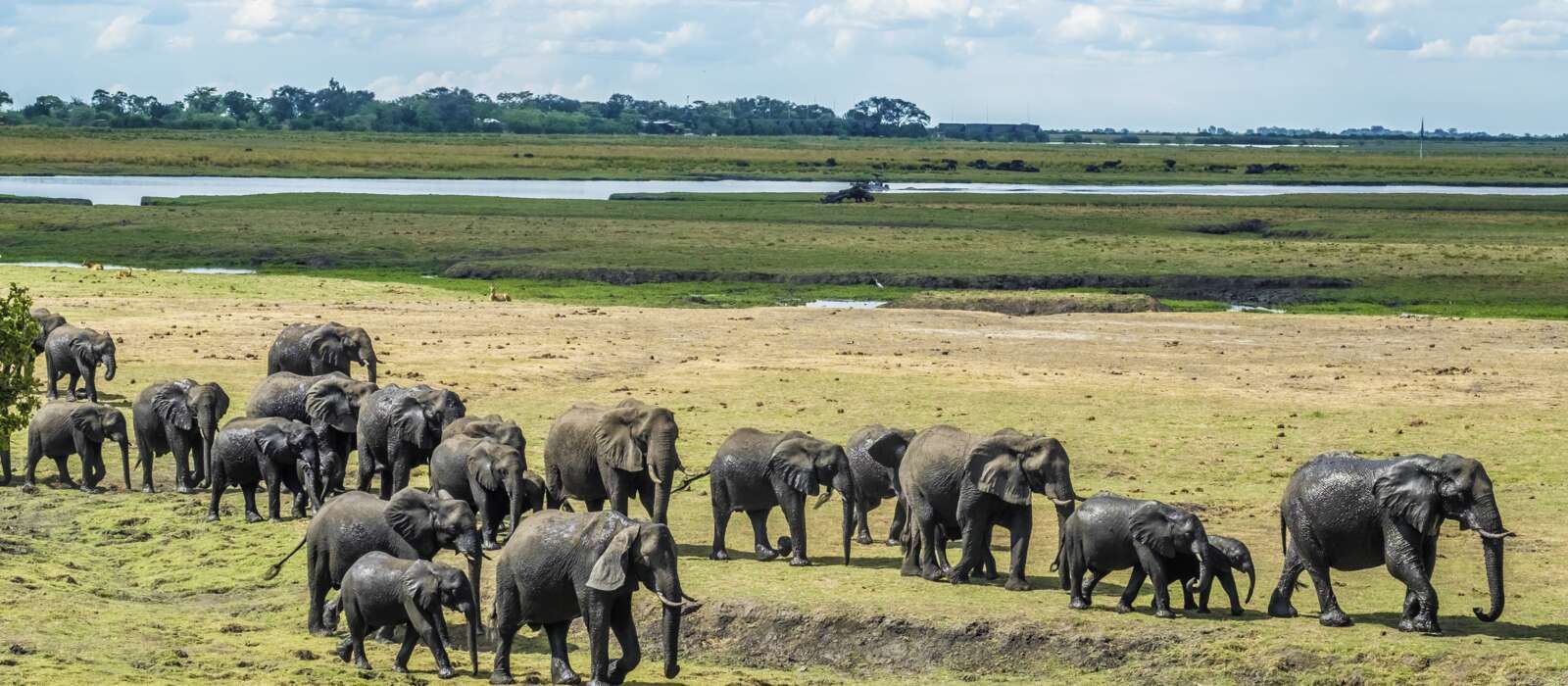
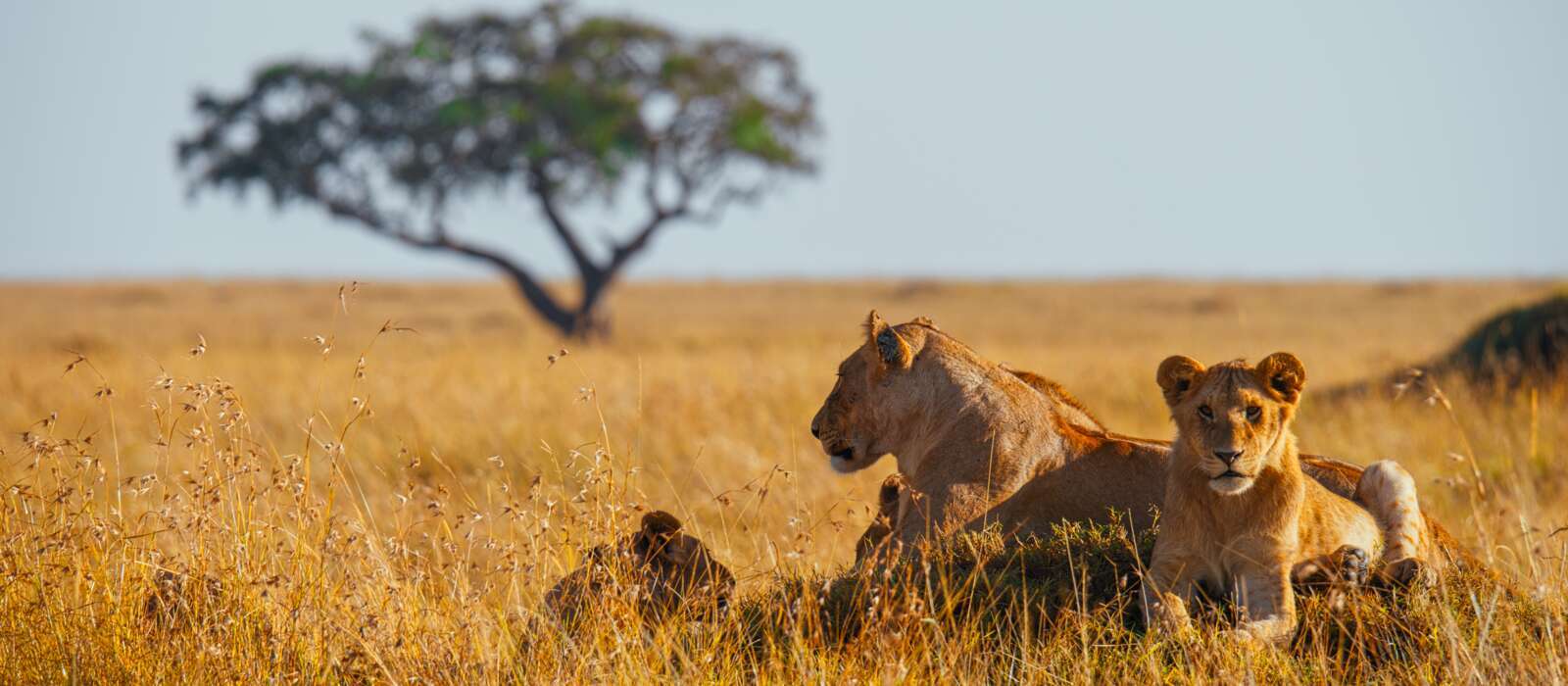
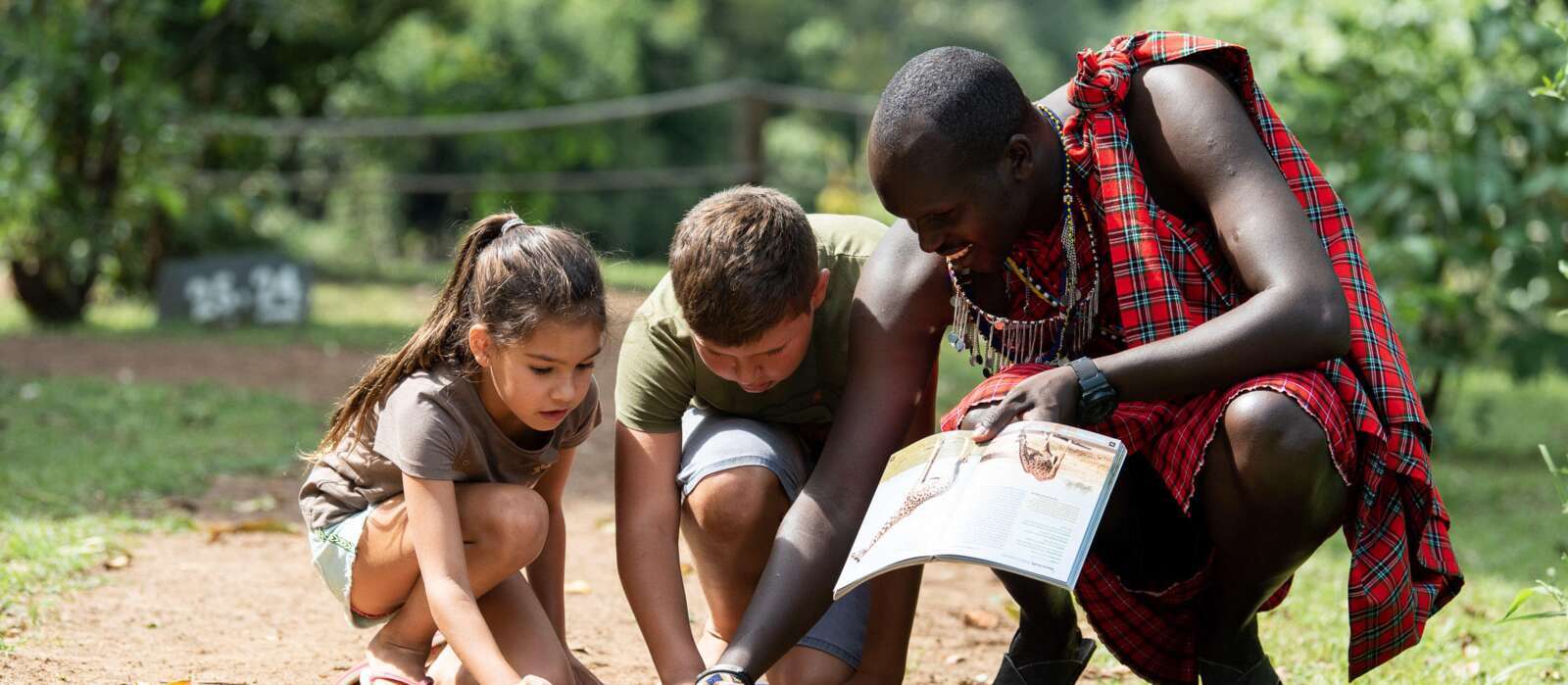
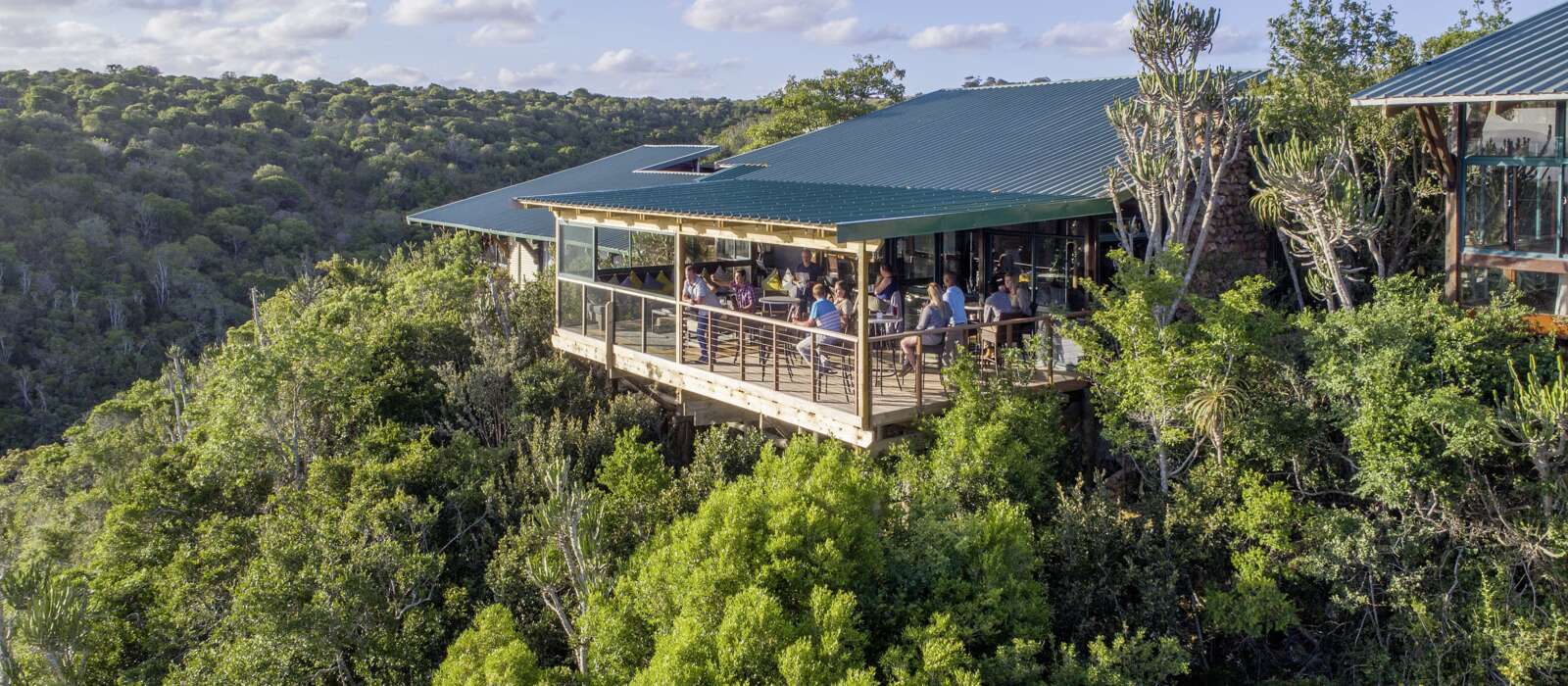
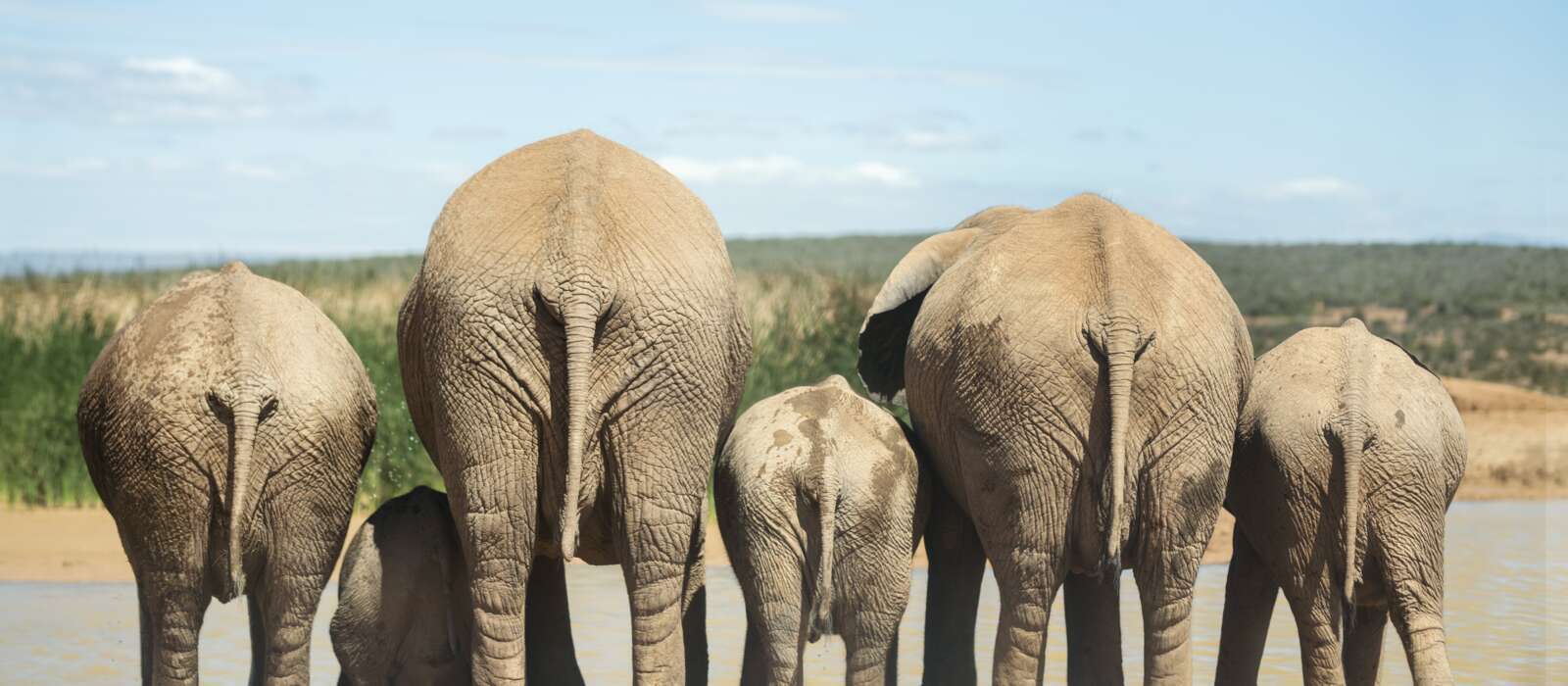
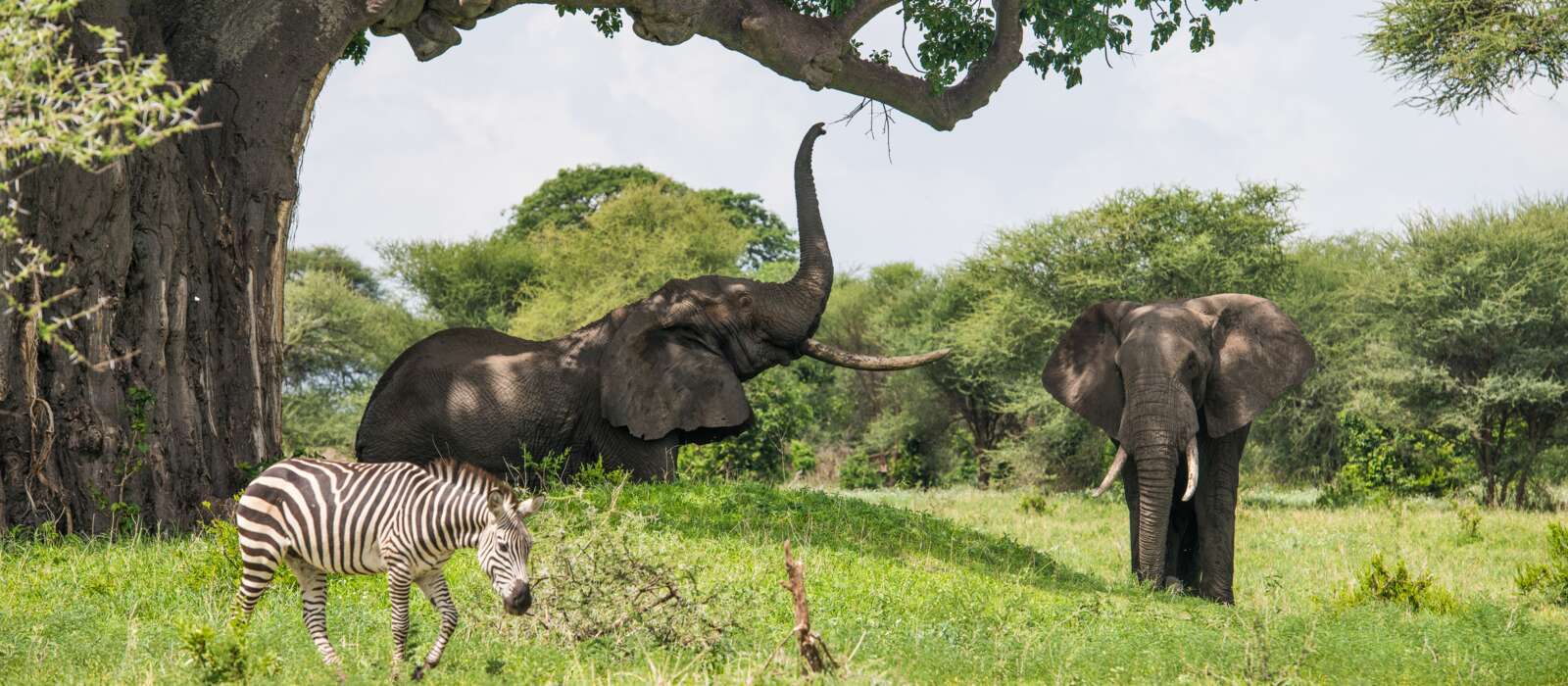
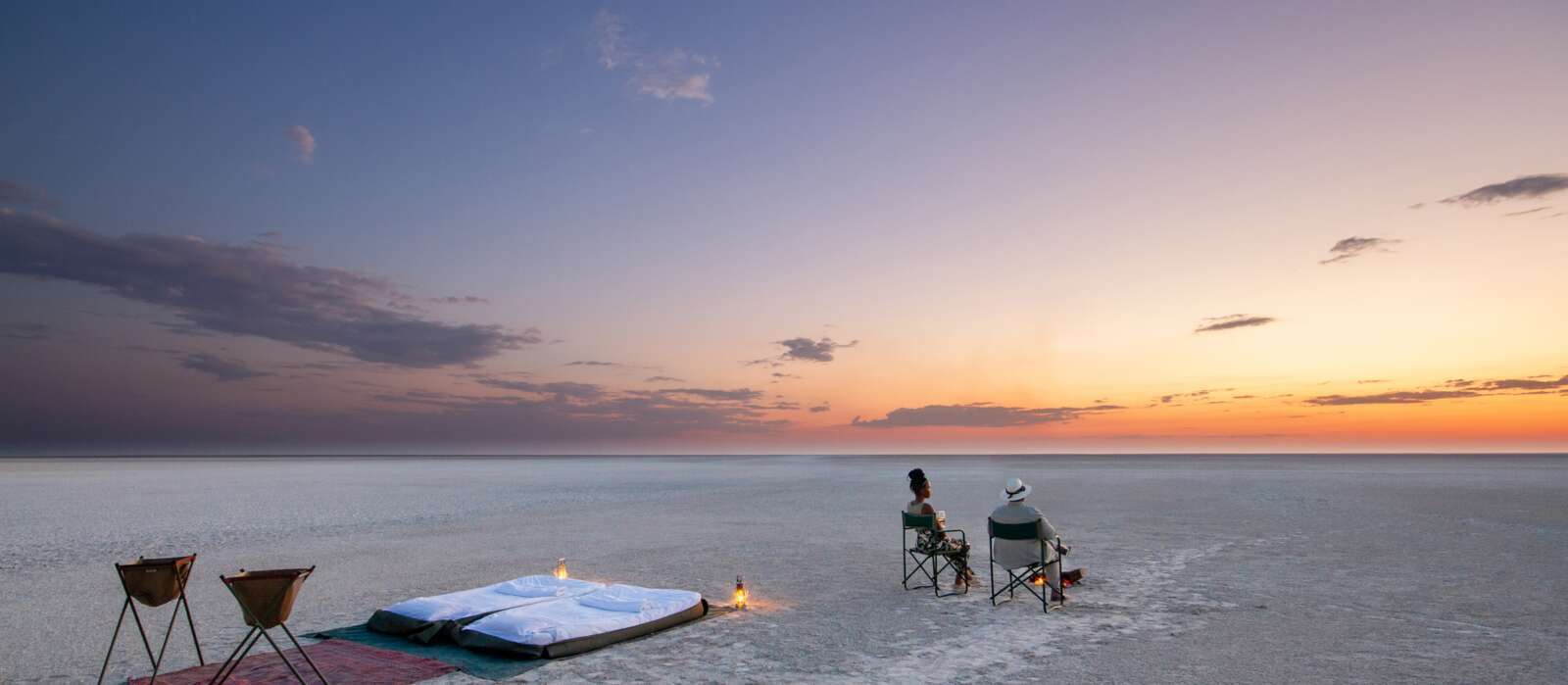
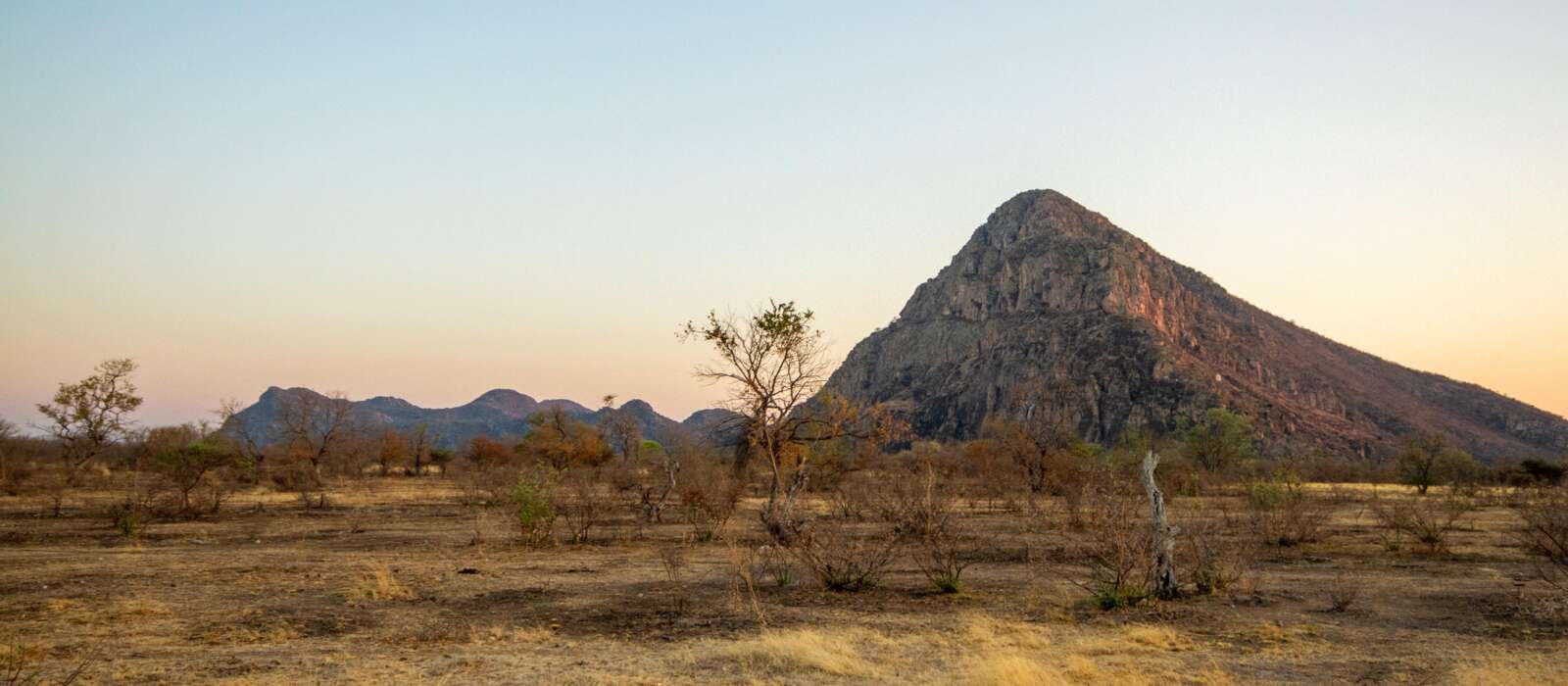
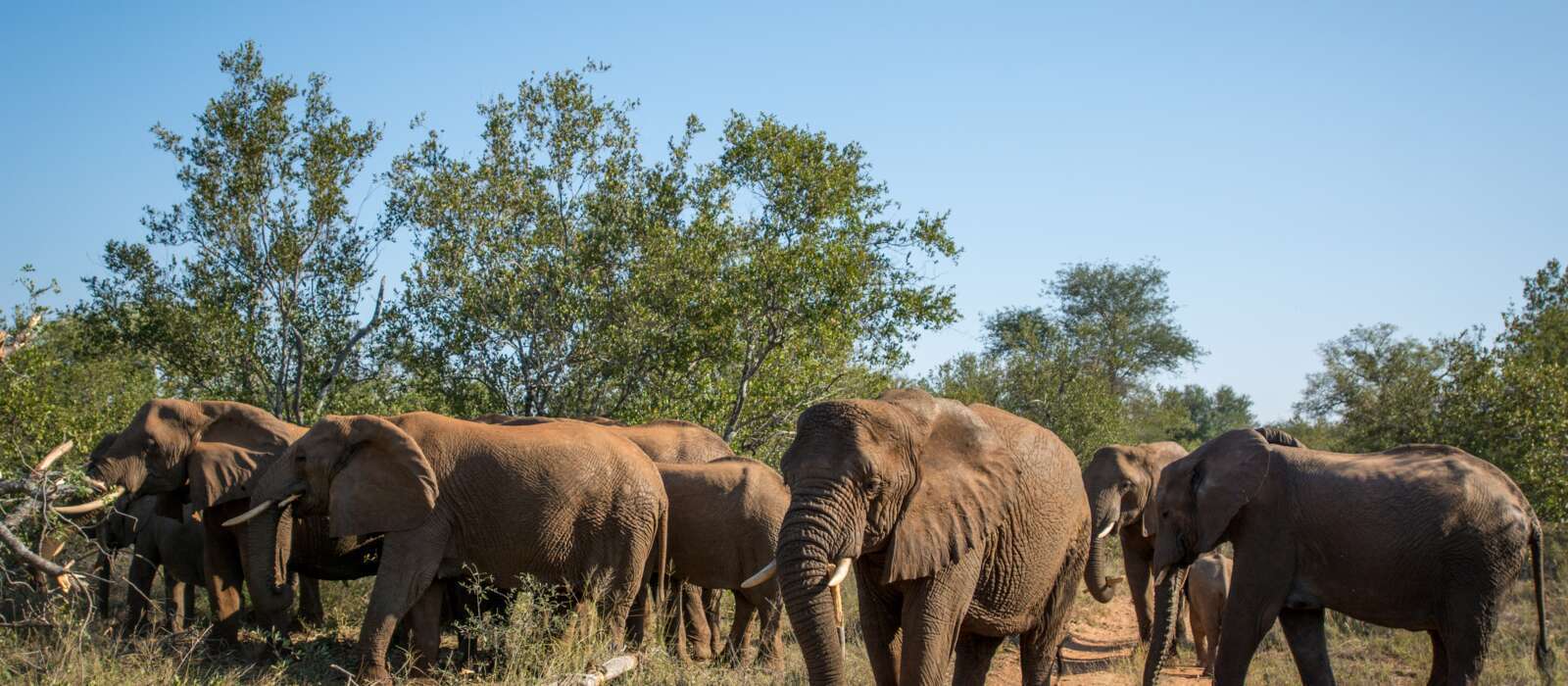
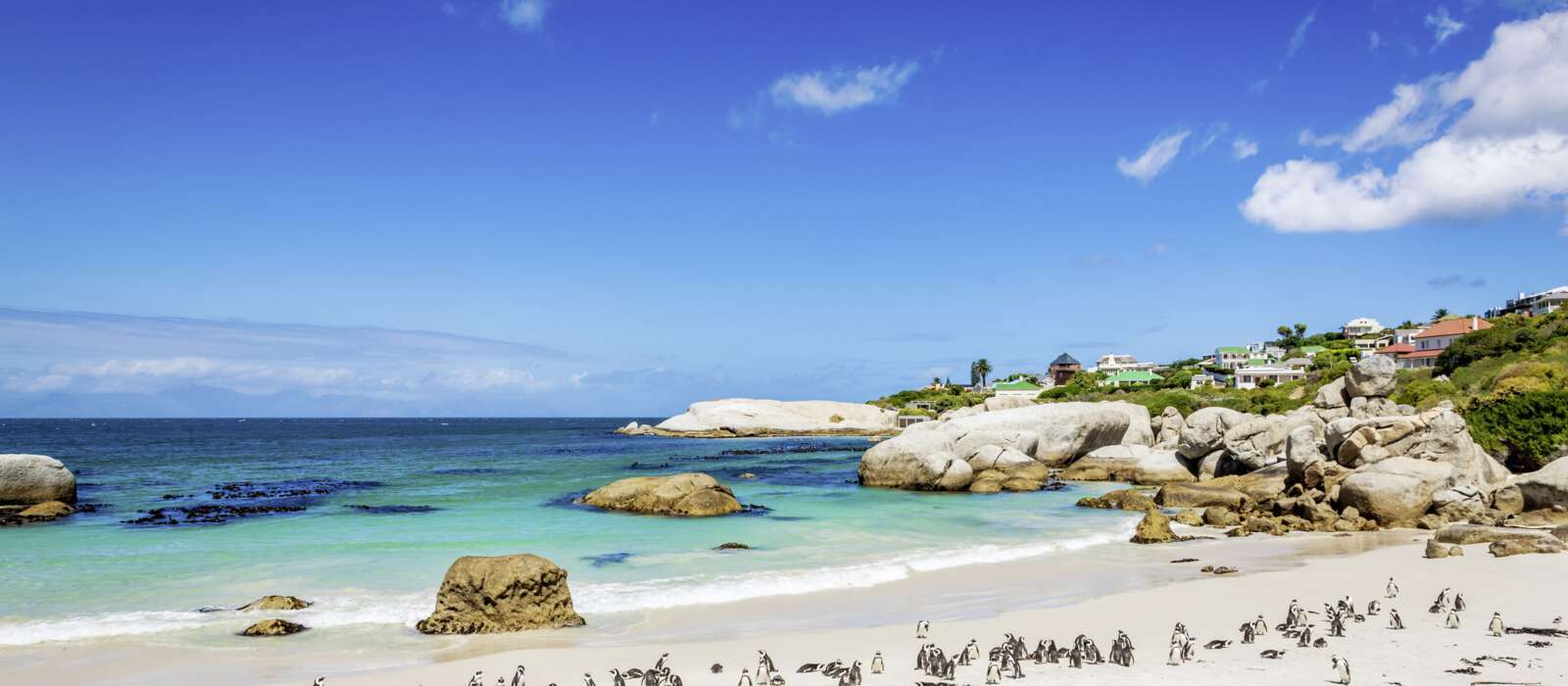
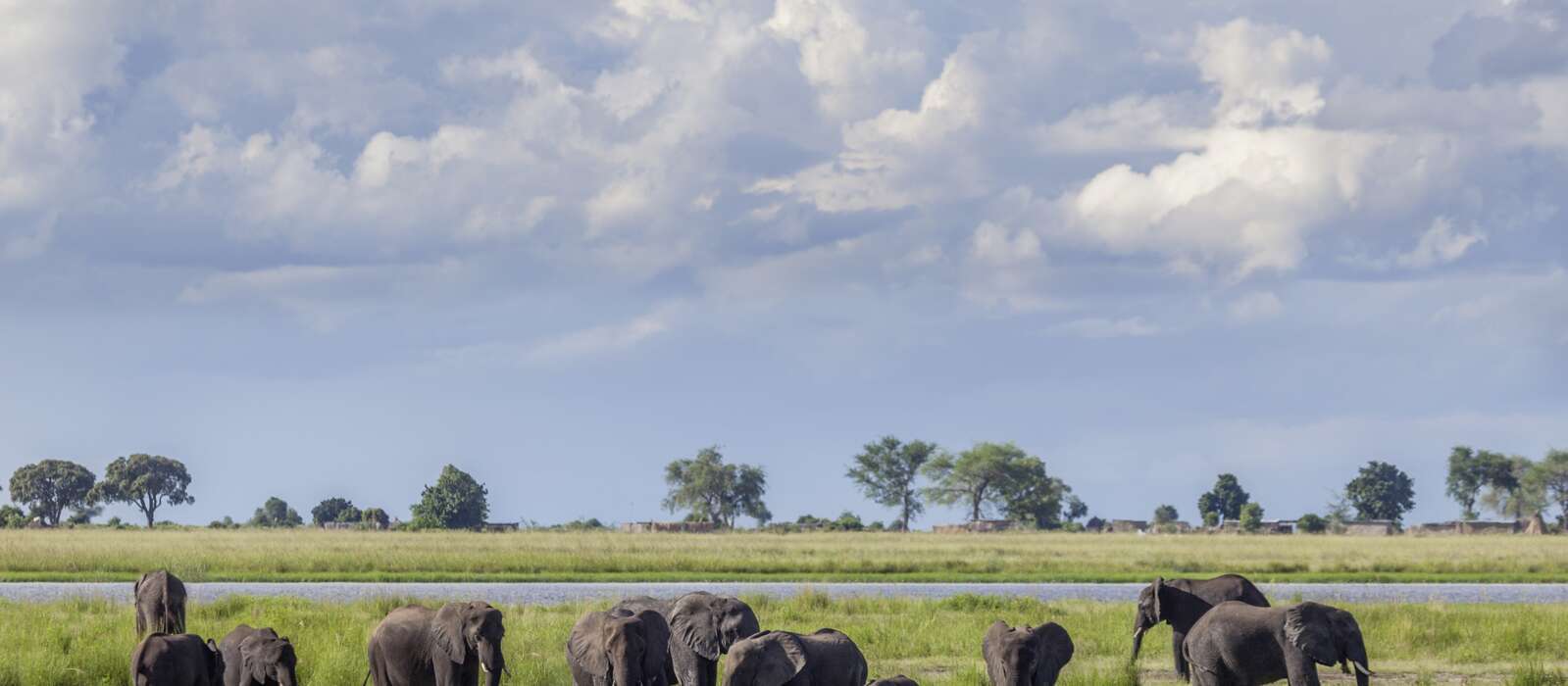
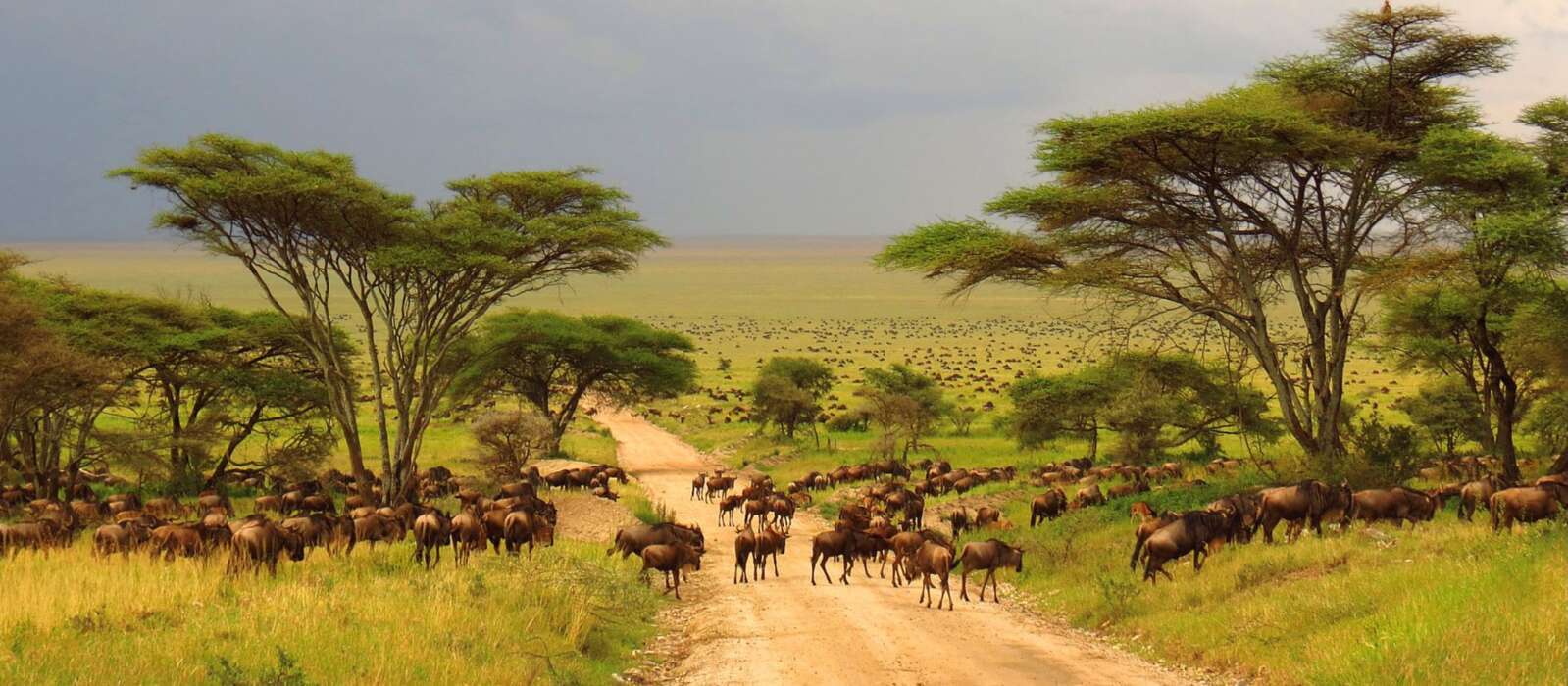
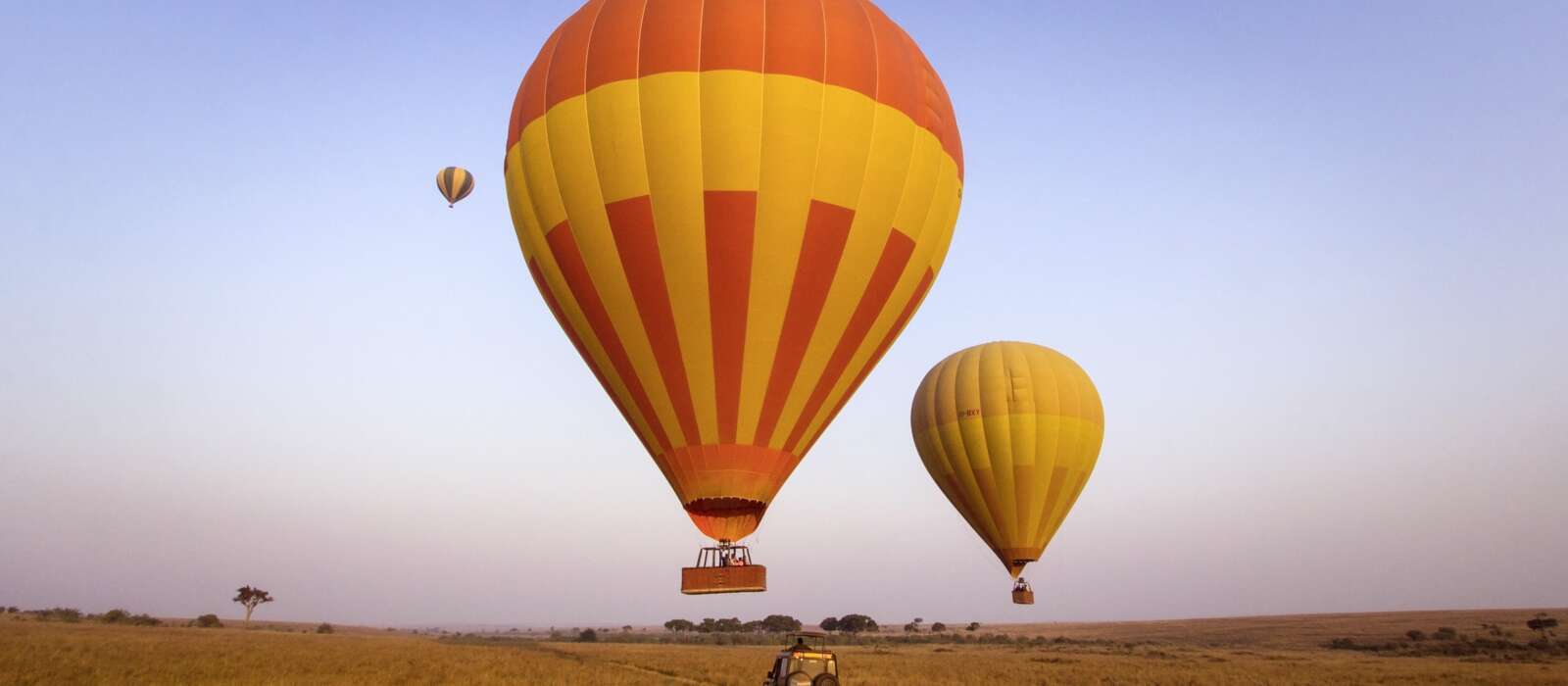
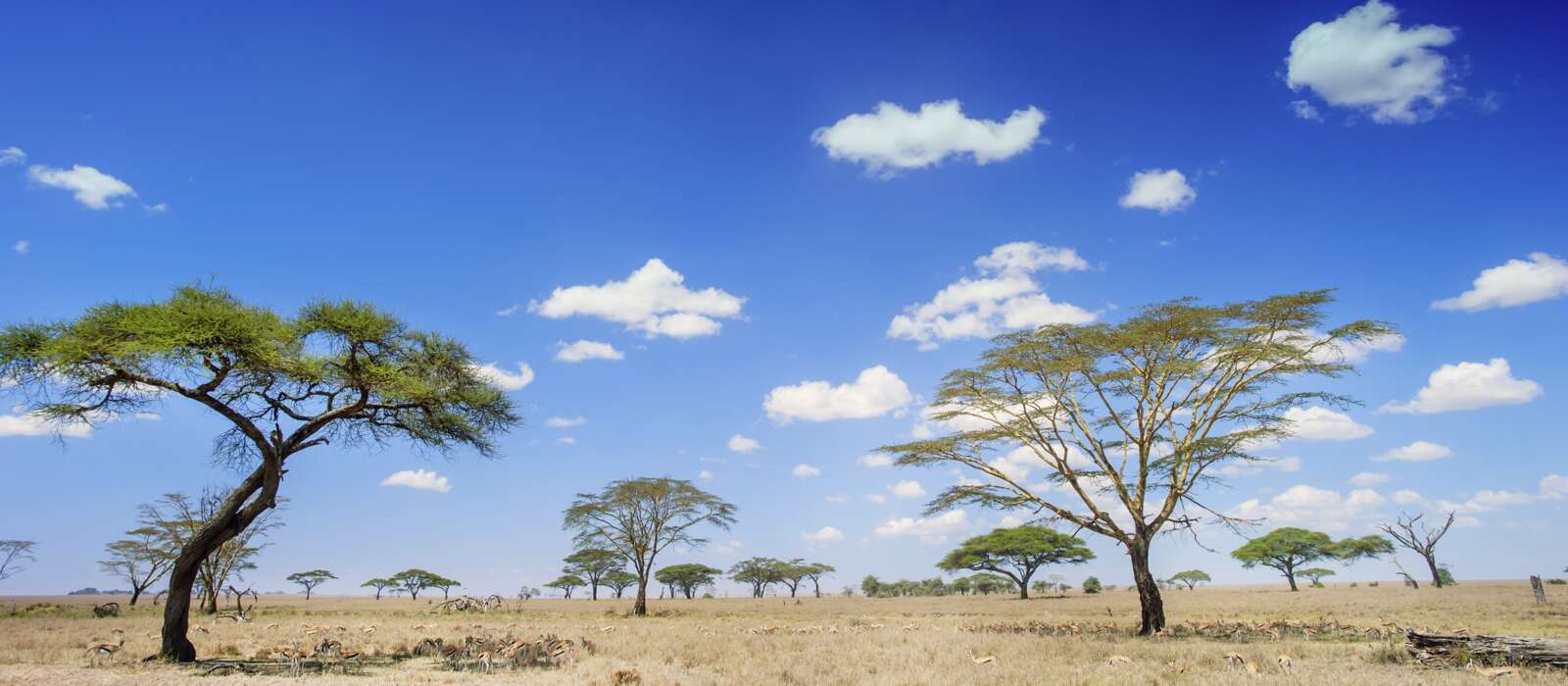
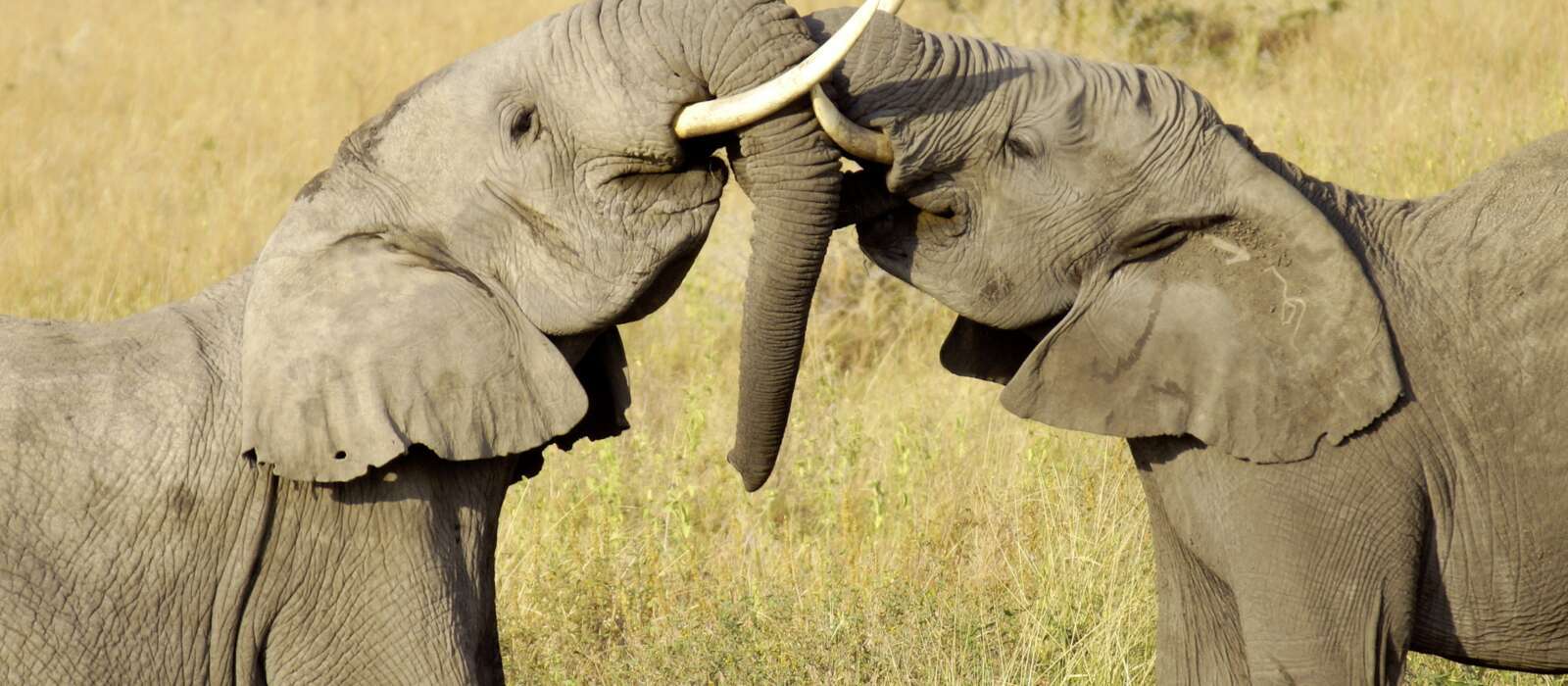
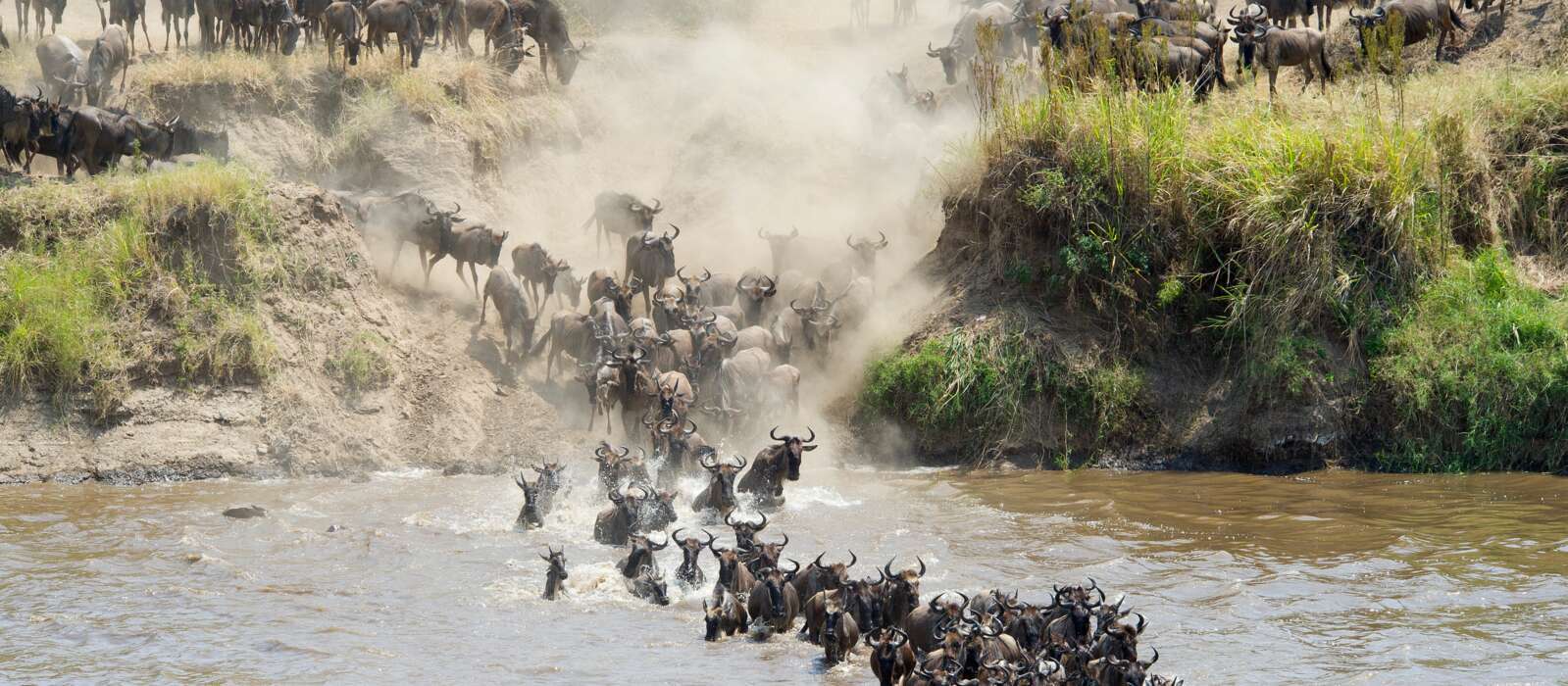
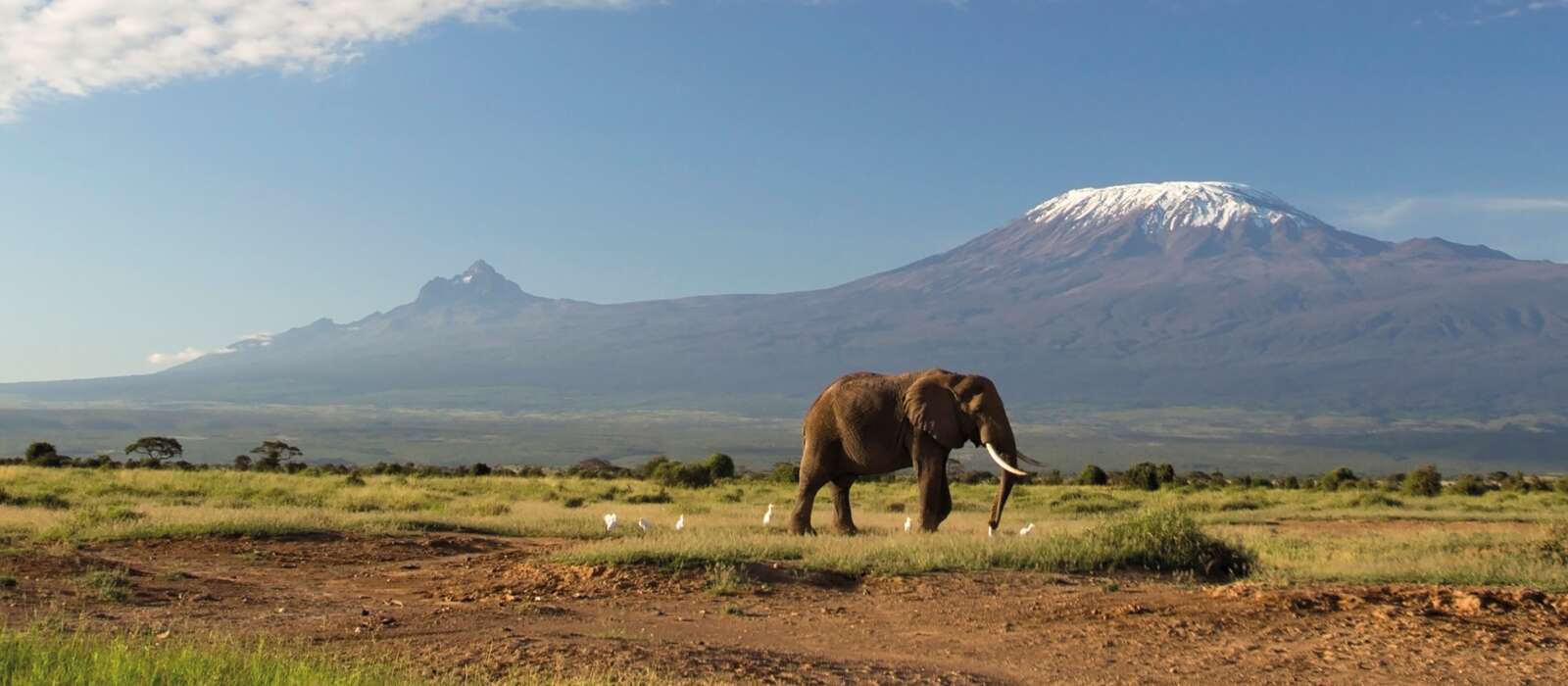
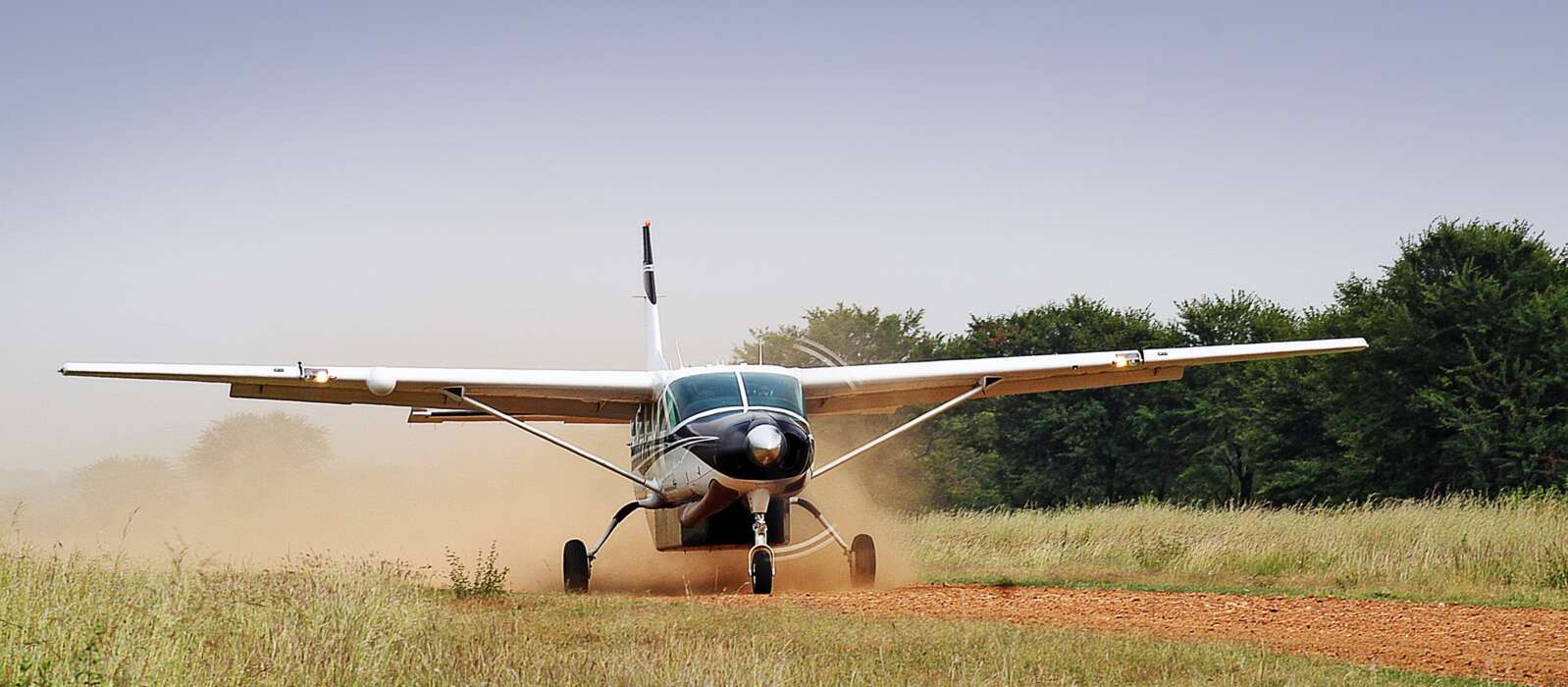
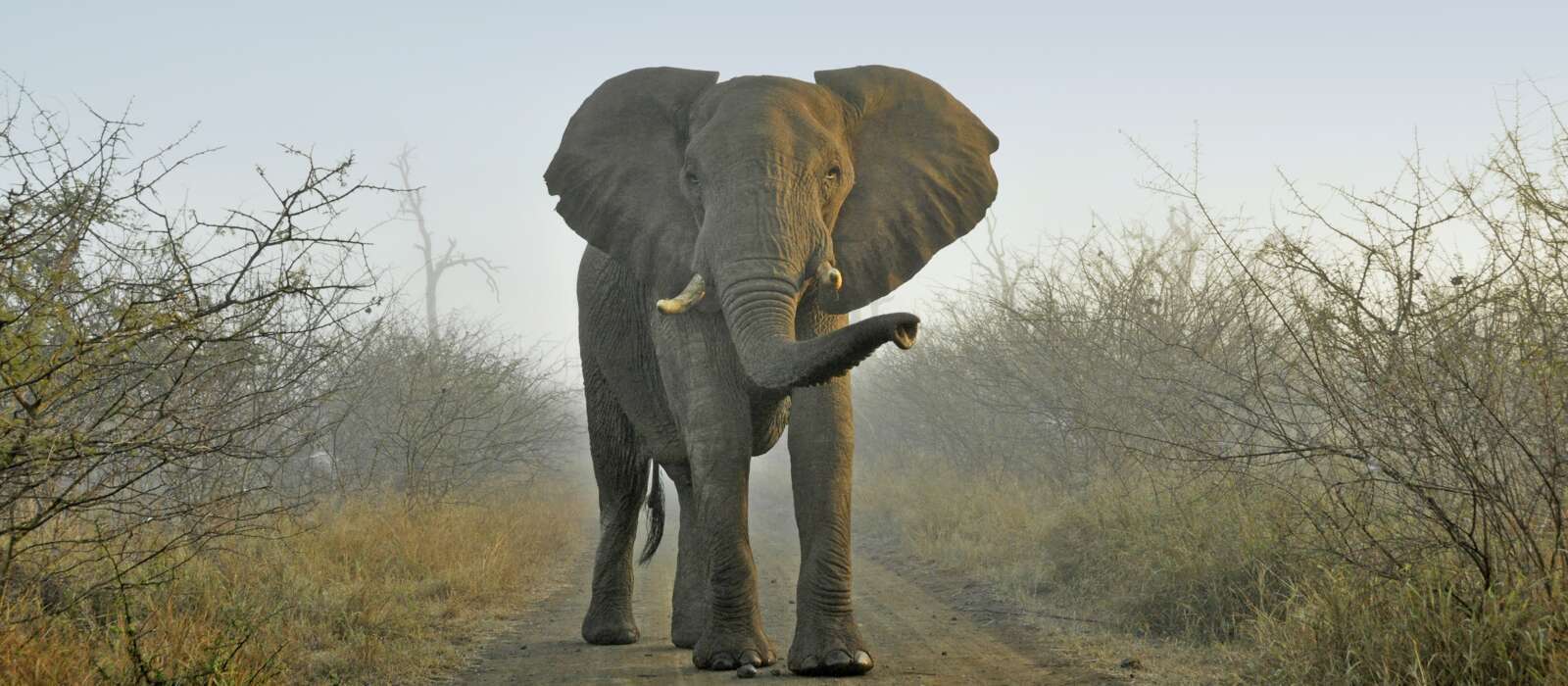
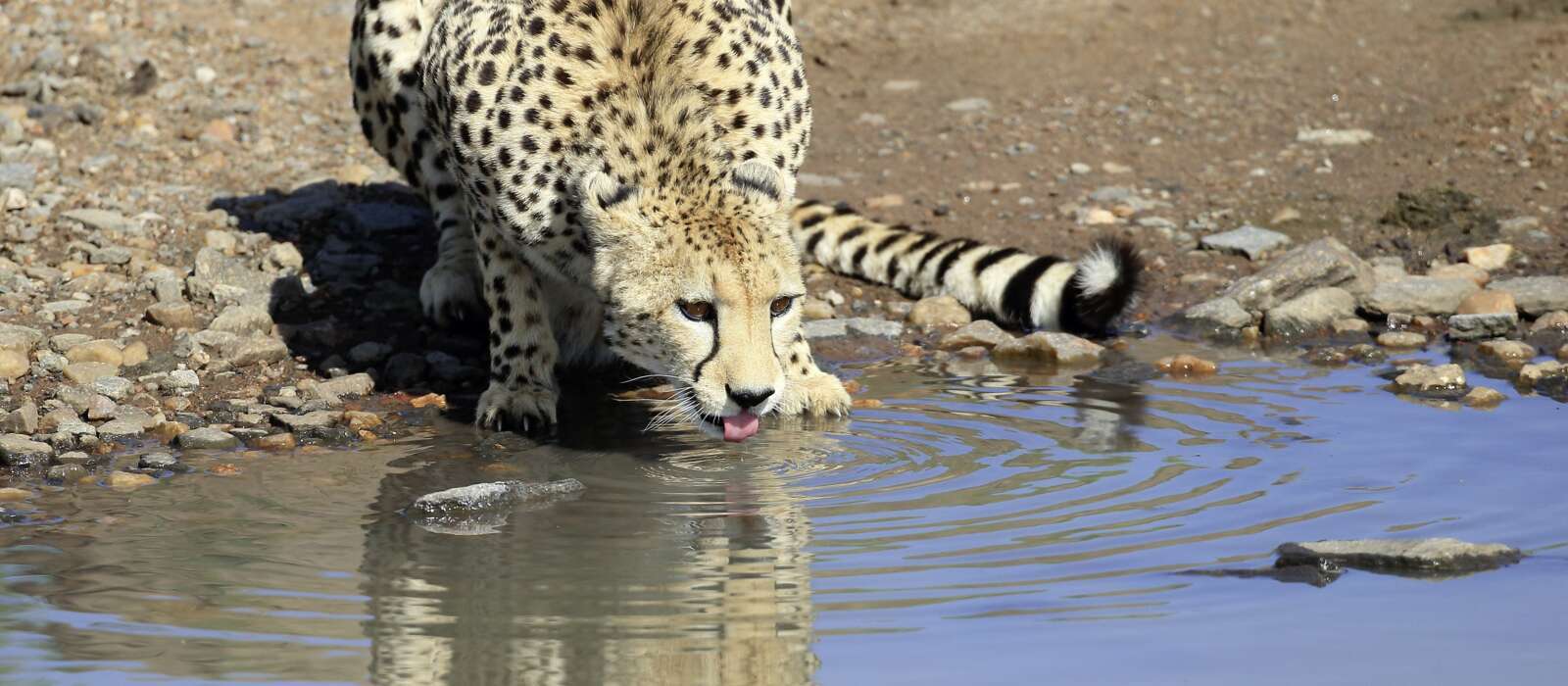
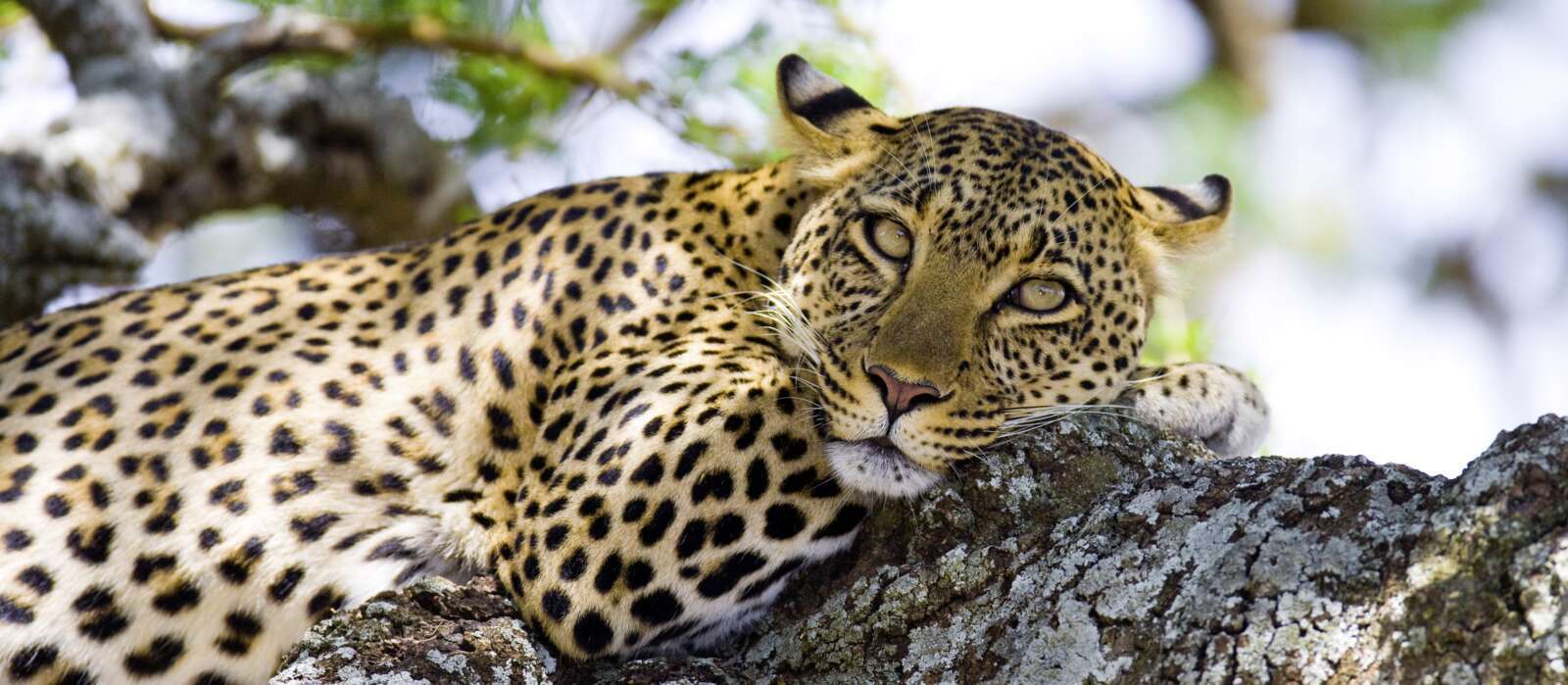
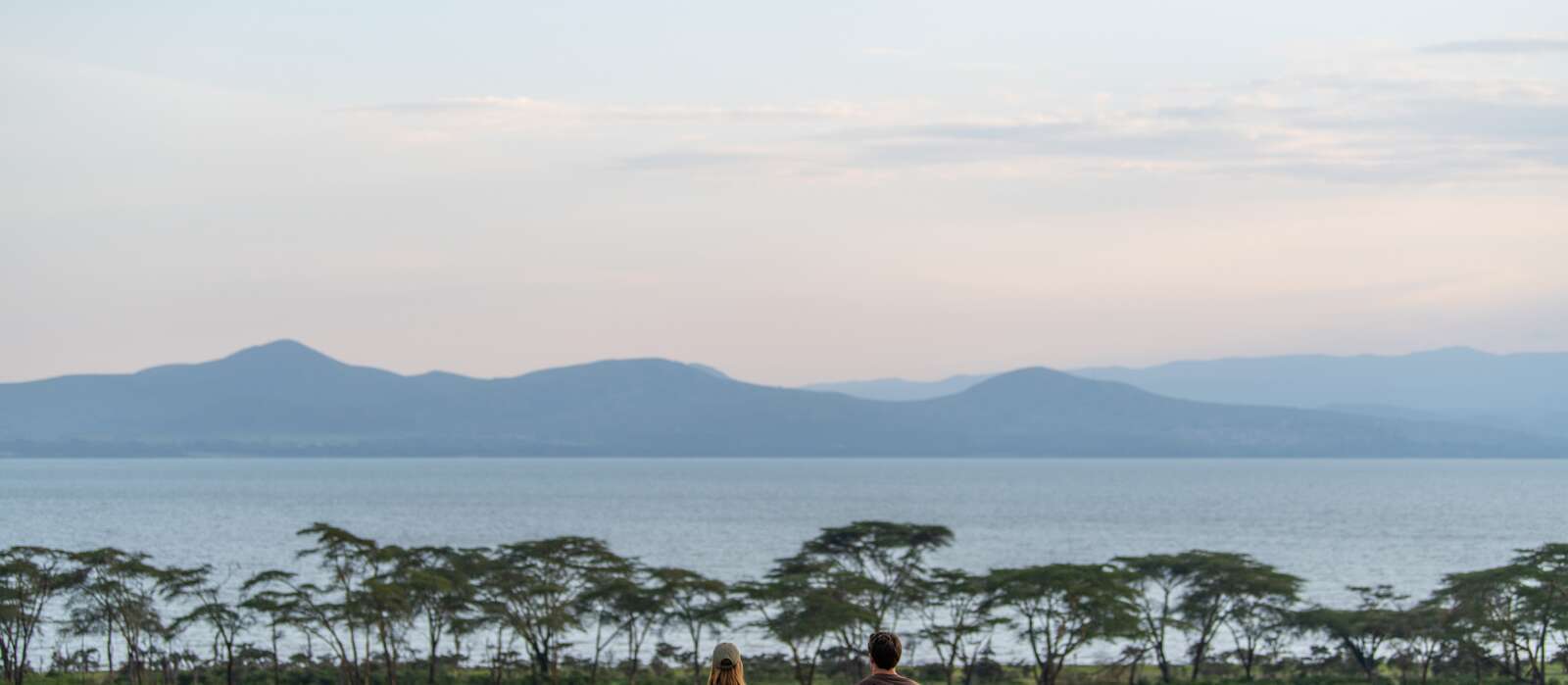
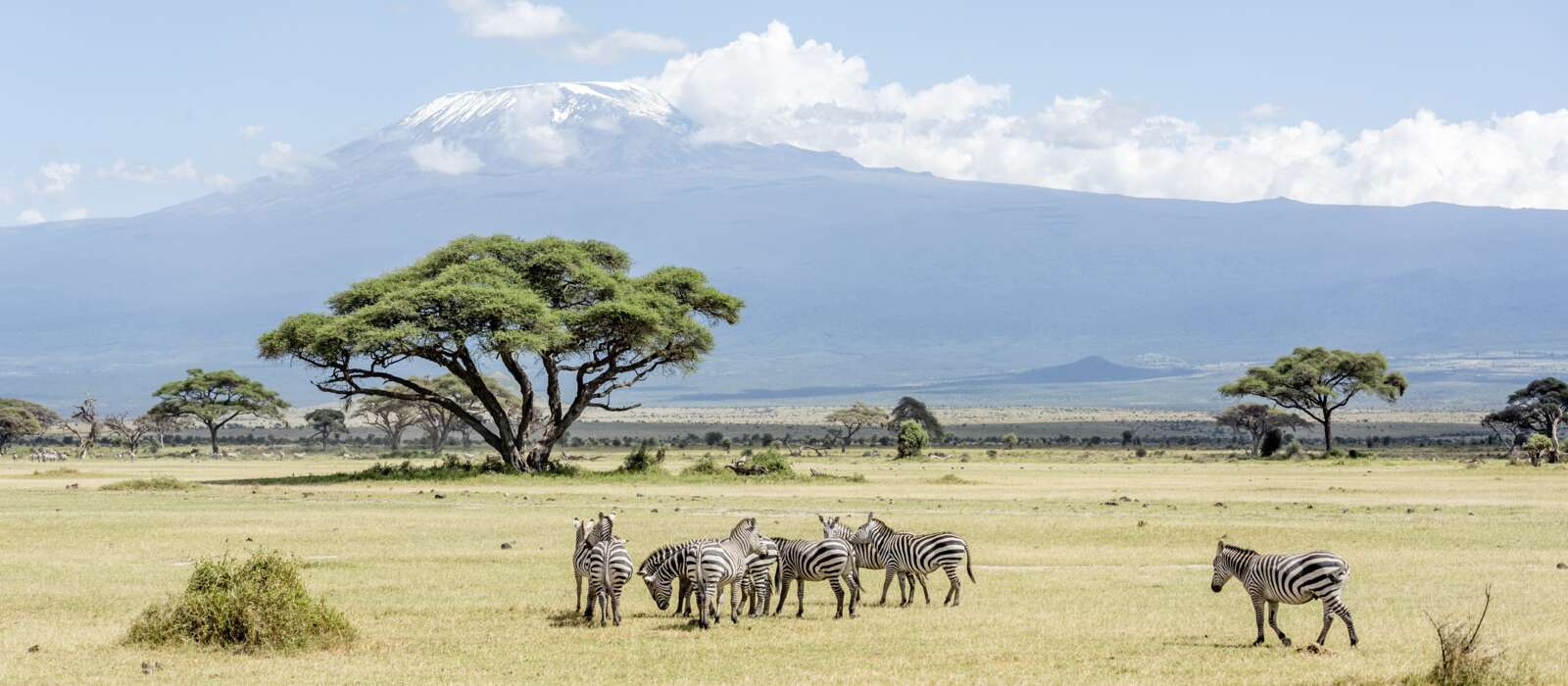
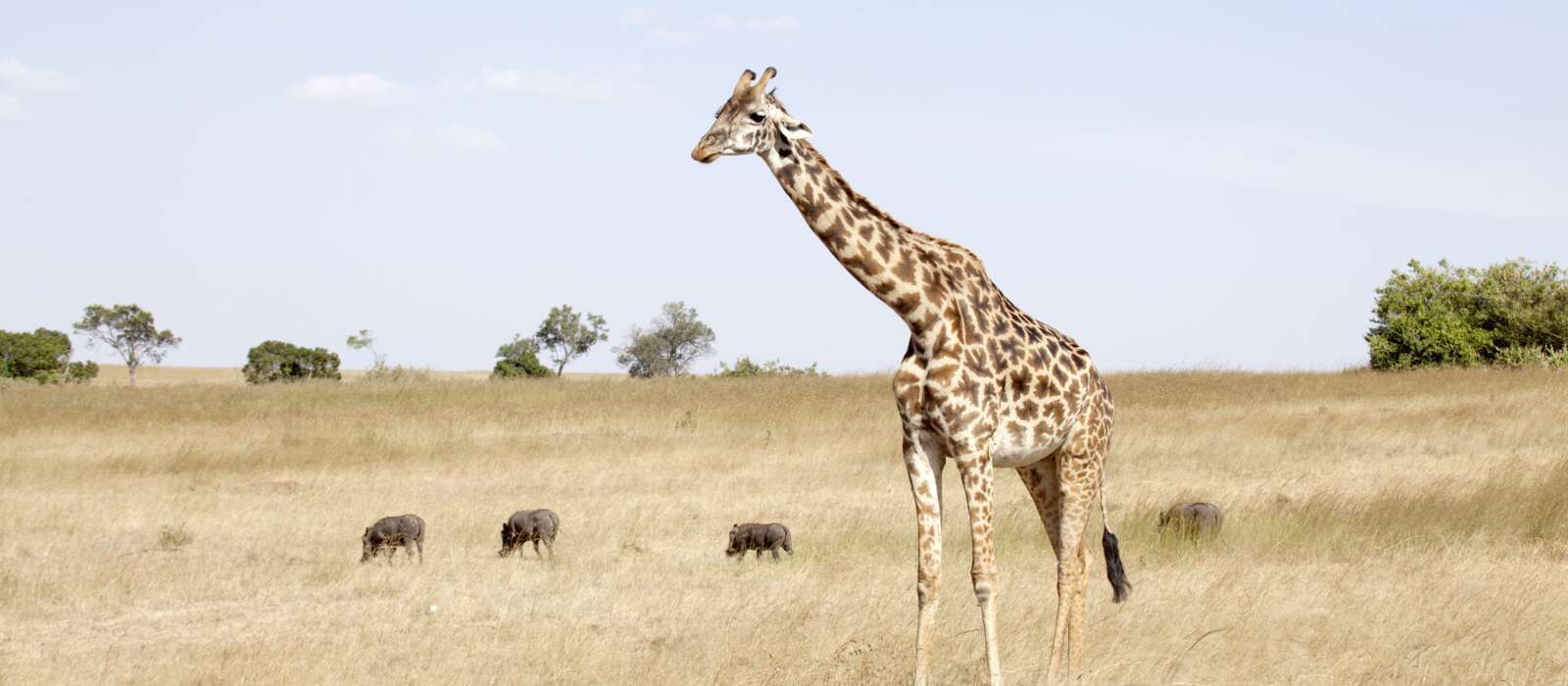
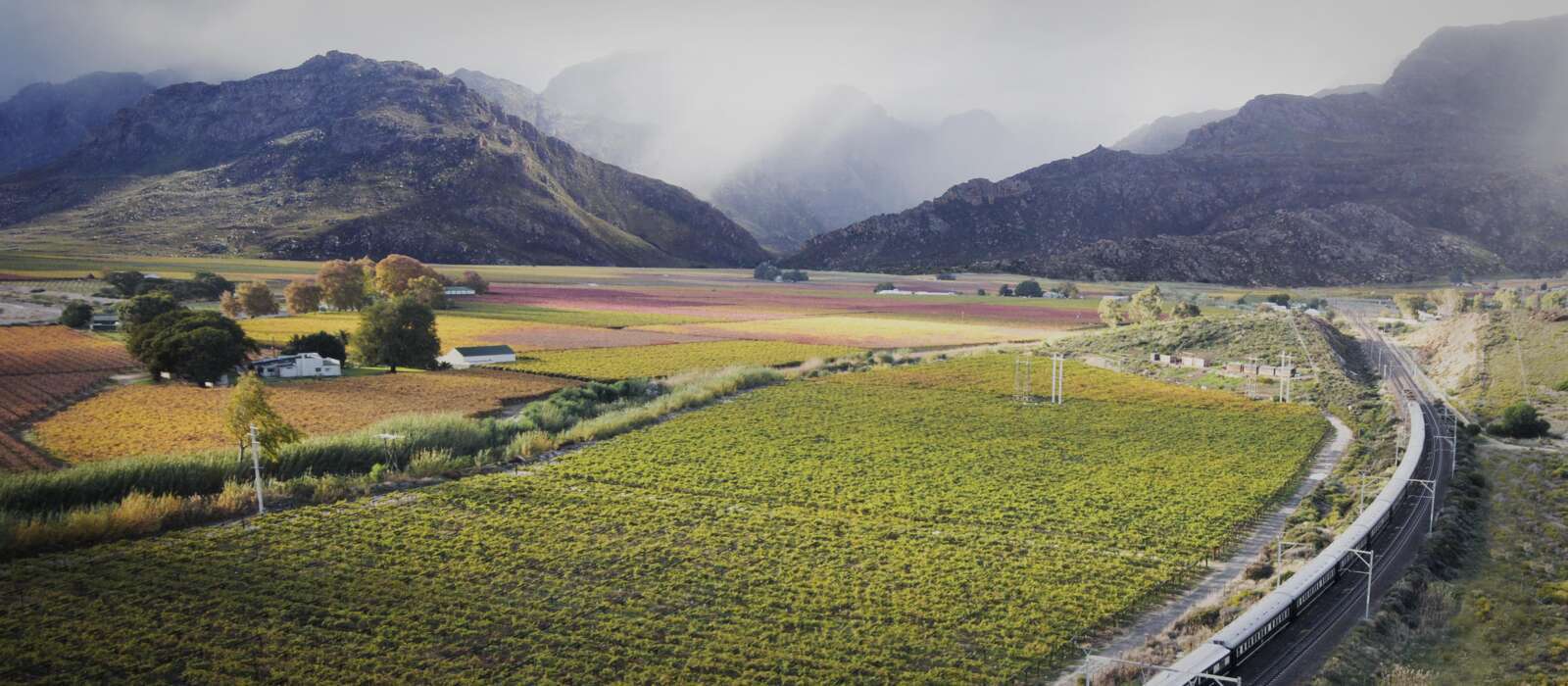
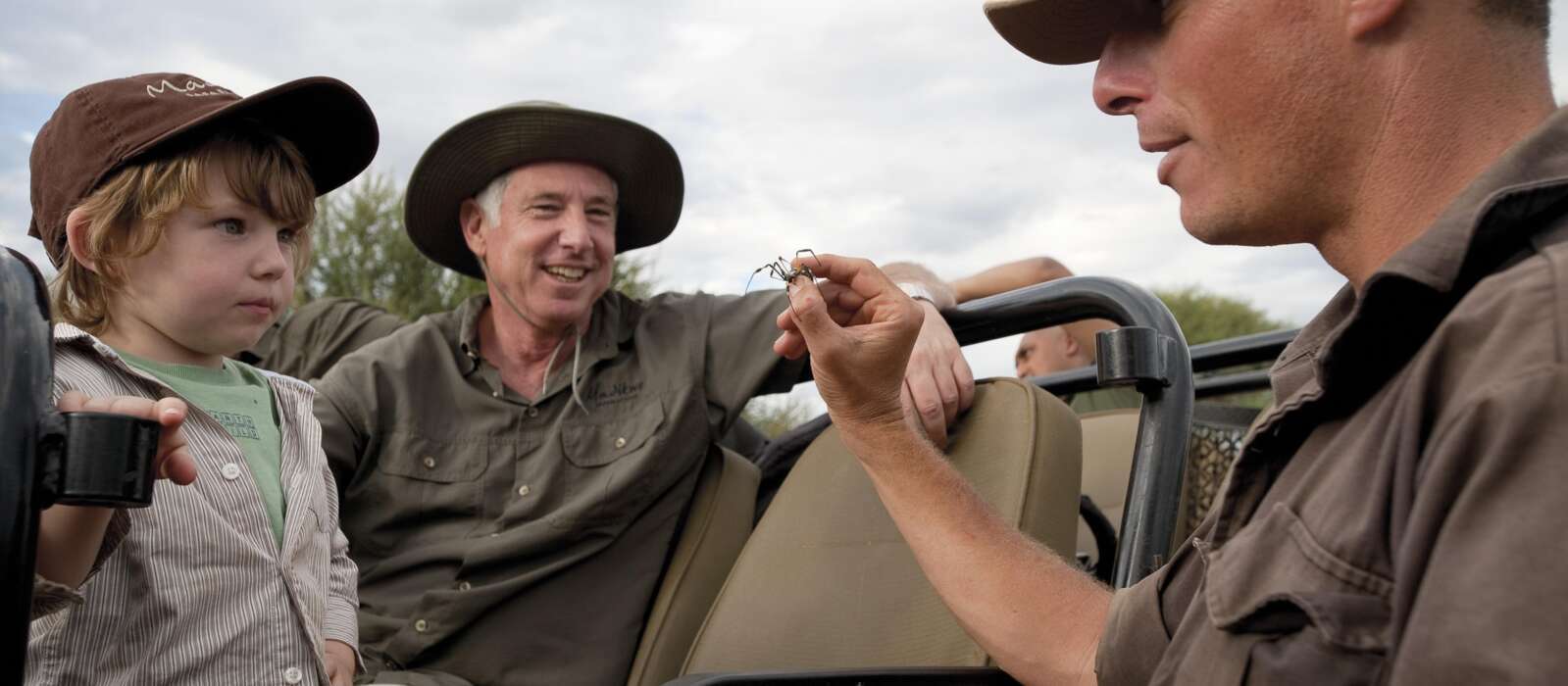
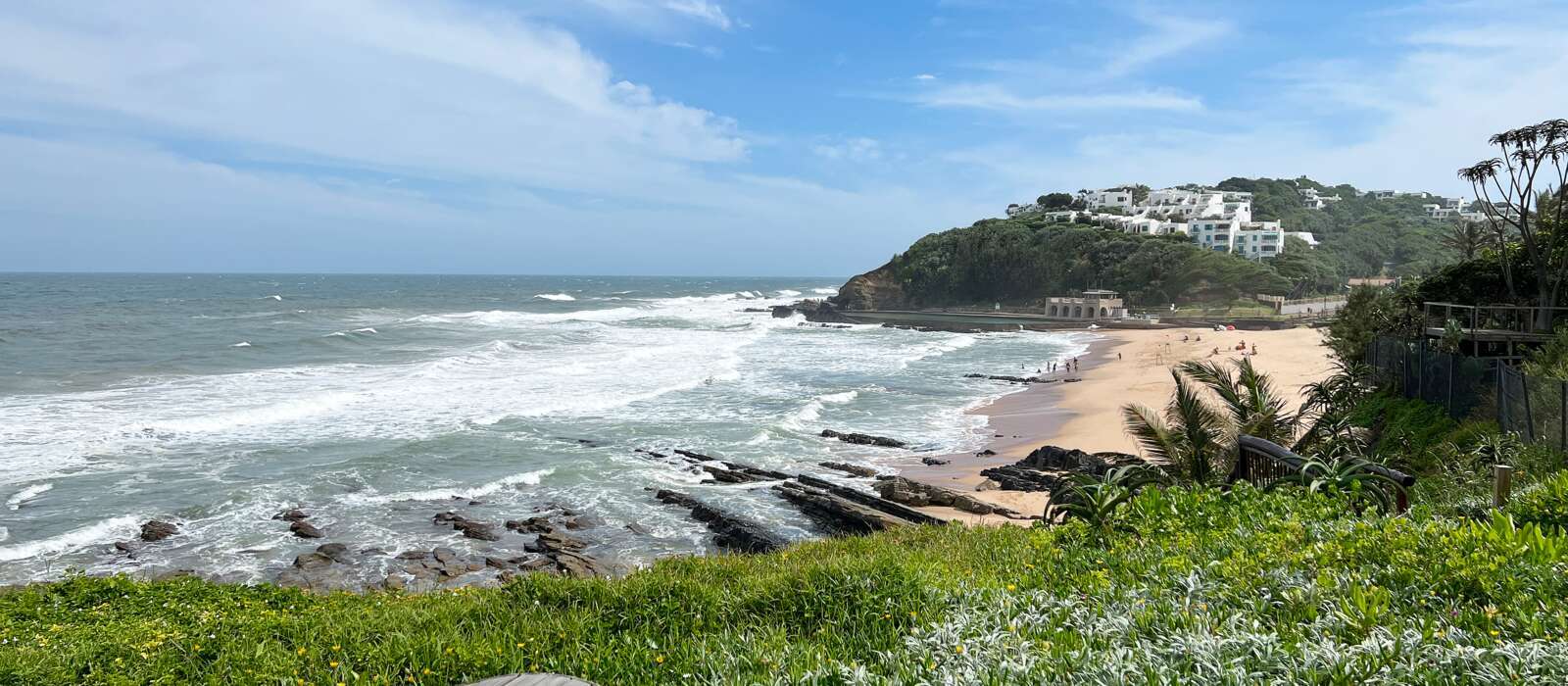
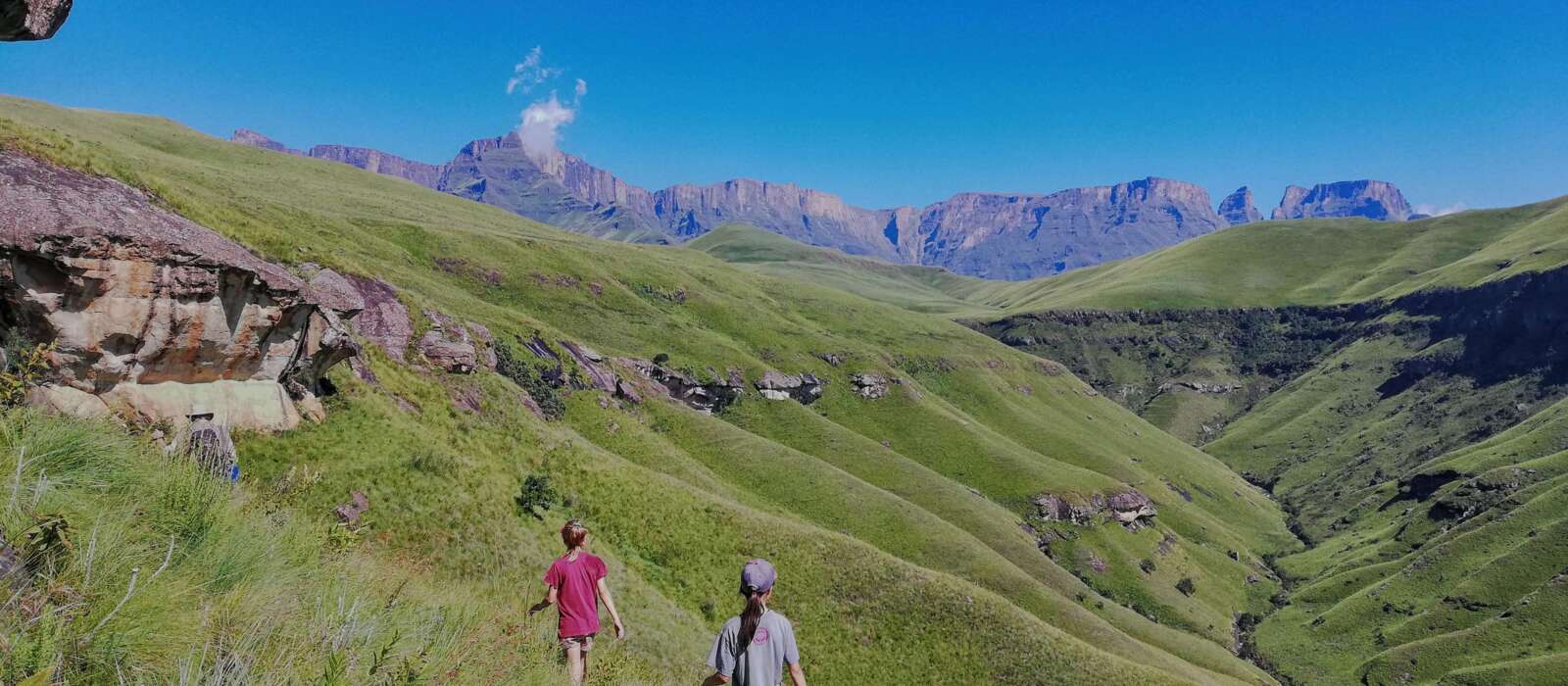
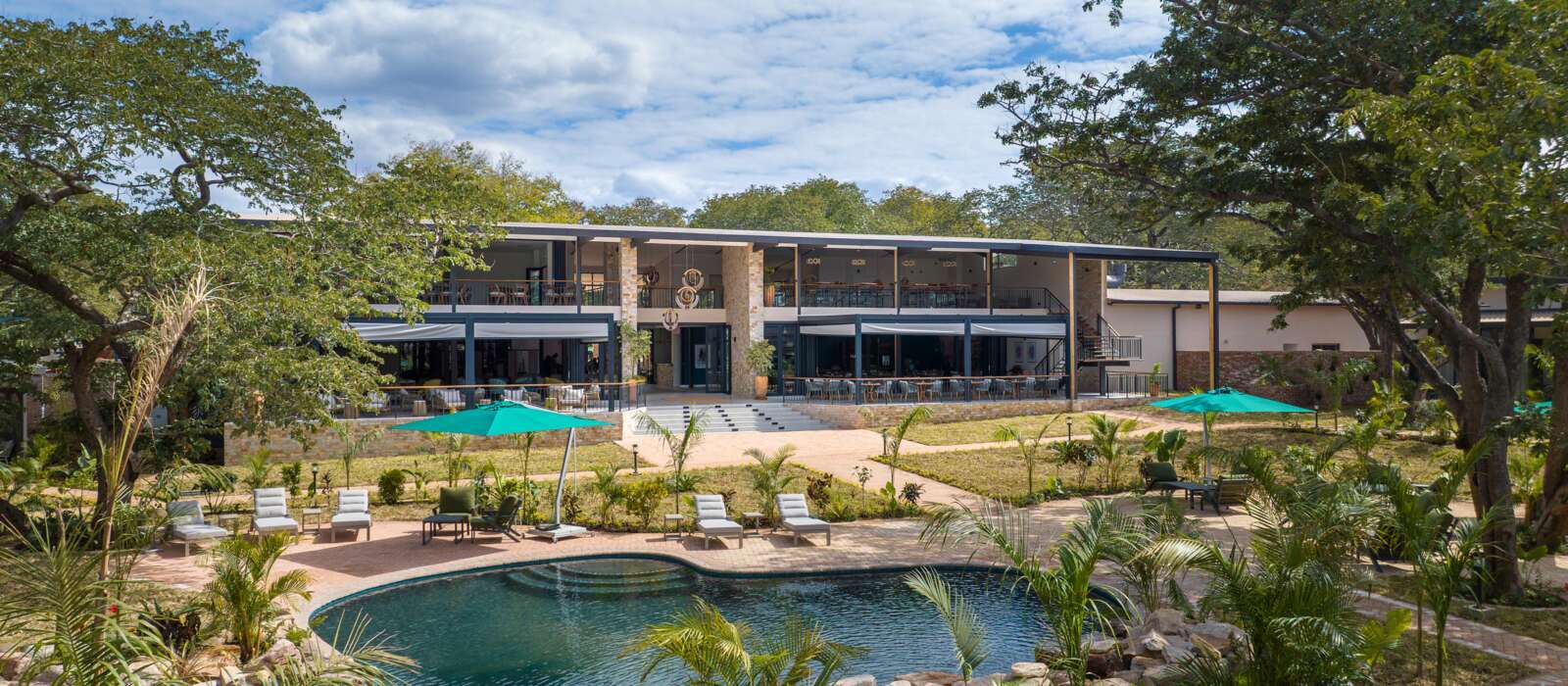
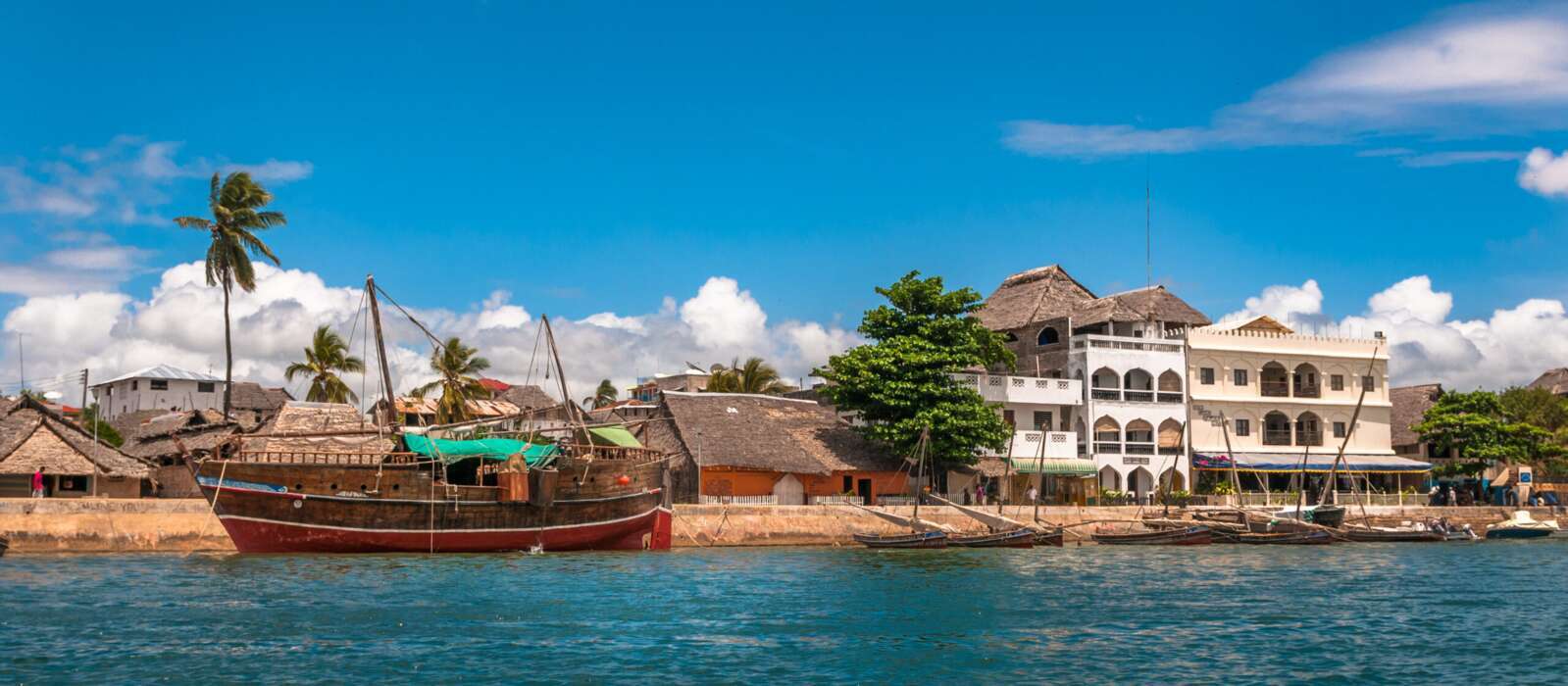
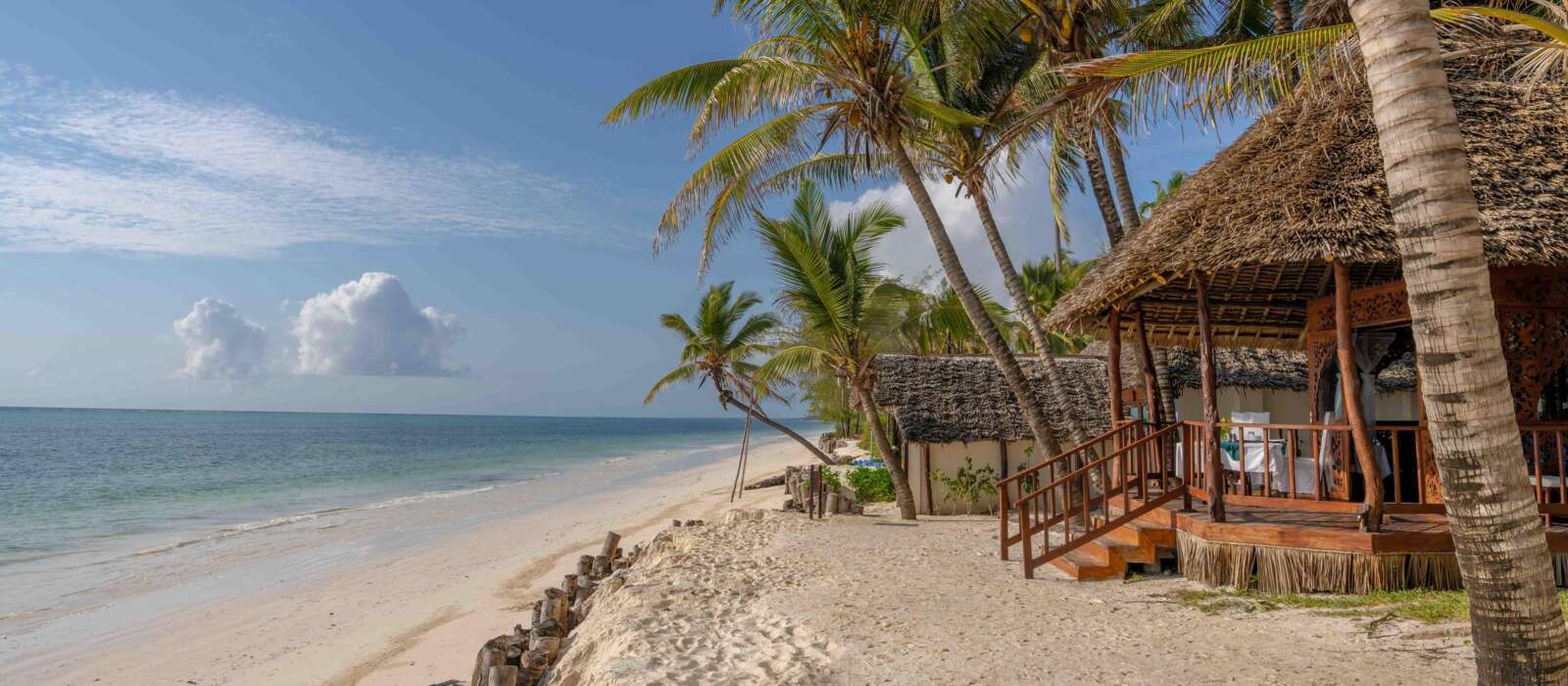

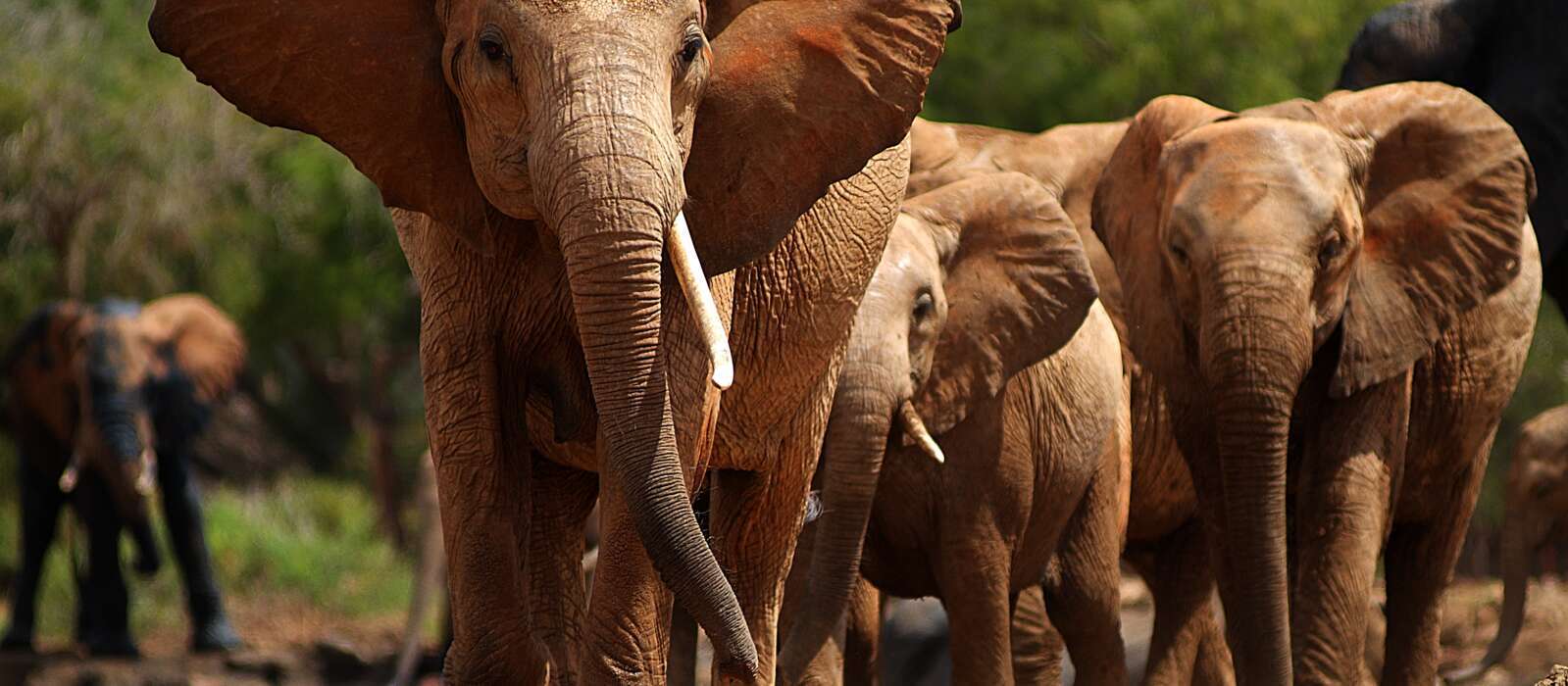
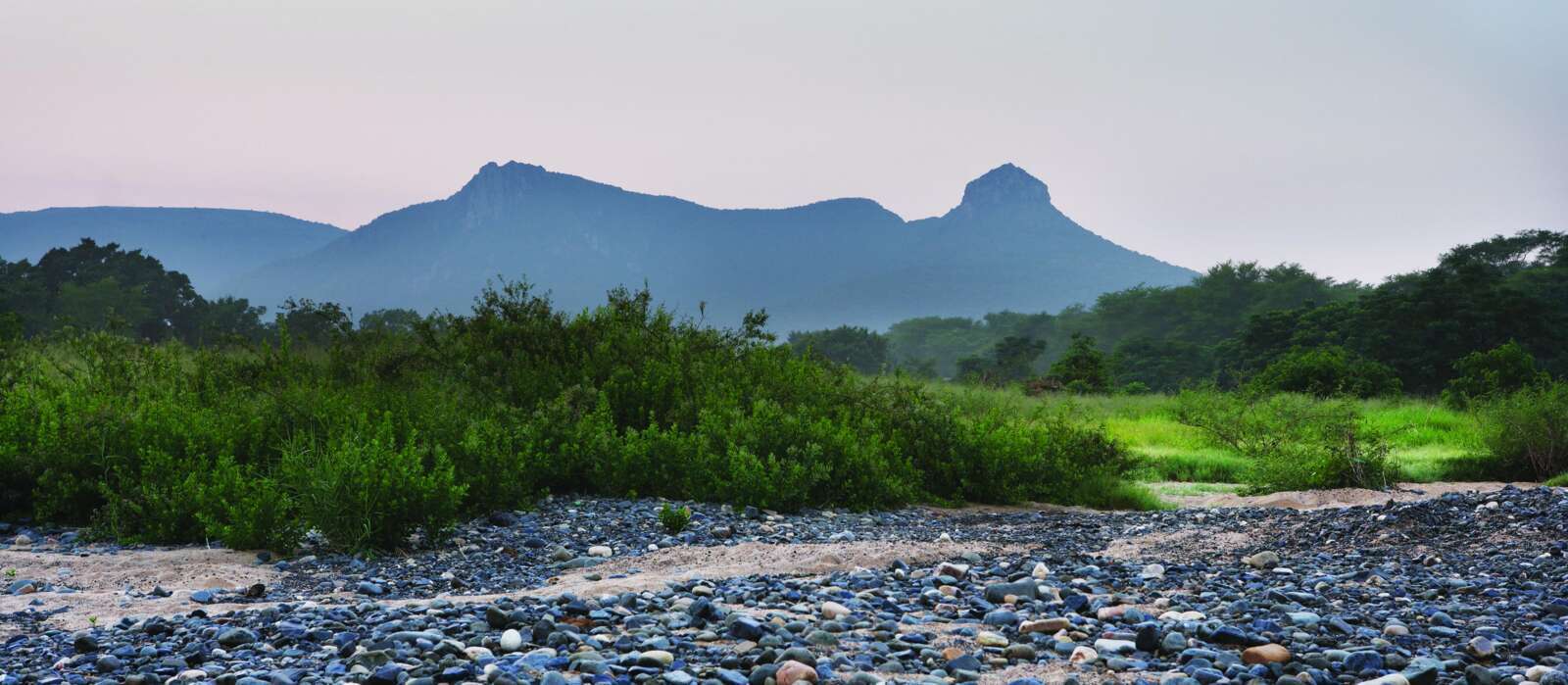
See Mother Nature’s stories come to life in iconic landscapes on an African safari
Our African safari holidays are divided into escorted small group safaris and independent tailor-made safaris – all you have to decide is how sociable or independent you want your holiday to be. On our escorted small group safaris you could take in the highlights of northern Tanzania, like the breathtaking Ngorongoro Crater and rolling plains of the Serengeti, or discover Kenya’s awe-inspiring lakes, mountains and iconic wildlife reserves in style. Our independent safaris are a suggestion to get you started; we can help tailor-make your own itinerary with different accommodation and suggest our the best excursions and extensions. How you get around is part of the experience too – our 4x4 safaris guarantee you a front-row seat to the action and our fly-in safaris give you dazzling bird’s-eye views of your destination.
Our recommended Africa safaris
-
-
Destination {{ destinationFilters.length }}
- Cape Town{{destinationCountWith('Cape Town')}}
- Nairobi{{destinationCountWith('Nairobi')}}
-
-
- Kuoni recommended
- Name (A-Z)
- Rating (High to Low)
- Rating (Low to High)
- Price (High to Low)
- Price (Low to High)
- {{ filter.text }}
- Clear all
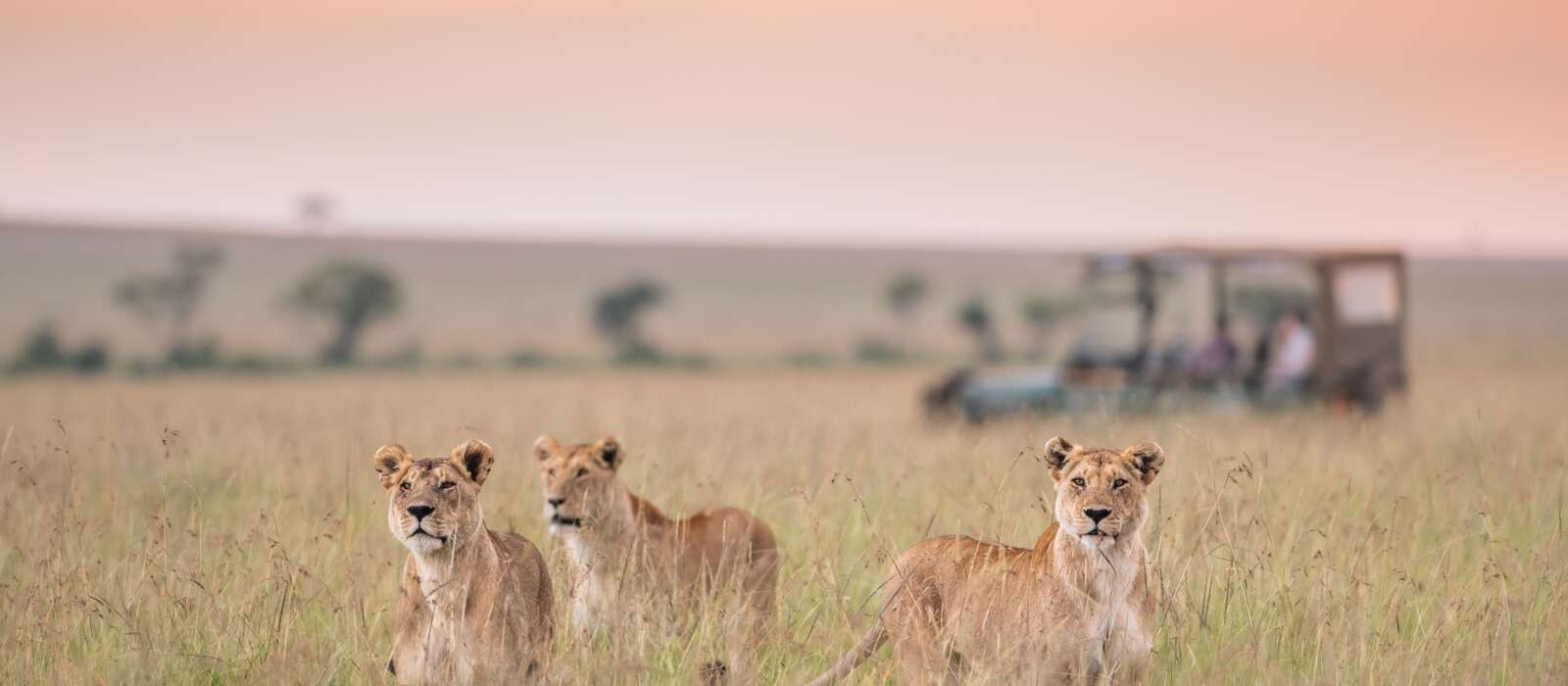
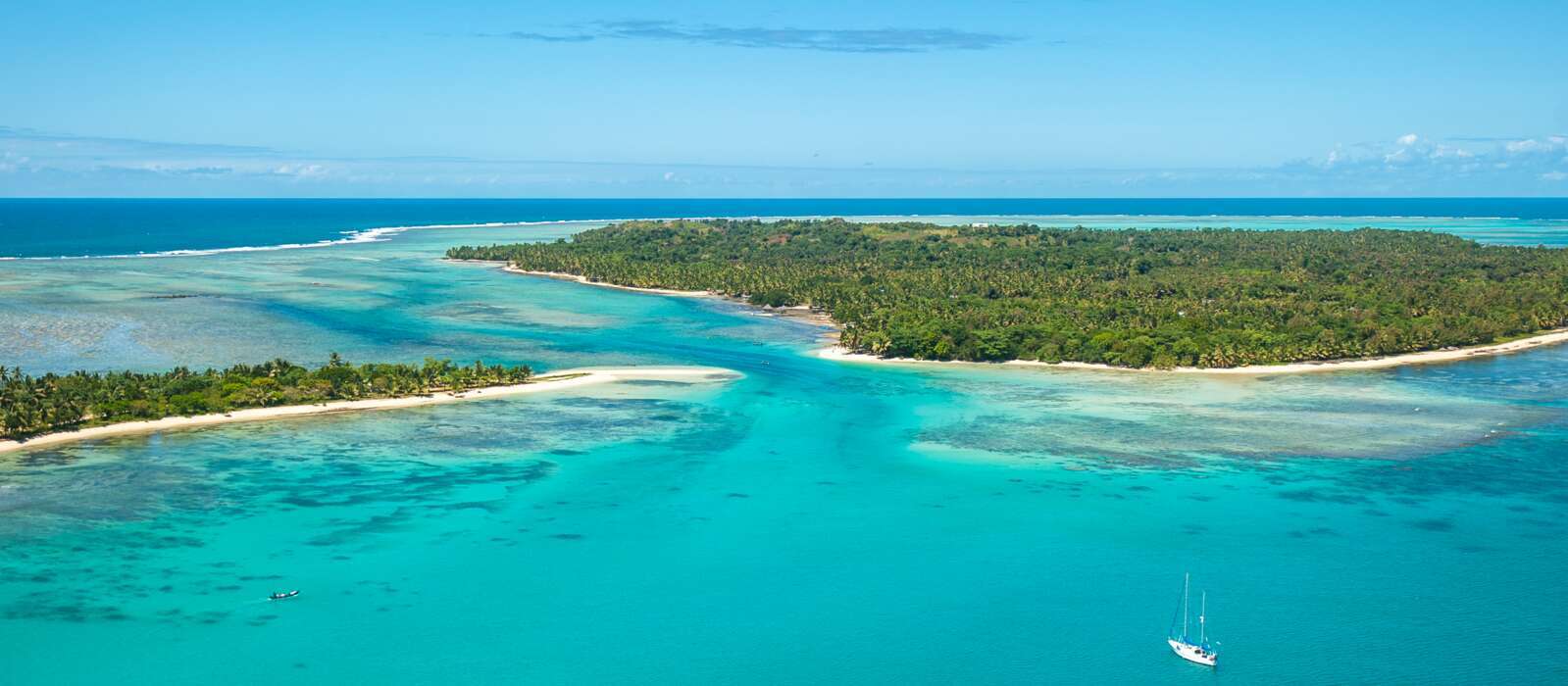
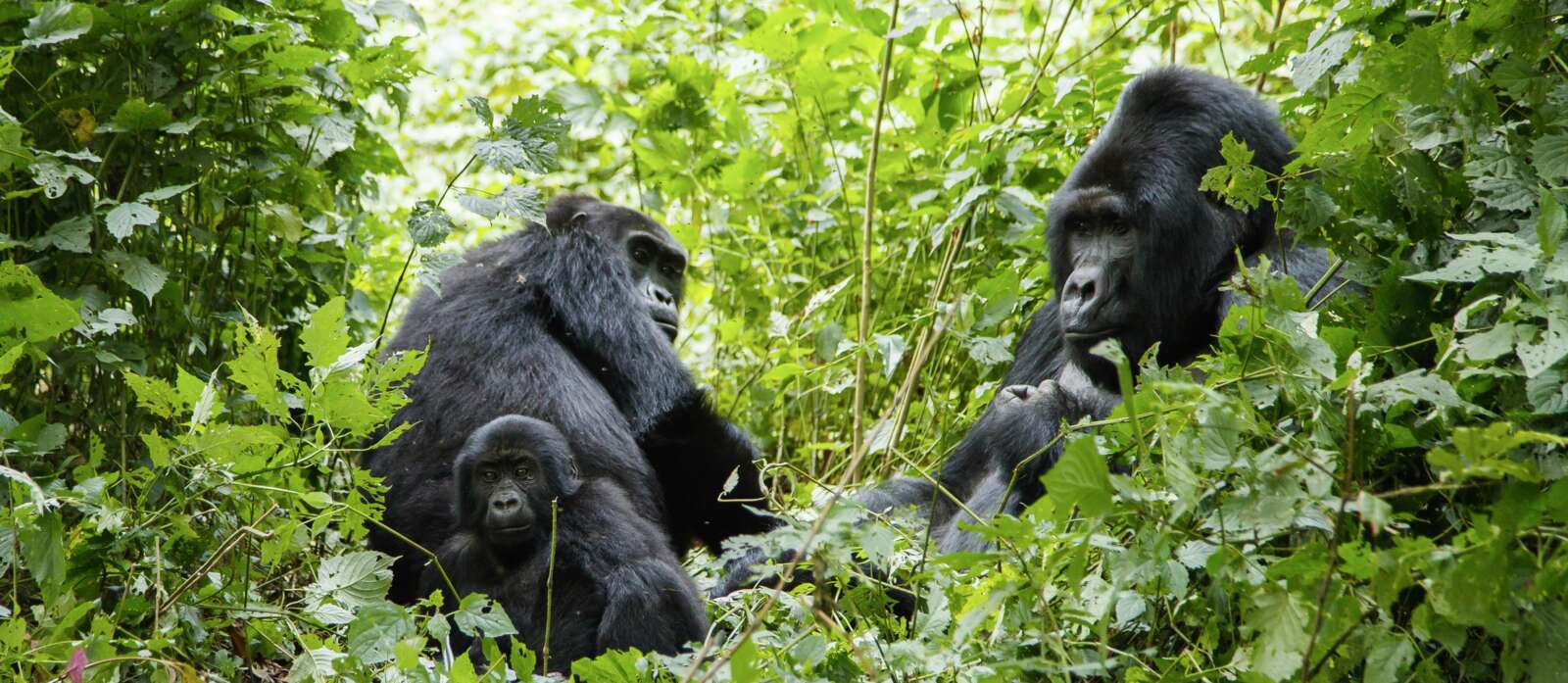
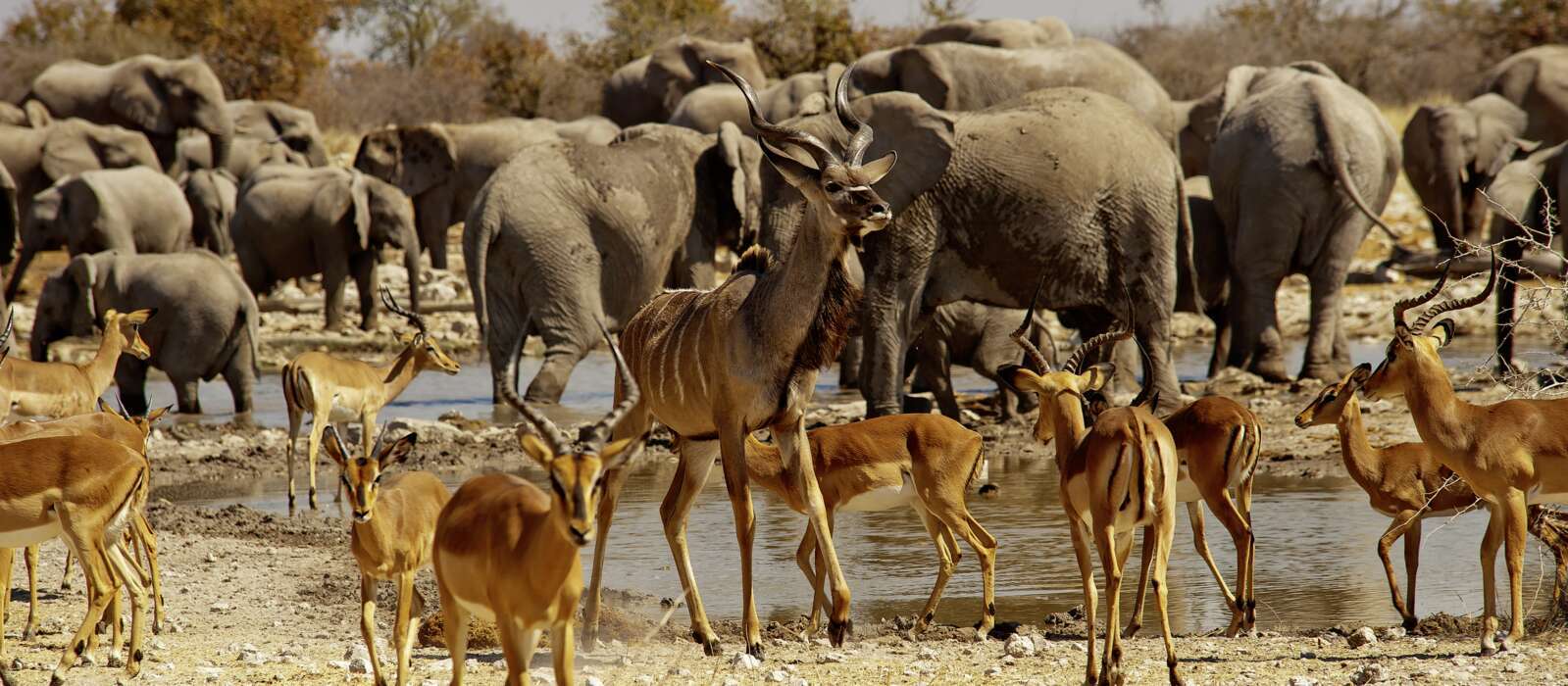
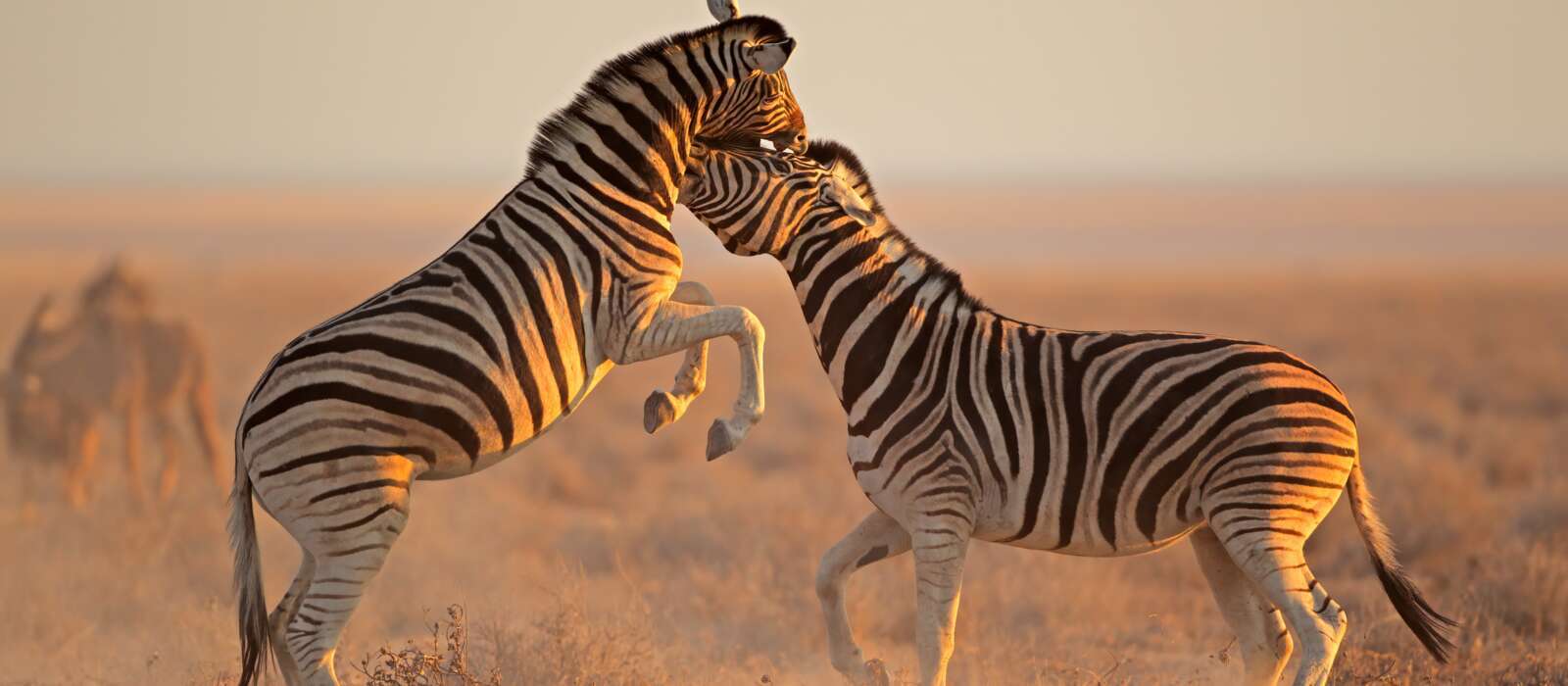
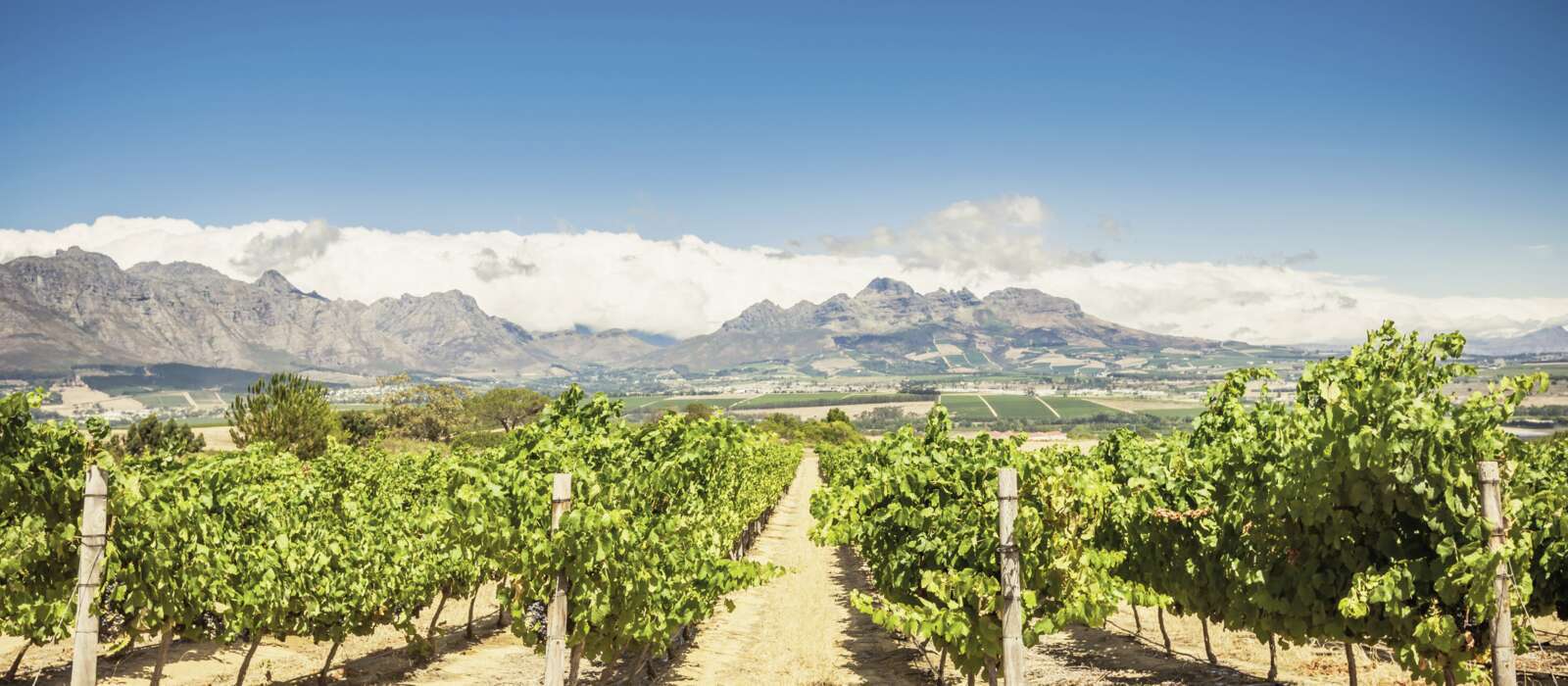
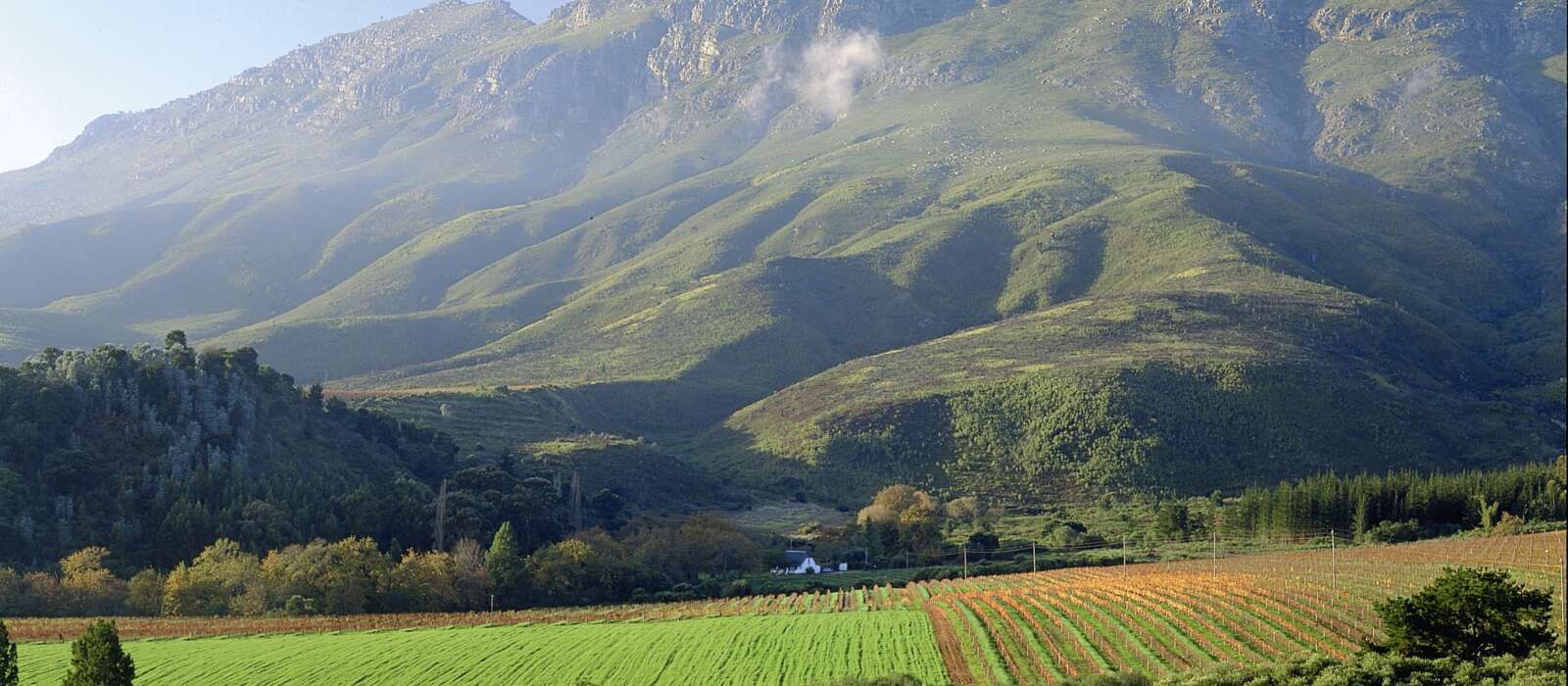
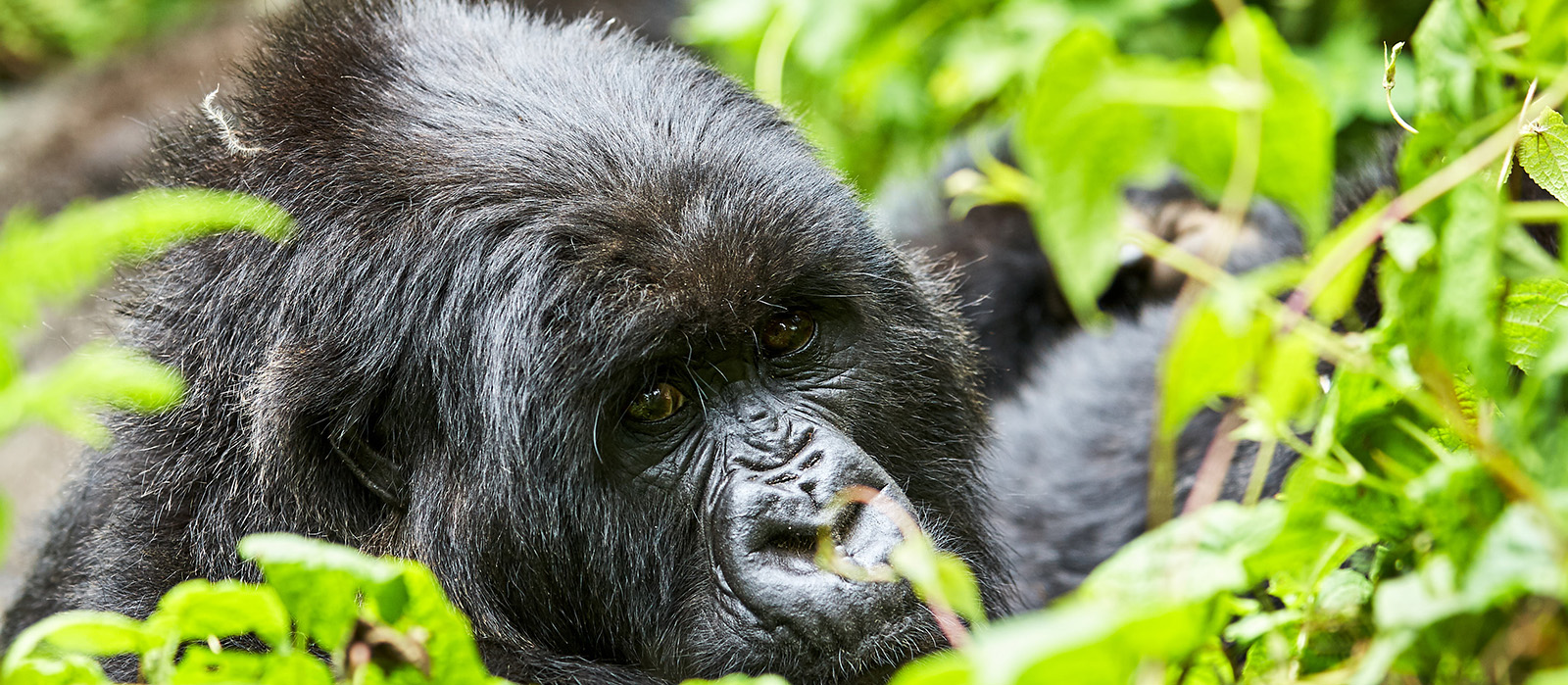
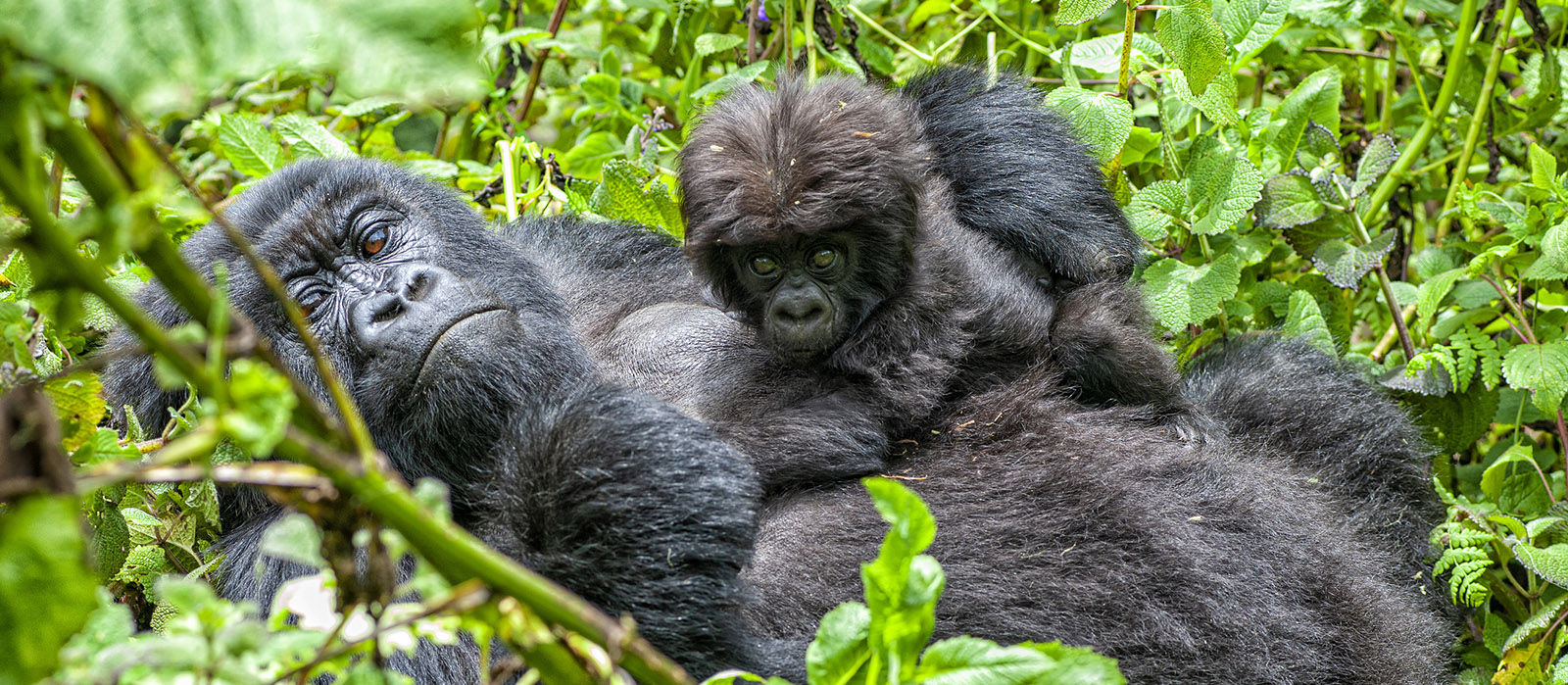
That first glimpse of a silverback gorilla, once-in-a-lifetime wilderness safaris and Cape Town ocean drives; our Africa tours take you through lunar-like landscapes and valleys made of vines
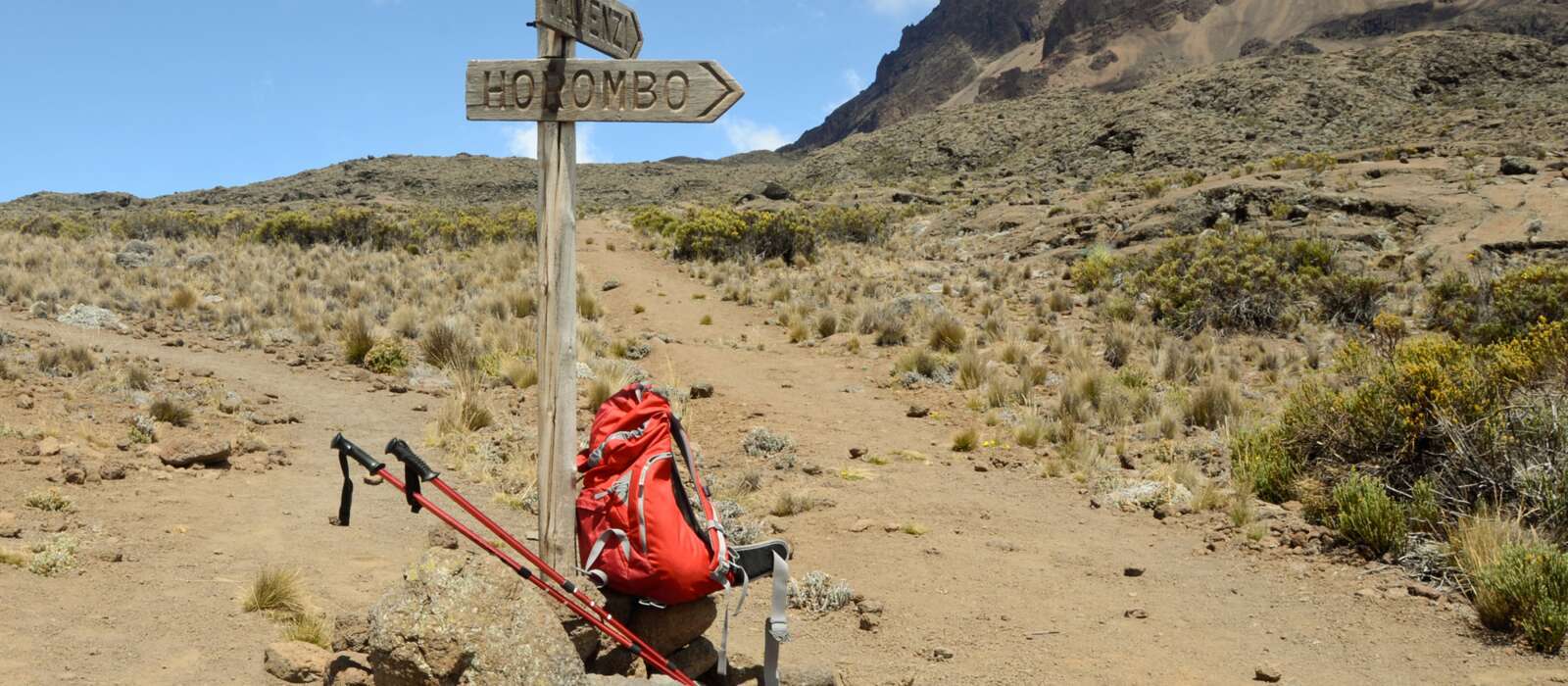
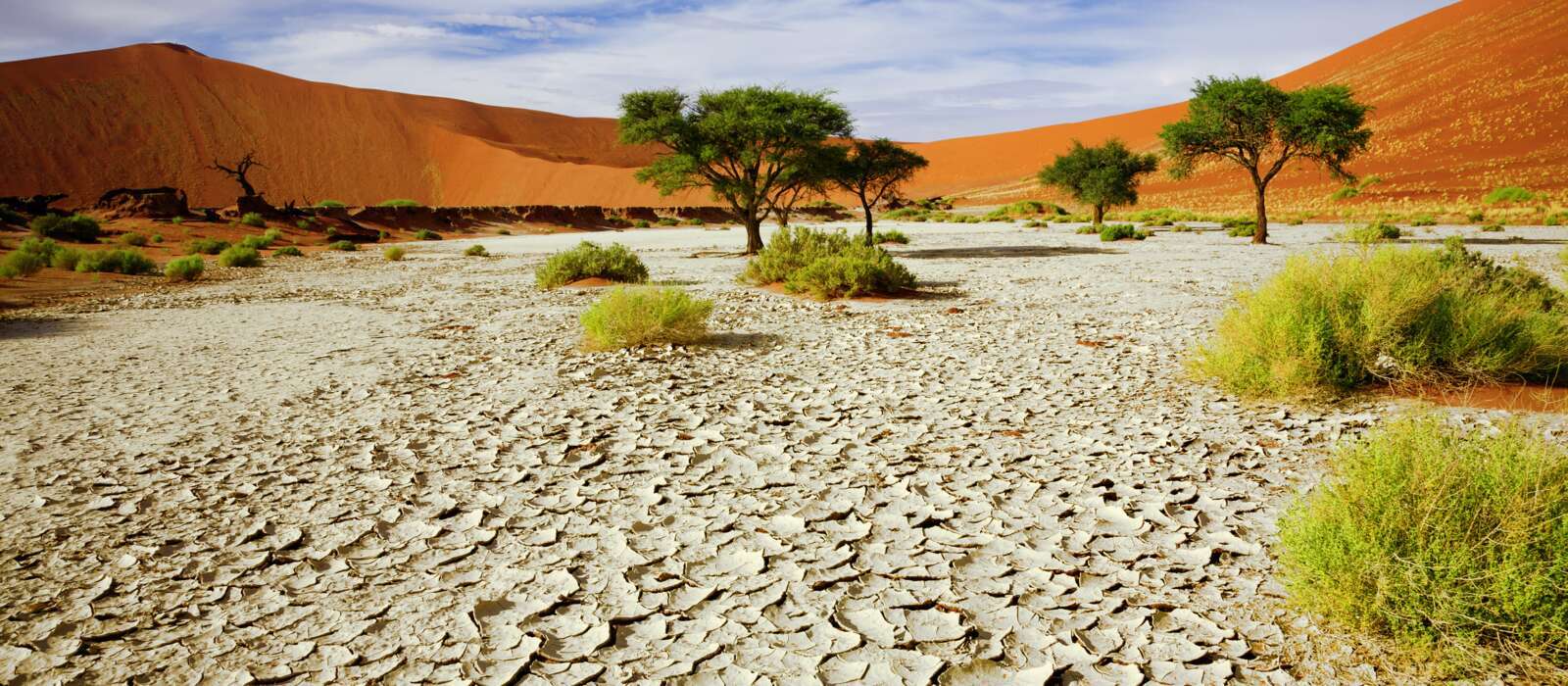
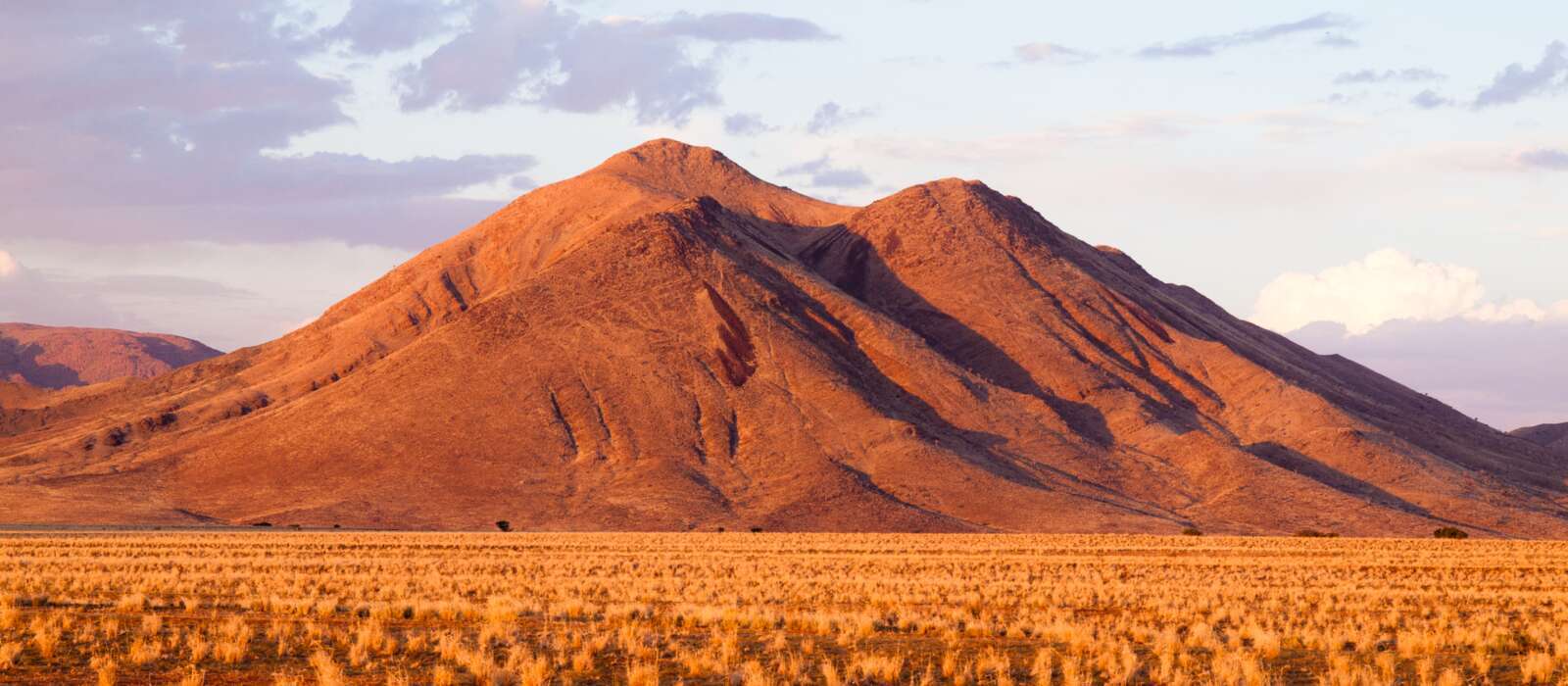
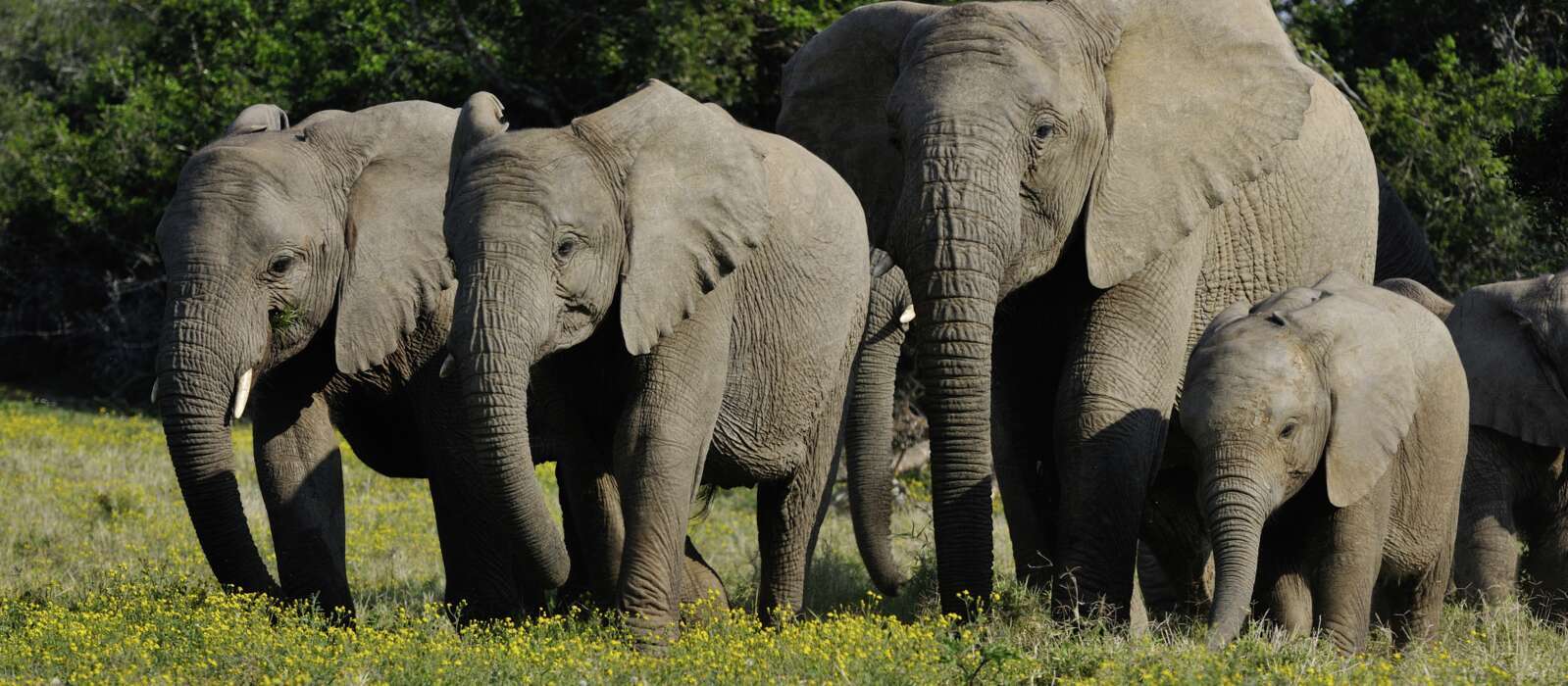
From small escorted tours crafted for first-time visitors to independent travel in out-of-this world Namib Desert, our Africa tours have been designed with both nature and culture in mind. Whether it’s big gaming viewing in renowned national parks, a Kilimanjaro climb to the ‘roof of Africa’ or an epic journey through Maasai Mara before landing on an Indian Ocean beach, Kuoni’s tailormade Africa tours are completely flexible allowing you to choose your accommodation, extend your journey and add on extra excursions.
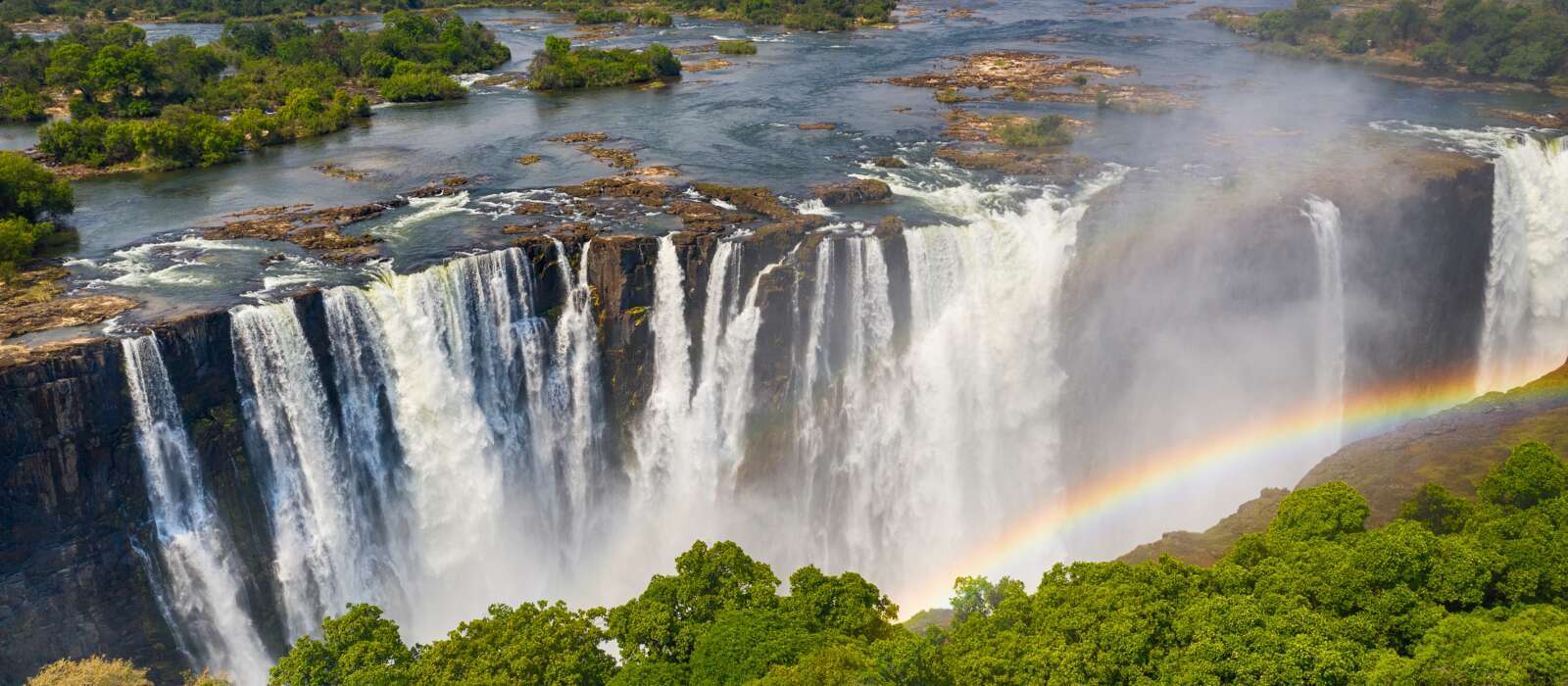
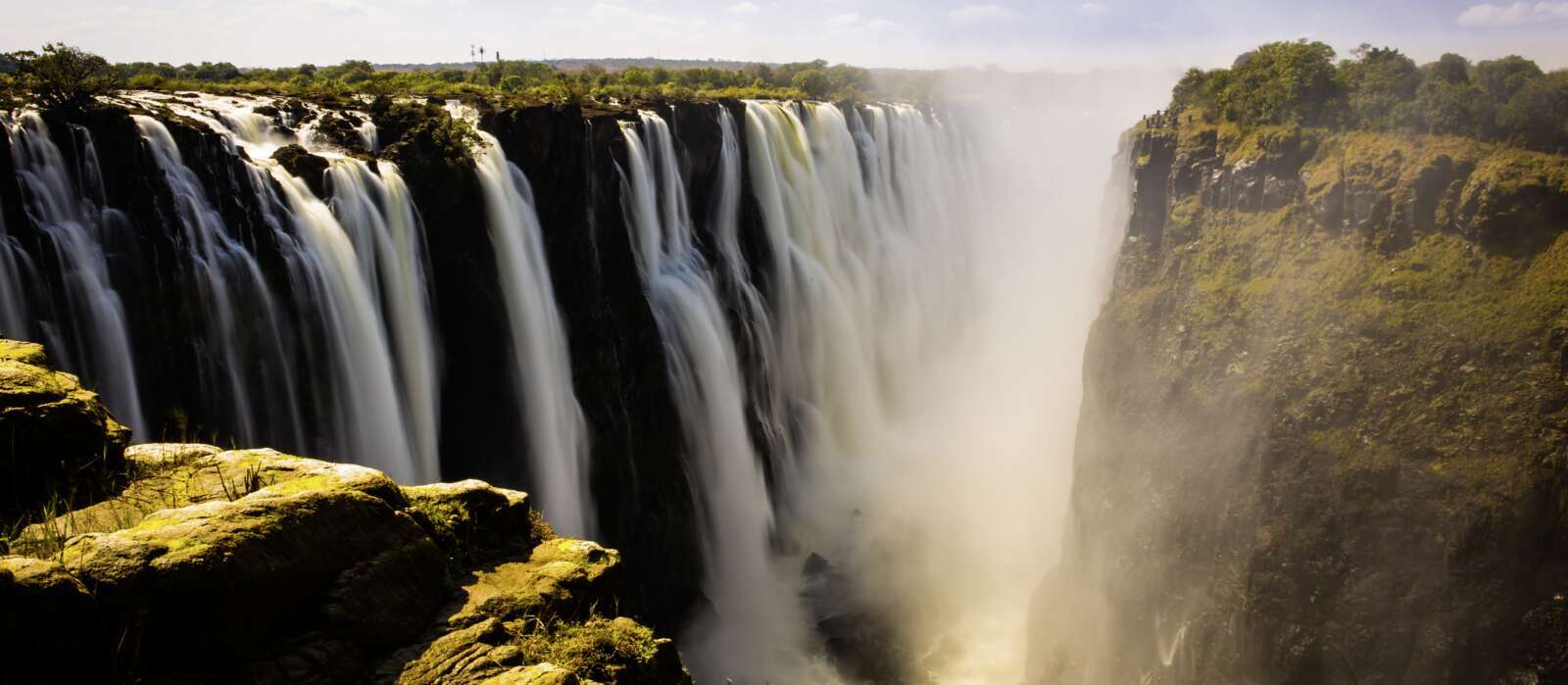
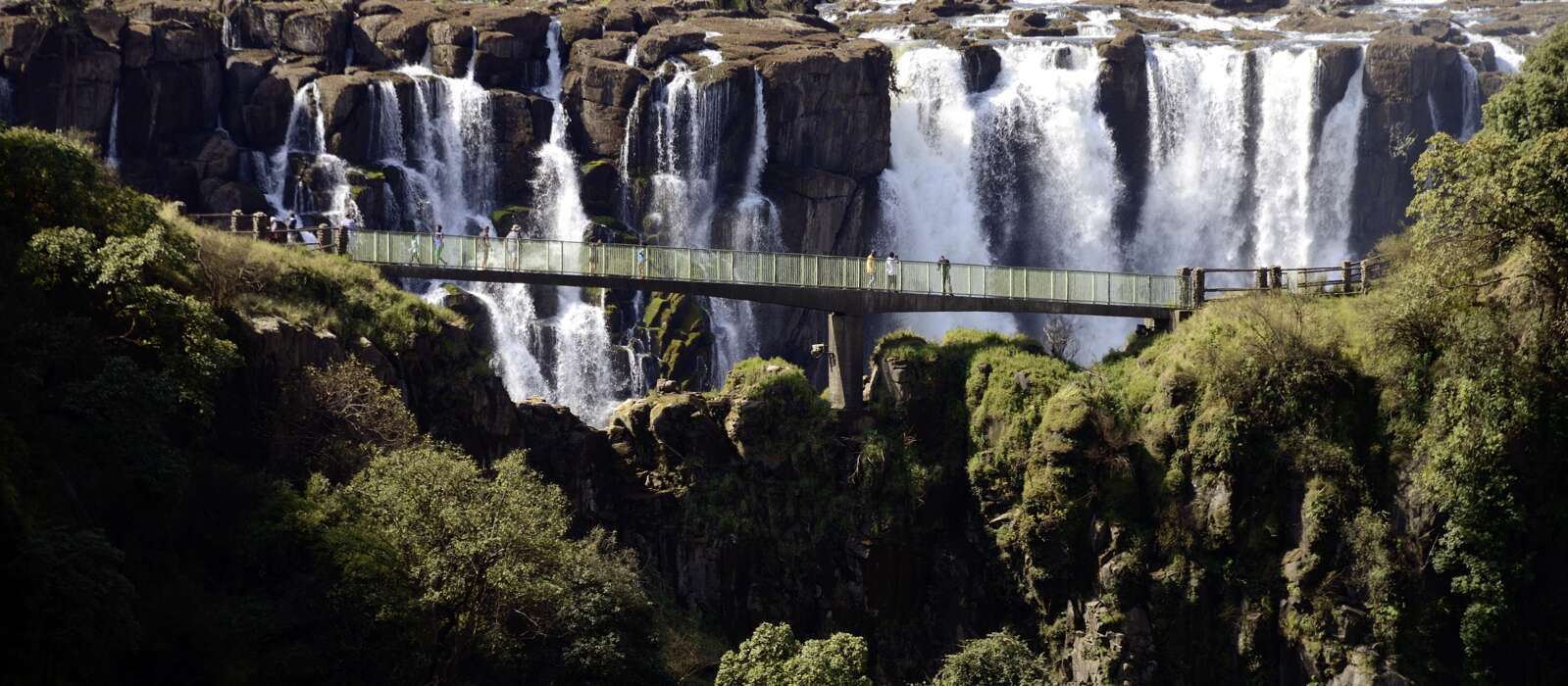
Experience luxurious railway travel on the iconic Blue Train or Rovos Rail, take to the skies on Champagne fly-in safaris and follow South Africa’s wonderful Garden Route on a self-drive itinerary through game reserves, floral kingdoms and Winelands. Search for chimps in Rwanda’s lush rainforest, dancing lemurs in Madagascar and see for yourself one of the wonders of the world – the majestic Victoria Falls.
Our recommended Africa tours
-
-
Destination {{ destinationFilters.length }}
- Arusha{{destinationCountWith('Arusha')}}
- Cape Town{{destinationCountWith('Cape Town')}}
- Damaraland{{destinationCountWith('Damaraland')}}
- Windhoek{{destinationCountWith('Windhoek')}}
- Zanzibar{{destinationCountWith('Zanzibar')}}
-
Holiday type {{ holidayTypeFilters.length }}
- Family{{holidayTypeCountWith('Family')}}
- Multi-centre{{holidayTypeCountWith('Multi-centre')}}
- Safari holidays{{holidayTypeCountWith('Safari holidays')}}
- Small group tours{{holidayTypeCountWith('Small group tours')}}
-
-
- Kuoni recommended
- Name (A-Z)
- Rating (High to Low)
- Rating (Low to High)
- Price (High to Low)
- Price (Low to High)
- {{ filter.text }}
- Clear all
-
-
Departure date {{ departureMonthsFilters.length }}
- May{{monthsCountWith('May')}}
- June{{monthsCountWith('June')}}
- September{{monthsCountWith('September')}}
- October{{monthsCountWith('October')}}
- November{{monthsCountWith('November')}}
- December{{monthsCountWith('December')}}
-
Rating {{ ratingFilters.length }}
- 4 Stars{{ratingsCountWith('4 Stars')}}
- 5 Stars{{ratingsCountWith('5 Stars')}}
-
Holiday type {{ holidayTypeFilters.length }}
- Beach{{holidayTypeCountWith('Beach')}}
- For Families{{holidayTypeCountWith('For Families')}}
- Multi-Centre{{holidayTypeCountWith('Multi-Centre')}}
- Safari{{holidayTypeCountWith('Safari')}}
- Tour{{holidayTypeCountWith('Tour')}}
- {{ filter.text }}
- Clear all


_w=24_h=25.png?v=69c1199efa1862cd3f054ef2c47374b9c7304ce2)
_w=24_h=25.png?v=69c1199efa1862cd3f054ef2c47374b9c7304ce2)
_w=24_h=25.png?v=69c1199efa1862cd3f054ef2c47374b9c7304ce2)
Talk to an expert today
Your dream holiday is just a phone call away
Call us on 0800 294 9706


Monday: 10am - 5pm
Tuesday: 10am - 5pm
Wednesday: 10am - 5pm
Thursday: 10am - 5pm
Friday: 10am - 5pm
Saturday: 10am - 5pm
Sunday: Closed