- 0800 092 4444
- Search
- My Kuoni


Explore destinations
_w=83_h=42.webp?v=931108ac3c61e45b9dc1b2284a500ac70c03b561)
Tailor-made holidays and safaris full of extraordinary experiences and the same personal service you'd expect from Kuoni.
All Africa destinations
All Asia destinations
_w=161_h=19.webp?v=931108ac3c61e45b9dc1b2284a500ac70c03b561)
Visit your local store or make an appointment to get face-to-face advice from our friendly team.
- Holiday type
- Brochures
- Collections
- Articles
- Time of year


Speak to one of our experts now about this offer
Call us on - 0800 092 4444
Or drop into your local Kuoni store to find out more
 Find your nearest store
Speak to one of our experts now about this offer
Call us on - 0800 294 9710
Or drop into your local Kuoni store to find out more
Find your nearest store
Speak to one of our experts now about this offer
Call us on - 0800 294 9728
Or drop into your local Kuoni store to find out more
Find your nearest store
Maldives Holidays

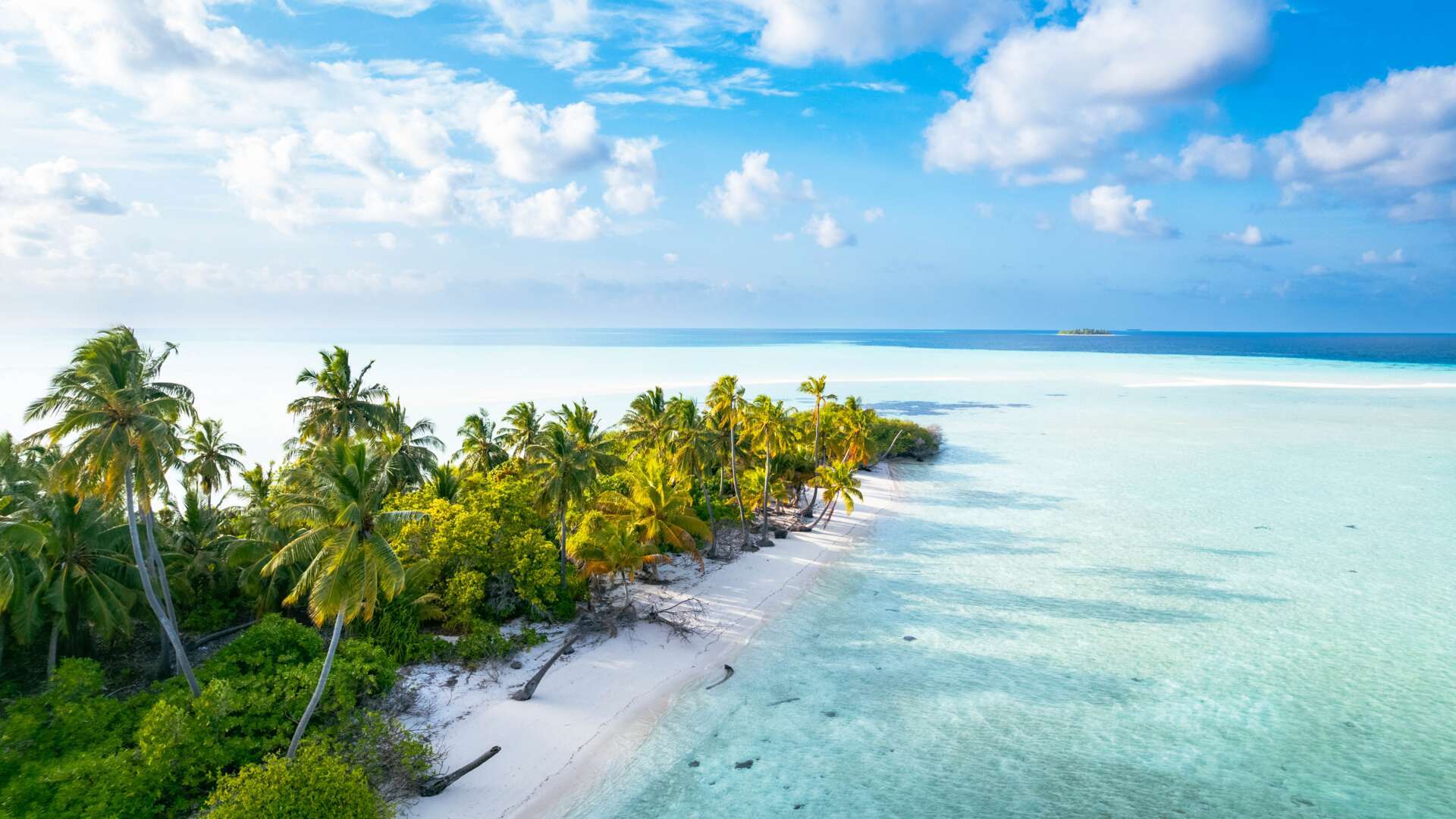
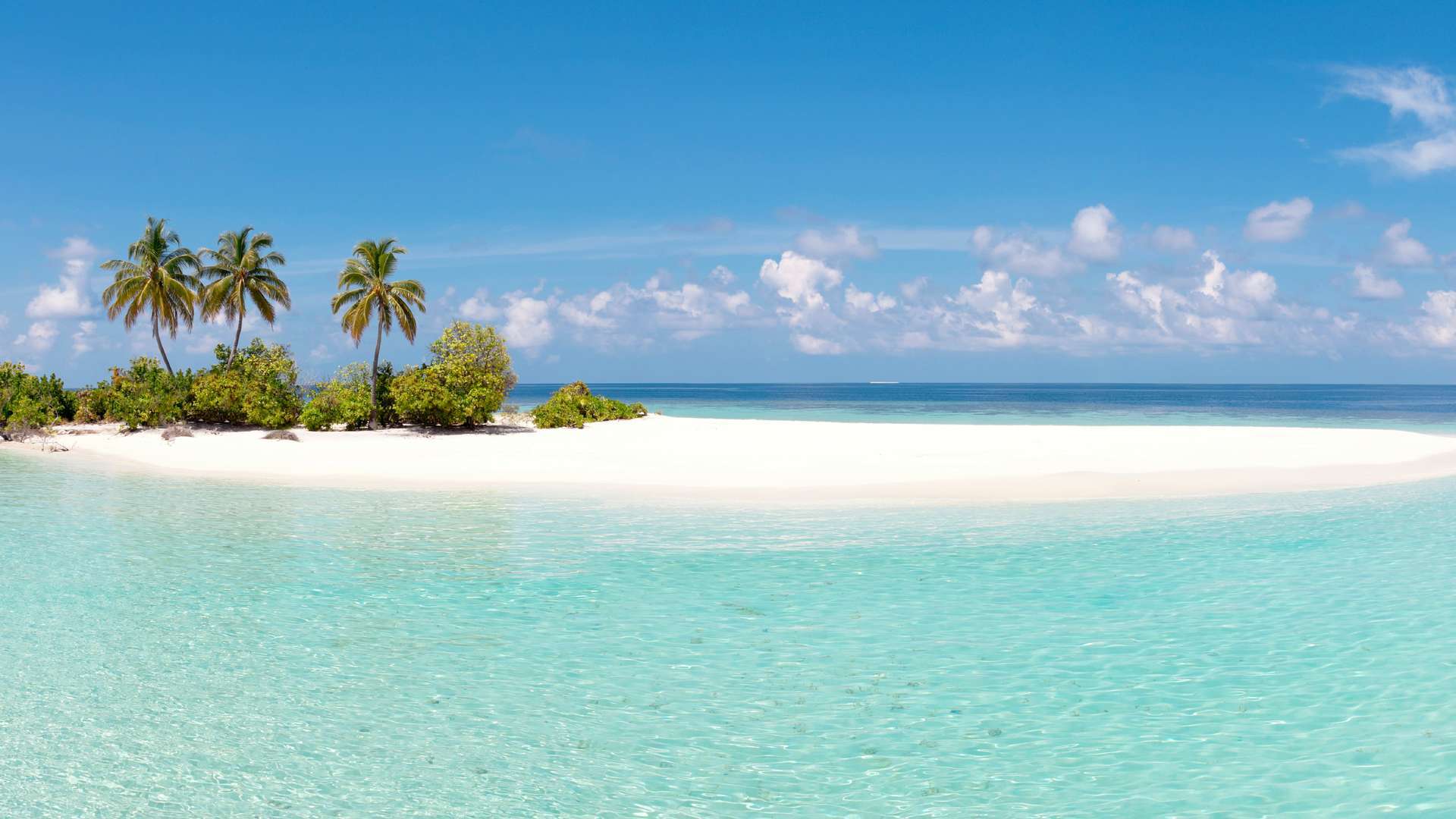
Imagine private white-sand islands fringed by crystal blue waters… the Maldives is the ultimate luxury island escape.
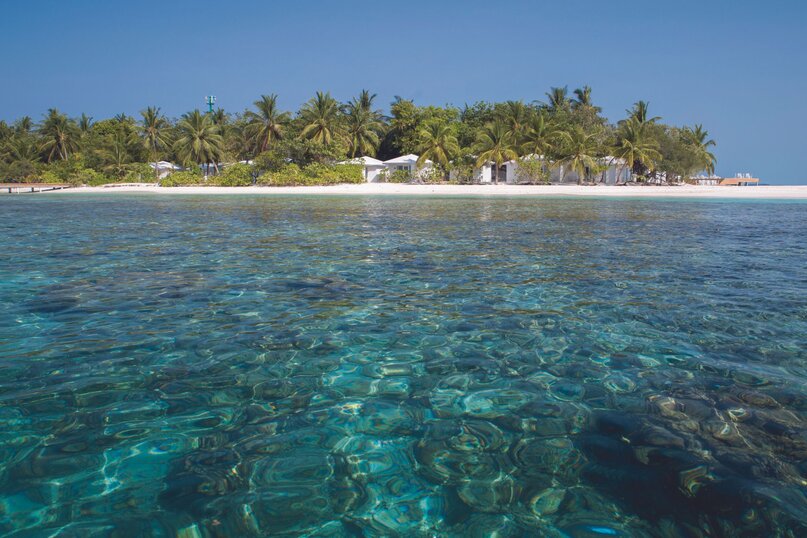
The speedboat slows and it comes into sight. A tiny speck of an island surrounded by a turquoise lagoon and the whitest sand you've ever seen. It’s better than the pictures – the Maldives is where colour comes to life. We can tell you this first-hand, because we’re the original Maldives experts and have been creating luxury Maldives holidays for almost 50 years.
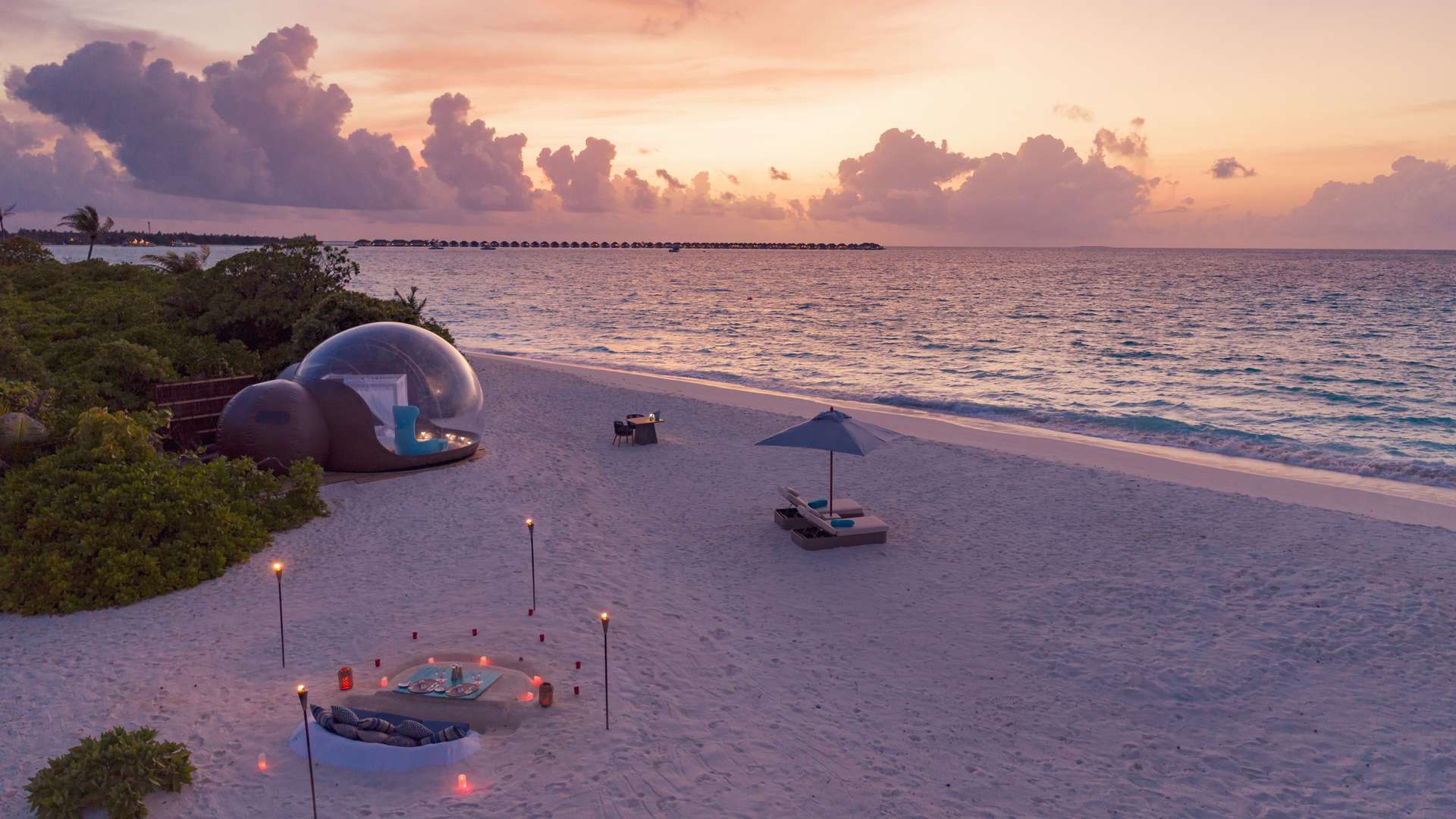
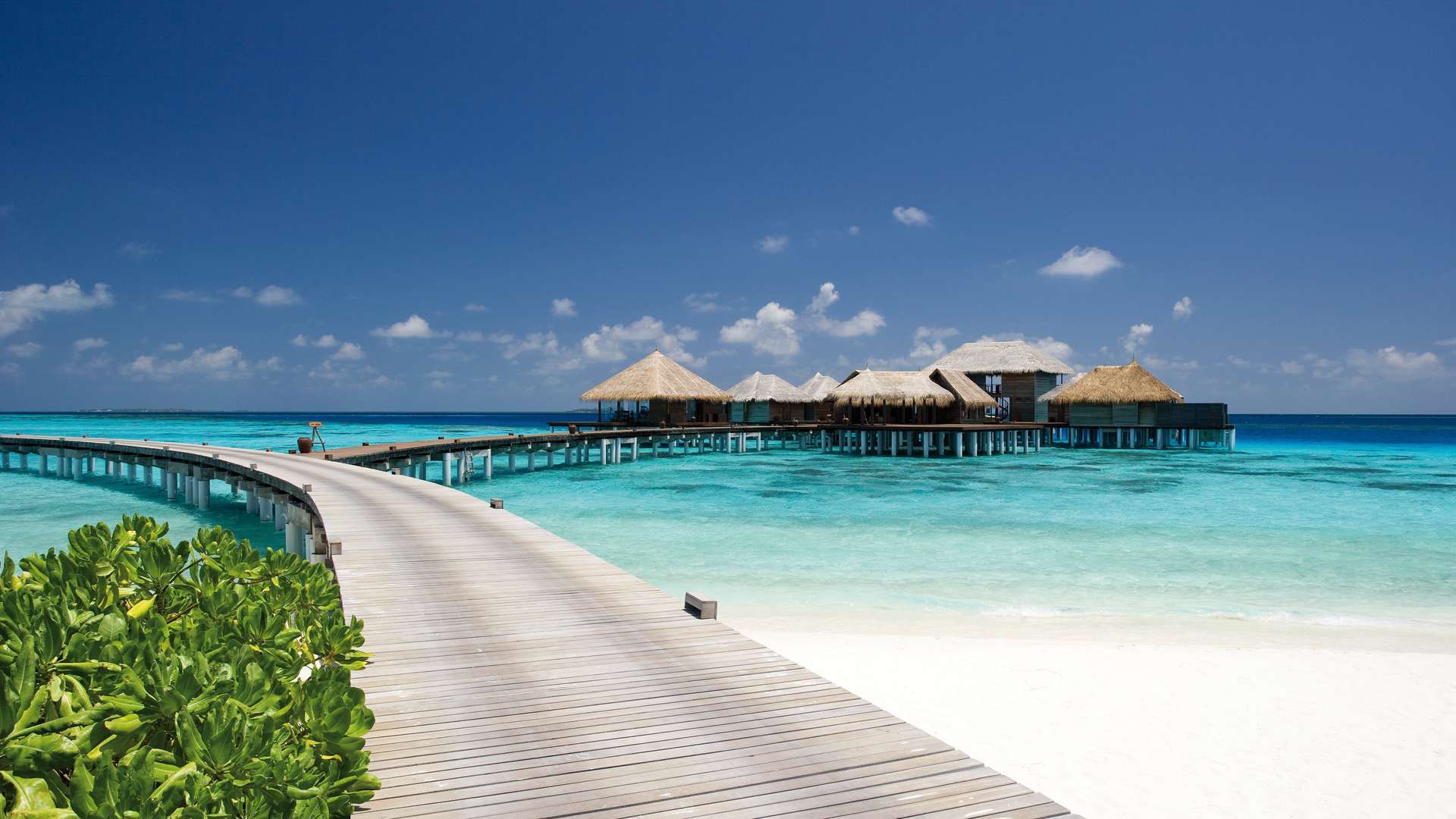
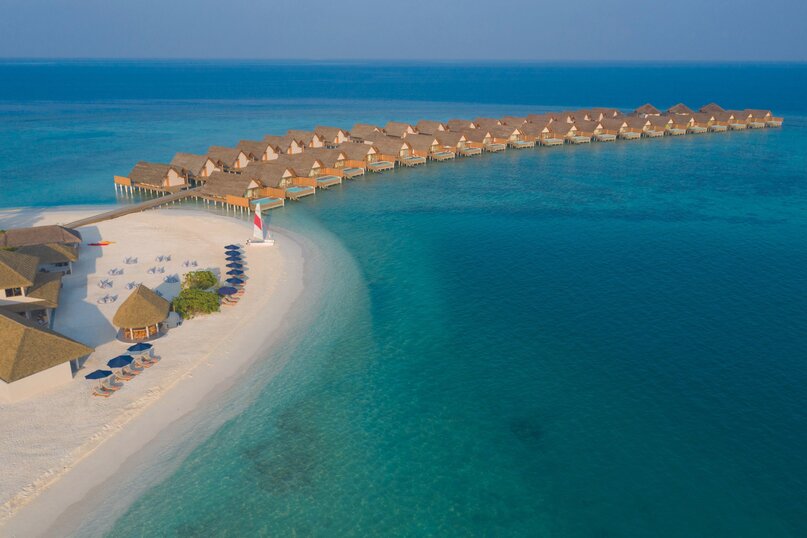
There’s a reason why this is our most popular destination. Expect to lose all sense of time and what’s going on elsewhere as you sink into your overwater villa’s private pool or step straight on to the sand from the terrace of your beach villa. Here, working your way through the hand-crafted cocktail list is as strenuous as it gets. Need more? How about venturing beneath the ocean’s surface to glide alongside turtles and whale sharks; sipping Champagne on a luxury cruise as the sun sets; or escaping to an uninhabited island, Robinson Crusoe-style, for an unforgettable evening-for-two under the stars.
We can tell you where you'll find the best house reefs, the sleekest water villas and the best-value all-inclusive options. From rustic beach escapes to ultra-luxury private pool retreats, we’ve hand-picked the best and each of our chosen resorts sits on its own private island.
Read more
_w=682_h=908_pjpg.jpg?v=931108ac3c61e45b9dc1b2284a500ac70c03b561)

Maldives - Perfect for
-

Robinson Crusoe islands
Each of our handpicked resorts is on its own private white-sand island but they all have their own unique atmosphere.
-
It’s honeymoon heaven
There’s a reason why the Maldives ranks highly on honeymoon wish lists: these picture-perfect islands are a real-life desert-island fantasy.
-
Kid-friendly Maldives
Although it's not always the obvious choice for families, the Maldives is a natural playground and a number of resorts offer kids’ clubs and family villas.
-
Hand-picked resorts
Of the 100-plus resort islands in the Maldives, we’ve handpicked our favourites - there's always an island to suit you.
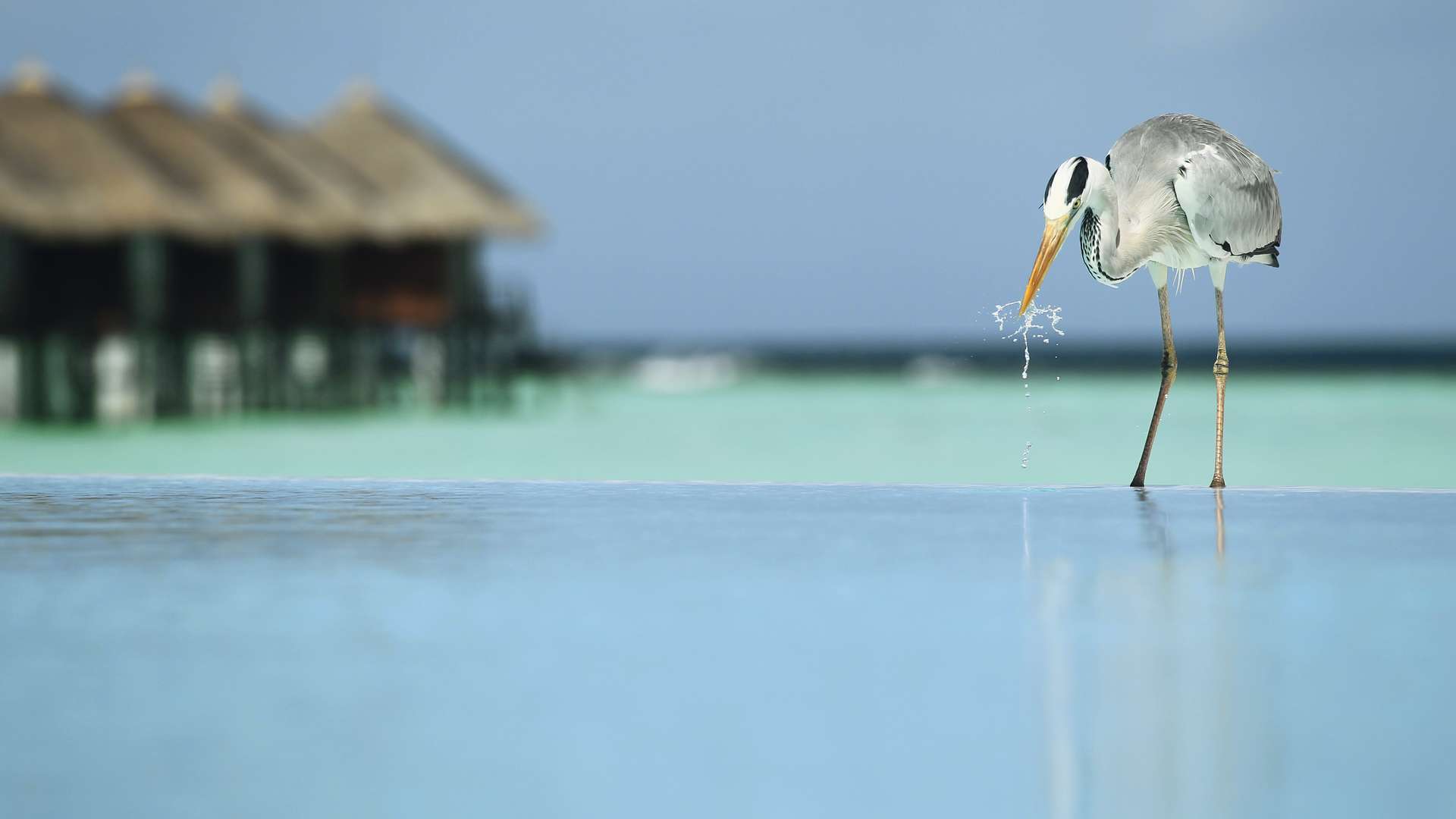
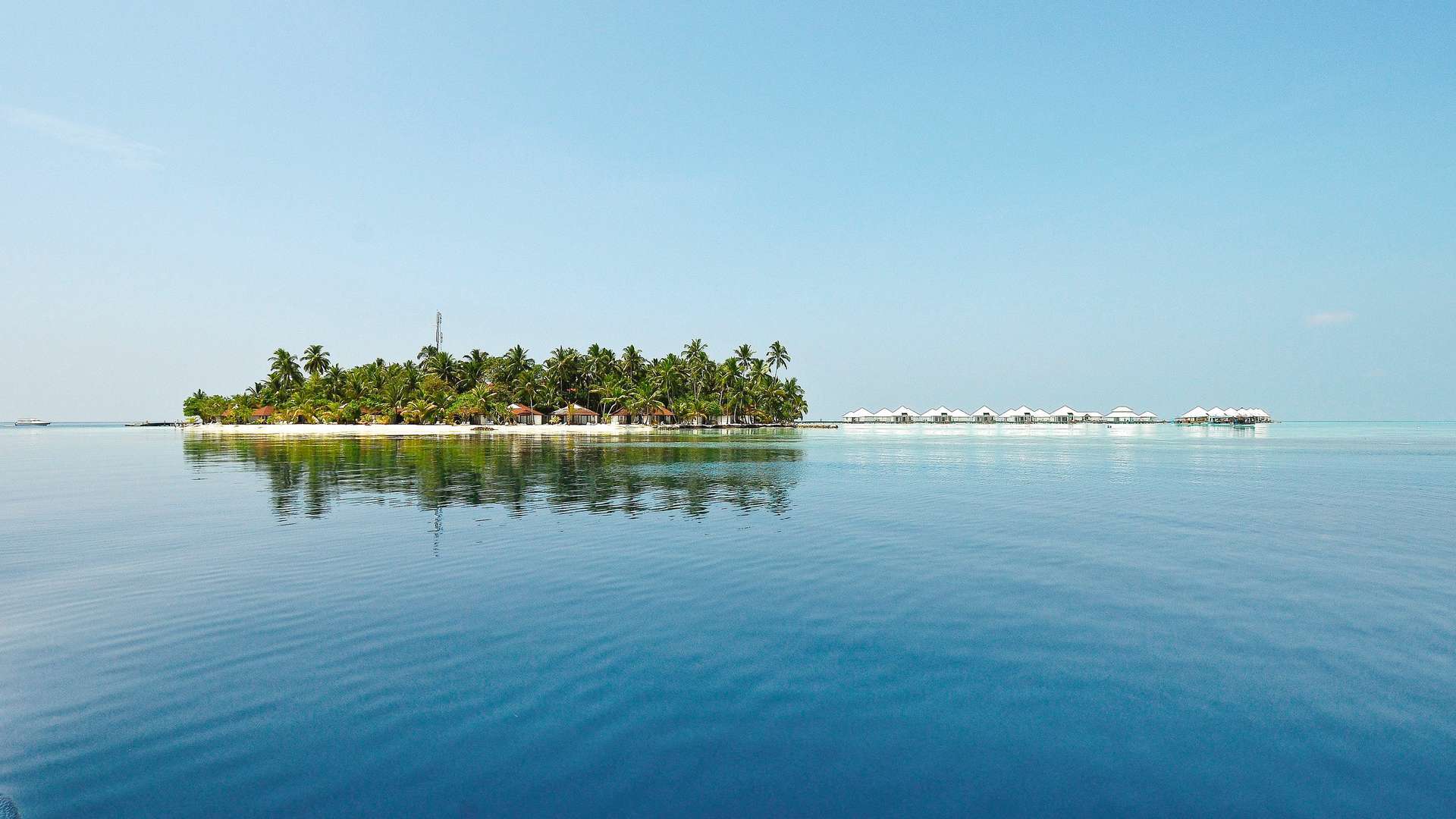
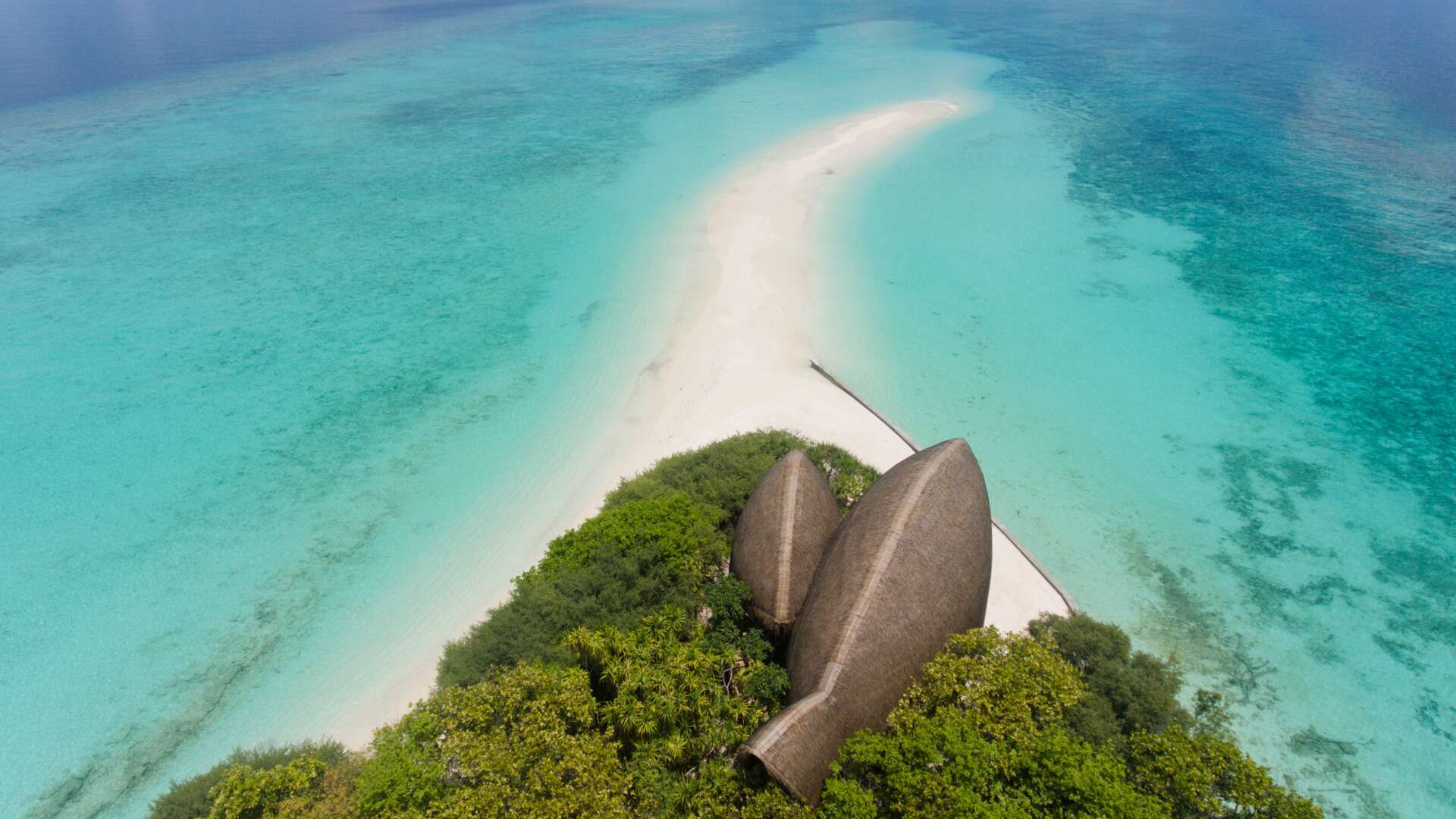
Maldives Hotels
Our recommendations for the best places to stay in Maldives
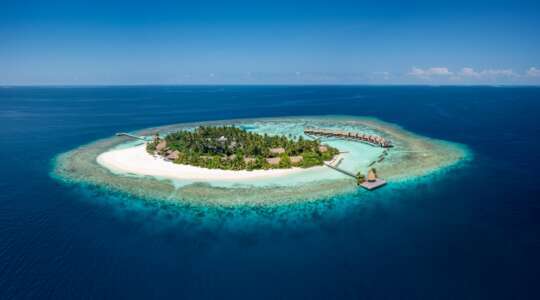
Kuramathi Maldives
A dazzling lineup of facilities make the large island of Kuramathi one of the Maldives’ most popu...
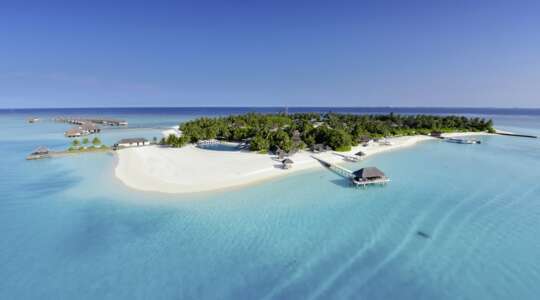
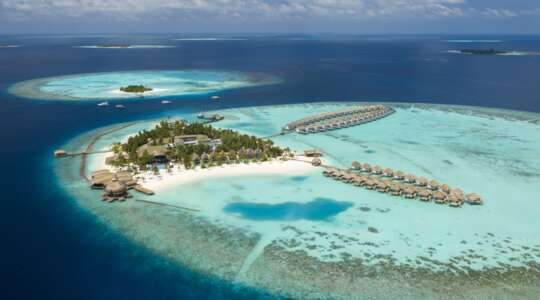
Kandolhu Maldives
Kandolhu is an exquisite isle with diverse dining and accommodation options that belie its tiny s...
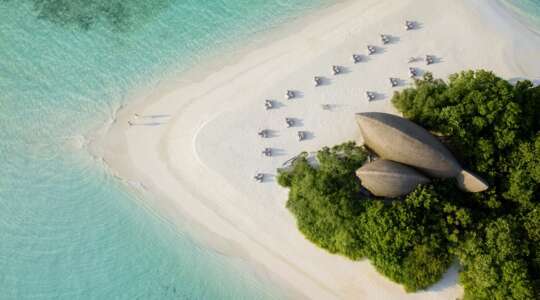
Outrigger Maldives Maafushivaru Resort
Contemporary architecture with clean lines and designed with a palette that mirrors the sparkling...
Dhigali Maldives
Dhigali brings modern design, sustainable principles, and a family-friendly feel to the Maldives.
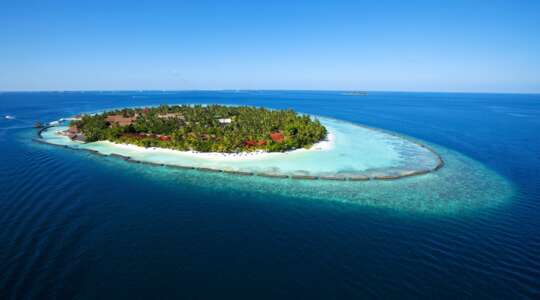
Kurumba Maldives
In 1972, Kurumba was just a collection of huts on a beach. In the years since it’s evolved into a...
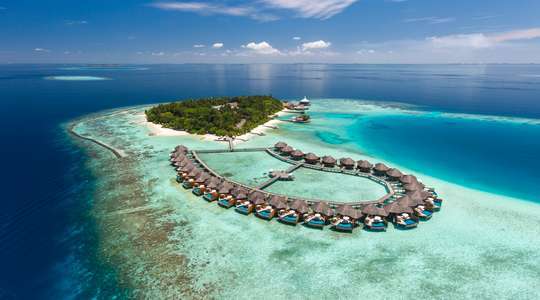
Baros Maldives
An intimate resort providing a complete luxury escape, Baros is where style meets simplicity.
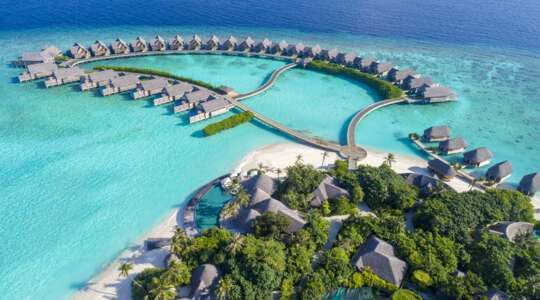
Milaidhoo Maldives
Intimate and stylish, at Milaidhoo, it’s about enjoying the natural environment in the folds of f...
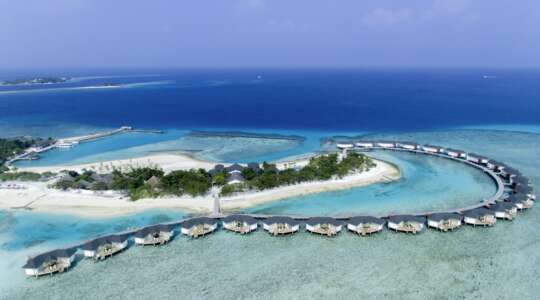
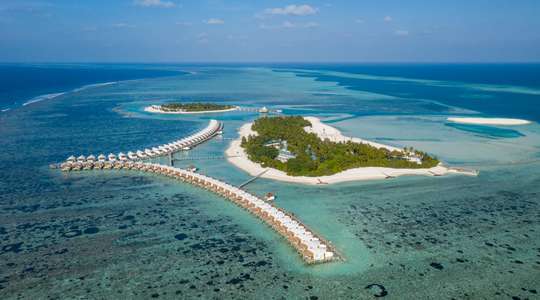
Cinnamon Hakuraa Huraa Maldives
Surrounded by a shallow lagoon, the two islands that make up Cinnamon Hakuraa Huraa are the epito...
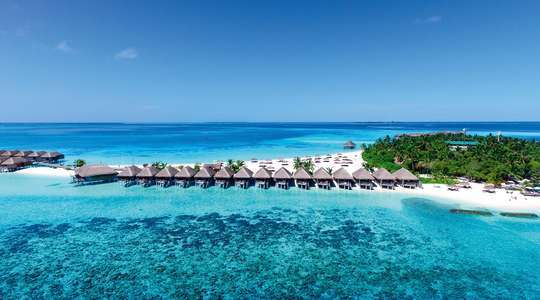
Constance Moofushi Maldives
Constance Moofushi has masterfully matched Robinson Crusoe vibes with all-inclusive pampering.
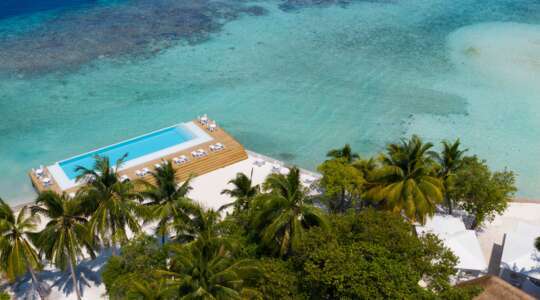
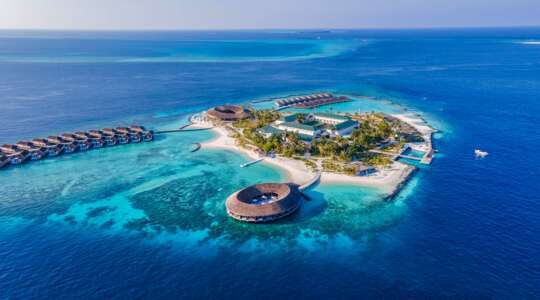
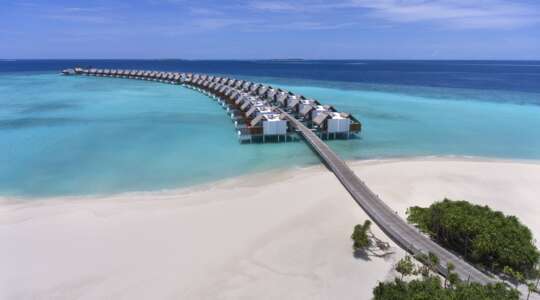
Emerald Maldives
Cool and contemporary but wonderfully down to earth, this Italian-owned and subtly Asian-inspired...
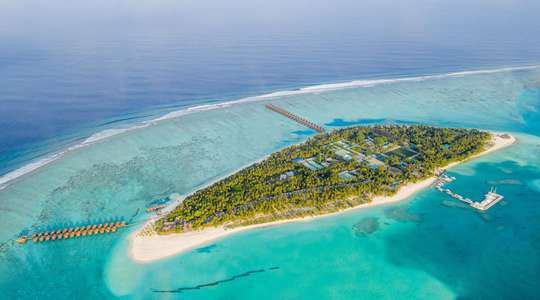
Meeru Maldives Resort Island
Sand-floor bars and thatched open-air restaurants lend a casual and unpretentious feel to this la...
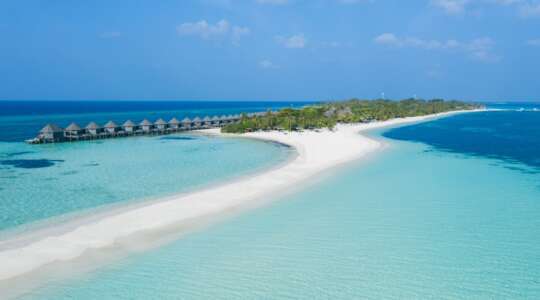
Kuredu Island Resort & Spa
Fun and lively with plenty to do, Kuredu is an excellent choice for active types.
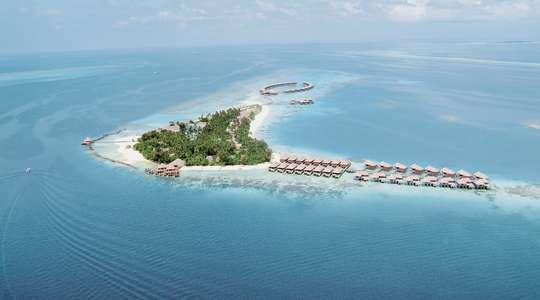
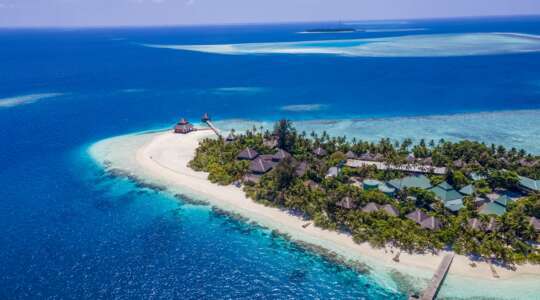
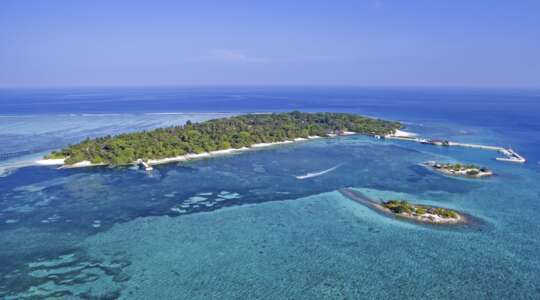
Adaaran Select Hudhuran Fushi
A low-key family-friendly resort with a super relaxed mood and lots of local excursions.
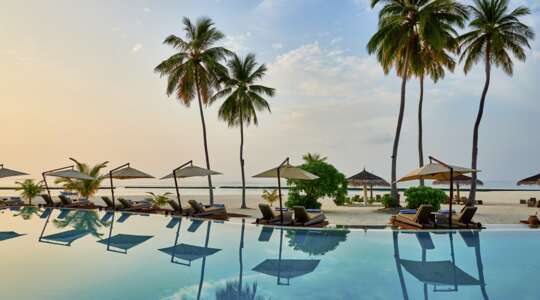
Constance Halaveli Maldives
Naturally elegant, this family-welcoming hideaway island has beautiful pool villas and delicious...
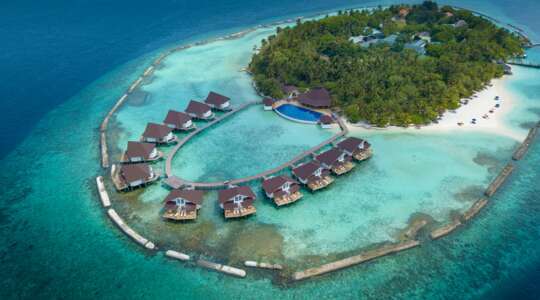
Ellaidhoo Maldives by Cinnamon
This enchanting, eco-friendly island comes with ocean-facing bungalows and is known around the wo...
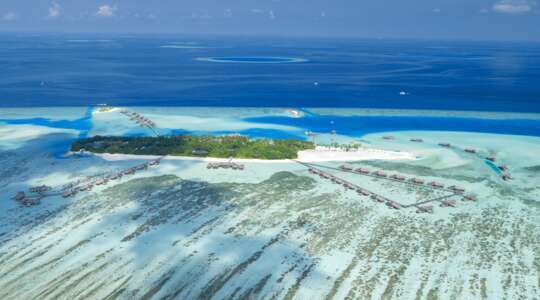
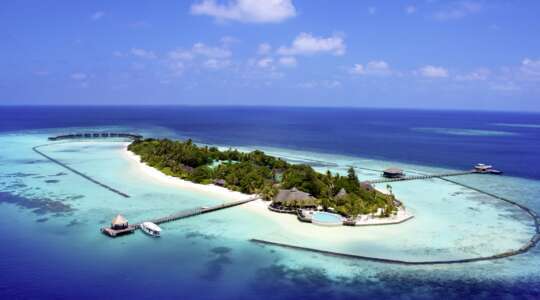
Komandoo Island Resort & Spa
A relaxed and intimate resort, well placed for nearly 50 dive sites and pure escapism.
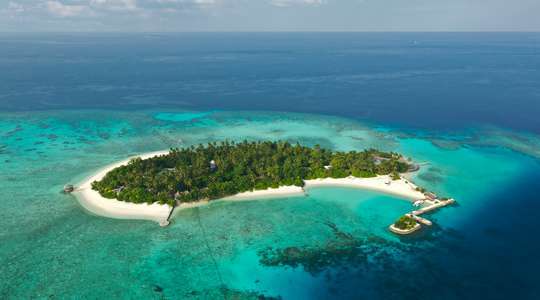
Makunudu Island
There’s a refreshingly uncomplicated approach on this small island. A single restaurant, one bar,...
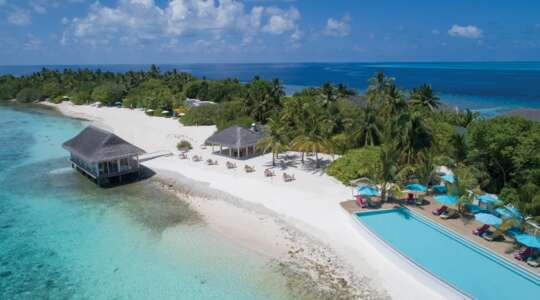
OBLU Nature Helengeli by Sentido
A laid-back all-inclusive resort with a beachy and contemporary style
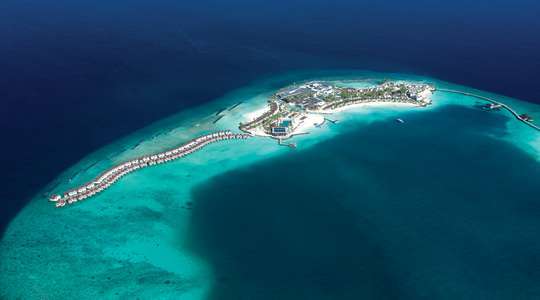
OBLU XPERIENCE Ailafushi
This vibrant resort has a show stealing underwater restaurant and ocean views from every room.
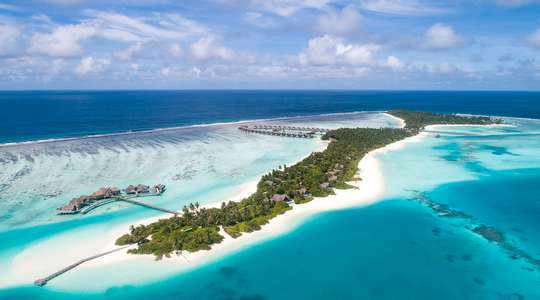
Niyama Private Islands Maldives
There are so many opportunities to create your own Maldivian experiences across tropical twin isl...
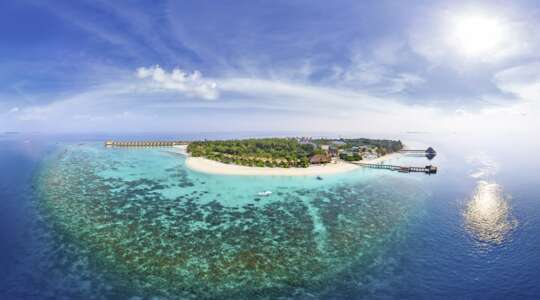
Reethi Faru
Cast adrift in the relatively undeveloped Raa Atoll, Reethi Faru is a private island retreat wher...
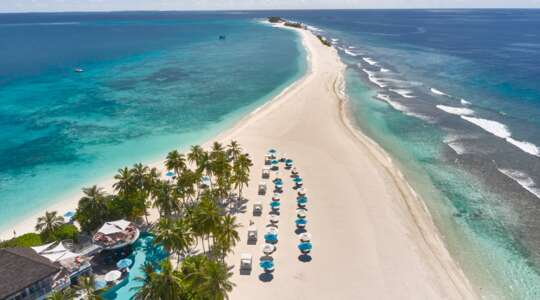
Seaside Finolhu Baa Atoll Maldives
Wander along one of the Maldives’ longest sandbank and soak up the lively atmosphere at this cool...
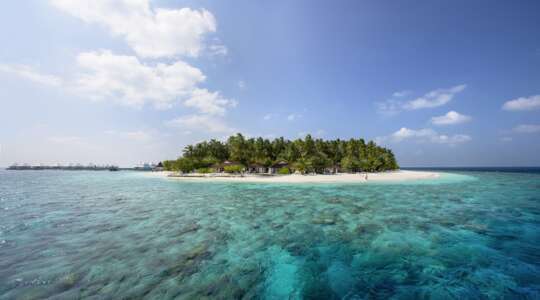
Diamonds Thudufushi
An unspoilt and wonderfully informal island hideaway with excellent diving and snorkelling.
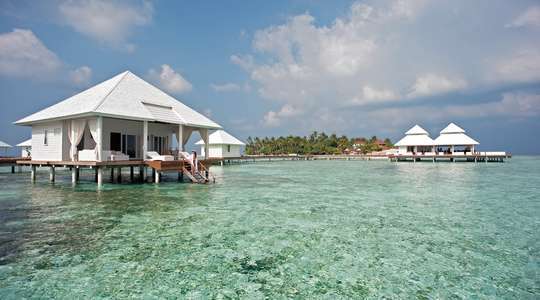
Diamonds Athuruga
With classic Maldivian beaches and beautiful water villas, Athuruga is authentic yet cosmopolitan...
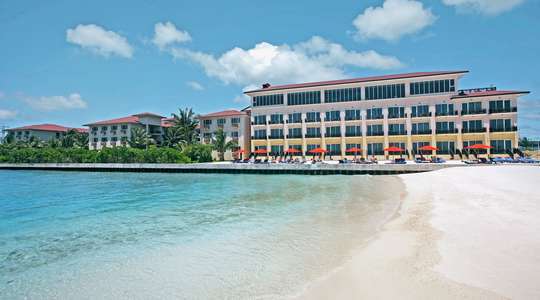
Hulhule Island Hotel
Just five minutes from Malé airport, this layover hotel wins guests over with a sandy beach and a...
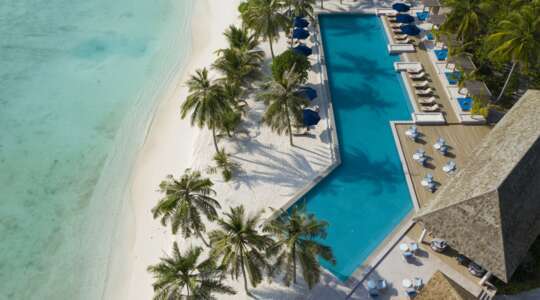
Emerald Faarufushi Resort & Spa
Emerald Maldives is sustainably savvy and supremely dreamy, with a fantastic all-inclusive packag...
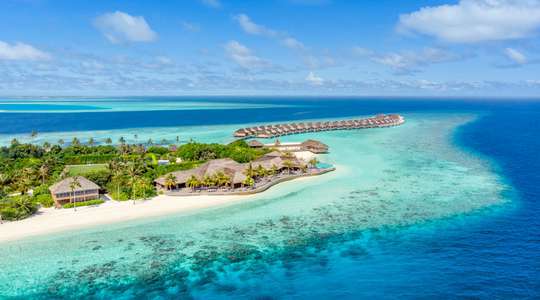
Hurawalhi Island Resort
Adults-only, all-inclusive Hurawalhi is a place to slow the pace, ditch the shoes, dine under the...
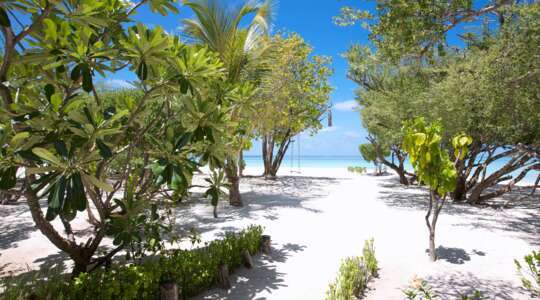
LUX* South Ari Atoll Resort & Villas
With homemade bubblegum ice cream and a beach club vibe, expect a whimsical time on these paradis...
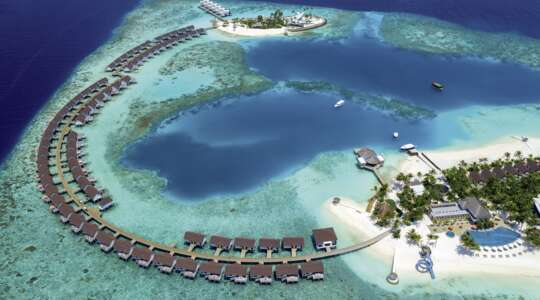
OBLU SELECT Sangeli
This modern island hideout ticks all the boxes for families, honeymooners, and friends alike.
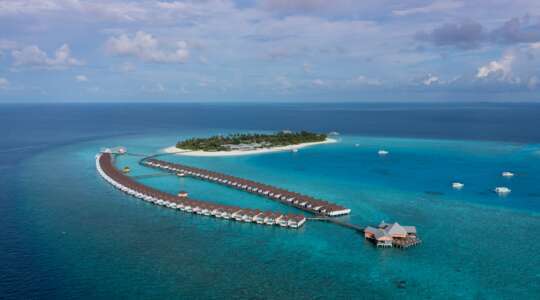
The Standard, Huruvalhi Island
The Standard celebrates all that’s playful and downright cool, with hip restaurants, eye-popping...
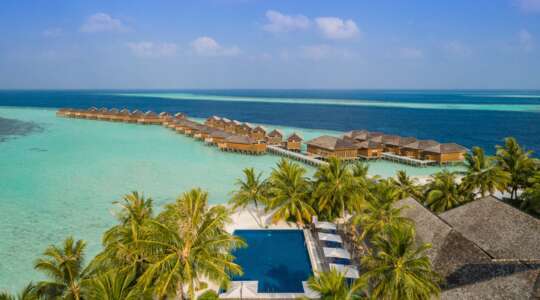
Vilamendhoo Island Resort
A laid-back and fuss-free island with good food and fantastic snorkelling and diving.
Holidays in Maldives

- Maldives
- 4 Star
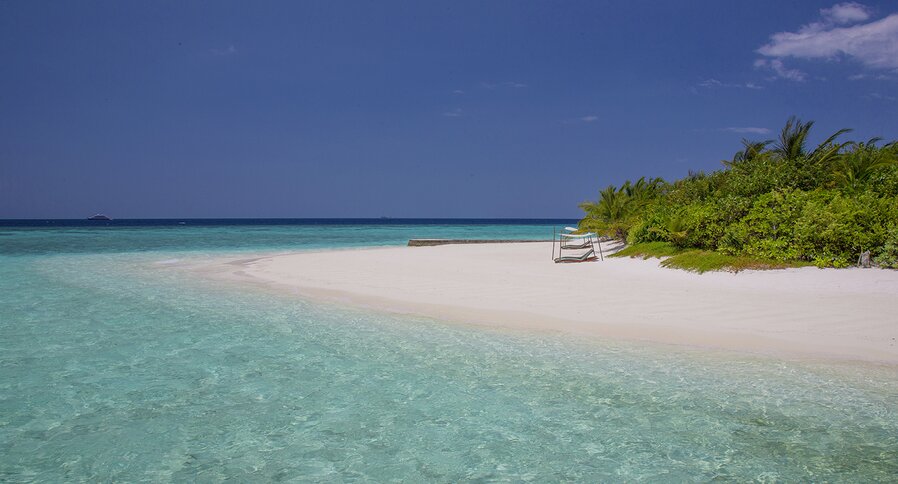
A dazzling lineup of facilities make the large island of Kuramathi one of the Maldives’ most popular resorts.
From £1,665 p/p
- Maldives
- 5 Star
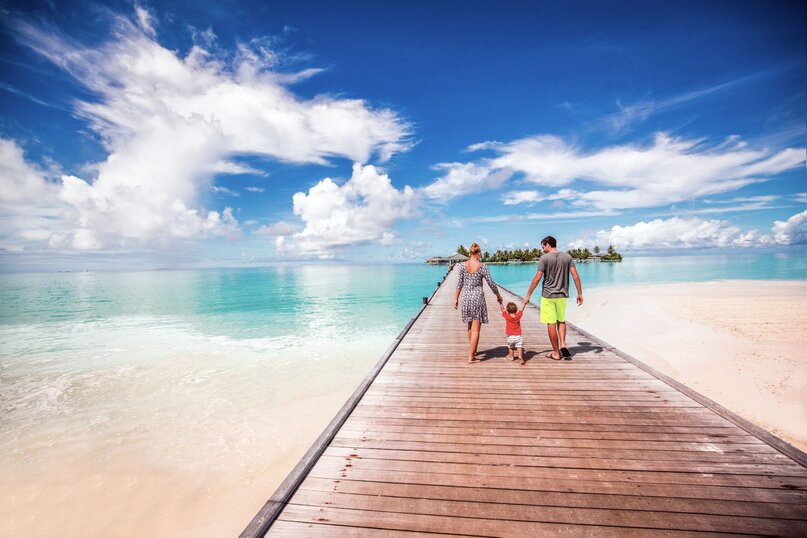
Kandolhu is an exquisite isle with diverse dining and accommodation options that belie its tiny size.
From £2,403 p/p
- Maldives
- 5 Star
Chic and contemporary, Velassaru appeals to style-hunters and seclusion-seekers.
From £1,752 p/p
- Maldives
- 5 Star
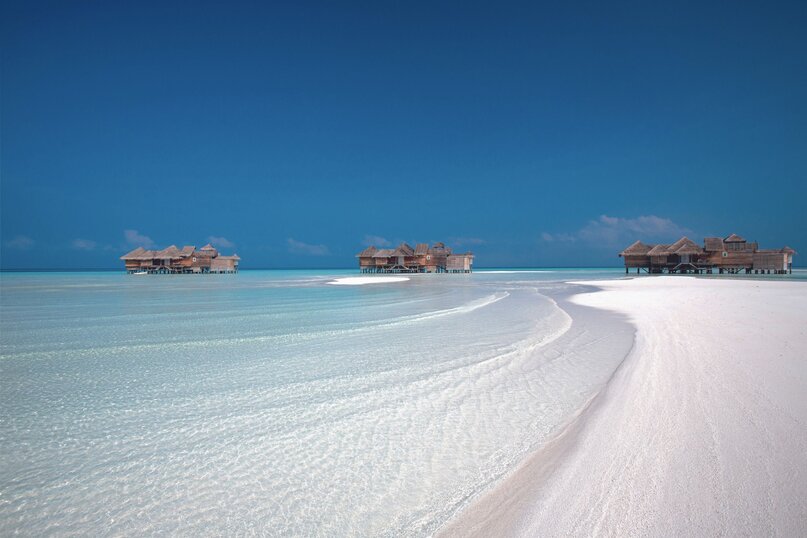
Contemporary architecture with clean lines and designed with a palette that mirrors the sparkling blue surroundings.
From £3,005 p/p
- Maldives
- 5 Star
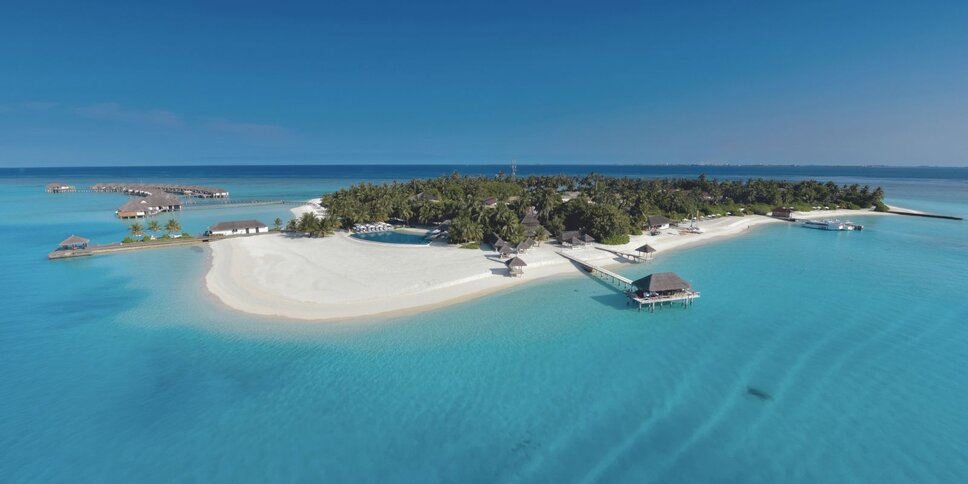
Dhigali brings modern design, sustainable principles, and a family-friendly feel to the Maldives.
From £2,822 p/p
- Maldives
- 5 Star
In 1972, Kurumba was just a collection of huts on a beach. In the years since it’s evolved into a large resort that offers good value luxury.
From £1,554 p/p
- Maldives
- 5 Star
An intimate resort providing a complete luxury escape, Baros is where style meets simplicity.
From £2,886 p/p
- Maldives
- 5 Star
Intimate and stylish, at Milaidhoo, it’s about enjoying the natural environment in the folds of fuss-free luxury.
From £5,510 p/p
- Maldives
- 4 Star
Settle into the laid-back lifestyle of Cinnamon Dhonveli.
From £1,960 p/p
- Maldives
- 4 Star
Surrounded by a shallow lagoon, the two islands that make up Cinnamon Hakuraa Huraa are the epitome of tropical bliss.
From £2,388 p/pYou may also like
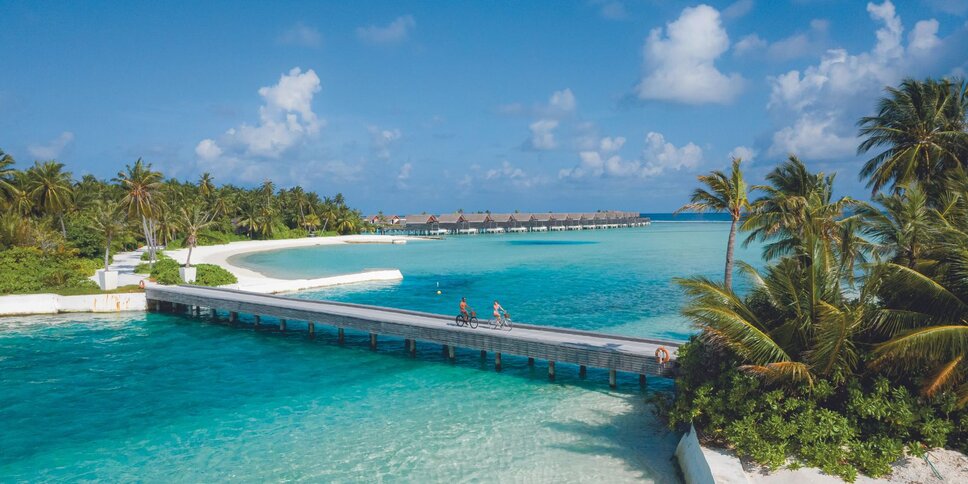
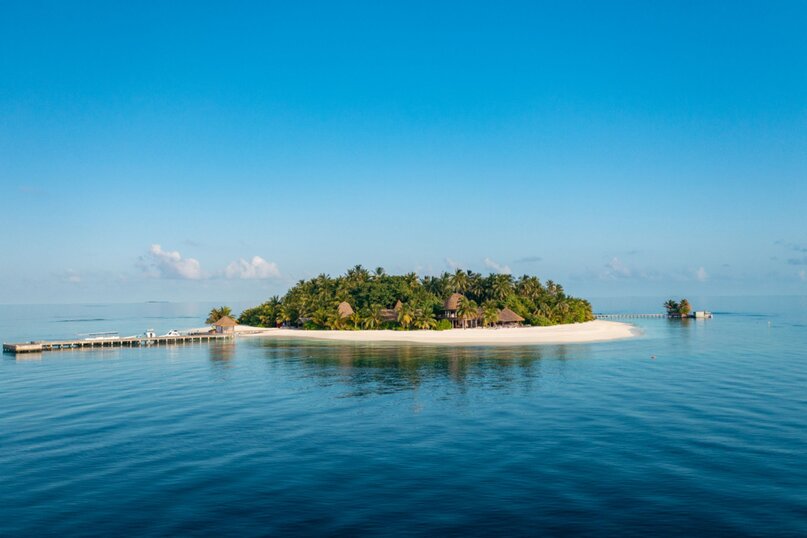
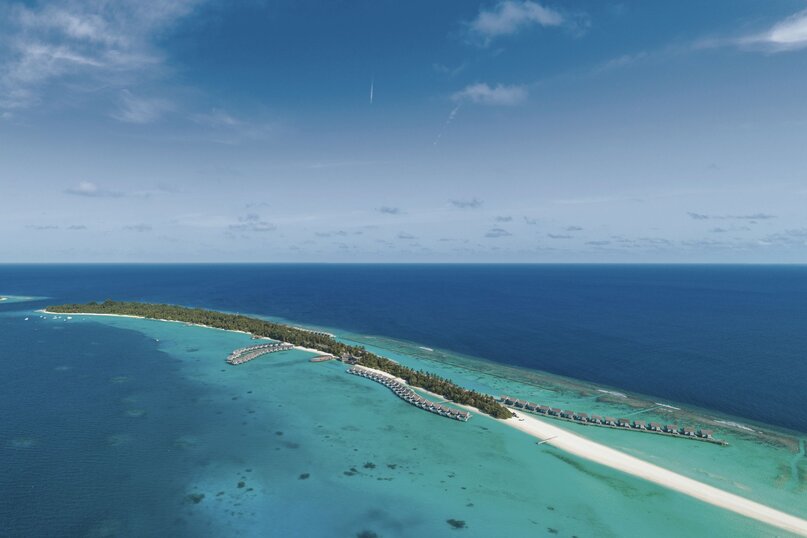
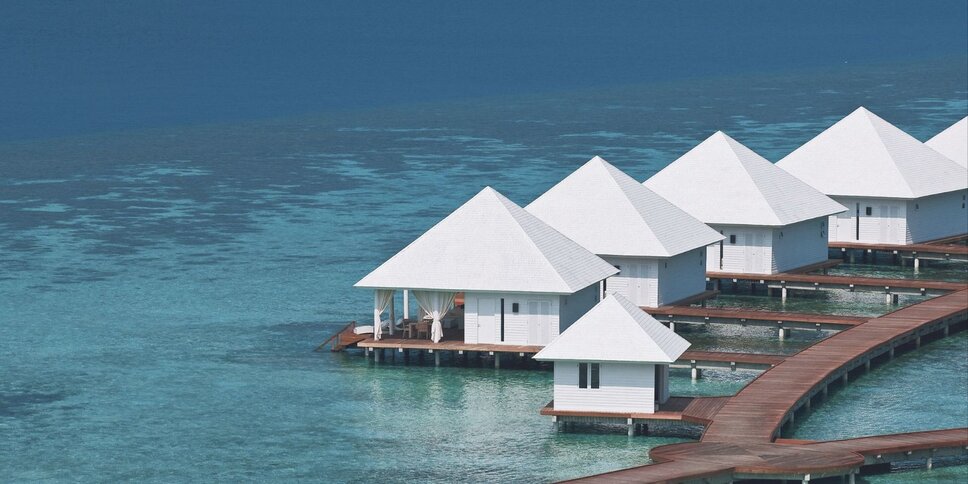
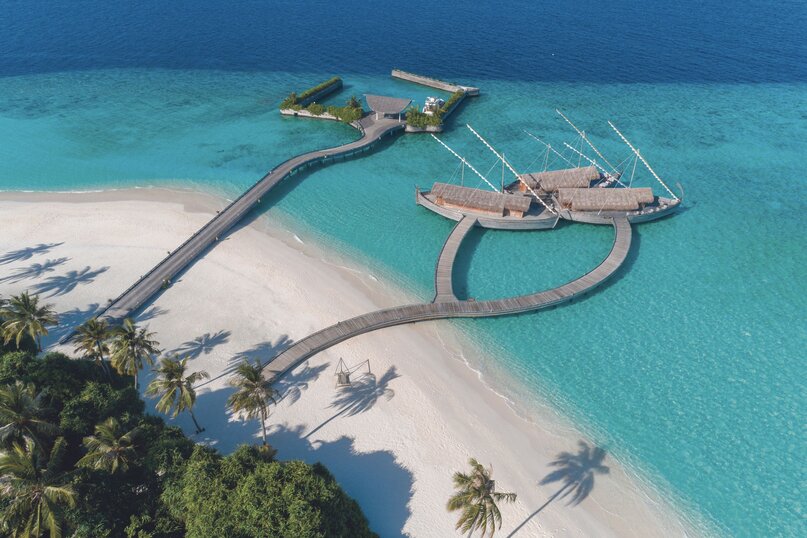
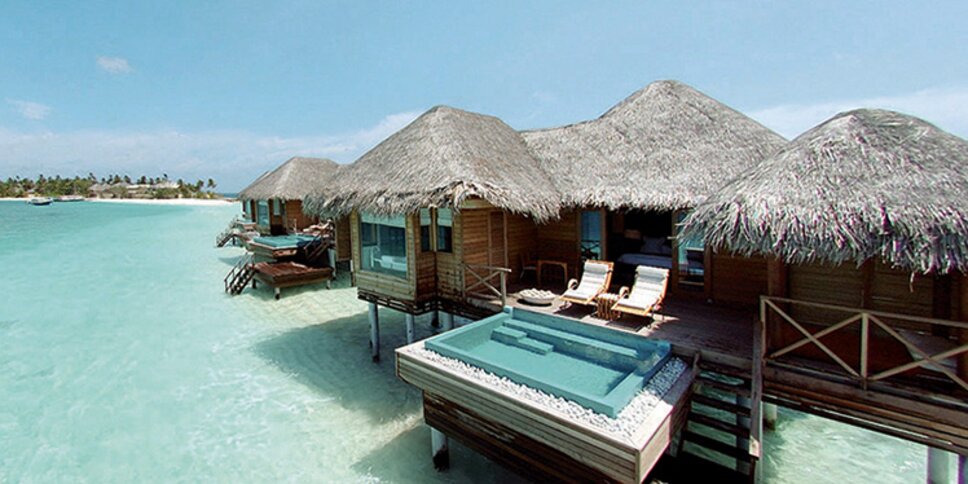

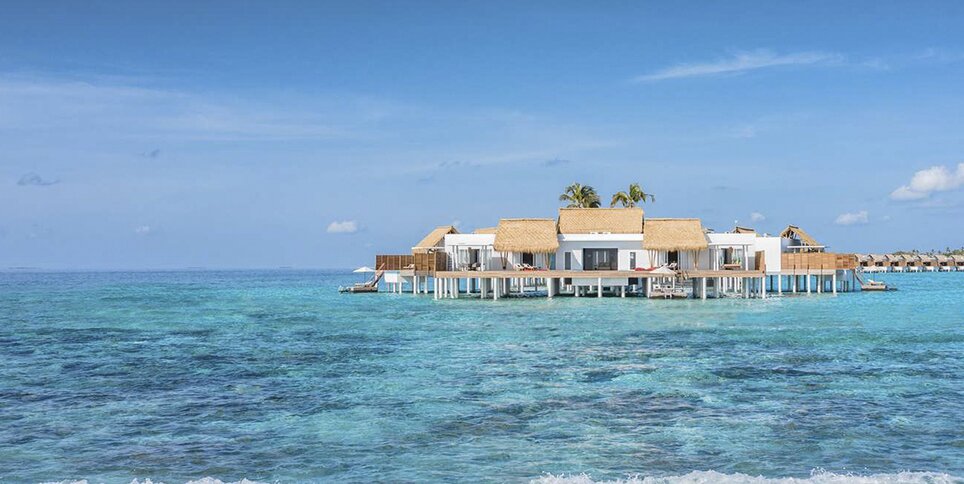
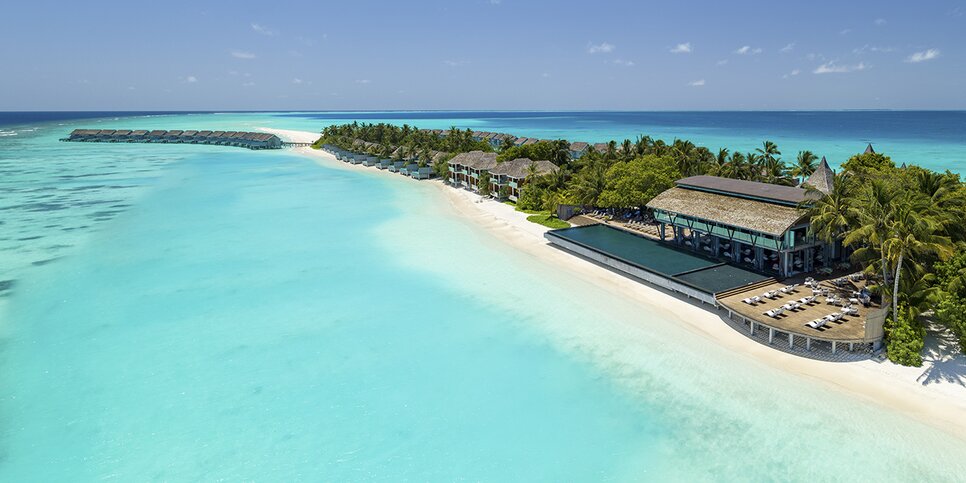
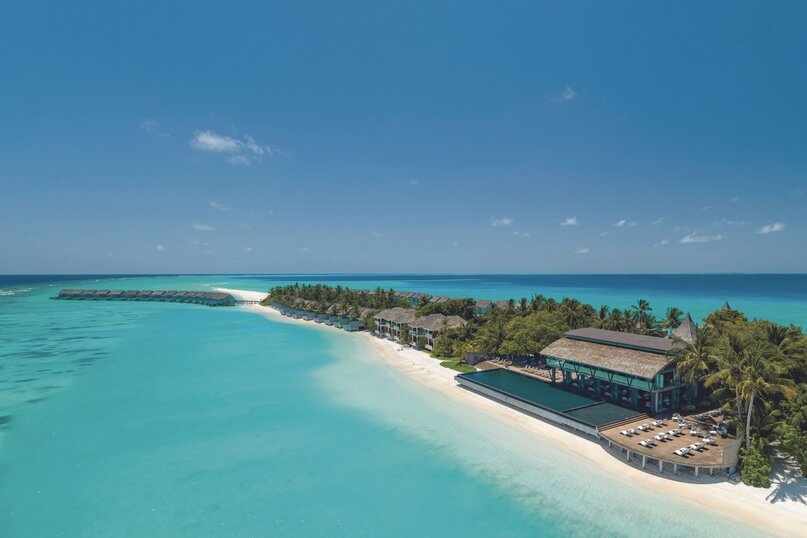
-
-

- Kuoni recommended
- Name (A-Z)
- Rating (High to Low)
- Rating (Low to High)
- Price (High to Low)
- Price (Low to High)
- {{ filter.text }}
- Clear all

From sunset cruises to local island visits and desert-island picnics, there are lots of activities that you can arrange once you’ve arrived at your chosen island.
Diving in the Maldives
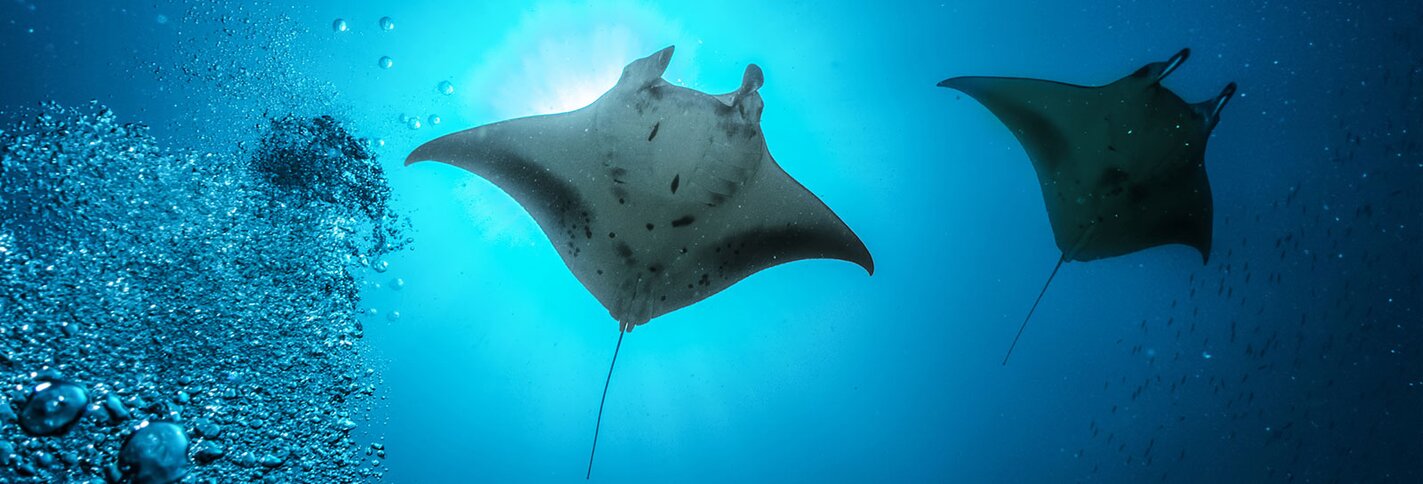
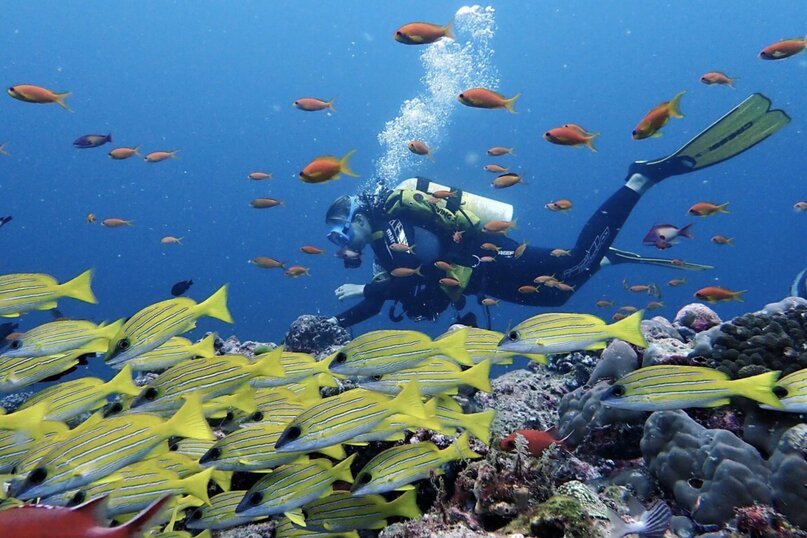
These idyllic coral islands rank amongst the best dive destinations in the world. When conditions are good, the underwater visibility is at the highest level – sometimes exceeding 50 metres – and the warm water temperatures year-round make diving in the Maldives a pleasure. The North Malé Atoll is home to the Lion’s Head and Wattaru Kandu dive sites, both of which are frequented by reef sharks. Wattaru Kandu is also home to stingrays and garden eels whilst Lankanfinokhu, or Manta Point as it’s known locally, is a great place to see manta rays being cleaned by local colonies of cleaner fish.
In the South Malé Atoll, Hukrueli is another place to see rays and cleaner fish, and Maaya Thila, a protected marine area, is home to white-tip sharks, turtles, zebra morays and the elusive guitar shark. Hanifaru lagoon in the Baa Atoll is one of the best places to see whale sharks and manta rays – June to September being the best time as this is during the monsoon season and equinox when the lagoon is filled with plankton.
The Scuba Diver course provides pre-entry level certification in three days and on completion you can then upgrade to an Open Water Diver qualification by taking the additional five day course. Our Ten Dives and Six Consecutive Days diving allow qualified divers to make the most of their time in these beautiful islands. Courses are available at Kurumba Maldives, Dhigali Maldives, Velidhu and Meeru.
Dive a little deeper into what makes a Maldives holiday so special and how we can create a retreat that’s unique to you. Let us tell you those all-important practicalities, inform you of the ways you can reach your island and what you can expect when you are there.
 Capital
 TIME DIFFERENCE
GMT + 5 hours
 CURRENCY
Officially the Maldivian rufiyaa, but US dollars are more widely used in resorts.
 FLYING TIME TO DESTINATION
Malé 10¼ hours
 RELIGION
Islam
 LANGUAGE
Dhivehi. English is widely spoken.
Where is the Maldives?
The Maldives is a string of atolls made up of more than a thousand coral islands scattered in the Indian Ocean to the southwest of India and Sri Lanka. The smallest country in Asia stretches over 500 miles from north to south with one of the atolls located south of the equator. The flight time from Sri Lanka's capital, Colombo, to Malé is just an hour and a half.

Maldives transfers
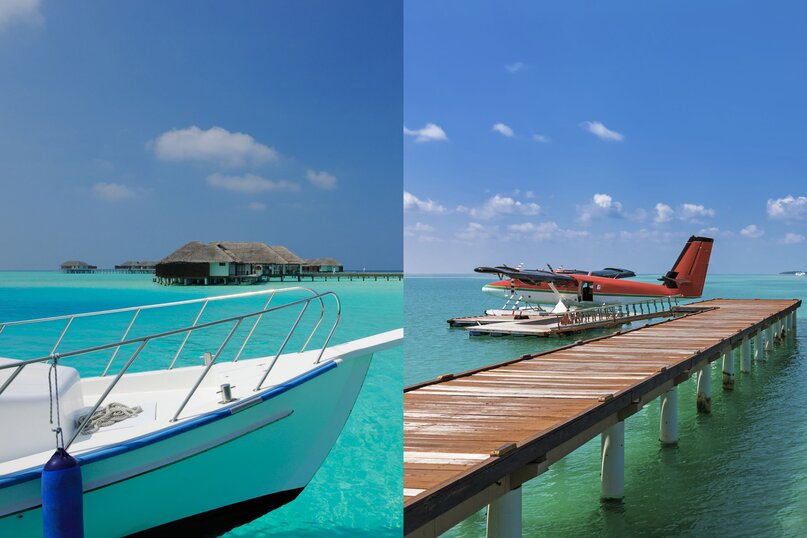
There are few places in the world where your hotel transfer is a huge part of your holiday experience. Forget long minibus rides from the airport or endless hours stuck in a taxi, the unique formation of the Maldives means that to reach your private island resort you’ll get to travel by speedboat or seaplane.
Beaches
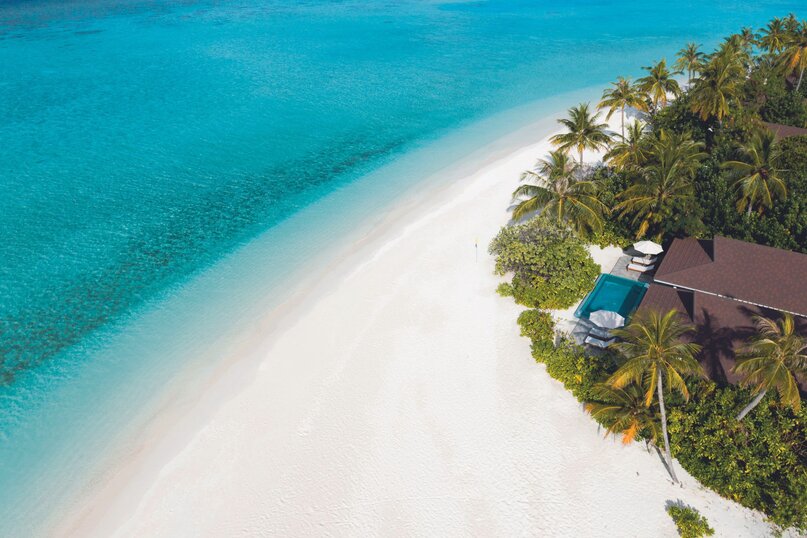
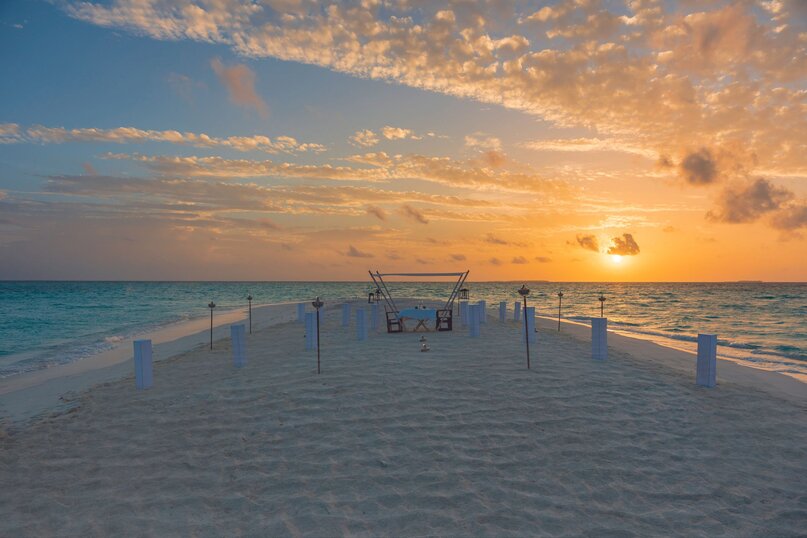
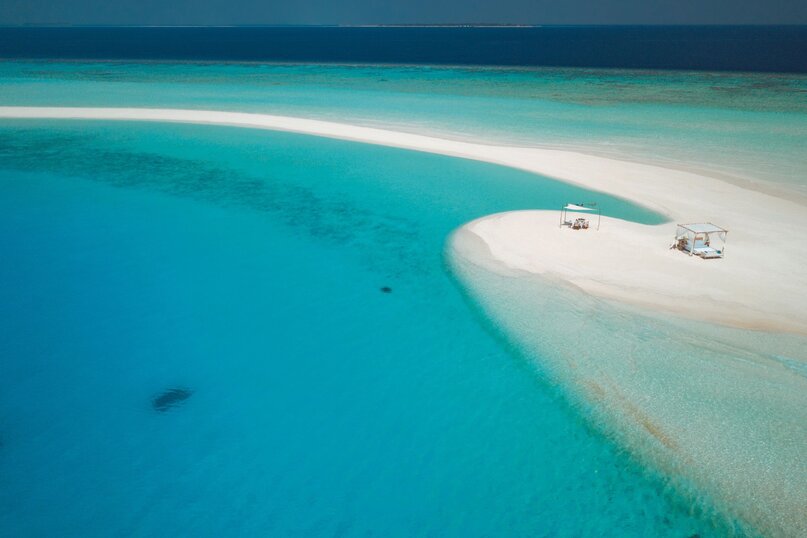
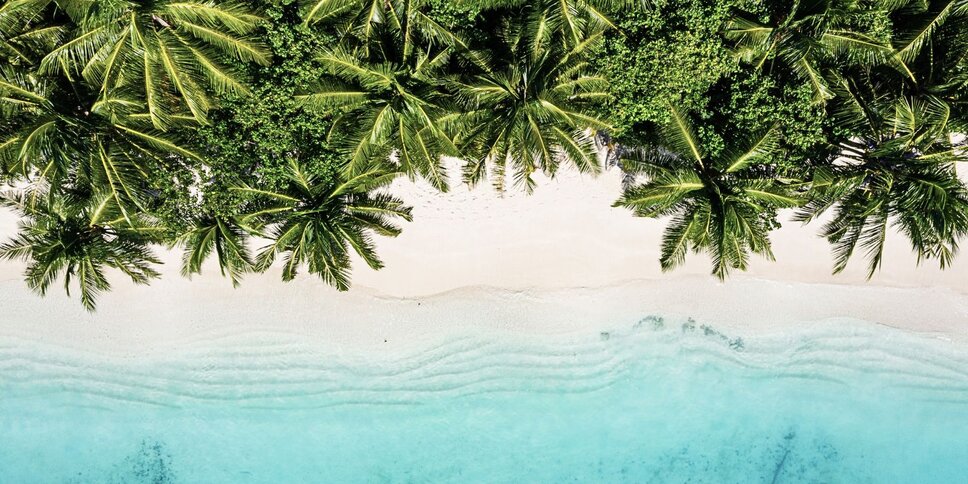
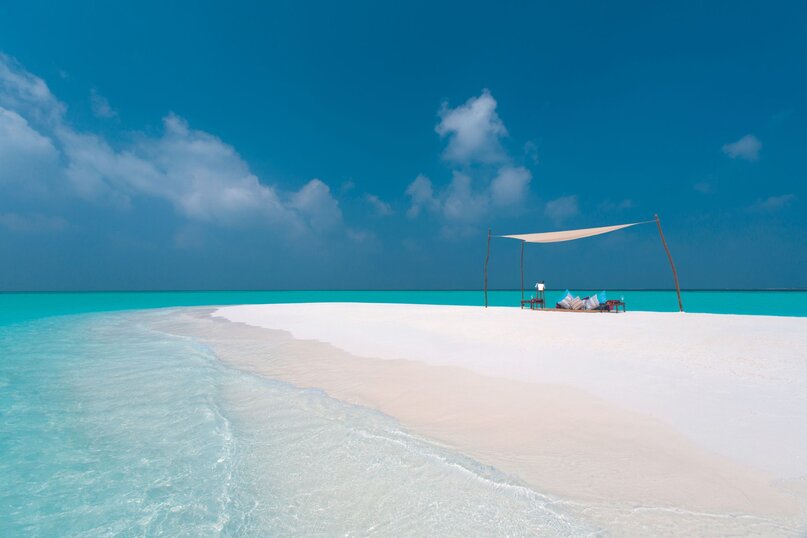
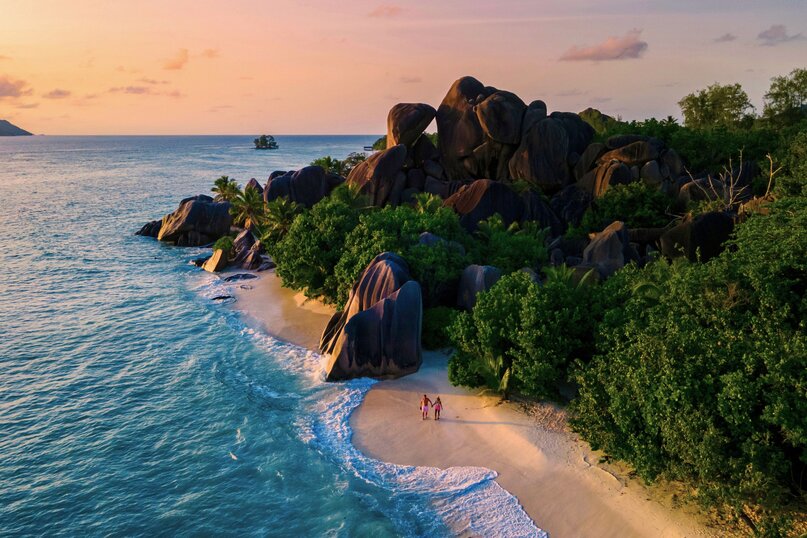
The Maldives is the ultimate beach destination; each island is almost entirely encircled by eye-dazzlingly coral sands and many of the paths that run across the resort are left in their natural state. Some islands even have meandering sandbanks which are the perfect place for sunset strolls or toes-in-the-sand, candlelit dinners.
All Inclusive
Whether it’s an all-inclusive island or one with an all-inclusive option, this is one region of the world where it really does make sense to opt for the complete package. Inclusions vary between resorts – some of the most generous Maldives holiday packages include all meals at a choice of restaurants, sparkling wine and cocktails, minibar drinks, watersports and excursions.
Diving & snorkelling
There are top dive sites scattered all around the Maldives, where you can spot extraordinary creatures like hammerheads, guitar sharks, manta rays, zebra morays and whale sharks. The clear waters are warm year-round and the underwater visibility can reach over 50 metres. Plus, most islands are surrounded by a reef so you can snorkel straight from the beach through dedicated snorkelling channels.
Food & drink
The general standard of food and drink on a Maldives holiday is excellent, with many islands offering a choice of buffet and à la carte restaurants and well-stocked wine cellars. Seafood dishes top the menus, but you’ll find flavours from all around the globe. Private dining experiences are incredibly popular, with options ranging from lobster dinners by candlelight to desert island picnics.
Sorry, your hotel is no longer available
Please check alternatives

Choose dates
{{store.searchDuration}} nights, {{formattedDate}}
Enter dates to check availability
{{ guestRollup || 'Enter guests' }}
{{ store.selectedAirport.text }}
{{ store.selectedClass.text }}
{{ store.selectedOccasion.text }}
Search
-
 {{item.body}}
 -

 {{item.body}}
Choose a departure date
{{store.searchDuration}} nights
Enter rooms & guests
Checking prices & availability

{{term}}, {{formattedDate}} for {{searchDuration}} nights
Destinations See all Destinations
HolidaysSee all Holidays
OffersSee all Offers
InspirationSee all inspiration

Talk to an expert today
Your dream holiday is just a phone call away
Call us on 0800 294 9701


Mon to Fri: 9am - 8pm
Saturday: 9am - 6pm
Sunday: 11am - 4pm
Visit your local Kuoni store
 Find your nearest store
In-person, virtual or phone
Get face-to-face advice from our friendly team
We're transferring you to our tailor-made specialists
 |  |  |
From the multi-award-winning Kuoni