- 0800 092 4444
- Search
- My Kuoni


Explore destinations
_w=83_h=42.png?v=931108ac3c61e45b9dc1b2284a500ac70c03b561)
Tailor-made holidays and safaris full of extraordinary experiences and the same personal service you'd expect from Kuoni.
All Africa destinations
All Asia destinations
_w=161_h=19.png?v=931108ac3c61e45b9dc1b2284a500ac70c03b561)
Visit your local store or make an appointment to get face-to-face advice from our friendly team.
- Holiday type
- Brochures
- Collections
- Articles
- Time of year


Speak to one of our experts now about this offer
Call us on - 0800 092 4444
Or drop into your local Kuoni store to find out more
 Find your nearest store
Speak to one of our experts now about this offer
Call us on - 0800 294 9710
Or drop into your local Kuoni store to find out more
Find your nearest store
Speak to one of our experts now about this offer
Call us on - 0800 294 9728
Or drop into your local Kuoni store to find out more
Find your nearest store

One of the most diverse destinations in Asia, Thailand is a vibrant tapestry of culture, wildlife and awe-inspiring landscapes.
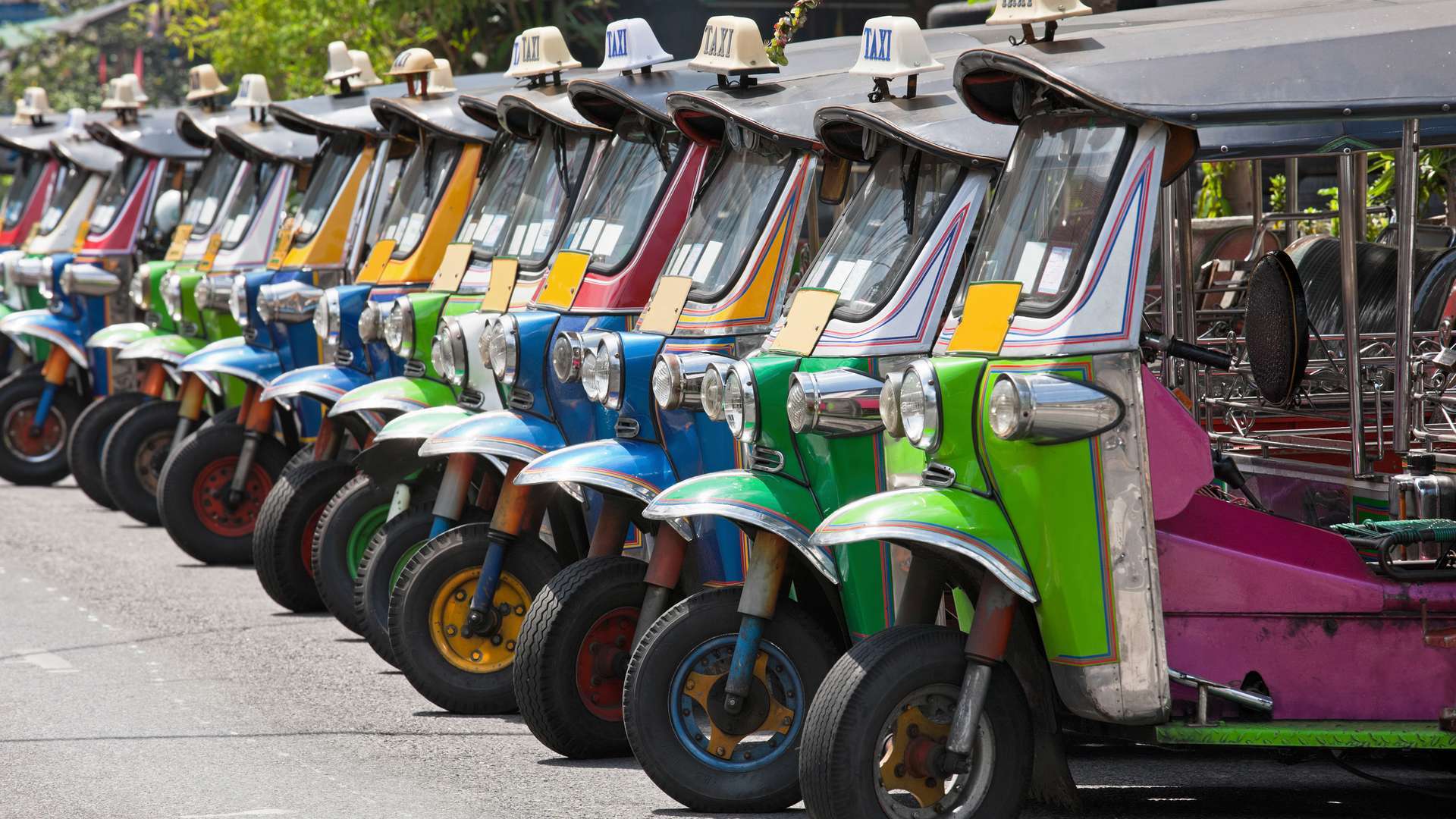
Whizz between gleaming golden temples in a tuk-tuk; devour combinations of salty, sweet and spicy street food at a night market; and watch elephants wander through an ancient national park – Thailand is a treasure trove of unforgettable experiences.
As you return smiles from just about everyone you meet, you’ll discover why Thailand has long been a favourite with travellers. There’s a warm welcome wherever you go; the only thing you need to do is decide what you’d like to see – whether it’s a glittering royal residence in a hectic city centre or a tranquil island with rich marine life just offshore. Thailand is one of the few places in the world where you can see a city, rainforest and beach in one trip, too.
You can read our in-depth guide online and start planning your Thailand adventure. Alternatively, give us a call or pop into your for a chat and our destination experts will craft your perfect tailor-made Thailand holiday.
Read more
_w=646_h=910_pjpg.jpg?v=931108ac3c61e45b9dc1b2284a500ac70c03b561)
_w=659_h=933_pjpg.jpg?v=931108ac3c61e45b9dc1b2284a500ac70c03b561)

Thailand - Perfect for
-

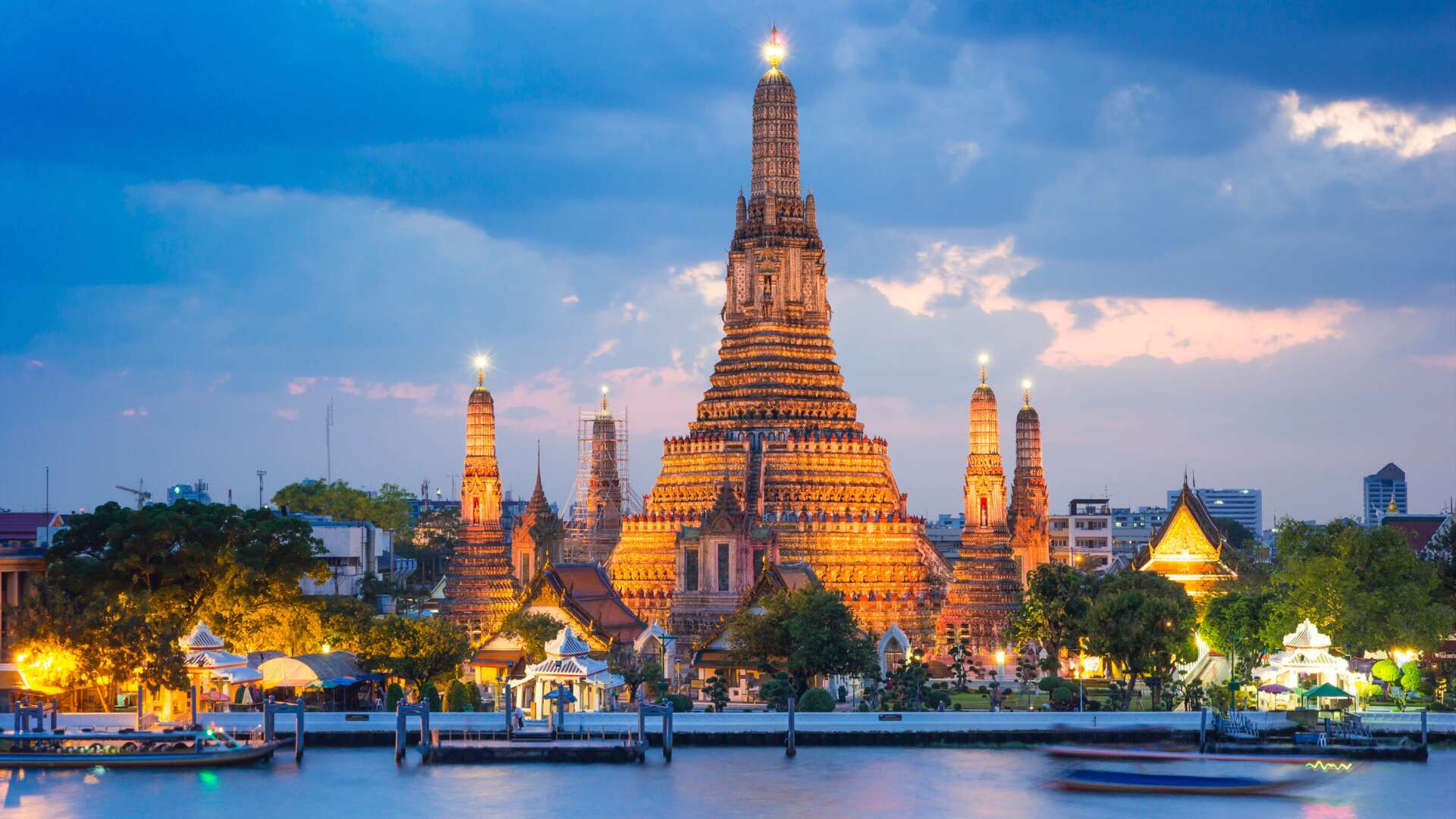
Fascinating cities
From early until late, Thailand’s seemingly chaotic cities crackle with energy.
-
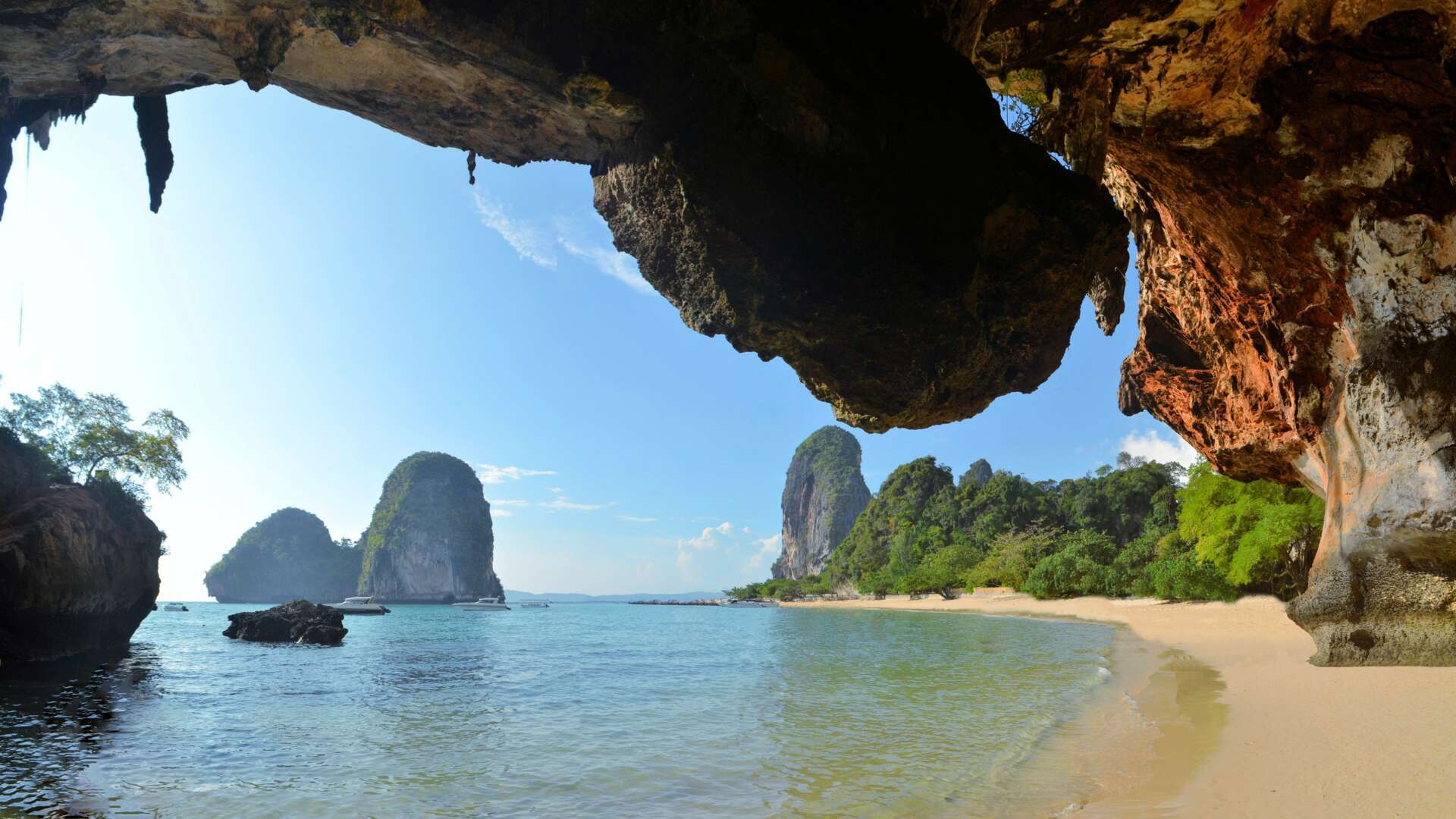
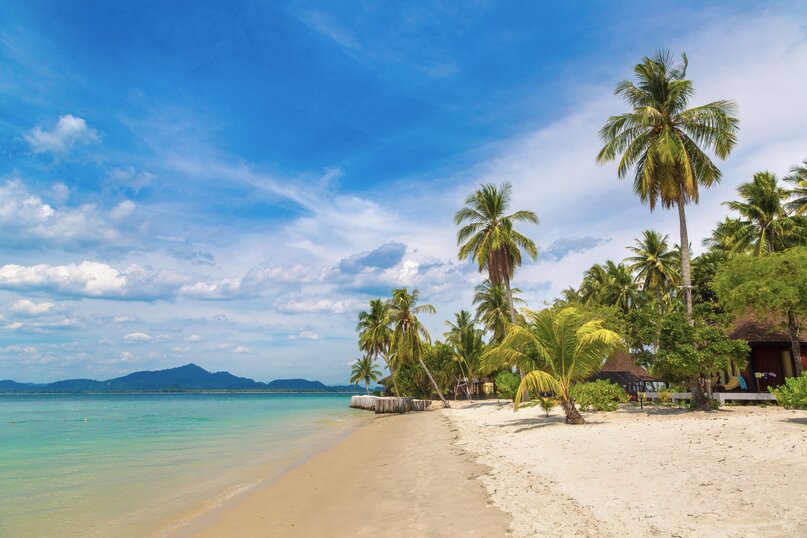
Paradise beaches
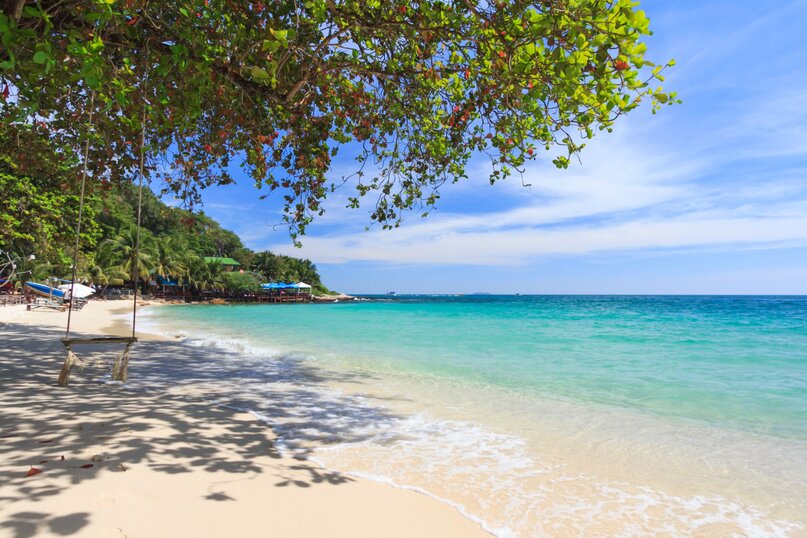
There are plenty of sun-kissed, blue sea-lapped Thai islands and beach resorts to choose from.
-
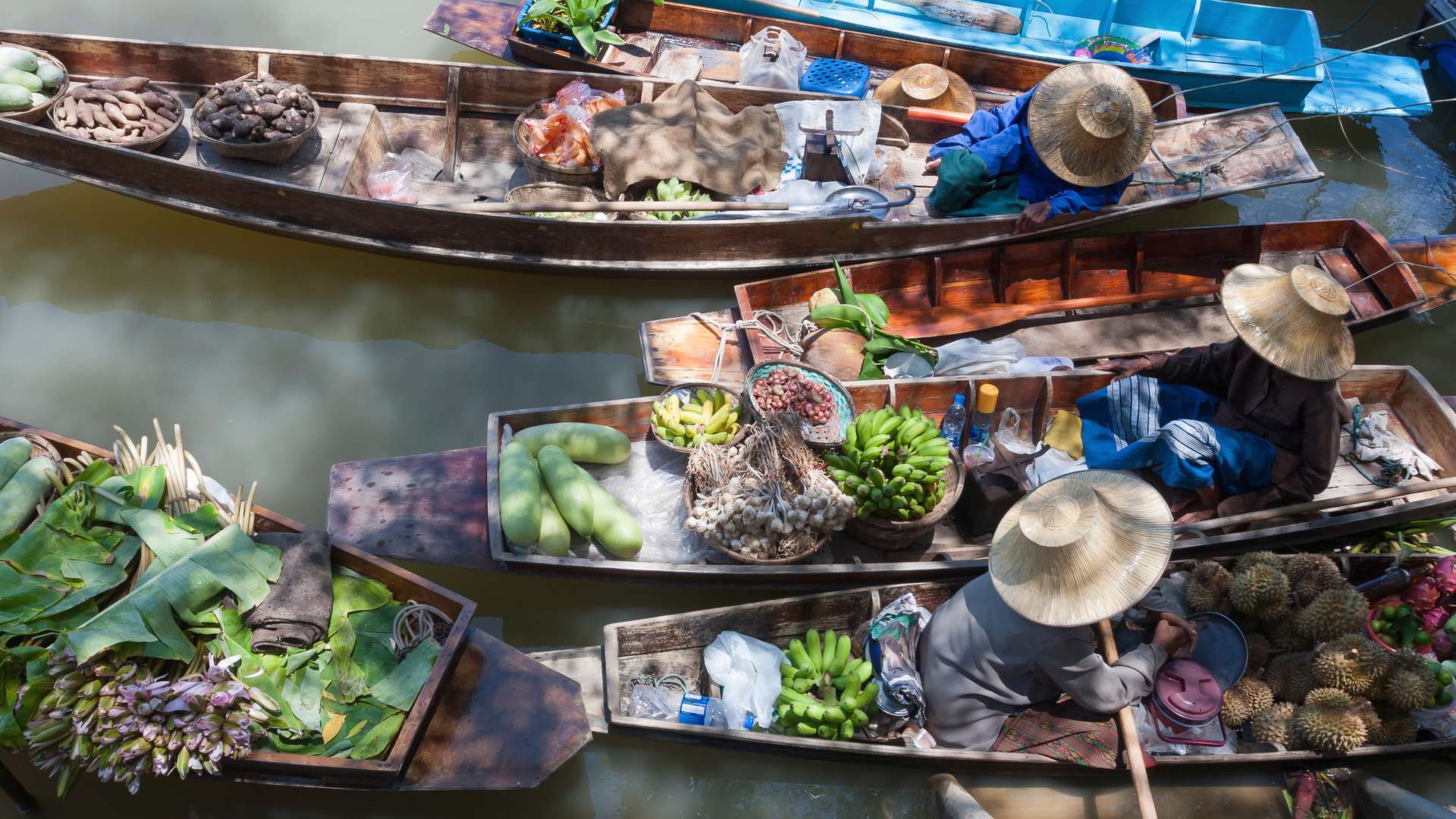
Unique culture
After receiving a wonderfully warm welcome, explore buzzing markets and vibrant temples.
-
Incredible food
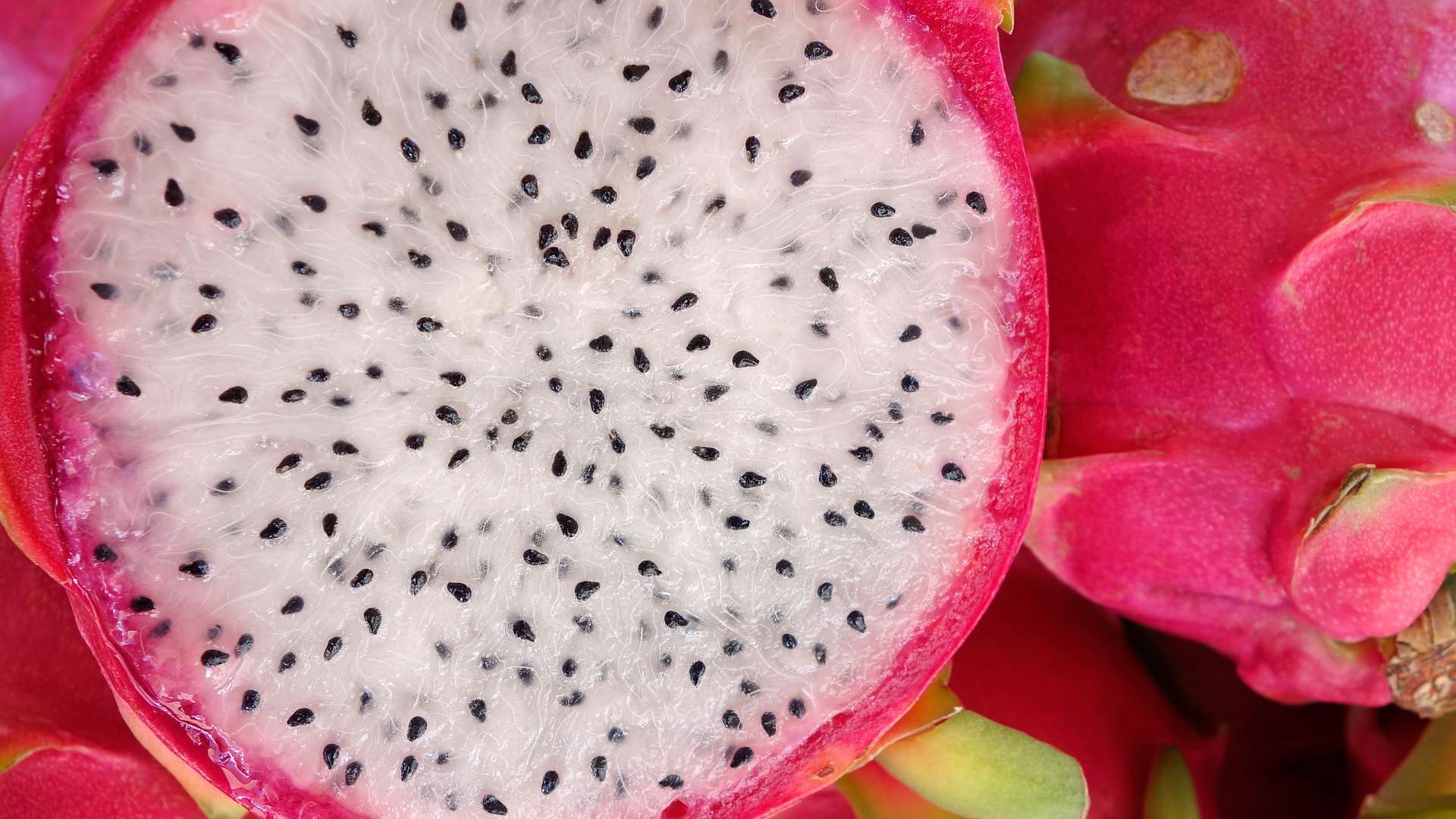
The country’s cuisine is a worldwide staple, but there’s nowhere better to try it than Thailand.
Thailand Regions
Our recommendations for the best places to visit in Thailand
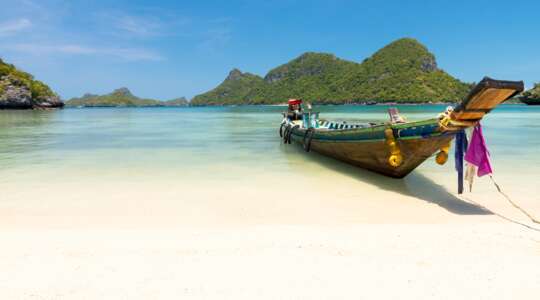
Koh Samui Holidays
A crowd-pleasing combination of lively entertainment and soft sand beaches, Koh Samui is the orig...
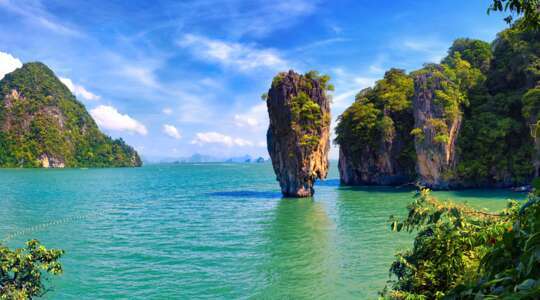
Phuket Holidays
An emerald island of karsts, golden sands and night-time revelry, Phuket is Thailand’s ultimate i...
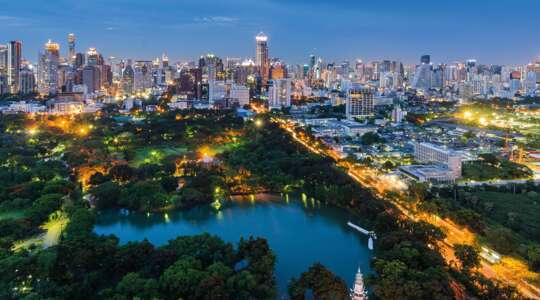
Bangkok Holidays
Bangkok is as chaotic as cities get but pause and look closer and you’ll discover deep-rooted tra...
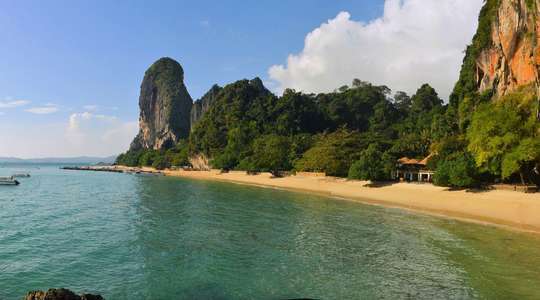
Krabi Holidays
With its air of laid-back seclusion, idyllic castaway islands and fabulous marine life, Krabi is...
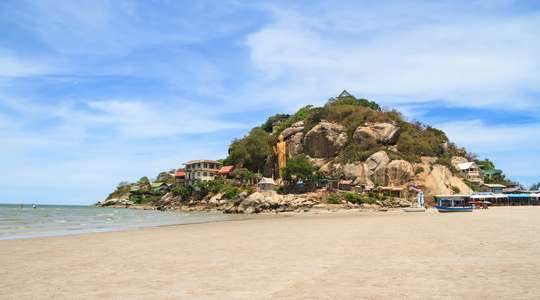
Hua Hin Holidays
With three miles of pristine sand and swaying palms to enjoy, holidaymakers tend to spend their d...
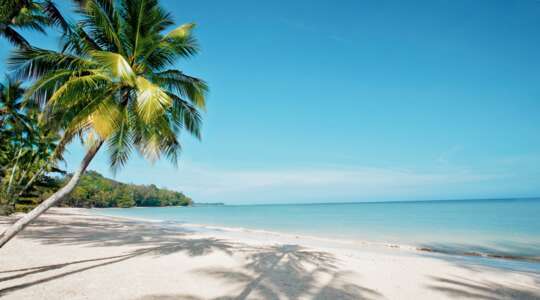
Khao Lak Holidays
Escape to where the locals go and take advantage of the jungle on your doorstep on Khao Lak holid...
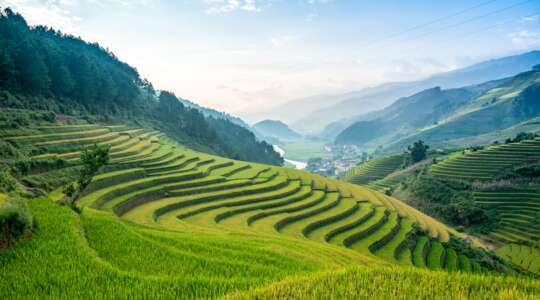
Chiang Mai & Chiang Rai Holidays
A world away from those famous beaches is a city of sacred places, bejewelled Buddhas and jungle...
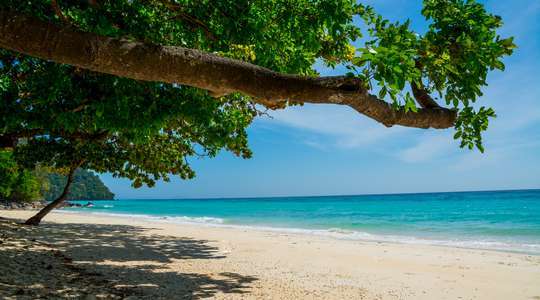
Koh Lanta Holidays
Laidback Koh Lanta has an irresistible away-from-it-all feeling, endless white-sand beaches and a...
Koh Phangan Holidays
Beyond the legendary nightlife of its south coast, Koh Phangan offers tucked-away beaches, striki...
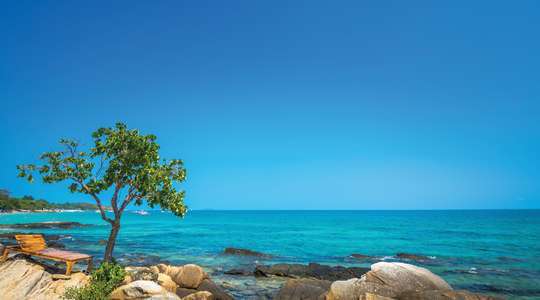
Koh Samet Holidays
With a lush national park interior fringed by postcard-pretty sandy beaches, Koh Samet is a perfe...
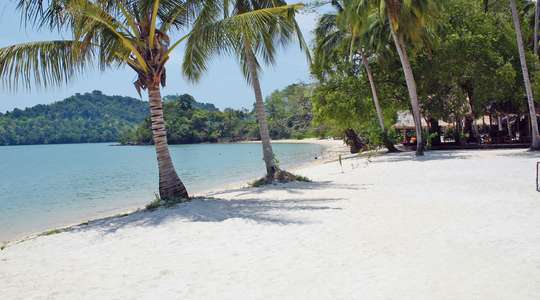
Koh Yao Yai & Koh Yao Noi Holidays
Set in emerald-bright waters, the sister islands of Koh Yao Yai and Koh Yao Noi offer stylish sec...
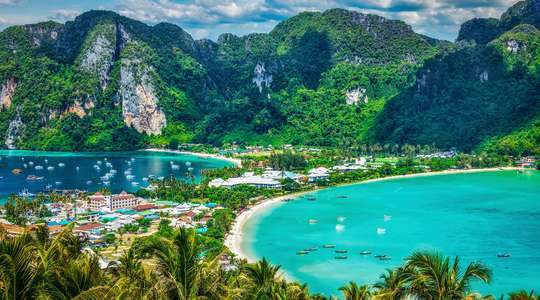
Koh Phi Phi Holidays
Come to Koh Phi Phi for clear marine-rich waters, rugged jungle-clad landscapes and dazzling whi...
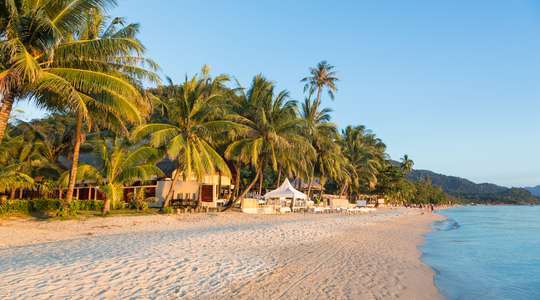
Koh Chang Holidays
Named after its elephant shaped headland, Koh Chang offers serenity, seclusion and a sense of adv...
Holidays in Thailand

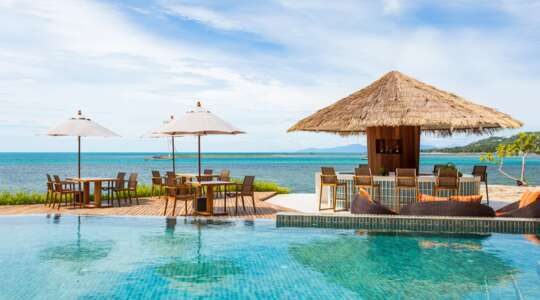
- Koh Samui
- 4.5 Star
Perfect for a romantic escape, this atmospheric hideaway offers a quiet setting and delicious cuisine.
From £1,426 p/p
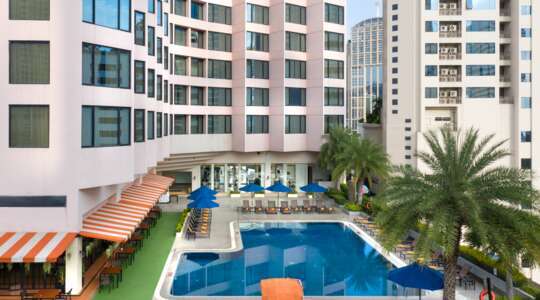
- Bangkok
- 4 Star
This hotel’s central location and excellent value make it a great base for exploring.
From £934 p/p
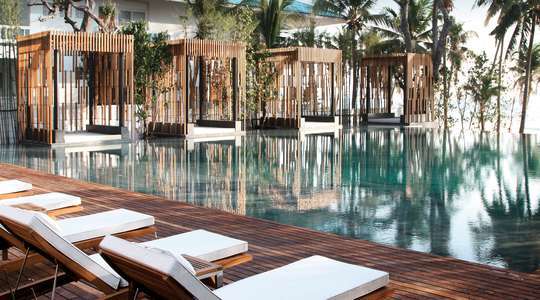
- Hua Hin
- 5 Star
This hidden gem is one of Hua Hin’s most intimate and beautifully appointed hotels.
From £1,289 p/p
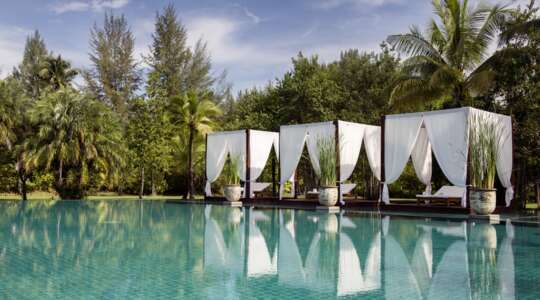
- Khao Lak
- 5 Star
This romantic boutique hideaway sits in tropical gardens that lead to a secluded beach.
From £2,060 p/p
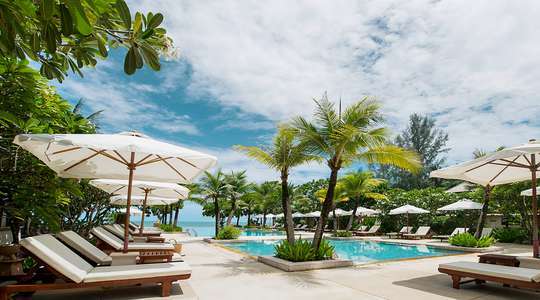
- Koh Lanta
- 5 Star
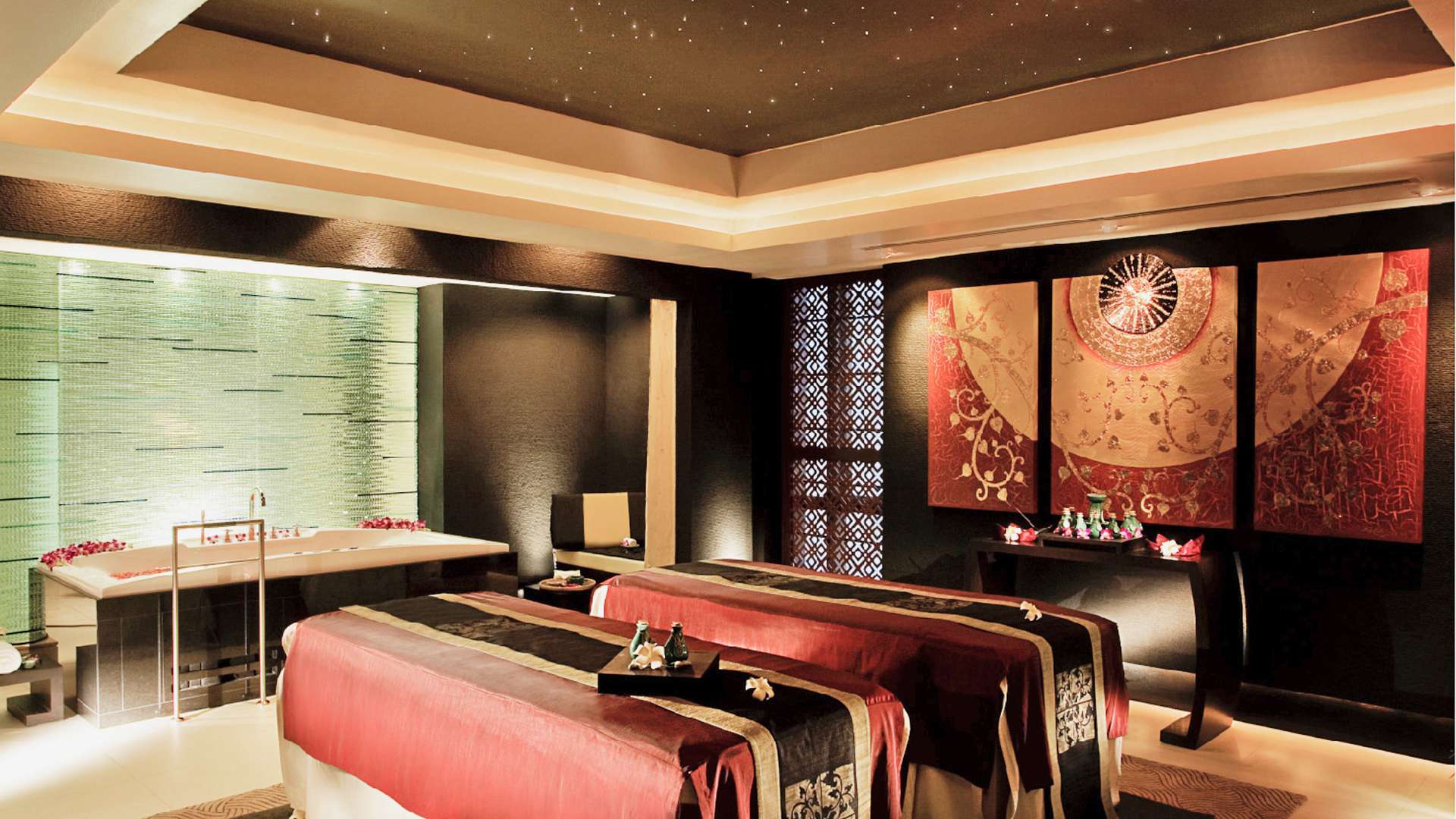
This intimate and stylish spa resort is a haven of romance and relaxation.
From £1,492 p/p
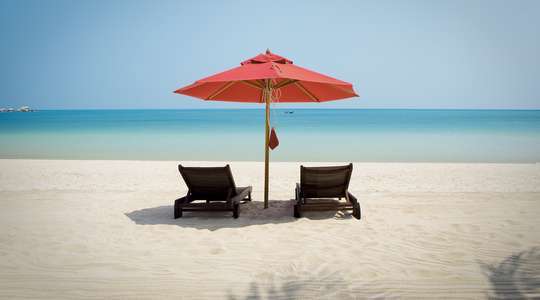
- Koh Phangan
- 5 Star
A chilled-out tropical paradise with pool suites and villas and a relaxed ‘no shoes’ vibe.
From £1,840 p/p
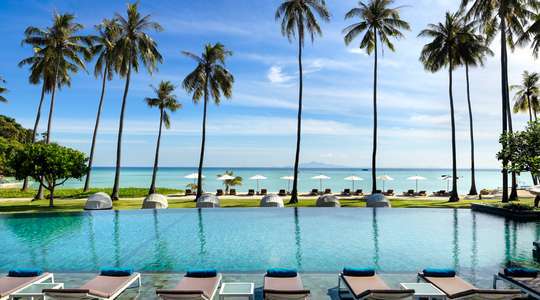
- Koh Phi Phi
- 4.5 Star
Contemporary Thai design is thoughtfully woven with natural elements to complement the peaceful setting.
From £1,574 p/p
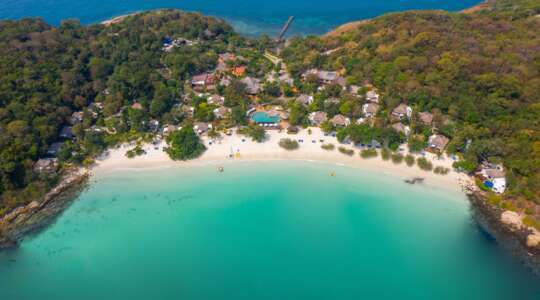
- Koh Samet
- 5 Star
This boutique, white-sand resort on unspoilt Koh Samet is designed with couples in mind.
From £1,383 p/p
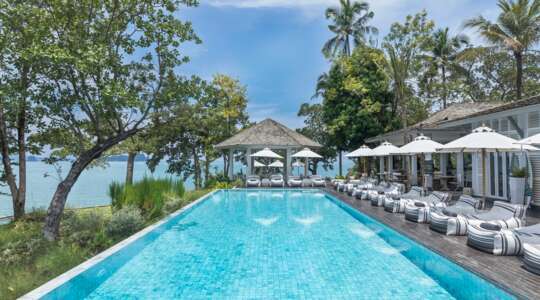
- Koh Yao Yai & Koh Yao Noi
- 5 Star
A boutique beach retreat on the serene island of Koh Yao Noi.
From £1,496 p/p
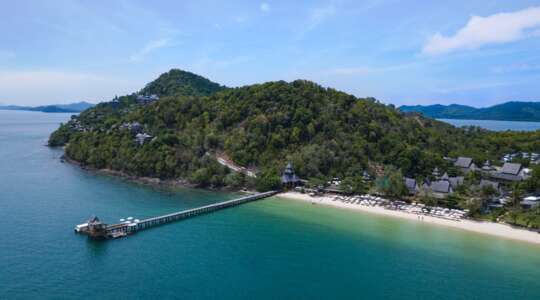
- Koh Yao Yai & Koh Yao Noi
- 5 Star
This resort blends eco-friendly luxury with traditional Thai style in a beachfront setting.
From £1,381 p/pYou may also like


-
-
Holiday type {{ holidayTypeFilters.length }}

- Honeymoons{{holidayTypeCountWith('Honeymoons')}}
- Sustainability{{holidayTypeCountWith('Sustainability')}}
-
-
- Kuoni recommended
- Name (A-Z)
- Rating (High to Low)
- Rating (Low to High)
- Price (High to Low)
- Price (Low to High)
- {{ filter.text }}
- Clear all

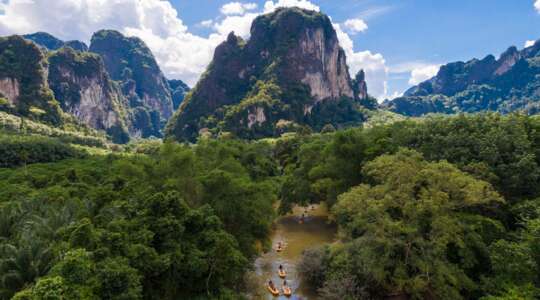
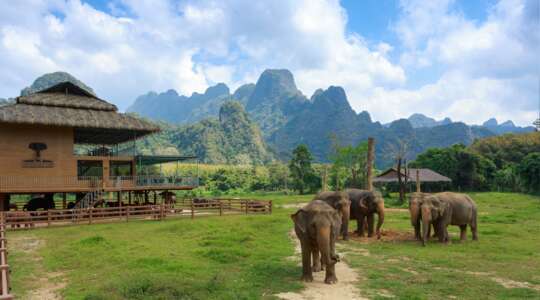
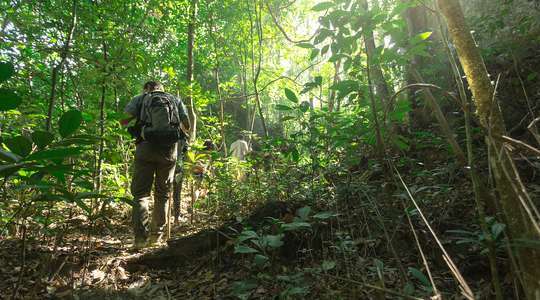
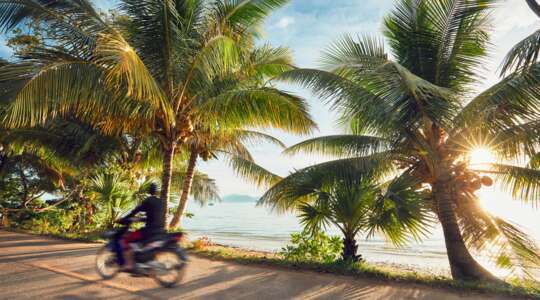
Koh Samui's Highlights In A Half Day
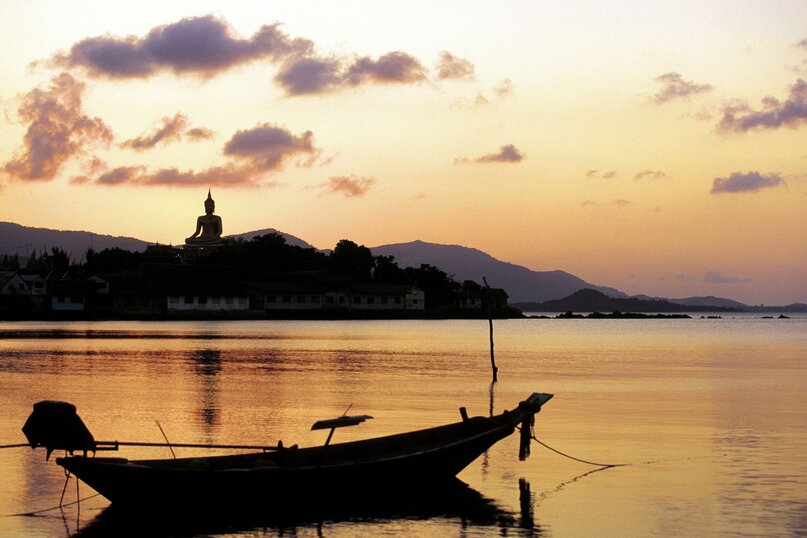
There’s more to Koh Samui than its gorgeous beaches as you’ll discover on this half-day journey around the island’s best-known sights. Top of the list is Wat Phra Yai, also known as Big Buddha Temple, on its own little island reached by a short causeway. Its star attraction is its impossible-to-miss 12-metre-high golden statue of Buddha, in a seated pose that represents purity. Take in the hilltop view over the sparkling sea and marvel at one of natures peculiar wonders - Grandma and Grandpa Rocks. Finally, you’ll visit Wat Khunaram and its slightly macabre claim to fame: the mummified body of a monk who died there in 1973, displayed in a glass case, and have some time to do some shopping in Nathon, the island's capital.
• Daily departures
• Operates year round
• Private experience
Good to know
Bring plenty of cash, as the prices at Nathon’s market are good value compared to those in the main tourist areas.
Koh Samui Jeep Safari
See a side of Koh Samui that most visitors don’t even know exists on this adventure-filled safari by all-terrain 4x4. The imaginative itinerary includes a mix of headline destinations and off-the-beaten-track gems that even the locals rarely get to. You’ll stop to admire the 12-metre-high gilded statue of Buddha at Wat Phra Yai - a real island landmark - and the mummified body of a monk in a glass display case at Wat Khunaram. But you’ll also make two visits to the majestic waterfalls at Na Muang - once to splash in the pools at the bottom and later to take in the striking outlook from the top - and follow sandy tracks to a stunning viewpoint only insiders know about. You’ll discover a verdant secret Buddha garden high in the hills, from where you can see for miles, and find that even lunch comes with stunning views.
• Operates Monday, Wednesday and Friday
• Operates year round
• Group experience
Good to know
The trip is suitable for all, but the path to the waterfall is quite steep, so wear comfortable clothing and shoes, and carry your belongings in a backpack to leave your hands free.
Koh Phangan Cruise
A cruise on a traditional Burmese “junk” sailing boat is a memorable way to spend a day exploring the beauties of Koh Samui’s laidback neighbour, Koh Phangan. Three times a week, the characterful wooden Chantara heads off to some of the island’s loveliest spots, such as Koh Ma reef; blessed with crystal-clear waters, it’s a top snorkelling destination, and there’s a dizzying abundance of underwater colour and life, from tropical fish to sea anemones. After a Thai-style buffet lunch, the Chantara stops at Thong Nai Pan beach where you can relax with a cooling drink, maybe have a massage, and appreciate the tranquillity of this secluded bay. As the journey back to Koh Samui begins, you’ll have a final opportunity to soak up the natural beauty of the island’s rugged coastline, stunning coves and deserted beaches - and maybe take just a few more photos.
• Operates on Tuesday, Thursday and Saturday
• Operates year round
• Group experience
Good to know
Bring plenty of sun cream, but snorkelling gear and towels are provided.
Muay Thai Master Class
The ancient art of Muay Thai - also known as Thai boxing - is an integral part of the country’s culture, and there’s no better place to learn about it than in its birthplace. For this two-hour masterclass, you’ll be collected from your hotel by an English-speaking guide and driven to one of Bangkok’s most important boxing stadiums. If you’re a Ryan Gosling fan, it might just look familiar; it was one of the locations for the action film Only God Forgives, in which he played the lead role. During the training session, you’ll learn some of the principles of “the art of eight limbs”, before trying out some basic moves for yourself under the supervision of an expert instructor. Afterwards, you’ll be taken back to your hotel for a well-earned rest.
• Daily departures
• Operates year round
• Private experience
Good to know
Soft drinks, coffee, water and all the boxing equipment you’ll require are provided, but you’ll need to bring a towel and wear suitable sportswear.
Bangkok's Highlights in a Day
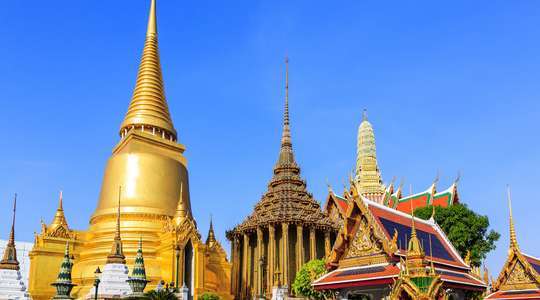
For those who like to pack the maximum into each day, this trip will take you to some of Bangkok’s most famous sights in comfort. The first stop of the morning is Wat Traimit, home to a three-metre-high statue of a seated Buddha made from solid gold; from here, you’ll travel to another temple, Wat Pho, with another statue of Buddha - this time reclining - that’s a massive 46 metres long. Next on the itinerary is the Grand Palace, a former royal residence, and the temple of the Emerald Buddha, though the statue is actually made of jade. After lunch, you’ll board a traditional boat to cruise along some of the city’s canals, taking in the sights of daily life along the way, before disembarking at your final temple of the day: the riverside Wat Arun, known for its distinctive multicoloured spire.
• Daily departures
• Operates year round
• Private experience
Good to know
You’ll need to dress appropriately for visiting the various temples: that means long trousers - not leggings - or skirts below the knee, and covered shoulders. Carry a lightweight, though not see-through, cover-up if you want to be more casual the rest of the day.
Bangkok By Night
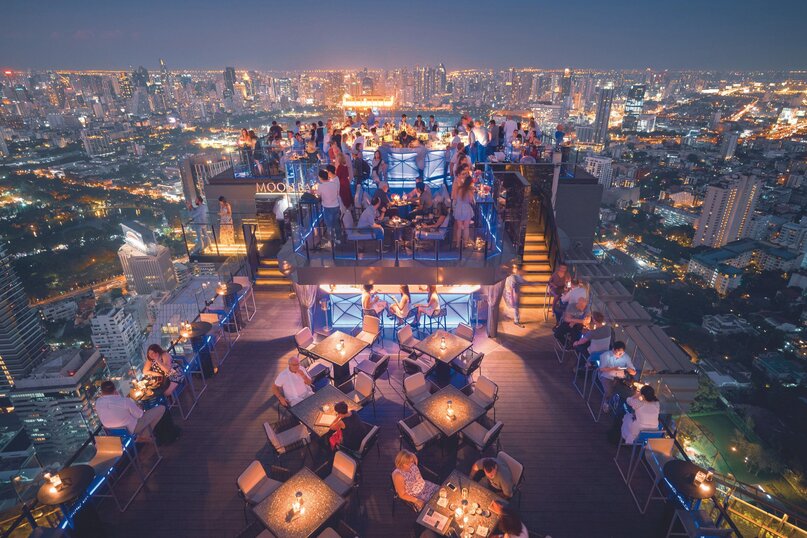
In the evening, temperatures drop and there’s less traffic, so it’s an ideal time to discover a different side of Bangkok. On this fascinating tour, you’ll travel by tuk tuk from the departure point at Lebua State Tower, a luxury hotel with amazing views from its various bars, to Chinatown for a herb-infused cocktail (or soft drink) and a Thai meal. Afterwards, you’ll whizz around the city’s historic heart past some of its most famous sights, including the Grand Palace - all lit up to spectacular effect. You’ll stroll through the grounds of a temple to admire the illuminations and explore bustling areas known for their amazing street-food scene. Along the way, you’ll have the chance to try some local sweet treats such as kluai thot - deliciously sticky pieces of deep-fried banana coated in sesame seeds - the perfect way to round off the evening.
• Daily departures
• Operates year round
• Private experience
Good to know
The tour is not suitable for children under 10. As for what to wear, you’ll need smart casual clothing if you want to visit the Lebua State Tower before the tour and suitable clothing for visiting temples. It can get surprisingly cool zipping around at night in an open-sided vehicle, so you’ll be grateful for the extra coverage. Transfers to departure point not included
Bangkok Your Way (Private Driver and Guide) - Half Day or Full Day
Whether you know precisely what you want to see or are looking for some suggestions from someone who knows the city like the back of their hand, there’s no better way of exploring Bangkok at your own pace than with a private guide and chauffeur. With the help of their insider tips, you’ll be able to get unique insights into the city’s most famous sights, discover hidden gems you’d never have stumbled upon on your own and learn about the country’s culture along the way. With stops wherever and whenever you want, and the ability to change course on a whim, it’s a superb option for those travelling with children and those who want a tailor-made immersion in the history and culture of Bangkok.
• Daily departures
• Operates year round
• Private experience
Good to know
You’ll have to pay locally for parking fees and tickets to any attractions you visit, and for any refreshments.
Ayutthaya’s Highlights In A Day
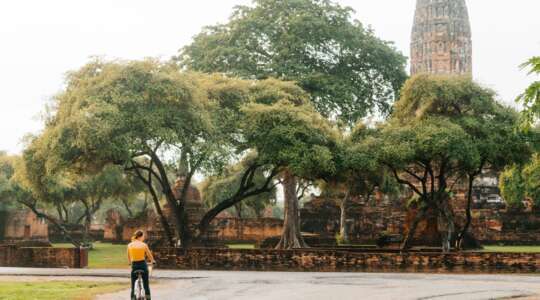
If you have a passion for history and a love of UNESCO World Heritage Sites, you won’t want to miss the chance to explore Thailand’s ancient capital. The city of Ayutthaya was one of the world’s most important urban areas from 1350 to 1767, before being sacked by the Burmese, and its ruins are a fascinating place to wander. On this engaging private experience, you’ll travel by train from Bangkok to Ayutthaya. Here, you’ll hop on one of the distinctive local “kermit” tuk-tuks - so-called because of their frog-green colour - to enable you to explore every corner of the Historical Park effortlessly, something that families, in particular, will appreciate. Soak up the views of crumbling temples, ancient statues and romantic towers, before boarding a riverboat for a restful, and scenic, return to Bangkok.
• Departures every Wednesday to Monday
• Operates year round
• Private experience
Good to know
Proper clothing is required for visiting temples. Includes roundtrip transfers.
Bangkok Street Food
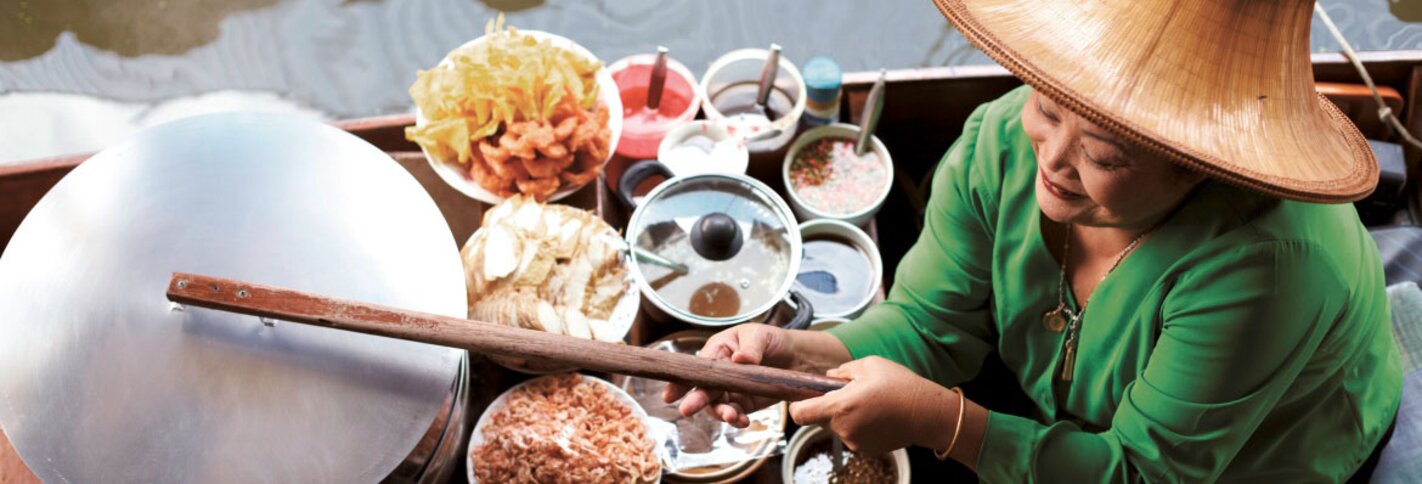
Thailand is known for its delicious street food, and one of the best places to sample it is in Bangkok’s historic Rattanakosin district, also known as the Old Town. On this four-hour tour, you’ll head off on foot with a local English-speaking guide to explore the narrow streets and alleyways of this atmospheric area, stopping at family-run shops, tiny cafés, street vendors and market stalls to sample their wares and learn about how they’re made. Sip a cup of old-style coffee, the thick and sweet kafae boran; feast on Chinese chive dumplings and succulent roast duck; and try typical sweet treats such as sticky-rice dumplings filled with mung-bean paste. Be sure to leave room for some coconut ice cream, handmade by the same family for generations.
• Daily departures
• Operates year round
• Group experience
Good to know
Suitable for children aged 12 and upwards. The tour includes visits to a temple and shrine, so dress appropriately. Transfers not included
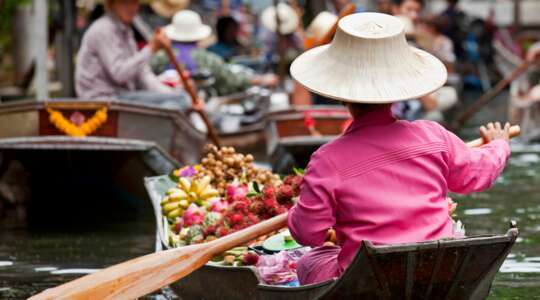
Bangkok’s Floating Market
One of Bangkok’s more colourful attractions, Damnoen Saduak Floating Market is rightly on many visitors’ not-to-be-missed lists. Heading out in the cool of the early morning, you’ll stop at iconic Wat Bang Kung, an ancient temple almost completely surrounded by the roots of a vast banyan tree, to soak up its unique atmosphere and learn about its not-always-peaceful history. From here, you’ll carry on to the floating market itself, which occupies a maze of narrow canals (khlongs) crowded with narrow wooden sampans piled high with produce. You’ll venture out on the water in your own boat, where you’ll have plenty of opportunities to take some superb photos and bargain for typical snacks. Your final destination is the extraordinary Rom Hub Railway Market, whose stalls lie on either side of an active railway track, meaning that the vendors have to pull everything out of the way every time a train goes past - which is quite a sight!
• Daily departures
• Operates year round
• Private experience
Good to know
Not recommended for families with younger children.
River Kwai Highlights In A Day
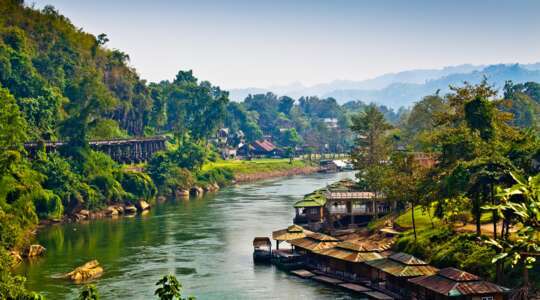
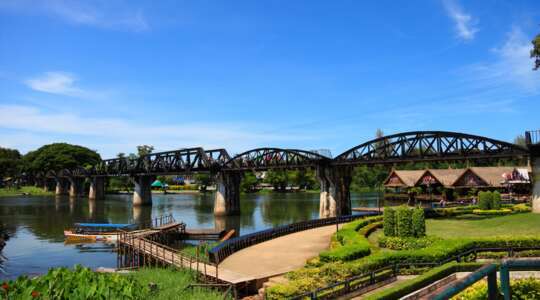
Symbolising the horrors of World War II in Asia, the bridge on the River Kwai at Kanchanaburi is almost a place of pilgrimage for history buffs, film aficionados and anyone curious about the relatively recent past. On this poignant trip, you’ll learn all about the building of the infamous bridge that was designed to link up a direct railway line from Bangkok to Rangoon (now Yangon) to support the Japanese occupation of Burma (now Myanmar) in 1943. You’ll visit the graves of members of the Allied Forces on a tour of the Kanchanaburi War Cemetery, before looking at historical photographs and paintings at the JEATH War Museum, both emotionally moving experiences. To complete your day, you’ll take a memorable ride on the Thailand-Burma Railway itself, also known as the Death Railway because of the thousands of POWs and forced local workers who lost their lives during its construction.
• Daily departures
• Operates year round
• Private experience
Good to know
The trip is suitable for all ages.
Chiang Mai Street Food
Northern Thailand’s distinctive food culture is a product of its history and geography, with influences from Laos, Burma and the Khmer Empire. On this gastronomic evening tour, you’ll learn all about its most typical dishes from someone who grew up eating them, and discover Chiang Mai’s laidback nighttime vibe at the same time. Your foodie experience will kick off with a starter at a small restaurant that specialises in the local Lanna cuisine, as it's called. Afterwards, you’ll continue on to the nearby night market - a hive of activity after dark - where stall after stall serves up irresistible street food and drinks of every kind. You’ll learn how each is made and, of course, sample more than a few. Rounding things off in style, the tour concludes with a nightcap at a hip riverside bar.
• Daily departures
• Operates year round
• Private experience
Good to know
The tour is not suitable for under 18s. Local beer is included, but there’s a surcharge for the optional craft-beer tasting.
Chiang Mai’s Highlights in Half a Day
Thailand’s second city is an engaging place to spend a few days, and it’s not short on must-see sights either. On this half-day adventure, you’ll start in the hustle and bustle of Warorot, Chiang Mai’s oldest market. Inside the three-storey building, there are stalls selling a dizzying array of local foodstuffs, as well as clothing, beauty products and more, and the action spills out into the streets around it. From here, you’ll cross into the city’s moated old quarter for a complete change of tempo at Wat Phra Singh, known for the beautiful and intricate gilded facade of its main building. Next you’ll head to Wat Suan Dok, just beyond the city walls, with its garden of whitewashed tombs and golden pagoda. Finally, you’ll be driven up the winding road to the summit of Doi Suthep mountain to visit the ancient and venerated Wat Phra That Doi Suthep. On a clear day, you can see the 600-year-old gold-plated Chedi at its heart from miles away, and it’s even more impressive up close. Don’t miss the promenade at the rear of the temple: the view of the city from here is stunning.
• Daily departures
• Operates year round
• Private experience
Good to know
As the itinerary includes several temples, you’ll need to dress appropriately: long trousers, below-the-knee skirts and covered shoulders.
Thai Cooking Class in Chiang Mai
It’s hard to think of a more long-lasting legacy of a trip to Thailand than being able to recreate some of its best-loved dishes back home. On this half-day cooking class, you’ll begin with a visit to the local produce market to learn about the key ingredients - from herbs and spices to vegetables and roots - and how to choose the best. From here, you’ll head into the kitchen where a professional chef will teach you how to prepare three classic Thai dishes, which you’ll enjoy for lunch.
• Daily departures
• Operates year round
• Group experience
Good to know
Suitable for children over 12. The cost includes private transfers to and from Chiang Mai, but the class itself is shared with other participants.
Chiang Mai Old Town Walking Tour
Thailand’s second city is an engaging place to spend a few days, and it’s not short on must-see sights either. On this half-day adventure, you’ll take one of the distinctive red local taxis, or songthaew, to a laidback guesthouse by the main entrance to the moated old quarter. From here, a short walk will take you across the moat to Somphet, a typical small food market packed with stalls piled high with fruit, vegetables and more. Next, you’ll wander along atmospheric alleyways to Wat Chiang Man, Chiang Mai’s oldest temple. After a visit to the fascinating Folklife Museum, where you’ll learn something of the local Lanna culture, you’ll explore two more ornate temples: Wat Phan Tao and Wat Phra Singh. Finish with a taste of local street food for lunch before another songthaew whisks you back to your hotel.
• Daily departures
• Operates year round
• Private experience
Good to know
The tour is mainly on foot, so parents should ensure their children will be fine with walking or able to be carried if necessary. As the itinerary includes several temples, you’ll need to dress appropriately: long trousers, below-the-knee skirts and covered shoulders.
Ethical Elephants Encounter - Morning
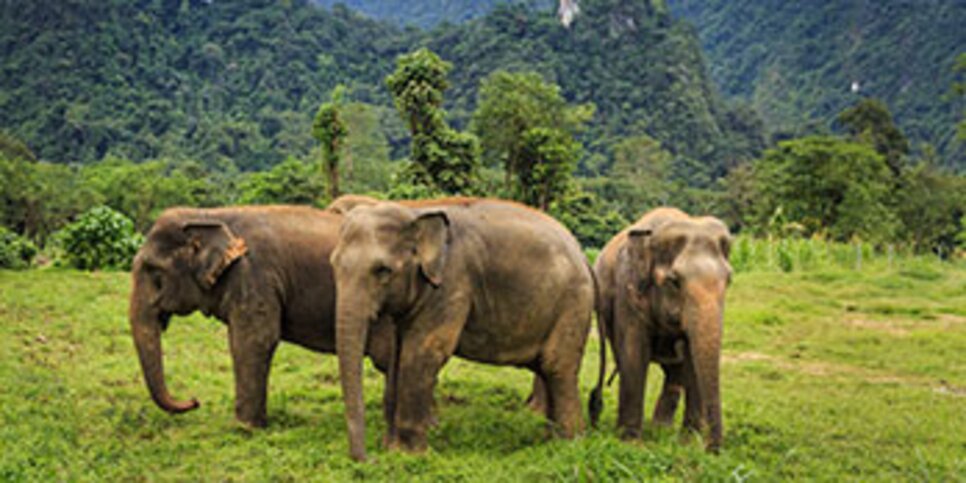
You’ll be collected from your hotel early and taken to ChangChill, an elephant sanctuary 90 minutes from Chiang Mai. On arrival, you’ll take an elephant walk, following a guide into the forest to watch the elephants grazing and socialising. You’ll learn more about ChangChill's four resident elephants and facts about Asian elephants. You’ll meet the mahouts and have the chance to ask questions about elephant conservation. You’ll pause for traditional Thai refreshments, watching the elephants bathing and playing in a mud pit. Then, you’ll head to a riverside Sala to help fill the elephant's feeding tubes with corn, sugar cane, grass, and bananas. During and after a lunch of delicious vegetarian Thai dishes, you’ll watch the elephants eating before you transfer back to your hotel.
Ethical Elephants Experience - Full Day
Your day begins with an early morning collection from your hotel, heading to ChangChill, an elephant sanctuary around 90 minutes from Chiang Mai. On arrival, you’ll take an unforgettable elephant walk through the forest, led by an experienced guide. You will witness the majestic creatures grazing and interacting with one another. During the walk, you will learn more about the resident elephants at ChangChill and some interesting facts about Asian elephants. You'll take a break to enjoy some traditional Thai refreshments when you can continue to watch the elephants take a refreshing dip in a mud pit and play. Afterwards, you'll lend a hand in filling feeding tubes with a variety of elephant treats such as corn, sugar cane, grass, and bananas. Following a vegetarian Thai lunch, there'll be a traditional herb lesson which takes place in the sanctuary's own herb garden, and a 'cooking class' during which you will prepare the four elephant's supplements.
Highlights of Petchburi
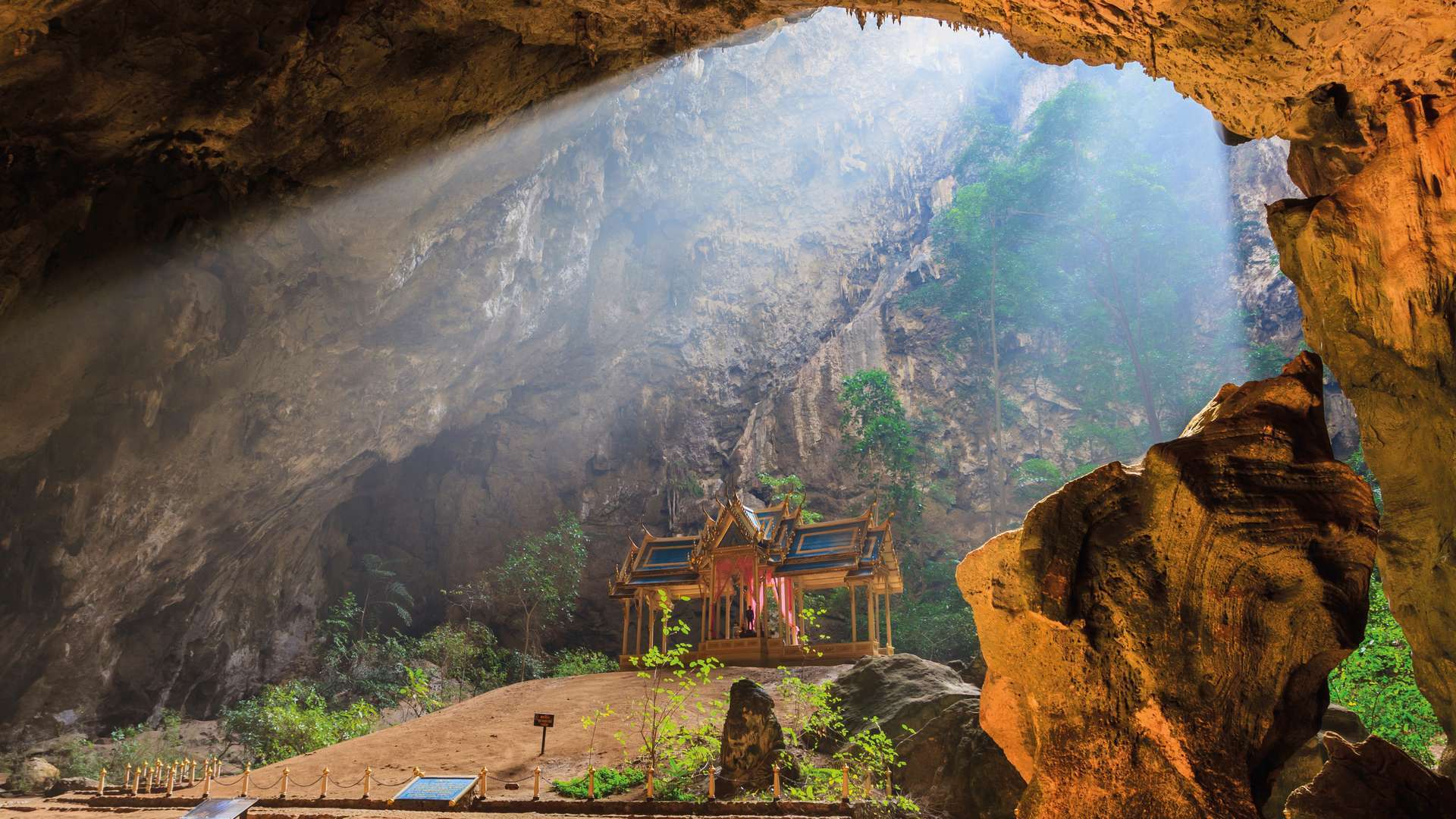
Explore must-see locations in the provincial capital of Petchburi province, visiting the hilltop summer palace of King Rama IV and the ancient temple Wat Mahathat . The second part of the tour explores the magical atmosphere within the Khao Luang Cave, scented with incense and filled with 170 illuminated golden Buddha images, several chedis, and stalactites.
• Daily departures
• Operates year-round
• Private experience
Jungle Waterfall Trek
Embark on an exciting journey through pineapple plantations and trek to Pala-U Waterfall, located in the jungle of the Kaeng Krachan National Park near the Myanmar border. The waterfall has 14 different tiers, and you can either take a stroll to the third station or climb to the top for a more challenging experience. Later, you’ll stop at the Wat Huay Mongkul temple, famous for its colossal 12-meter statue of one of Thailand's most renowned monks, Luang Pu Thuat.
• Daily departures
• Operates year-round
• Private experience
Discover Bangkok from Hua Hin
Discover one of the world's most vibrant cities, Bangkok. During your visit, explore the city's cultural highlights, including the Grand Palace and Royal Palace, as well as Wat Pho, home to a 46-meter-long reclining Buddha. Afterwards, continue your exploration by taking a cruise down the Chao Phraya River and witnessing the local way of life on both banks. Enjoy a delicious lunch before strolling through Chinatown to visit the Golden Buddha temple, Wat Trimit. This temple is home to the most significant golden Buddha in the world. Finally, take a stroll through the famous flower market.
• Departs on Sunday
• Operates year-round
• Private experience
Floating Market & the River Kwai Discovery
Visit one of Thailand's famous floating markets, Damnoern Saduak. Watch as lively vendors on small boats chat with the shoppers on the banks before boarding a traditional long-tail boat and cruising through the small canals. Afterwards, you will take a journey on the Death Railway through the beautiful landscape. After lunch, you’ll visit the world-famous bridge over the River Kwai, followed by a visit to the Jeath War Museum and War Cemetery.
• Departs on Thursday
• Operates year-round
• Private experience
Thai Cooking Class in Khao Lak
With a Bib Gourmand from the Michelin Guide people for its authentic southern Thai cuisine, Nai Mueang is well worth a visit. For anyone who’d like to recreate some of those dishes at home, this quirky little restaurant also runs regular cookery classes that will appeal to food-loving couples and honeymooners. Your morning starts with a visit to the restaurant's herb and vegetable garden where you'll pick your ingredients. You’ll learn about Thai herbs, cooking techniques and vegetable carving, before getting busy preparing the food itself under the guidance of one of the chefs. You’ll end the session by sitting down in the delightful retro-themed dining room to eat what you’ve prepared for lunch.
• Daily departures
• Operates year round
• Private experience
Good to know
Bring insect repellent, money for tips and a notebook for jotting down extra information about the various techniques you’ll be taught.
Similan Islands Cruise fom Khao Lak
Fringed by powder-soft beaches lapped by crystal-clear azure waters, the Similan Islands are everyone’s idea of a tropical paradise. You’ll spend a day travelling by speedboat and taking in their natural charms, above and below the waves, with plenty of opportunities for swimming, snorkelling and hiking. The first port of call is the wonderfully named Donald Duck Bay on Koh Similan, where there’ll be time to climb up to the curiously shaped granite boulder known as Sail Rock to take in the views. After a stop to check out the colourful world underwater, you’ll drop anchor at Koh Similan. Enjoy a delicious picnic lunch on the picture-perfect sands of Princess Bay before following the short nature trail to Honeymoon Bay, a stunning spot where you can swim or sunbathe. There’s one final stop at either Koh Similan or Koh Bon for a snorkelling session over a pristine coral reef teeming with life before you head, reluctantly, back to the mainland.
• Daily departures
• Operates November-April
• Group experience
Good to know
You’ll need to provide a copy of your passport at time of booking to comply with new Similan Islands National Park regulations. The trip is suitable for all except children under four, those who are physically challenged and pregnant women. Travel is by speedboat.
Surin Islands Cruise from Khao Lak
A cluster of tiny specks of land adrift in the Andaman Sea, the Surin Islands have an unspoiled beauty that will enchant everyone who comes here. After an early start, you’ll reach Ao Mae Yai, a picturesque bay on the main island of Ko Surin Nuea blessed with a sweep of white sand and calm, clear waters - it’s a perfect spot for snorkelling. From here, you’ll cruise past a tiny village that houses the Moken, sea nomads who traditionally lived from and on the sea between Thailand and Burma, and who have a fascinating history. Ashore, a 2km trail through the jungle leads to the National Park’s rustic restaurant overlooking another sheltered beach, where you’ll enjoy a leisurely lunch. There’s just time before heading back to the mainland for another snorkelling stop and, in season, for a whale shark watching session.
• Departs Tuesdays, Thursdays and Saturdays
• Operates November-April
• Group experience
Good to know
The itinerary is not completely set in stone, as the choice of snorkelling spots depends on conditions on the day.
Avoid The Crowds Phi Phi Island Cruise from Khao Lak
Make an early getaway to Koh Phi Phi to enjoy this scenic archipelago in the Andaman Sea at its tranquil best. Travelling by speedboat, you’ll arrive first at Koh Khai, a tiny island tucked away in Phang Nga Bay. Here, you’ll stop to take in the powder-soft white beach lapped by crystal-clear turquoise waters and have a serene swim surrounded by tropical fish. On arrival at Koh Phi Phi, you’ll make for stunning Ao Pileh lagoon on the second-largest island, whose emerald waters are a delight for photographers and snorkellers alike. Other sights include the so-called “Viking Cave” which owes its nickname to the images of different types of boats - including one that looks like a Viking longboat - painted on its walls, and Monkey Beach, home to a colony of long-tailed macaques. After lunch, on the way back to port, there’s a final stop at low-lying Bamboo Island to snorkel along pristine coral reef: the perfect finale to a scenic adventure that will appeal to all.
• Daily departures
• Operates year round
• Group experience
Good to know
This trip is not recommended for the under fours, the over 70s and pregnant women.
Thai Cooking Class in Koh Lanta
Sometimes the best souvenirs to bring back from holiday are the ones you can’t see, such as great memories and new-found skills. This relaxed cooking class fits the bill on both counts, thanks in part to its superb beachfront setting. Under the supervision of a professional local chef, with the sound of the waves in the background, you’ll learn the skills and techniques you’ll need to make authentic Thai favourites such as green curry, stir-fried chicken with cashew nuts and several fragrant soups. The reward for your efforts is a laidback lunch overlooking the sea, listening to music and enjoying the dishes that you’ve prepared, plus a fistful of recipes to take away so you can recreate the dishes back at home. It’s a delightful way to spend a morning that will appeal to everyone from couples to groups of friends and families with older children.
• Departs Wednesday to Sunday
• Operates year round
• Group experience
Good to know
The class is unsuitable for children under 12. All dishes can be adapted for vegans, vegetarians or those with any allergies. It’s a good idea to bring extra cash to buy drinks, kitchen utensils or sauces to take home as unique souvenirs.
Koh Rok Islands Cruise
Immerse yourself in the natural beauty of one of the most idyllic corners of Koh Lanta Marine Park. Zipping across the Andaman Sea in a speedboat - a burst of joy in its own right - you’ll arrive in next to no time at the craggy twin islands of Koh Rok Nok and Kho Rok Nai, separated by a narrow channel. The more adventurous may opt to hike through the lush, rugged interior looking out for monitor lizards; others will be happy to spend the day on the beach, marvelling at the powder-soft sand and enjoying the occasional lazy swim in the sparkling turquoise sea. The crystal-clear waters around Koh Rok are a snorkeller’s dream, thanks to an extensive reef system that’s teeming with colourful aquatic life - the keen-eyed may be lucky enough to spot hawksbill turtles, moray eels or even a black-tip shark.
• Daily departures
• Operates from November to May
• Group experience
Good to know
The National Park fee is included in the price. The tour is not suitable for children under the age of four.
Phi Phi Island Cruise from Koh Lanta
Enjoy a relaxing day discovering the natural delights of Koh Phi Phi, a scenic archipelago of six specks of land in the Andaman Sea roughly halfway between Koh Lanta and Phuket. Travelling by speedboat, you’ll arrive in around half an hour at beautiful Ao Pileh lagoon on the second-largest island, where you’ll have a chance to plunge into its emerald waters for a swim and a snorkel. Once you’ve dried off, the next port of call is the so-called “Viking Cave” which owes its nickname to the images of different types of boats - including one that looks like a Viking longboat - painted on its walls. From here, you’ll make for another highly rated snorkelling spot, passing the main filming location for Leonardo DiCaprio’s The Beach. The day ends on Phi Phi Don, the largest island and the only one that’s inhabited, where you’ll have time to swim, hike to the viewpoint or browse the tiny street stalls.
• Daily departures
• November to May
• Group experience
Good to know
The National Park fee is included in the price. The tour is not suitable for children under the age of four.
Hong Islands By Private Boat from Krabi
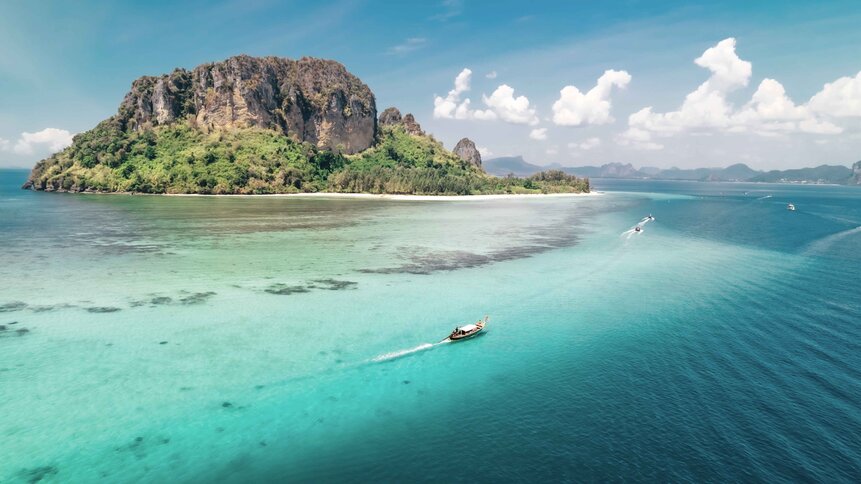
A day surrounded by the breathtaking scenery of Koh Hong is a treat in itself, and it’s even more memorable with the luxury of a private longtail boat just for you and your loved ones. There’ll be plenty of time to explore the tiny tropical archipelago, with its powder-soft beaches, limpid azure waters and lush greenery. Beyond the beach on the main island is an 800-metre nature trail for the more energetic to explore, but the main attraction is the stunning lagoon surrounded by soaring limestone formations, accessible only by boat. Created when a giant cave collapsed thousands of years ago, it’s perfect for swimming and a delight for photographers. After lunch, you will continue to the even more unspoiled islets of Ko Pak Bia and Koh Lao Lading, also known as Paradise Island, where you will have free time to chill out or explore at your leisure.
• Departs daily
• Operates year round
• Private experience
Good to know
The tour is not recommended for children under the age of four. The price includes the National Park fee. Please mention any special dietary requirements when booking.
Jungle Hot Spring Spa from Krabi
Delve into the nature, culture and adventurous spirit of Krabi. Kick-start the day at one of Thailand’s most famous monasteries, the sacred Wat Tham Suea (Tiger Cave Temple). Here, you can meet the monks who live and worship in this maze of emerald caves, poised gracefully on a jungle-clad hilltop. Scale the 1260 steps to the top of the temple and you’ll be rewarded with jaw-dropping views over Thailand, or stay put and watch families of macaque monkeys play among the temple grounds. At Khao Pra-Bang Kramv rainforest, scan the skies for black hornbills and take a dip in the clear-as-glass Emerald Pool and Blue Lagoon. Stop for lunch at a local Thai restaurant, before an afternoon at the Hot Springs where a private spa zone has been reserved for you. Away from the crowds, bathe in the warm mineral-rich waters of these volcanic springs and emerge rejuvenated.
• Daily departures from hotels in the Tubkaak, Klong Muang or Ao Nang areas
• Operates year-round
• Private experience
Thai Cooking Class in Krabi
Ever since the first Thai restaurant opened in London in 1967, the British have been slowly falling for the country’s food culture with its potent mix of intense tastes, and learning how to prepare some of its most delicious dishes is a truly satisfying way to spend a morning. Under the guidance of a well-regarded and experienced local chef, you’ll discover the essential facts about the ingredients and techniques that are the keystone of the cuisine, and how to combine pungent flavours so they complement each other. After watching a demonstration, you’ll get going on preparing your own lunch from scratch, with help if needed. As a hands-on experience, it’s great fun for anyone of all ages from teenager upwards - and you’ll leave with a new-found talent with which to wow your friends and family back home.
• Daily departures
• Operates year round
• Group experience
Good to know
The experience is not recommended for the under 12s. Please mention any special dietary requirements or allergies when booking.
Krabi Island Hopping
Drift between the soul-stirring islands of the Andaman Sea and sink your toes into the sands of Krabi’s most astounding beaches. You’ll feel your shoulders relax the minute you step on board, with the warm breeze on your skin and an icy glass of prosecco in-hand. While the sun shines, sail to picturesque shores and jump off the boat for swimming and snorkelling. Plunge into the powder-blue waters, where limestone karsts pierce the surface, and marvel at the kaleidoscope fish darting between coral. In the evening, you’ll be whisked off to a secluded island in the middle of the ocean for a cool glass of sparkling wine. Later, small bites and a sunset cocktail will be served on Pan Beach, where you can watch the sun dip below the horizon and wait for the stars to stud the night sky.
• Daily departures
• Operates year-round
• Private experience
Krabi Street Food
Krabi is famous for its delicious street food. Spend an evening exploring the town and the beach areas to find a variety of street food options that are tasty and affordable. The food of Southern Thailand draws on influences from India and Java, where traders once sailed into the many ports of the peninsula. The coconut is a prominent part of the local cuisine, used for everything from thickening soups and curries with its milk to frying foods with its oil and even using its grated flesh as a condiment. Cashew nuts and pineapples are also grown in abundance and are an integral part of the cuisine.
Kayaking Bor Thor from Krabi
Join a kayaking adventure in the beautiful Krabi region, known for its diverse scenery and abundant wildlife. During this trip, you’ll kayak through mangroves and caves in Ban Bothor, exploring areas only accessible by kayak. The area is surrounded by nature and protected by cliffs, providing a serene atmosphere as you paddle down the narrow river of Tam Lod Nuea. Your guide will take you through the tunnel of Lod Cave, which is full of impressive stalactites and stalagmites, leading to hidden lagoons. As you continue down the river, you’ll enter Pee Hua Tho Cave, adorned with ancient wall paintings dating back centuries. Wild monkeys, crabs, and mud skippers are commonly seen in this area. This adventure is suitable for everyone, regardless of your previous experience level.
Andaman Sea Kayaking
Phang Nga National Marine Park is dotted with tiny islands adrift in the Andaman Sea, with spectacular scenery that invites thorough exploration. On this memorable visit, you’ll be paddled by an expert local guide around its most appealing sights in a super-stable inflatable kayak, so all you have to do is sit back and relax. During the trip, you’ll venture into atmospheric sea caves, check out pristine beaches and marvel at extraordinary rock formations. You’ll stop on spectacular islands such as Koh Panak, where your guide will take you through the caves, pointing out the local wildlife, and Koh Hong, known for its beautiful hidden lagoon. You’ll pause for photos at Khao Phing Kan, otherwise known as James Bond Island because it features in The Man with the Golden Gun. And along the way, there’ll be opportunities to swim in the crystal-clear water or pick up the paddles yourself.
• Tuesday, Thursday and Saturday departures
• Operates year round
• Group experience
Good to know
This trip is not recommended for the under four. The itinerary is not completely set in stone, as it depends on conditions on the day.
Phi Phi Islands Cruise from Phuket
Enjoy a relaxing day discovering the natural delights of Koh Phi Phi, a scenic archipelago of six specks of land in the Andaman Sea roughly halfway between Koh Lanta and Phuket. Travelling by speedboat, you’ll make your first stop at low-lying Bamboo Island to snorkel along its pristine coral reef. From here, you continue on to Phi Phi Don, the largest island and the only one that’s inhabited, where you’ll have time to swim, hike to the viewpoint or browse the tiny street stalls before lunch. You’ll motor on to Monkey Beach, home to a colony of long-tailed macaques, and “Viking Cave” which owes its nickname to the images of different types of boats - including one that looks like a Viking longboat - painted on its walls. At beautiful Ao Pileh lagoon on the second-largest island, you’ll have a chance to plunge into its emerald waters for a swim and a snorkel, before a final stop at Koh Rang Yai where pearls are farmed.
• Daily departures
• Operates year round
• Group experience
Good to know
This trip is not recommended for the under fours, the over 70s and pregnant women.
Similan Islands Cruise from Phuket
Fringed by powder-soft beaches lapped by crystal-clear azure waters, the Similan Islands are everyone’s idea of a tropical paradise. You’ll spend a day travelling by speedboat and taking in their natural charms, above and below the waves, with plenty of opportunities for swimming, snorkelling and hiking. The first port of call is the wonderfully named Donald Duck Bay on Koh Similan, where there’ll be time to climb up to the curiously shaped granite boulder known as Sail Rock to take in the views. After a stop to check out the colourful world underwater, you’ll drop anchor at Koh Similan. Enjoy a delicious picnic lunch on the picture-perfect sands of Princess Bay before following the short nature trail to Honeymoon Bay, a stunning spot where you can swim or sunbathe. There’s one final stop at either Koh Similan or Koh Bon for a snorkelling session over a pristine coral reef teeming with life before you head, reluctantly, back to the mainland.
• Daily departures
• Operates November to April
• Group experience
Good to know
You’ll need to provide a copy of your passport at time of booking to comply with new Similan Islands National Park regulations. The trip is suitable for all except children under four, those who are physically challenged and pregnant women. Travel is by speedboat.
Surin Islands Cruise from Phuket
A cluster of tiny specks of land adrift in the Andaman Sea, the Surin Islands have an unspoiled beauty that will enchant everyone who comes here. After an early start, you’ll reach Ao Mae Yai, a picturesque bay on the main island of Ko Surin Nuea blessed with a sweep of white sand and calm, clear waters - it’s a perfect spot for snorkelling. From here, you’ll cruise past a tiny village that houses the Moken, sea nomads who traditionally lived from and on the sea between Thailand and Burma, and who have a fascinating history. After another swim-and-snorkel session, you’ll head to the National Park’s rustic restaurant overlooking another sheltered beach, where you’ll enjoy a leisurely lunch. There’s just time before heading back to the mainland for another snorkelling stop and, in season, for a whale shark watching session.
• Departs Tuesdays, Thursdays and Saturdays
• Operates from November to April
• Group experience
Good to know
This trip is not recommended for the under fours, the over 70s and pregnant women. The itinerary is not completely set in stone, as the choice of snorkelling spots depends on conditions on the day.
Avoid The Crowds Phi Phi Island Cruise from Phuket
Make an early getaway to Koh Phi Phi to enjoy this scenic archipelago in the Andaman Sea at its tranquil best. Travelling by speedboat, you’ll arrive first at Koh Khai, a tiny island tucked away in Phang Nga Bay. Here, you’ll stop to take in the powder-soft white beach lapped by crystal-clear turquoise waters and have a serene swim surrounded by tropical fish. On arrival at Koh Phi Phi, you’ll make for stunning Ao Pileh lagoon on the second-largest island, whose emerald waters are a delight for photographers and snorkellers alike. Other sights include the so-called “Viking Cave” which owes its nickname to the images of different types of boats - including one that looks like a Viking longboat - painted on its walls, and Monkey Beach, home to a colony of long-tailed macaques. After lunch, on the way back to port, there’s a final stop at low-lying Bamboo Island to snorkel along pristine coral reef: the perfect finale to a scenic adventure that will appeal to all.
• Daily departures
• Operates year round
• Group experience
Good to know
This trip is not recommended for the under fours, the over 70s and pregnant women. Early morning start.
Discover Phuket
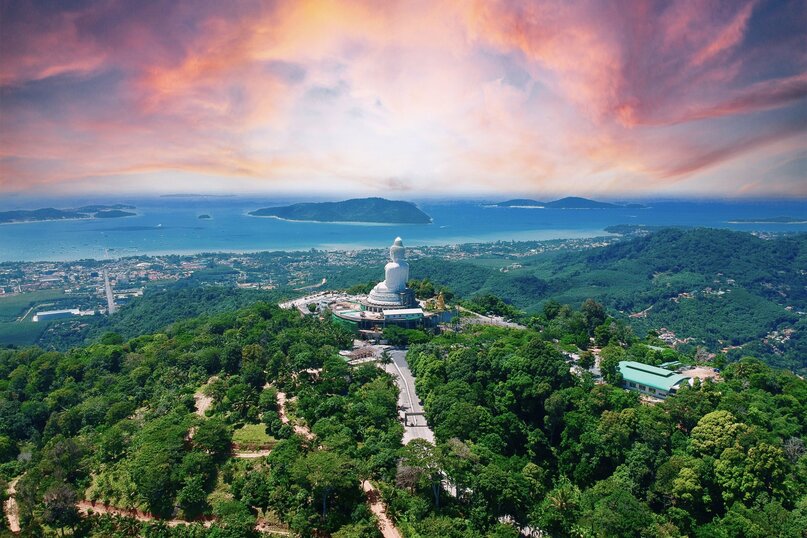
Go behind the scenes of Phuket and get to know its famous highlights and island industries on a full-day group tour. The day begins with a scenic drive along the coast road, hugging some of Asia's most beautiful beaches. You’ll arrive at Nakkerd Hill to visit the Big Buddha, a 45-metre-tall marble Buddha. Savour the panoramic view over southern Phuket before moving on to Wat Chalong, Phuket's largest and most revered monastery. There’s a late morning visit to a traditional cashew nut factory before visiting the oldest Chinese temple in Phuket Town to learn about Chinese influences on the island. Before lunch, there’s time to visit Chin Pracha House, a Sino-colonial mansion. Lunch is served at a local farm in Old Phuket. You’ll visit a typical farmhouse and watch a demonstration at a local rubber plantation and see how rice is planted and grown.
• Daily departures
• Operates daily
• Group experience
Elephant Care Experience in Phuket
This half-day trip is a fantastic opportunity to get close to Thailand’s remarkable elephants, where the emphasis is on learning from the sanctuary’s caretakers. After a scenic drive through a local village, you’ll arrive at the elephant sanctuary in a picturesque jungle dotted with ponds, open fields, and hills for the elephants to roam around. Your visit starts at the Tree Top Lounge, where you’ll be shown a documentary to prepare you for your encounter with the elephants. Next, you will feed the elephants. While they enjoy their baskets of fruits, you have a chance to learn from the caretakers about the background of each elephant. You’ll venture into the sanctuary and explore Thailand’s longest canopy walkway and nature trails to locate the elephants and observe them foraging and bathing freely. By keeping a safe and respectful distance, the elephants can express their natural behaviour, play and socialise with each other. Before your trip ends, a delicious vegetarian Thai lunch is served.
• Daily departures
• Operates year-round
• Group experience
With so much variety on offer, one trip to Thailand is never enough. We’re here to help you choose where to go, how to get around and what to do as well as tell you about those all-important practicalities.
 Capital
 TIME DIFFERENCE
GMT +7 hours
 CURRENCY
Thai Bhat
 FLYING TIME TO DESTINATION
Bangkok 11½ hours
 RELIGION
The most common religion in Thailand is Buddhism
 LANGUAGE
Thai; over 73 languages are spoken throughout Thailand
Where is Thailand?
Between the Indian and Pacific oceans, Thailand’s mainland is nestled in-between Myanmar (Burma) and Laos in the north as well as bordering Cambodia and Malaysia in the south. It’s home to over 1400 islands which are found around its coast in the Andaman Sea and the Gulf of Thailand.

Cities
Thailand’s capital, Bangkok is the start point for most Thai adventures. Loud and energetic, this is modern Thailand at full capacity. Contemporary high-rise hotels with rooftop pools punctuate the skyline, and yet traditions remain as important and visible as ever. Up in northern Thailand, there is the duo of cities: Chiang Mai and Chiang Rai. There are temples aplenty and buzzing markets where you can barter to your hearts content.
Beaches
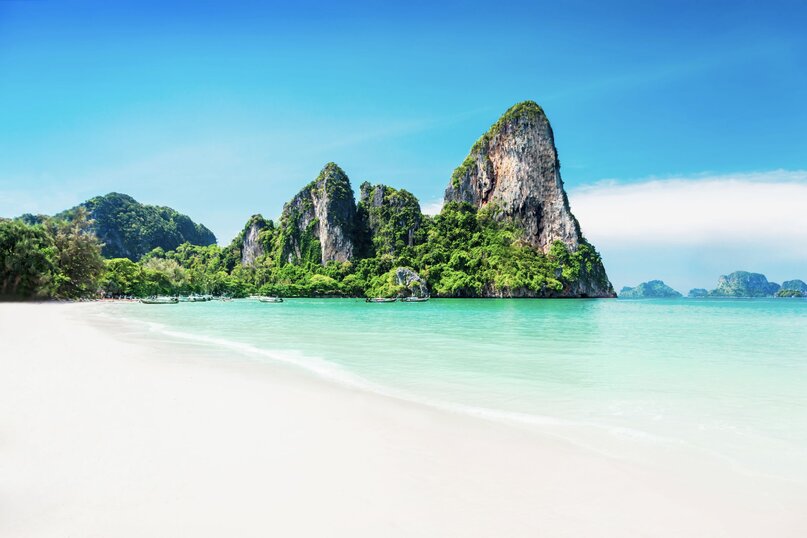
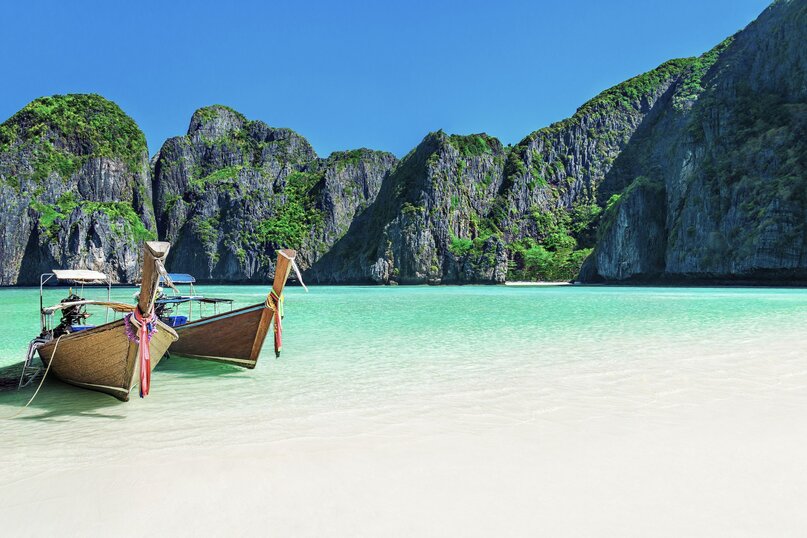
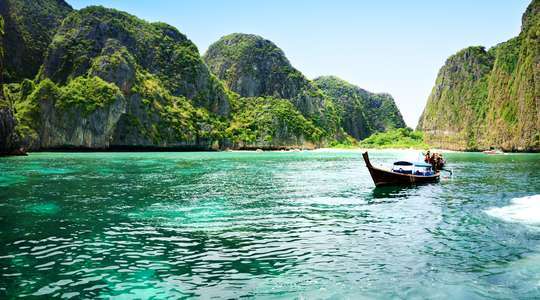
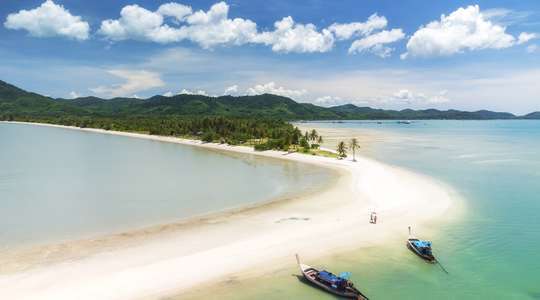
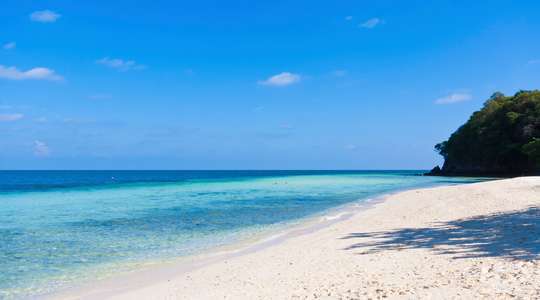
Thailand’s beaches are cover stars. Those images of longtail boats resting on talcum-white sands with a backdrop of emerald-clad limestone karsts need to be seen in person to be believed. On the west coast is the Andaman Sea islands of Phuket, Koh Phi Phi, and Koh Lanta, and the mainland beach resort of Krabi. Then there are the islands that are scattered around the edge of the Gulf of Thailand such as Koh Samet and Koh Chang.
Multi-centre holidays
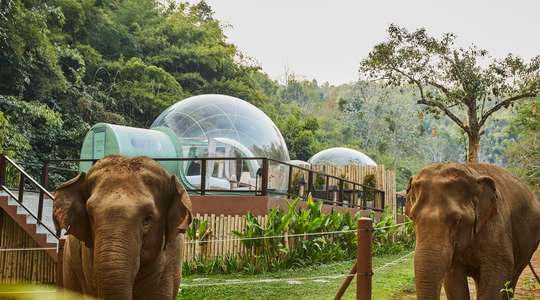
There’s no reason to limit yourself to a one-stop trip to Thailand, in fact most visits include at least a city stay in Bangkok paired with some time on the island or beach resort of your choice. For a more in-depth trip, you can combine Bangkok, Chiang Mai and a stay at a stunning jungle-surrounded resort with its own herd of elephants, or add a one or two-night visit to Elephant Hills rustic but beautifully situated lodges to your beach break in Phuket, Khao Lak or Krabi.
Diving & snorkelling
Thailand has some excellent snorkelling and diving spots. Sea temperatures are warm year-round, and visibility can reach over 30 metres during peak season between November and April. Divers can hope to see manta rays, whale sharks, leopard sharks, hawksbill turtles and plenty of tropical fish. The Surin and Similan Islands are some of Thailand’s best dive and snorkelling sites. Both are found off the south-west coast and can be reached by around 1½-hour’s land and speedboat transfer from Khao Lak. Both parks are open between 15 October and 15 May. There’s also snorkelling and diving on the eastern coast in the Gulf of Thailand, where Koh Tao and Koh Phi Phi are popular options.
Getting around
Taxis are the most convenient mode of transport for most journeys, and local metered taxis are often much cheaper than hotel taxis – just make sure the meter is running or to agree on a price beforehand. Thailand’s famous tuk-tuks are a thrilling and unmissable way to get around most cities and resorts. Domestic flights are the easiest and best value way to combine Northern, Southern and Central Thailand, with some larger islands reachable by air too. For more remote islands, a traditional long-tail boat is a serene way to transfer to your hotel while speedboats are often available too.
Food & drink
The Thai philosophy is 'eat when you’re hungry', and it’s a great excuse when you’re in a country with world-famous cuisine. Familiar favourites definitely worth a try from its home include pad Thai (fried rice noodles), fragrant and spicy tom yum soup and of course, Thailand’s multiple variations of curry like massaman and penang. And it’s a rite of passage to taste one of the cheap and cheerful morsels from Thailand’s street stalls. Thai food can be very spicy, but instead of gulping down water, eat a few mouthfuls of plain boiled rice to ease the heat. Hotel and resort restaurants will usually cater to western palates; it might be worth asking how spicy a dish is beforehand or specifying how spicy you like it.
Sorry, your hotel is no longer available
Please check alternatives

Choose dates
{{store.searchDuration}} nights, {{formattedDate}}
Enter dates to check availability
{{ guestRollup || 'Enter guests' }}
{{ store.selectedAirport.text }}
{{ store.selectedClass.text }}
{{ store.selectedOccasion.text }}
Search
-
 {{item.body}}
 -

 {{item.body}}
Choose a departure date
{{store.searchDuration}} nights
Enter rooms & guests
Checking prices & availability

{{term}}, {{formattedDate}} for {{searchDuration}} nights
Destinations See all Destinations
HolidaysSee all Holidays
OffersSee all Offers
InspirationSee all inspiration

Talk to an expert today
Your dream holiday is just a phone call away
Call us on 0800 294 9702


Mon to Fri: 9am - 8pm
Saturday: 9am - 6pm
Sunday: 11am - 4pm
Visit your local Kuoni store
 Find your nearest store
In-person, virtual or phone
Get face-to-face advice from our friendly team
We're transferring you to our tailor-made specialists
 |  |  |
From the multi-award-winning Kuoni